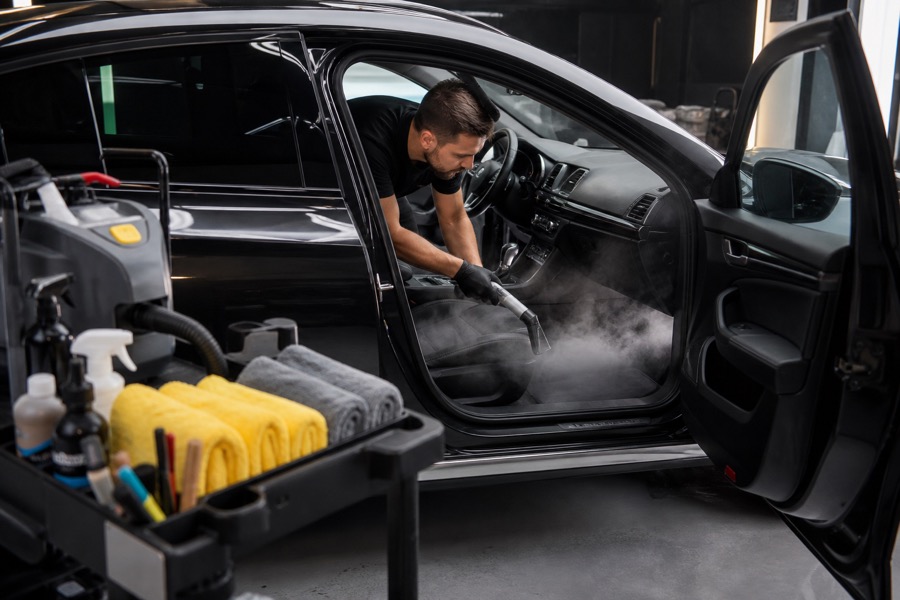
Car detailing steam cleaning matters when Australian drivers want a cleaner car, a fresher cabin, or a better finish without wasting money on the wrong service. From my experience looking at real detailing jobs, the best results usually come from careful inspection, safe product choice, realistic timing, and clear communication before any machine, steamer, coating, or wash mitt touches the vehicle.
Car detailing steam cleaning is a practical detailing service or search need for Australian car owners who want a vehicle cleaned, restored, protected, or prepared with the right method for its condition. It should match the car's paint, trim, interior materials, use pattern, budget, and local driving environment.
Table of Contents
- What Car detailing steam cleaning Means in Australia
- Why This Service Matters
- The Detailing Process
- Comparison Table
- Booking Checklist
- People Also Ask
- Detailed Q&A
What Car detailing steam cleaning Means in Australia
In Australia, detailing is shaped by heat, dust, UV exposure, coastal air in some regions, country roads, school runs, work vehicles, and long highway trips. Therefore, Car detailing steam cleaning should never be treated as a one-size-fits-all job. A daily driver in Armidale can need a different plan from a garaged weekend car, even when both owners search for the same service.
For this reason, a professional detail starts with questions. What is the vehicle used for? Has it had ceramic coating before? Are there pet smells, spilled drinks, sunscreen marks, red dust, bore water spotting, tree sap, or light swirl marks? The answer changes the process, the time, and the expected finish.
Australian customers also deserve clear service standards. According to ACCC consumer guarantees guidance, services should be supplied with due care and skill under Australian consumer guarantees. In practical detailing terms, that means the provider should explain what can be improved, what may remain, and why a particular method is suitable.
Why Car detailing steam cleaning Matters Before You Book
The biggest mistake is choosing only by price. A cheap wash can be fine for a lightly dusty vehicle, but it may be wrong for delicate paint, embedded grime, stained fabric, or a car being prepared for sale. Likewise, a premium package is only valuable if the vehicle actually needs the extra stages.
From my experience, the right Car detailing steam cleaning plan balances four things: the current condition, the result you want, the time available, and the maintenance you can realistically keep up. As a result, a clear inspection saves money because it prevents unnecessary add-ons while still protecting sensitive areas.
Water and chemical control also matter. The NSW EPA stormwater guidance notes that runoff from washing activities should not enter stormwater drains and that wash areas should direct wastewater appropriately. This is especially relevant for mobile or workshop-based car detailing in Australia, where professional habits help protect local waterways.
How a Professional Car detailing steam cleaning Service Usually Works
A good process begins with a pre-rinse or dry assessment, depending on the service type. Then, the technician chooses safe cleaners for paint, plastics, wheels, fabric, leather, glass, and trims. Because every surface reacts differently, controlled product choice matters more than using the strongest chemical on the shelf.
For exterior work, the usual sequence may include pre-wash, snow foam, contact wash, decontamination, drying, polishing, protection, wheel cleaning, tyre dressing, and final inspection. However, for interior work, the sequence can include vacuuming, steam cleaning, extraction, agitation, stain treatment, odour management, leather care, plastics cleaning, glass cleaning, and controlled drying.
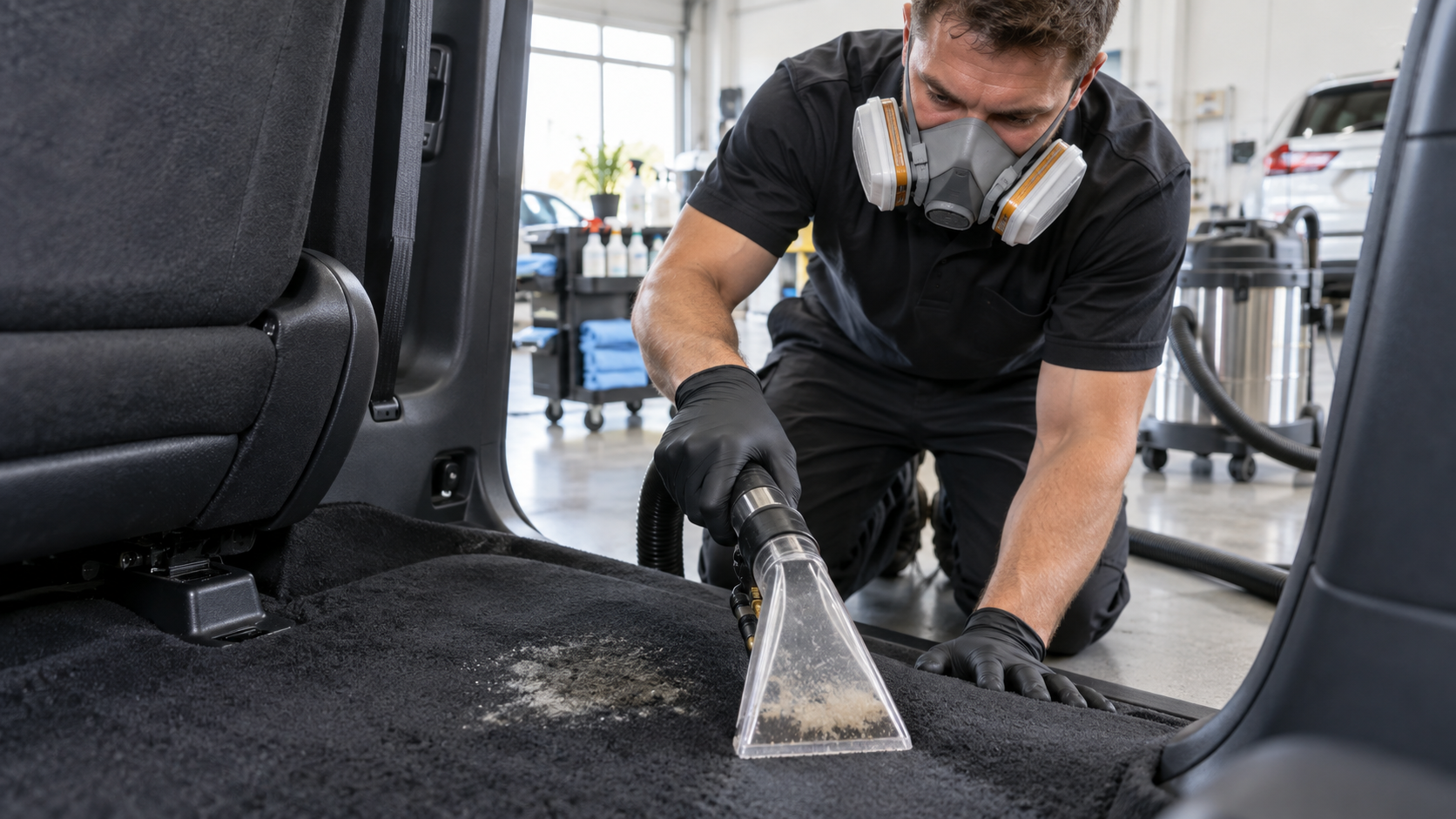
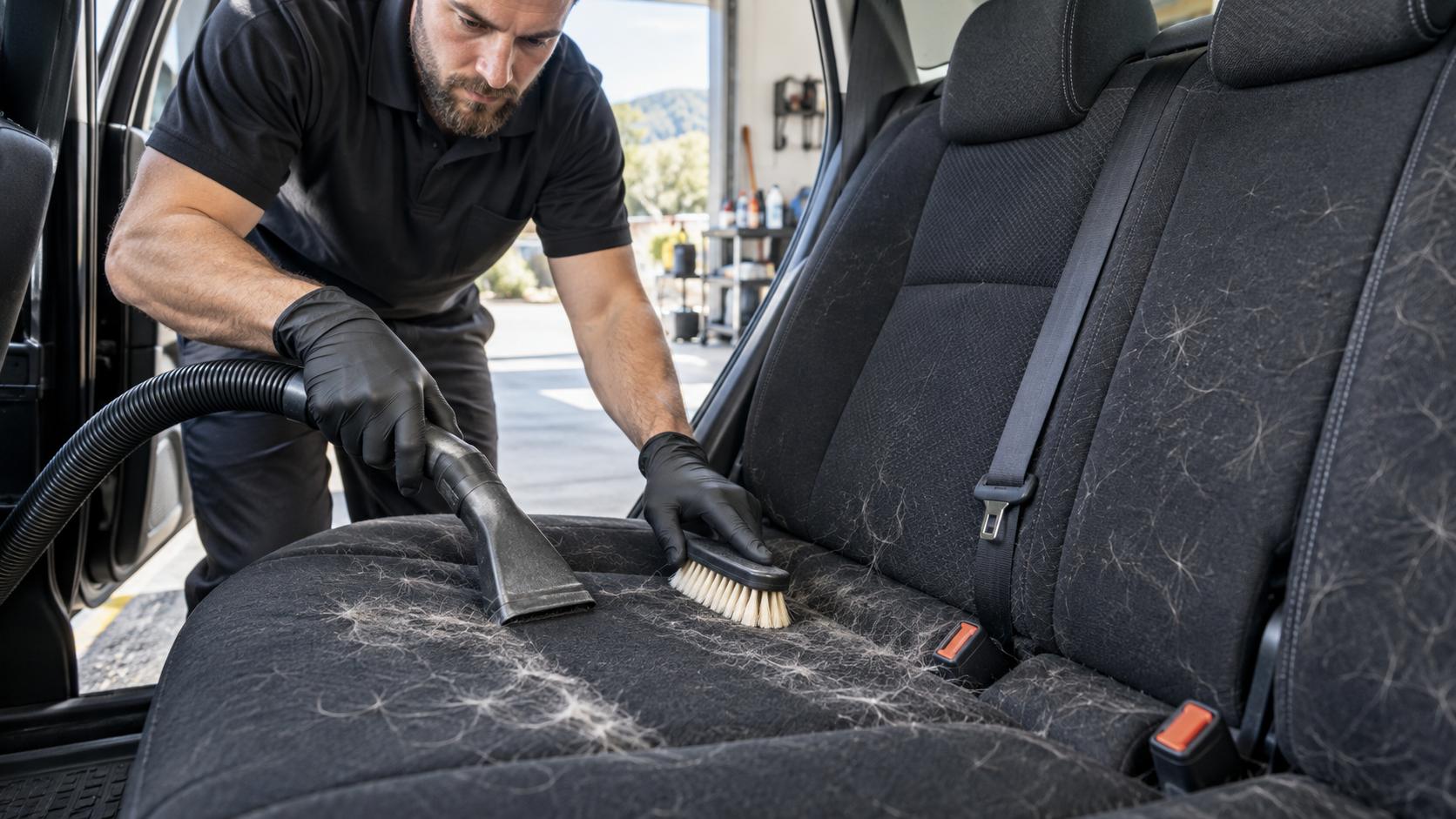
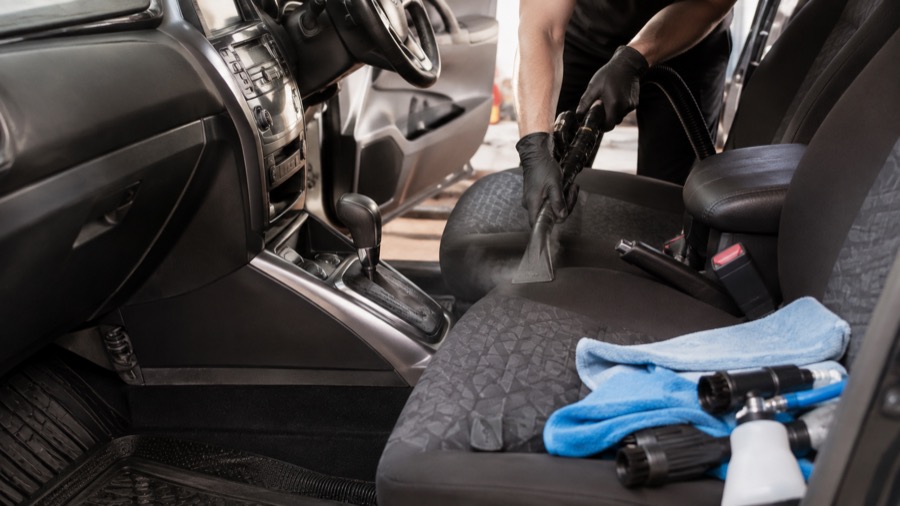
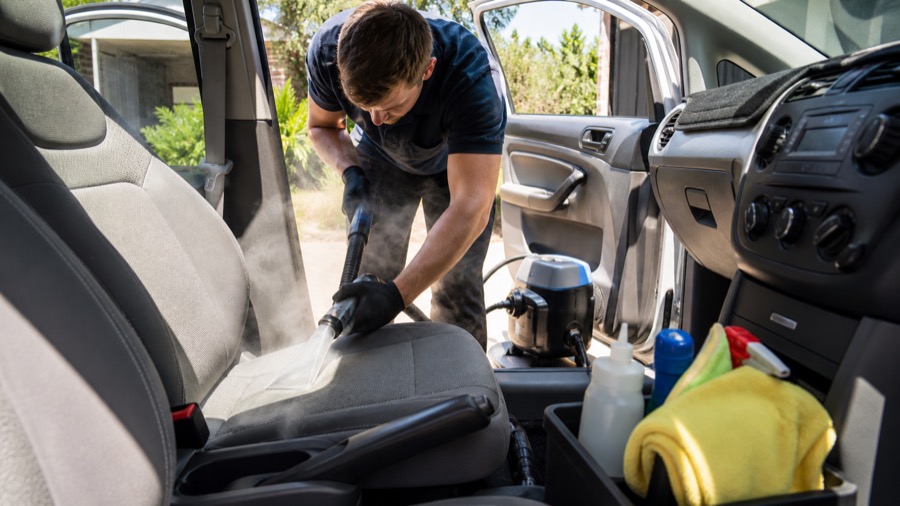
For Car detailing steam cleaning, the detailer should explain heat, extraction, fabric safety, drying, and odour source control. This explanation helps a customer understand what is included and what is not. For example, steam can refresh fabric and help loosen grime, yet deep stains may still need extraction and repeated treatment. Similarly, paint correction can greatly improve gloss, but it should be measured and conservative rather than aggressive.
Safe chemical handling is another sign of a serious operation. Safe Work Australia safety data sheet guidance explains that safety data sheets provide information about hazards, handling, storage, first aid, and disposal for hazardous chemicals. Customers do not need to read every SDS, but they can reasonably expect a professional team to use products responsibly.
Comparison Table for Car detailing steam cleaning
| Option | Best For | Typical Benefit | Watch Point |
|---|---|---|---|
| Quick wash | Light dust and regular upkeep | Fast presentation improvement | May not remove embedded grime or stains |
| Interior detail | Daily-use cabins, spills, dust, family cars | Cleaner surfaces and fresher feel | Drying time and stain history matter |
| Exterior detail | Paint, wheels, glass, trims and protection | Better gloss and easier maintenance | Heavy defects may need correction |
| Steam clean | Fabric, upholstery, odour and hygiene-focused jobs | Heat-assisted cleaning and refresh | Not every material should be over-wet |
| Paint correction or coating | Gloss, swirl reduction and longer-term protection | Higher finish and easier washing | Needs proper prep and realistic expectations |
Car detailing steam cleaning Booking Checklist
- Take clear photos of the vehicle in daylight, including stains, wheels, paint marks, and problem areas.
- Tell the detailer how the car is used, where it is parked, and whether kids, pets, work gear, or red dust are common.
- Ask what is included, what is optional, and what cannot be guaranteed before booking.
- Confirm whether the service is mobile, workshop-based, or weather-dependent.
- Check expected time, drying time, access to power or water if mobile, and aftercare instructions.
- Ask how chemicals, runoff, and sensitive surfaces are managed.
- Choose the package that matches the car's real condition, not just the cheapest headline offer.
Pricing Factors for Car detailing steam cleaning
Pricing varies because condition varies. A small hatch with light dust needs less time than a seven-seat SUV with sand, pet hair, sunscreen, coffee spills, and neglected wheels. Therefore, the fairest quote usually considers size, contamination, access, service depth, products, polishing stages, and whether protection is included.
In Australia, mobile convenience may also affect price. Travel time, weather planning, water access, and equipment setup all matter. However, the cheapest option is not automatically the best value if it skips the steps needed to protect paint, avoid fabric over-wetting, or finish the job properly.
If you want a practical starting point, compare service inclusions through Detailing Mates car detailing services in Australia. The best package is the one that solves the problem you actually have.
Common Mistakes With Car detailing steam cleaning
One common mistake is expecting one appointment to reverse years of wear. Detailing can make a major difference, yet some stains, odours, scratches, dye transfer, and clear coat defects may be permanent or only partially improved. A trustworthy operator will say this early.
Another mistake is using aggressive products too quickly. Strong wheel acids, harsh degreasers, or rough wash techniques can create damage if used carelessly. Because modern vehicles use many sensitive finishes, the safer approach is to test, rinse, and step up only when needed.
Finally, many owners forget aftercare. A clean car stays better for longer when it is washed with safe methods, dried properly, protected from harsh sun where possible, and maintained before contamination builds up again.
People Also Ask About Car detailing steam cleaning
How long does Car detailing steam cleaning take in Australia?
Most basic jobs take a few hours, while correction, coating, deep steam cleaning, or pre-sale work can take longer. The right time depends on vehicle size, condition, weather, and the detailer's process.
Is Car detailing steam cleaning worth it for an older car?
Yes, if the goal is cleaner presentation, better comfort, or easier maintenance. However, older paint and trim should be assessed first so the process stays realistic and safe.
Can Car detailing steam cleaning remove every stain or scratch?
No professional should promise that. Many stains and defects improve, but permanent dye marks, deep scratches, worn fabric, and clear coat failure may remain.
Should I choose mobile or workshop detailing?
Mobile detailing is convenient, while workshop detailing can be better for complex correction, controlled lighting, or longer coating work. The best choice depends on the service and the vehicle's condition.
Detailed Q&A for Car detailing steam cleaning
What should I ask before booking Car detailing steam cleaning?
Ask about inclusions, exclusions, estimated time, drying time, products, aftercare, and whether photos are needed for quoting. This helps avoid confusion and gives the detailer a better view of the vehicle's condition.
How often should I book Car detailing steam cleaning?
For daily drivers, a maintenance detail every few months can be helpful, while high-use interiors may need more frequent cleaning. Coatings, correction, and pre-sale work are usually less frequent and depend on the car's goal.
Does Australia weather affect Car detailing steam cleaning?
Yes. Sun, heat, storms, dust, frost, and pollen can all affect timing and product behaviour. For mobile jobs, shade and weather planning can make a big difference to the final result.
Is steam cleaning safe for every interior?
Steam can be very useful, but it must be controlled around electronics, adhesives, delicate trims, and some leather or fabric types. A professional should use the right heat, distance, dwell time, and drying method.
What result should I expect from Car detailing steam cleaning?
Expect a cleaner, better-presented vehicle and clearer maintenance advice. Still, the final result depends on age, previous care, damage, contamination, and whether the selected package matches the vehicle's needs.
Conclusion
Car detailing steam cleaning is worth planning properly because good detailing is about method, not guesswork. When the process matches the car, the finish looks better, the cabin feels fresher, and the owner understands how to maintain the result. For Australian drivers, the smart next step is to compare the vehicle's condition with the right package, ask clear questions, and book a service that fits the real goal.
Extra Practical Notes for Car detailing steam cleaning
Before the appointment, remove personal items, child seats, loose tools, and valuables. This saves time and allows the detailer to clean more thoroughly. Also, mention any previous repairs, repainted panels, aftermarket tint, ceramic coating history, or known leaks, because these details can change the safest method.
After the appointment, follow the care advice. For example, avoid harsh detergents on protected paint, allow fabrics to dry fully, keep windows slightly open when advised, and book maintenance before grime becomes heavy again. Consequently, Car detailing steam cleaning becomes more cost-effective over the long term.
How to Judge Quality After Car detailing steam cleaning
A good finish should look even in natural light, not only under workshop lighting. Walk around the car slowly and check the lower panels, wheels, door jambs, mirrors, glass edges, centre console, cup holders, seat rails, boot area, and high-touch controls. These areas reveal whether the job was rushed or completed with care.
For exterior work, gloss should be consistent and residue should not sit in badges, panel gaps, trims, window rubbers, or fuel doors. However, some older cars have stone chips, clear coat failure, etched bird droppings, and deep scratches that cleaning cannot remove. A professional should point these out rather than hide them behind vague promises.
For interior work, the cabin should smell clean rather than heavily perfumed. Strong fragrance can mask odour for a short time, but it does not always solve the cause. Therefore, proper vacuuming, agitation, extraction, steam control, and drying are more important than simply spraying a scent at the end.
For Car detailing steam cleaning, ask for simple aftercare notes. These may include when to wash next, what products to avoid, how long to keep windows open after steam cleaning, when a coating can get wet, or how to maintain tyres, trims, leather, carpets, and glass. Clear aftercare protects the money you have spent.
When to Upgrade Your Car detailing steam cleaning Package
It can make sense to upgrade when the car has heavy contamination, rough paint, stubborn smells, pet hair, sunscreen marks, mould concerns, water spots, oxidised headlights, brake dust build-up, or a sale deadline. In those cases, a basic service may improve appearance but leave the main problem unresolved.
Still, upgrades should be explained in plain language. For instance, if the detailer recommends paint correction, they should describe the visible defects and the likely improvement. If they recommend steam cleaning, they should explain why heat and extraction are suitable. If they recommend ceramic protection, they should explain preparation, cure time, maintenance, and limitations.
From my experience, the best detailers do not pressure customers into the largest package. Instead, they match the package to the outcome. That might mean a focused interior clean before a family trip, a pre-sale detail before photos, a ceramic coating for easier washing, or a simple maintenance wash for a well-kept vehicle.
Local Australia Context for Car detailing steam cleaning
Australian vehicles often face harsh sun, dusty roads, eucalyptus sap, bird droppings, road film, summer heat, wet winters in some regions, and long drives between towns. These conditions can age paint, trim, rubber, headlights, wheels, and interior plastics. As a result, prevention and maintenance usually cost less than waiting until the car is badly neglected.
In Armidale and regional NSW, cars may also see a mix of town driving, rural roads, frosty mornings, pollen, mud, and highway insects. Therefore, Car detailing steam cleaning should include practical advice for how the owner actually drives. A city-style showroom finish is useful, but durability and sensible maintenance matter just as much.
Finally, remember that detailing is not magic. It is skilled cleaning, refinement, and protection. When expectations are clear, the process is safer and the customer is happier. That is the real value of choosing a professional, well-explained service instead of a rushed one.
Maintenance Plan After Car detailing steam cleaning
A simple maintenance plan protects the result. Park in shade when practical, rinse loose dirt before contact washing, use clean microfibre towels, and avoid household detergents that can strip protection or leave residue. Also, clean bird droppings and bug splatter quickly because they can etch paint, especially during hot Australian weather.
For interiors, keep a small bin or bag in the car, vacuum before grit settles deep into carpet, and blot spills instead of rubbing them across the fibres. If there is a persistent smell, do not just add fragrance. Identify the source first, because damp carpet, food spills, pet accidents, mould, and blocked cabin filters can require different treatments.
For wheels and lower panels, maintenance matters because brake dust and road film build up quickly. Regular safe washing keeps later appointments easier and may reduce the need for harsher products. Because of this, Car detailing steam cleaning is best viewed as part of ongoing vehicle care, not a once-only rescue job.
When you compare providers, look for clear communication, realistic expectations, appropriate insurance, careful product use, and before-and-after inspection. A tidy result is important, but the process behind that result matters too. This is why Australian car owners should choose a detailer who explains the work and helps them maintain the finish afterwards.
If you are unsure, start with the main pain point. For some owners, that is a stained seat. For others, it is dull paint, cloudy headlights, a car listed for sale, or a family SUV that needs a reset. Once the main goal is clear, Car detailing steam cleaning becomes easier to quote, easier to schedule, and easier to judge fairly.