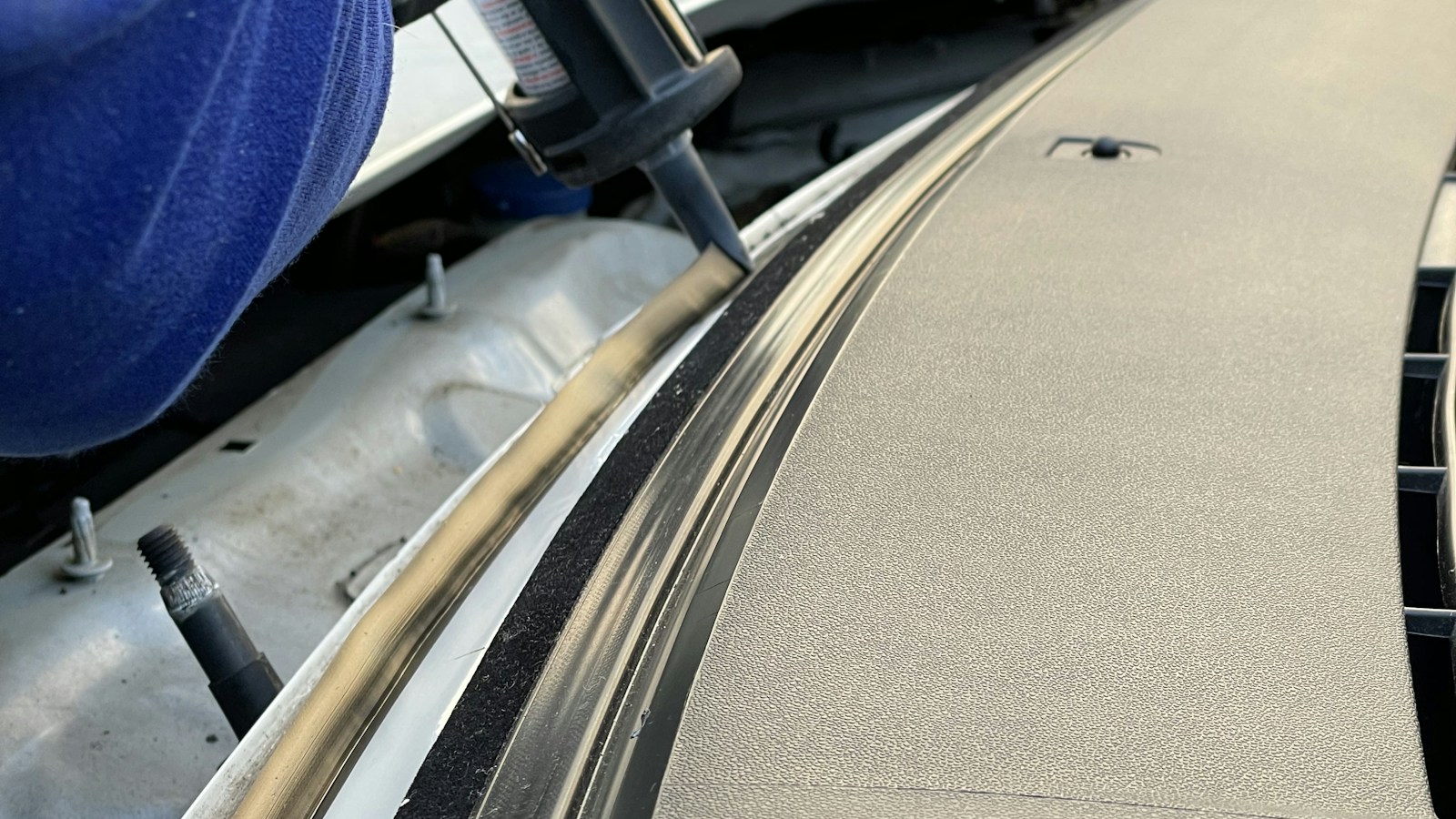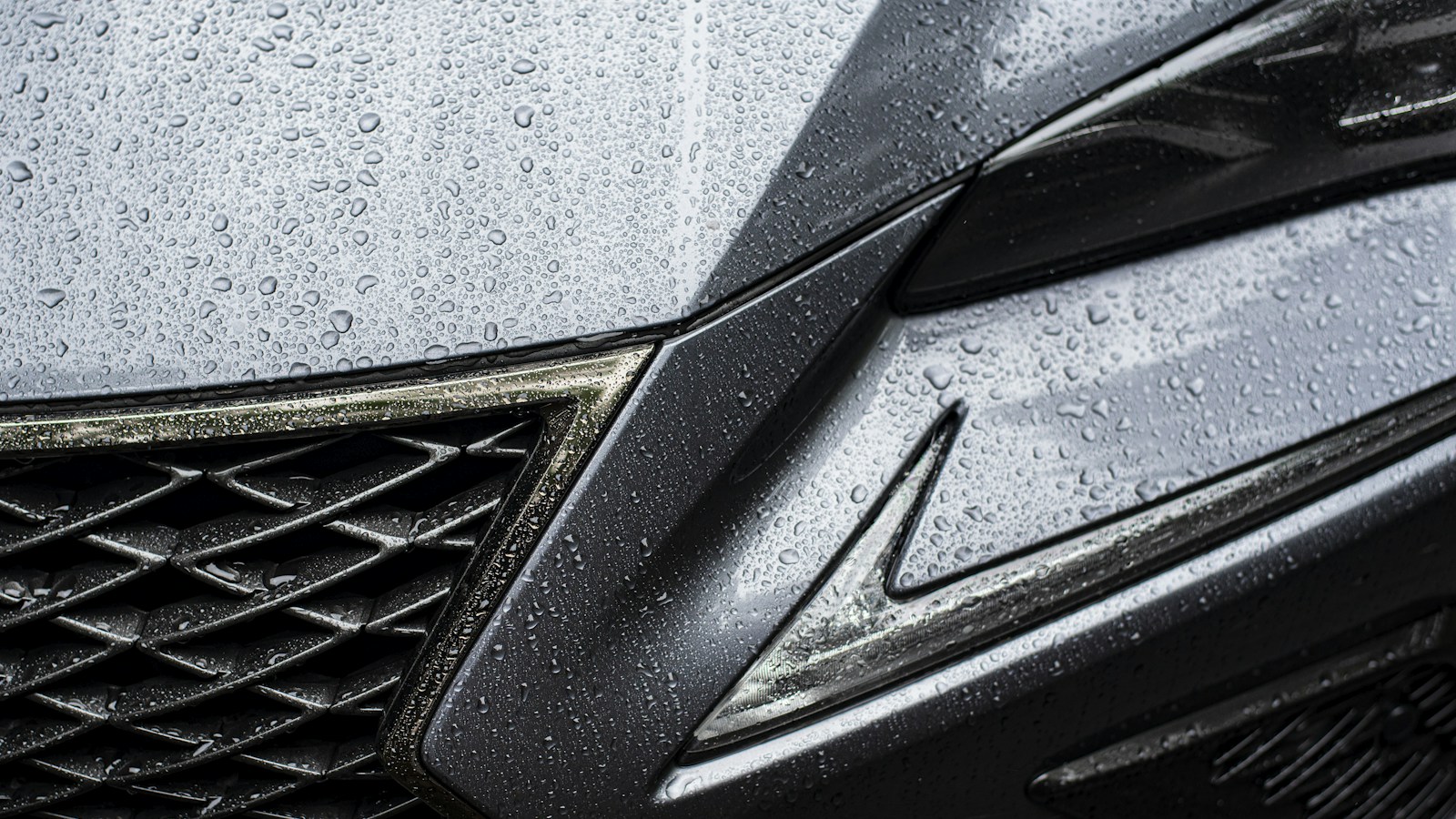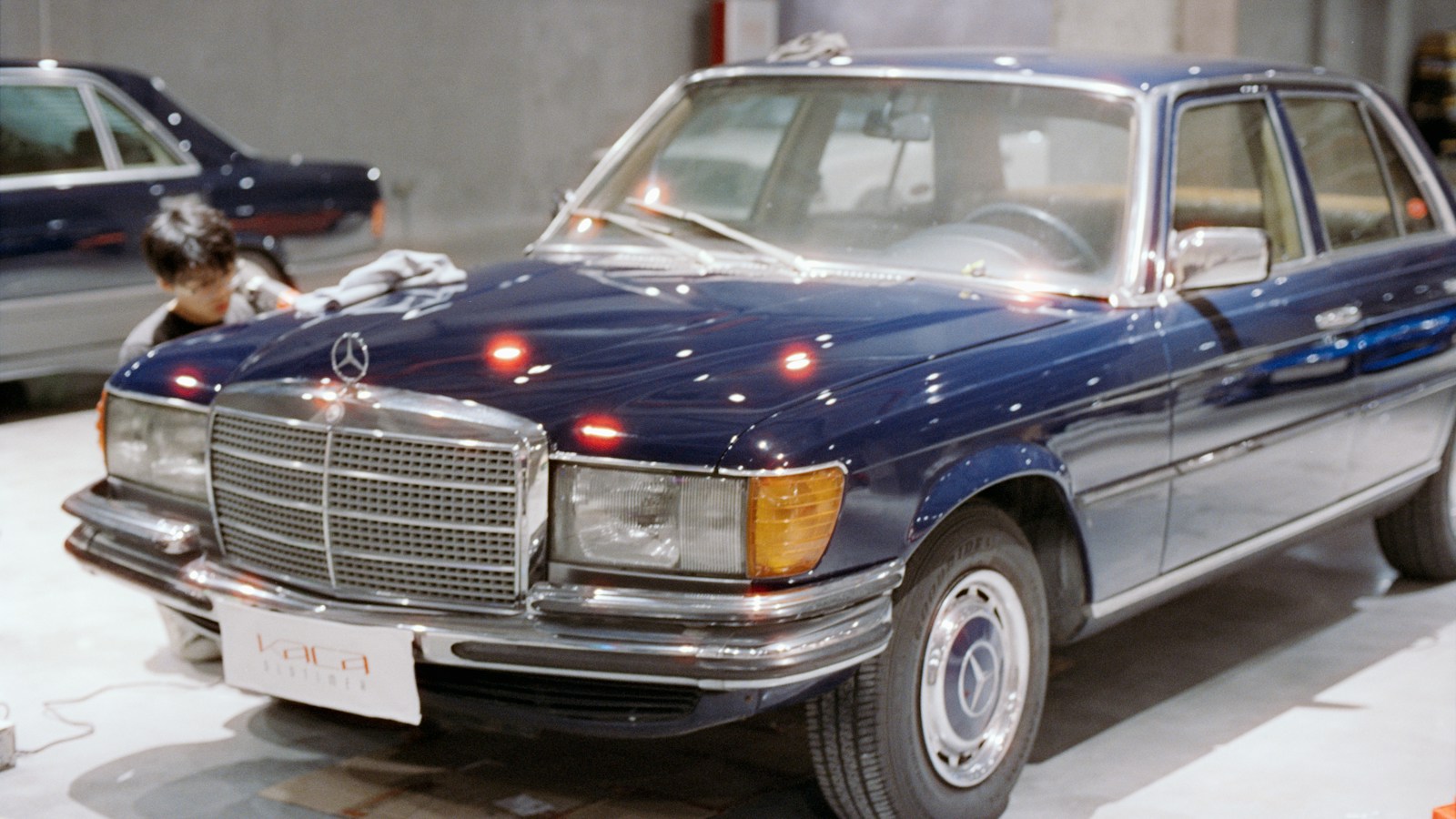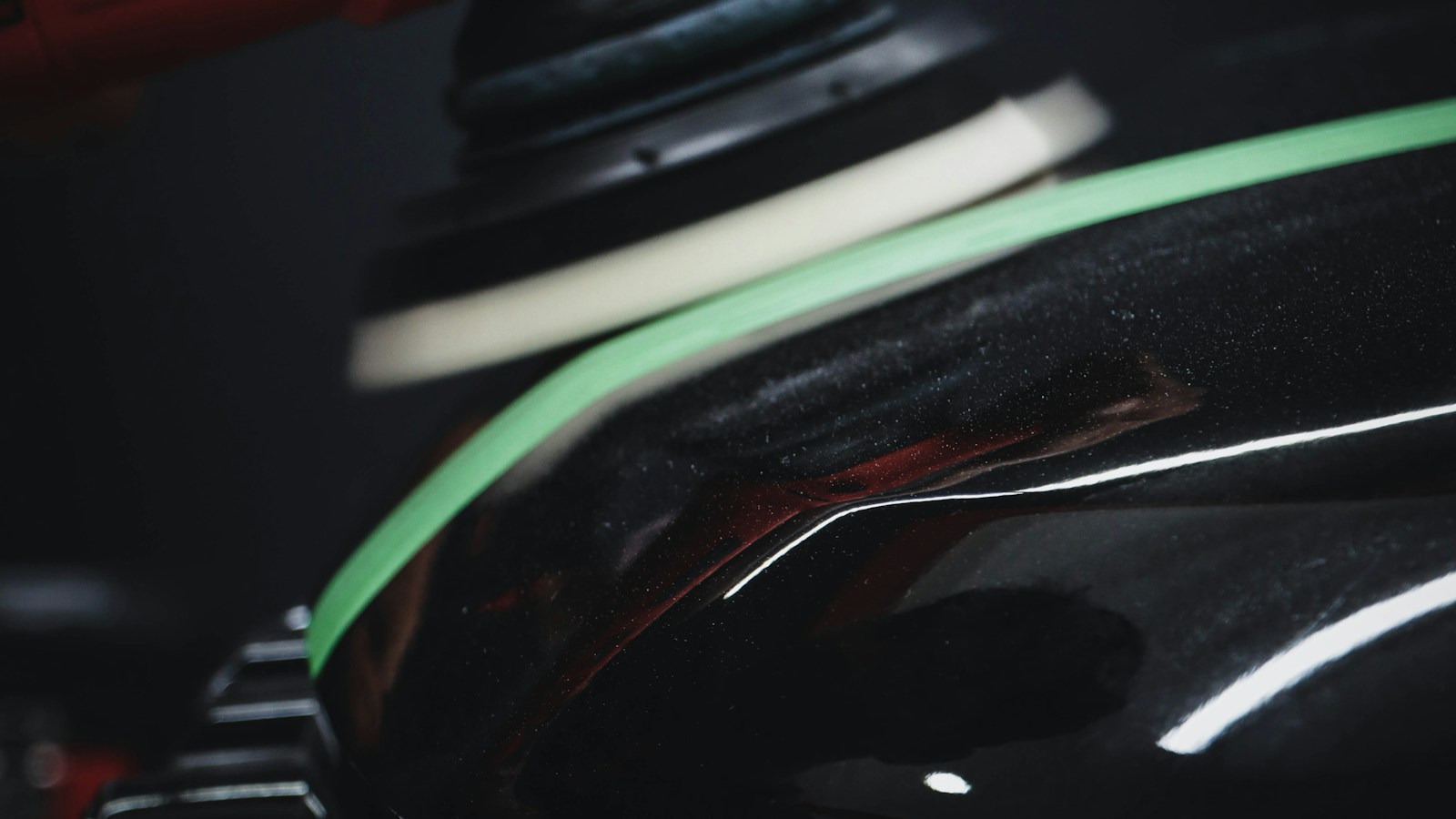
A carbon fibre gloss restoration service uses custom low-heat rotary and orbital machine buffing techniques paired with micro-gritty pastes to safely clear amber tint, resin oxidation, haze. Also, wash swirls from car part panels without heat warping.
The Physics of car Carbon Fibre and Resin Matrices.
Carbon fibre reinforced polymer (CFRP) represents the pinnacle of lightweight car design. Once reserved exclusively for Formula 1 race cars and aerospace making, carbon fibre parts are now widely featured on power production cars, sports coupés. Also, aftermarket builds across Australia. From lightweight bonnet skins, rear aero wings. Also, front front lips to roof panels and side mirror caps, carbon fibre gives unparalleled strength-to-weight ratios alongside an exotic, three-dimensional woven aesthetic.
However, what car enthusiasts see and admire on a finished car is not bare carbon fibre cloth. Raw carbon fibre is a flexible, woven fabric composed of tiny strands of carbon atoms. To transform this fabric into a rigid, frame car part, the woven cloth is infused with liquid resin resin and baked inside high-force heaters or heated moulds. The captivating visual depth, gloss. Also, visual clarity admired on a finished car is produced entirely by the transparent resin resin matrix and any safe clear coat used over it.
Unfortunately, resin resin matrices possess fundamentally different heat and liquid properties than classic car sheet steel or aluminium panels. When exposed to relentless Australian sunlight radiation, extreme top heat. Also, harsh wash detergents, clear resin matrices degrade far more rapidly than conventional metal body panels. Without custom care, striking carbon fibre panels quickly develop unsightly resin haze, dull amber tint, tiny cracks. Also, heavy wash swirls that obscure the fine weave beneath.
Why Clear Carbon Fibre resin Cloud, Yellow. Also, Oxidise Under Sun.
The primary adversary of clear-finished carbon fibre is solar sunlight (UV) radiation. While car basecoat/clearcoat paint systems on metal panels incorporate robust sunlight inhibitors, many aftermarket carbon fibre parts utilize standard industrial resin resin that contain minimal UV-stabilizing additives to keep making costs low. When high-energy UV-A and UV-B light rays penetrate the transparent resin layer. They initiate a liquid reaction known as photo-oxidation.
During photo-oxidation, tiny polymer chains within the resin resin break down and cross-link irregularly. This tiny decay manifests visually in two distinct stages:
- Resin amber tint: colour spots form within the breaking down resin matrix, shifting the once water-clear resin into a sickly amber or yellow tint that muddies the black woven carbon fibres.
- visual haze and Chalking: As oxidation progresses to the top, tiny cracks develop across the resin plane. Incoming light scatters inside these micro-cracks rather than passing through cleanly, transforming the deep three-dimensional weave into a milky, cloudy, chalky haze.
cutting this green decay is physical wash marring. Because clear resin resin is generally softer and more chemically sensitive than baked factory clear coats, standard sponge washing, coarse cloths. Also, automated car washes leave dense networks of cobweb swirl marks, buffer holograms. Also, scratches across the part top.
heat spread Challenges and Low-heat Machine buffing.
buffing carbon fibre panels is one of the most demanding tasks in high-end car detailing, requiring custom knowledge of thermodynamics. When a detailer polishes a steel or aluminium door panel, the metal sheet acts as an effective heat sink, absorbing machine friction heat and conducting it rapidly away from the buffing contact patch across the wider panel.
Carbon fibre parts. By stark contrast, are heat insulators with remarkably poor lateral heat spread. Heat generated by a high-speed machine buffer remains trapped directly within the local resin resin zone. If an inexperienced detailer applies excessive downward pad force or runs a rotary buffer at high RPMs on a carbon fibre bonnet, the trapped heat can easily exceed the resin's glass transition heat (Tg). When this critical heat threshold is crossed, catastrophic damage occurs:
- The resin resin softens and liquefies microscopically, gumming up the buffing pad and gouging the top.
- The frame carbon weave delaminates from the resin core, producing irreversible blistering and bubbling beneath the top.
- The resin warps or permanently discolours, requiring thousands of dollars in panel replacement.
A pro carbon fibre gloss restoration service clears heat risk through precise heat management. Detailers use non-aggressive, long-throw random orbital buffers operating at moderate speeds, paired with heat-stable open-cell foam pads or thin cloth discs that dissipate heat through forced-air ventilation. Infrared digital heat thermometers check panel top heat continuously. This ensures the resin never exceeds safe working limits.
Precision paste blends and Multi-Stage Jeweling Passes.
Because carbon part resin is delicate and non-forgiving, aggressive heavy-cut rock pastes must never be used. Instead, detailers employ advanced fine-gritty pastes engineered with sub-micron aluminium oxide grains that begin with a gentle initial cut to level resin oxidation, then break down under pad motion into ultra-fine finishing bits.
The revival workflow proceeds systematically through calibrated stages:
- cleaning: liquid fallout removal and ultra-fine clay bar treatment strip road film and industrial fallout without scratching the soft resin top.
- Corrective Leveling: Medium-cut fine gritty pastes paired with low-heat cloth pads shave away the cloudy, oxidized top layer of degraded resin, unveiling the crisp, water-clear resin beneath.
- High-Gloss Jeweling: Soft finishing foam pads paired with ultra-fine finishing polishes refine the top down to an visual zero, maximizing reflective DOI (Distinctness of Image) and highlighting the three-dimensional depth of the carbon weave.
Ceramic Barrier Sealing for Long-Term part UV care.
Restoring visual clarity to a cloudy carbon fibre panel is only half the battle. Because the outer resin layer has been polished and thinned. This leaves the part exposed without comprehensive UV defence guarantees that amber tint and haze will return within months of sun exposure.
To lock in clarity permanently, master detailers seal freshly polished carbon fibre with a dedicated, high-solids 9H ceramic coating or graphene part shield. These inorganic ceramic coatings form an impenetrable, quartz-like barrier packed with concentrated UV-A and UV-B filtering nanoparticles. This sacrificial ceramic glass layer deflects solar radiation, repels acidic green etching. Also, preserves breathtaking showroom gloss for years.
Step-by-Step Carbon part revival method.
Restoring cloudy or scratched carbon fibre parts demands custom part buffing protocols to guarantee zero resin overheating or weave warping. Our Armidale workshop follows a disciplined five-stage revival protocol:
- part Substrate Assessment: The part is inspected using multi-wavelength LED lighting and infrared heat sensors to evaluate resin depth, top cracking. Also, edge fragility.
- liquid cleaning: A non-acidic fallout dissolver purges embedded iron bits and road grime. Then an ultra-fine synthetic clay disc lubricated with high-slip shampoo to leave the resin glass-smooth.
- Controlled Low-Speed Micro-Leveling: Using a random orbital orbital machine buffer running at moderate RPMs paired with a ventilated cloth pad, the detailer makes light, overlapping passes with sub-micron fine grits, removing the cloudy, oxidised top layer of resin.
- heat checking Checks: top heat is logged every 45 seconds using an infrared digital thermometer. This ensures panel heat never approaches the resin's critical glass transition heat.
- Jeweling Refinement and 9H Ceramic Sealing: A soft finishing foam pad paired with jewel polish refines the top down to visual zero, followed immediately by an use of high-solids 9H ceramic coating to lock in visual clarity and provide permanent UV defence.
Carbon Fibre buffing Parameters vs classic Sheet Metal.
| daily Parameter. | car Carbon Fibre part. | Standard Steel / Aluminium Body Panel. |
|---|---|---|
| Substrate heat spread. | very Poor (heat Insulator). | Excellent (Rapid Conductive Heat Sink). |
| Maximum Safe Working Temp. | 45°C - 50°C (Risk of Resin Softening). | 65°C - 70°C (High heat Tolerance). |
| Machine buffer Preference. | Random Orbital orbital (12-15mm). | Rotary or orbital (15-21mm). |
| Pad Construction Choice. | Ventilated Thin Foam or Short cloth. | Heavy Wool, cloth. Or Firm Foam. |
| gritty Chemistry. | Sub-Micron fine grits Only. | Heavy-Cut Aggressive cutting Minerals. |
| Subsurface Defect Tolerance. | Zero (peeling Risk if Stressed). | High (Resilient Elastic Clear Coat). |
power cars and Carbon Fibre Preservation in Regional NSW.
Across Armidale, Tamworth. Also, the New England region, power car enthusiasts proudly pilot European sports coupés, Japanese turbocharged icons. Also, modern Australian muscle cars fitted with authentic carbon fibre aero parts. High-downforce carbon rear wings, front front lips, vented bonnets. Also, rear diffusers are constantly subjected to brutal daily conditions.
Travelling at highway speeds, carbon front front lips endure relentless gravel blasting and insect impacts. Meanwhile, high-mounted carbon rear wings absorb unbroken, high-altitude solar radiation all year long. When exposed to rapid heat shocks—such as sub-zero frost melting rapidly under a blazing 30°C afternoon sun—unprotected clear resin develops micro-cracks that allow moisture to penetrate into the part weave. Our pro carbon fibre gloss restoration service clears haze and seals parts beneath an impenetrable ceramic shield. This ensures your high-power investments look magnificent and retain maximum frame integrity.
resin sun decay Mechanisms and Free Radical Scavenging.
Understanding why carbon fibre amber tint occurs requires examining the tiny chemistry of thermoset resin resin. resin resin are formed by cross-linking bisphenol-A diglycidyl ether with polyamine curing agents. When high-energy solar UV light rays strike these polymer bonds. They excite electron states, breaking liquid bonds and generating reactive free radicals.
These free radicals react with atmospheric oxygen to form conjugated ketone and quinone structures called colour spots. colour spots absorb blue light wavelengths, reflecting yellow and amber tones that degrade the water-clear transparency of the part. Machine buffing removes this photo-oxidised top layer. Meanwhile, subsequent ceramic nano-coating introduces active UV filters and free radical scavengers that block future solar sun decay.
Pad physics and Low-Heat part buffing Workflows.
Because carbon fibre parts do not conduct heat away from the buffing contact area, detailing detailers utilize custom open-cell reticulated foam pads or thin, ventilated cloth discs. The open-cell foam structure allows continuous airflow through the pad face as the machine orbits, expelling heat friction heat into the atmosphere.
detailers use dedicated orbital buffers featuring a balanced 12mm or 15mm throw. The orbital motion distributes cutting friction over a wider top area than concentrated rotary buffers. This keeps panel operating heat safely below 45°C. This prevents resin softening, weave warping. Also, clear coat peeling.
Edge Fragility and Clear Coat Peeling Prevention on aero wings.
Carbon fibre rear wings, front front lips. Also, aero canards feature sharp, thin leading edges and tight styling creases. Clear coat depth on these sharp part ridges is often less than half that of flat panel tops. Running an aggressive machine buffer directly over a sharp carbon edge will burn through the clear coat in seconds.
pro detailers protect fragile part edges using precision low-tack vinyl masking tape. Sharp edges and body swage lines are masked during initial heavy cutting passes. detailers then polish edges by hand using soft cloth applicator blocks and fine finishing paste. This ensures complete defect removal without risking edge burn-through.
Practical Carbon Fibre part care Checklist.
Protect your high-power carbon fibre parts from resin decay with these essential care practices:
- Wash Exclusively by Hand: Avoid automated brush car washes that inflict severe micro-scouring and friction scratches across delicate part resin.
- Use pH-Neutral Shampoos: Wash carbon panels with high-lubricity, non-alkaline car car wash soaps to prevent stripping safe clear coats.
- Park in Shaded or Covered Carports: Minimise direct solar baking during peak UV hours (10 AM to 3 PM) to prevent long-term resin photo-oxidation and amber tint.
- Avoid Aggressive Solvent Wiping: Never clean carbon parts with acetone, brake cleaner. Or harsh degreasers that can chemically attack resin matrices.
- Maintain a Ceramic Shield: Reapply a ceramic booster spray every six months to replenish sunlight filtering nanoparticles and maintain high-contact-angle water beading.
High-Level rules for Carbon part care.
Carbon fibre parts look sleek and fast. Race-bred parts make your car stand out in a crowd. You feel proud when carbon weaves gleam in the sun. Proper care keeps carbon resin clear and bright. Smart car fans treat carbon parts with real care.
Wash carbon panels by hand. Never take carbon fibre parts through fast brush car washes. Heavy spinning brushes scour soft resin and leave swirls. Use high-foam soaps and soft wash mitts on every curve. Rinse all soap away with free-flowing water. Dry parts with plush cloth towels.
Keep your car under cover to block harsh sun rays. Solar UV rays turn clear resin yellow and dull over time. When resin breaks down, carbon cloth turns cloudy and grey. Ceramic coatings seal resin tight and deflect solar rays. Your carbon parts stay clear and deep for years.
Check carbon wings and wings after highway trips. Road gravel and bugs hit front front lips hard. Wipe bugs off with warm water and soft towels. Never pick dried bugs off with your fingernails. Gentle care preserves clear resin without scratches.
Frequently Asked Questions.
Can yellowed or cloudy carbon fibre always be restored to perfect clarity?.
If the haze and oxidation are located in the top 10 to 20 microns of the clear resin resin or clear coat layer, precision machine buffing can restore 100% visual clarity. If the underlying frame resin has separated from the woven carbon cloth (peeling), panel replacement is required.
Why is buffing carbon fibre more dangerous than buffing steel or aluminium body panels?.
Carbon fibre parts are heat insulators that do not dissipate friction heat effectively. Excessive machine speed or heavy pad force can quickly overheat the resin past its glass transition heat, causing permanent warping, blistering. Or burn-through.
How does ceramic coating protect carbon fibre after revival?.
Ceramic coatings bond to the polished resin top. This creates an ultra-hard, quartz-like barrier loaded with concentrated UV inhibitors. This sacrificial layer deflects solar radiation, blocks liquid etching. Also, prevents amber tint from returning.
Action Steps for Carbon part Care in Armidale.
Carbon fibre parts look pure race-bred. Clear carbon panels add deep style to any car. Protect your carbon parts from harsh sun rays. Keep wings and bonnets clean with soft hand washes. Never use rough brushes on delicate clear resin.
Detailing Mates restores cloudy carbon parts with skill. Our crew tests resin depth with digital tools. We polish clear resin with low-heat pads. We remove yellow oxidation and restore deep weave clarity. Then we seal parts with 9H ceramic glass.
Book your carbon check with our team today. We take the time to do every job right. Visit our Armidale detailing bay to see our work. We help you protect your investment with pride. Enjoy deep, crystal-clear carbon shine on every drive.
Pro Workshop Field Notes on Carbon Fibre Resin Clarity.
Restoring clear carbon parts is an exact craft. Our crew checks resin depth before we touch a pad. We inspect part edges with daylight lamps. We never use heavy force on carbon panels. Safe, gentle care keeps carbon parts strong.
We use orbital buffers with short throws. The pad orbits smoothly across the resin. heat sensors check panel heat every minute. We keep panel heat under forty-five degrees. Cool buffing stops resin from softening or warping.
Fine fine pastes level away cloudy resin. The milky haze clears away like morning fog. The three-dimensional weave pops into sharp focus. Deep black carbon strands gleam in the light. The resin turns water-clear and bright.
We seal the clear resin with 9H ceramic glass. The coating creates a hard, slick barrier. Sunlight UV rays bounce off the panel. Rain rolls off in round beads. Road bugs wash off with ease. Your high-end carbon parts stay clear and glossy for years.
Smart Carbon Habits That Keep Wings Sharp.
Clean carbon parts turn heads on the street. High-gloss wings make your car look fast and sleek. Wash carbon wings with soft mitts. Never use stiff brushes on clear resin. Gentle care keeps clear coats shining bright.
Park under cool carports on sunny days. Keep harsh sun rays off clear resin bonnets. Wipe road bugs off after highway runs. Soft towels keep clear resin free from fine scratches. You feel proud of your high-end ride.
Quick Daily Tips for Carbon Fibre Parts.
Carbon wings look fast. Clean wings turn heads. Wash carbon hoods with soft mitts. Never use harsh scrub pads on clear resin. Soft soap lifts road grime fast. Rinse with clean water. Dry parts with plush soft towels. Clean carbon gleams bright in the sun. You feel proud of your sharp ride.
Park under cool carports when you can. Keep harsh sun rays off clear resin bonnets. Wipe road bugs away after long highway trips. Soft towels keep clear resin free from fine swirl marks. Simple habits save you cash down the track. Enjoy deep, crystal-clear carbon reflections on every drive.
Simple Rules for Carbon Parts.
Clean carbon parts turn heads. Shiny wings make cars look fast. Wash your car with soft foam soap. Rinse with clean water. Dry panels with soft clean towels. Park in the shade on hot days. Cool carports stop resin from turning yellow. Simple care keeps your car sharp and fast for miles. Good car care saves you big cash. Smooth clear coats last for years. You feel proud of your clean car every day.
Showroom Carbon part revival at Detailing Mates.
Restore the jaw-dropping depth and liquid gloss of your car's carbon fibre bonnet, wings. Or front lips. Detailing Mates gives custom part paint correction and ceramic care in Armidale NSW.
- View our advanced multi-stage Paint Correction Solutions.
- Shield part resin permanently with our Ceramic Paint Coating Systems.
- Explore complete car care through our Full Detail Inclusions.
Book Your Free Carbon Inspection or contact our workshop at 95 Rusden Street, Armidale NSW 2350.