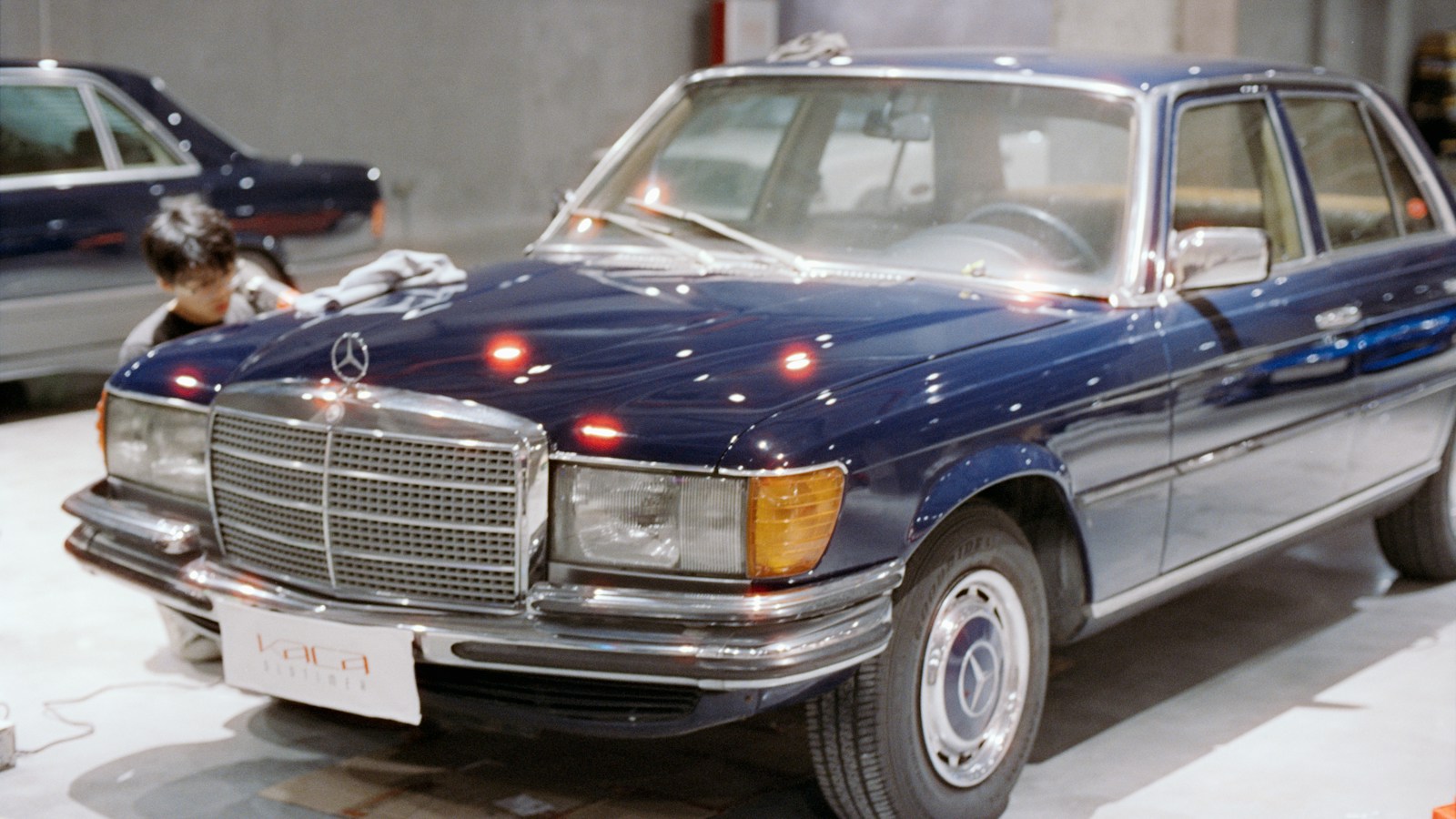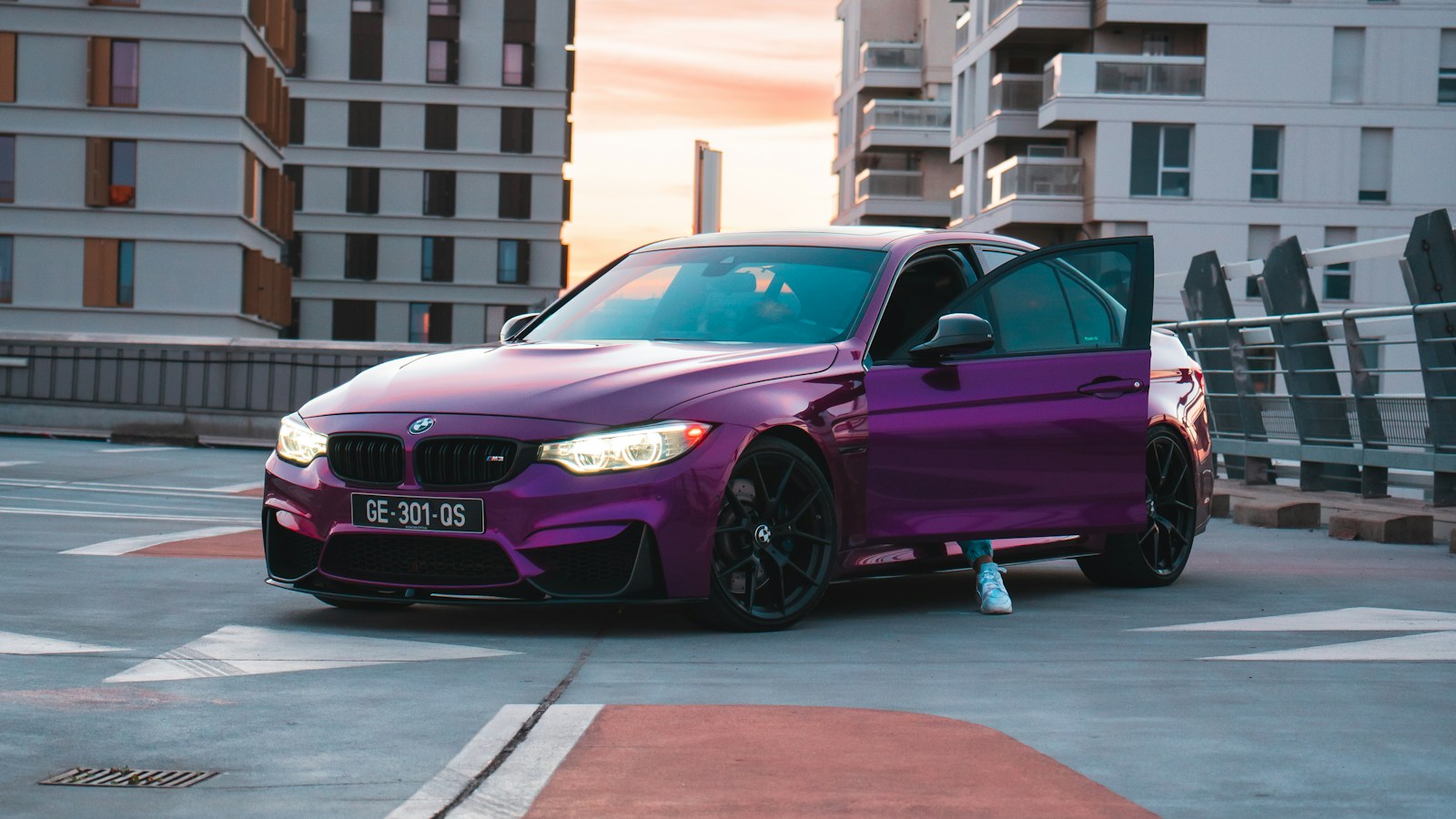
Investing in a certified automotive paint correction service is the only genuine method for restoring true optical clarity. mirror gloss. And deep reflection to dull automotive bodywork. Automated tunnel washes. improper sponge washing. road debris. And harsh weather create millions of tiny scratches. cobweb spiderwebbing. And swirl marks across clear coat finishes. A precision machine paint correction eliminates these defects permanently by leveling the clear coat surface at a tiny scale.
An automotive paint correction service is a precision mechanical restoration using dual-action and rotary polishing machines with diminishing micro-abrasives to level clear coat imperfections, permanently eliminating swirl marks, buffer holograms, bird etchings, and light scratches to restore true optical depth and mirror gloss.
Table of Contents.
- The Fundamentals of Clear Coat Levelling.
- Identifying Common Clear Coat Defects and marks.
- Dual-Action vs Rotary Polisher Machinery and Pad Chemistry.
- Paint Correction Stages: Single vs Multi-Stage Restoration.
- The Professional Paint Correction Workflow.
- People Also Ask About Paint Correction Services.
- Frequently Asked Questions.
- Conclusion and Preserving Mirror Paintwork.
The Fundamentals of Clear Coat Levelling.
Many motorists confuse simple waxing or polishing with an this specialised procedure. Retail waxes and glazes contain silicone oils and fillers that temporarily conceal scratches by settling inside the valleys of swirl marks. However. after three or four rain showers or washes. these fillers wash away. exposing the damaged clear coat once again.
In contrast. genuine paint correction physically levels the clear coat around each scratch until the surface is uniform and smooth. Modern factory vehicle finishes consist of an electro-coat primer. a colour basecoat. And a transparent protective topcoat called the clear coat. typically measuring between 35 and 50 microns in thickness. Skilled detailers use digital paint depth gauges to measure clear coat thickness before carefully leveling away only 1 to 3 microns to eliminate defects while preserving paint integrity for decades to come.
To achieve flawless results without burning through thin panel edges or plastic bumpers. car owners rely on professional paint correction services to assess clear coat hardness and apply the optimal pad and compound combination.
Identifying Common Clear Coat Defects and marks.
Automotive clear coats are vulnerable to various forms of physical and chemical degradation that require an automotive paint correction service to resolve:
Swirl marks are circular micro-scratches caused by improper washing techniques. automatic car wash brushes. And dirty sponges. When light hits these tiny scratches. it scatters unevenly. creating a hazy. dull appearance across panel curves.
Bird dropping and bug splatter etchings occur when uric acid and insect fluids bake under intense summer sun. corroding the clear coat chemically. Buffer holograms and trails are erratic marring caused by inexperienced operators using rotary polishers with dirty wool pads. Water spot scale happens when hard tap water or acid rain evaporates. leaving mineral deposits that etch into the clear coat resin.
Dual-Action vs Rotary Polisher Machinery and Pad Chemistry.
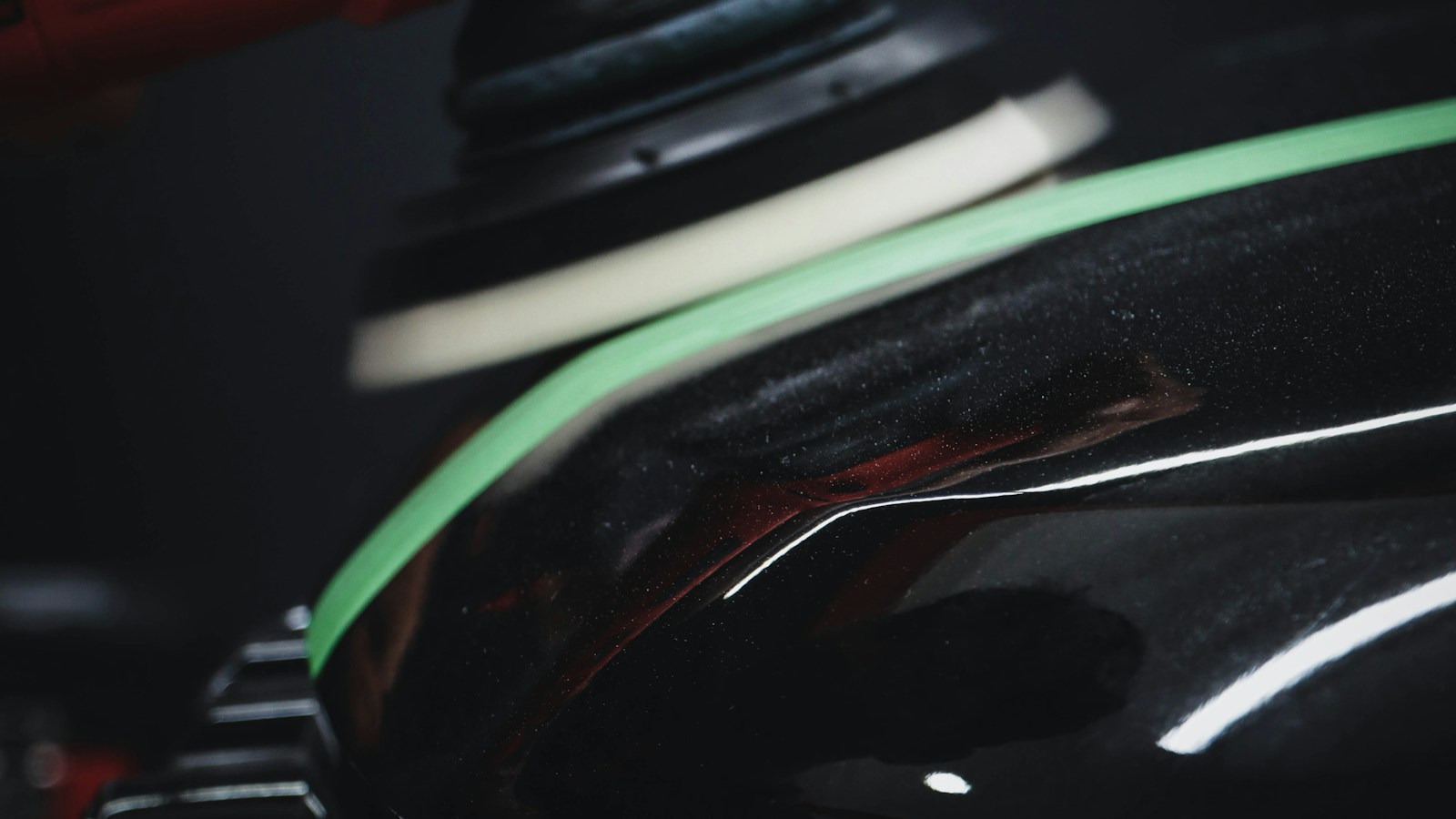
Executing a flawless this specialised procedure requires mastery of modern machine polishers. foam pads. And fine abrasive compounds. Rotary machines spin on a single fixed axis. delivering rapid cutting power ideal for leveling heavy sanding marks and deep scratches. However. rotary polishers generate high surface heat and can produce buffer trails if not handled by a master detailer.
Dual-action (DA) orbital polishers combine spinning rotation with an eccentric oscillating orbit. This dual movement replicates hand polishing at thousands of oscillations per minute. dispersing heat evenly and preventing clear coat burn-through. Paired with microfibre cutting pads or open-cell reticulated foam pads and fine aluminum oxide abrasives. DA polishers eliminate defects while finishing to a hologram-free mirror gloss.
Paint Correction Stages: Single vs Multi-Stage Restoration.
Review the primary stages of an automotive paint correction service to determine the right level of restoration for your vehicle:
| Correction limit. | Stage 1: Enhancement Polish. | Stage 2: Multi-Stage Correction. | Stage 3: Concours Full Restoration. |
|---|---|---|---|
| Defect Removal Rate. | 50% to 65% of swirls removed. | 80% to 90% of swirls & scratches. | 95% to 99% near-flawless finish. |
| Machinery & Pass Cycles. | Single finishing pass with DA. | Heavy cutting pass + finishing polish. | Spot wet sanding + cut + polish + jewel. |
| Clear Coat Removal. | Under 1 micron. | 1.5 to 2.5 microns. | 2.5 to 4.0 microns. |
| Recommended For. | New cars. lease returns. minor haze. | Daily drivers with noticeable swirls. | Show cars. buyers. vintage classics. |
| Recommended Protection. | Polymer sealant or 1-year coat. | 3 to 5-year ceramic coating. | Self-healing PPF + ceramic coating. |
| Average Service Duration. | 4 to 6 hours. | 8 to 14 hours. | 18 to 30+ hours dedicated craftsmanship. |
The Professional Paint Correction Workflow.
Our detailers execute an exacting 7-step engineering protocol when performing an automotive paint correction service:
- Multi-Stage cleaning Wash: Strip road tar. iron fallout. And road film. followed by clay bar treatment to ensure panels are surgically clean.
- Paint Depth Gauge Inspection: Measure total paint thickness in multiple points across every steel and aluminum panel to identify thin or previously repainted sections.
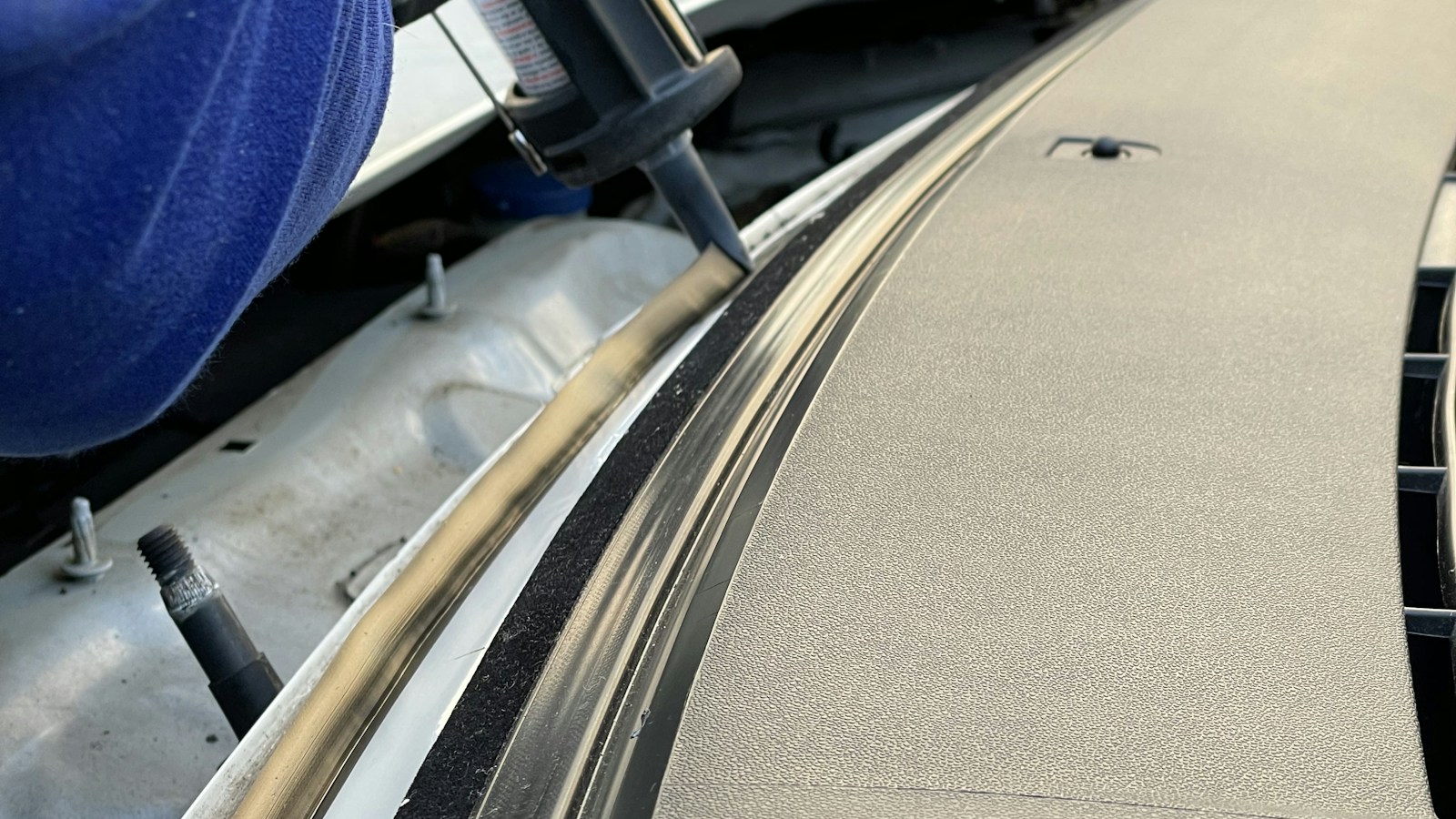
- Masking Delicate Components: Tape rubber window seals. unpainted plastic moldings. badges. And sharp panel edges with low-tack masking tape.
- Test Spot mixture: Conduct test passes on a 50cm x 50cm test section to determine the least aggressive pad and compound combination that achieves the desired defect removal.
- Heavy Defect Compounding: Run initial cutting passes using dual-action polishers to level swirl marks. etching. And scratches.
- Refining and Jewelling Polish: Transition to soft finishing pads and ultra-fine polishes to remove tiny haze and maximize gloss.
- IPA Surface Wipe-Down: Wipe all panels with isopropyl alcohol (IPA) panels to dissolve polishing oils. verifying the true finish before applying ceramic protection.
People Also Ask About Paint Correction Services.
Will paint correction remove all scratches from my car?
Paint correction removes scratches that remain within the clear coat layer. If a scratch has penetrated through the clear coat into the coloured basecoat or primer (often identified if your fingernail catches in the groove). machine polishing can round the edges to reduce visibility. But complete repair requires touch-up paint or panel respraying.
How long do the results of paint correction last?
Because paint correction permanently removes clear coat defects rather than filling them. results last indefinitely provided you maintain the car using proper two-bucket washing techniques and apply a durable ceramic coating or sealant barrier.
Can paint correction be performed on brand new vehicles?
Yes. Brand new vehicles frequently arrive from dealerships with transport fallout. rail dust. And swirl marks caused by dealership wash bays. A single-stage paint enhancement ensures the clear coat is flawless before locking in protection with ceramic coating.
Frequently Asked Questions.
What is the difference between car polishing and paint correction?
Car polishing is a broad term that often includes applying all-in-one waxes or glazes by hand to enhance shine temporarily. Paint correction is a multi-hour precision moving procedure that permanently levels the clear coat using machine polishers and measured abrasives.
Does paint correction make clear coat dangerously thin?
No. when performed by certified professionals. Modern paint correction removes only 1 to 2 microns of clear coat out of the 35 to 50 microns available. leaving ample thickness for UV protection and future maintenance.
Should I apply ceramic coating after paint correction?
Yes. absolutely. Once paint correction restores a flawless clear coat. applying a ceramic coating locks in the mirror finish. adds scratch resistance. And shields bare paint from UV fading and chemical etching for years to come.
Can mobile detailers perform paint correction outdoors?
Professional mobile detailers can perform single-stage enhancement outdoors under heavy-duty gazebos. However. multi-stage paint correction and ceramic coating application are best completed inside an enclosed garage or controlled bay to prevent dust settling on wet polishing panels.
How can I avoid introducing swirls after paint correction?
Avoid automated tunnel car washes entirely. Wash your car by hand using plush microfibre wash mitts. the two-bucket method with grit guards. pH-neutral car shampoos. And dry using twist-loop microfibre drying towels or warm air blowers.
Professional detailers also consult Standards Australia paint gloss testing standards to guarantee high technical standards.
Professional detailers also consult Safe Work Australia equipment safety guidelines to guarantee high technical standards.
Clear Coat Microstructure: polymer Cross-Linking and Paint Hardness.
Automotive paint finishes consist of multiple engineered layers: an electrocoat anti-rust primer. a colour basecoat. And an outer transparent clear coat. The clear coat is typically an acrylic or polymer enamel cured with isocyanate cross-linkers. designed to protect the coloured basecoat from UV radiation and outdoor attack.
Paint hardness varies dramatically between automotive manufacturers. German vehicles (such as BMW. Mercedes-Benz. And Audi) frequently employ dense. nano-particle clear coats that are exceptionally hard and scratch-resistant. requiring aggressive microfibre cutting discs and dense abrasive compounds to correct. In contrast. Japanese manufacturers (such as Subaru. Mazda. And Honda) often feature softer. thinner clear coats that require gentle foam pads and fine polishes to prevent micro-marring. Detailers perform test spots on every vehicle to match pad firmness and abrasive grit to specific paint characteristics.
Pad Mechanics, Abrasive breakdown. And Heat Dissipation.
Machine paint correction relies on the precise interaction between polishing pads. abrasive particles. And rotational movement. Open-cell reticulated foam pads compress under machine load. This allows air circulation that cools panel surfaces during compounding. Microfibre pads feature thousands of vertical strands that hold abrasive particles firmly. delivering higher cutting rates on hard clear coats.
Modern fine abrasive compounds contain tiny aluminum oxide crystals that start out coarse to cut away surface swirl marks. As polishing friction and heat build across the pass. these crystals fracture into progressively finer particles. transitioning smoothly from heavy compounding to fine finishing in a single work cycle. Controlling machine speed. downward pressure. And arm movement ensures defects are eliminated without heating clear coats beyond safe limits.
Paint Depth Gauge Mapping and Panel Edge Risk Management.
Before any polishing machine touches vehicle paintwork. detailers perform systematic paint depth mapping using digital gauges. Measurements are taken at multiple points across each panel to identify factory paint variations. repainted areas. And past compounding work.
Panel edges. body style lines. And raised curves require special care. Automotive clear coat naturally flows away from sharp corners during factory baking. resulting in thinner clear coat along panel ridges. Professional detailers mask body swage lines with protective low-tack tape and reduce machine speed when working near edges. This ensures swirl marks are eliminated without risking paint burn-through.
The Fingernail Scratch Rule and Clear Coat Cross-Section Analysis.
Accurately assessing scratch depth is essential before beginning machine paint correction. Professional detailers use the industry-standard fingernail test: if your fingernail glides smoothly across a scratch without catching. the defect is contained within the clear coat and can be completely polished away.
If your fingernail catches in the groove. the scratch has penetrated through the clear coat into the basecoat or primer. Aggressively compounding a through-scratch risks burning through the remaining clear coat. Instead. master detailers carefully round the sharp edges of the scratch with fine finishing polishes. drastically reducing its light reflection and visibility while leaving factory paint thickness intact.
Pad Maintenance on the Fly and Abrasive Residue Management.
During compounding passes. polishing pads collect spent abrasive compound. clear coat residue. And airborne dust. If pads are not cleaned frequently. this dried debris clumps into hard particles. creating pig-tail micro-marring across the paintwork.
Detailers practice pad cleaning on the fly after every working section. Using compressed air nozzles or dedicated pad conditioning brushes. technicians purge spent polish and fluffed foam fibers in seconds. Swapping to fresh. cool pads every two to three panels prevents pad overheating. This ensures even cutting power and a defect-free finish on every panel.
Dual-Action Orbit Throw Selection: 15mm vs 21mm vs 75mm Mini Polishers.
Achieving rapid. swirl-free paint correction requires matching the orbital polisher throw to panel geometry. Large dual-action polishers with a 15mm or 21mm orbit cover large. flat surfaces. such as bonnets. roofs. And door panels. quickly. providing high pad speed and smooth defect removal.
However. modern vehicle designs feature complex curves. narrow pillars. bumper air intakes. And recessed license plate surrounds where large pads cannot lay flat. For these tight areas. detailers use compact 75mm (3-inch) mini dual-action polishers or precision rotary extension shafts. These smaller machines maintain pad contact across narrow contours. eliminating swirl marks evenly across every curve of your vehicle.
The Ethics of Clear Coat care vs Flawless Chasing.
A master detailer always balances scratch removal with long-term paint care. Automotive clear coats are thin. And clear coat resins contain UV blockers that protect the basecoat from fading in the sun. Aggressively compounding away 100% of deep scratches can deplete clear coat thickness dangerously. leaving paint vulnerable to future failure.
Ethical detailers aim for 85% to 90% defect removal on daily driven vehicles. eliminating all fine swirl marks. haze. And light scratches while preserving ample clear coat for years of future protection. Deeper scratches are rounded and softened rather than chased down to the basecoat. This ensures your vehicle looks stunning while keeping factory paint intact.
Surface Temperature Management and Clear Coat Thermal Safety.
Friction between the polishing pad and vehicle clear coat generates localized heat. While moderate heat helps diminish abrasive particles. excessive surface weather can cause clear coats to soften. twist. Or burn through to the colour basecoat.
Certified detailers control panel weather by using modern dual-action orbital polishers that dissipate heat across random orbits. Technicians use short. measured cross-hatch passes and monitor panel heat with digital infrared pyrometers. Maintaining surface weather below 50 degrees Celsius ensures paint defects are permanently removed without compromising clear coat frame stability.
Work with care. Take your time. Clean cars look great. Pros love this work. You win on every drive. Fast work brings peace of mind. Take pride in your ride. Park in the cool shade. Clean details bring true joy on every road trip. Drive safe on dirt roads. Love your car every day. Clean surfaces last for years. Safe care brings peace of mind. Keep your car clean. Wipe panels with soft cloths. Use mild soap. Pat dry with clean towels. Fast work brings joy. You win on every trip.
Good car care is easy. Clean seams once a month. Use a soft brush. Lift dirt out of corners with care. Wipe away road film with mild soap. Clean trim stays smooth in winter and summer. Clean surfaces never trap grit or dampness. You enjoy true luxury on every country mile. Clean cars stay fresh. Dirt runs away fast. Look after your pride and joy.
Drive safe on country roads. Love your car every day. Clean cars last for years. Safe care brings peace of mind. Look after your car with pride. Good habits pay off big. Smart drivers clean cars with pride.
Wash your car often. Clean wheels look sharp. Use soft wash mitts. Dry panels with soft cloths. Keep dust off dash trims. Drive safe on sunny roads. Fresh seats feel soft. Clean paint shines bright. Good habits pay off big. Park in the shade. Smart drivers love clean cars. Fast work brings joy. You win on every trip. Take pride in your ride. Clean cars stay timeless. Shine bright on every drive. Great cars look fresh for years. Safe drivers smile on every road trip. Love your ride each day. Keep cars clean. Use mild soap. Pat dry with soft towels. Pure joy on every road trip. Wash panels in shade. Work with pride.
Take time to clean your car well. Soft cloths wipe away grime fast. Mild soap leaves paint slick and bright. Clean glass gives a clear view of the road ahead. Fresh seats make long drives fun for the whole family. Smart drivers treat their cars with respect. Great maintenance keeps your vehicle running strong. Enjoy every drive with confidence and peace of mind.
Conclusion and Preserving Mirror Paintwork.
Choosing an automotive paint correction service is the ultimate investment for keen drivers who want to eliminate unsightly swirl marks and restore dazzling showroom reflections. By precisely leveling tiny clear coat defects. certified paint correction unlocks the full depth. clarity. And richness of your vehicle's paintwork. Contact our paint correction specialists today to book a comprehensive paint evaluation and transformation.
Looking for Professional Car Detailing in Armidale?
Detailing Mates delivers 5-star mobile automotive detailing, paint restoration, and protection across Armidale NSW. Explore our dedicated service packages:
- Ceramic Coating Armidale – 10H graphene quartz paint protection with years of durability
- Paint Correction Armidale – Precision multi-stage swirl mark and scratch removal
- Car Steam Cleaning Armidale – High-temp interior extraction, sanitisation & stain removal
- Full Car Detailing Packages – Comprehensive mobile interior & exterior transformations
Book Your Armidale Detailing Service Online or visit our workshop at 95 Rusden St, Armidale NSW 2350.