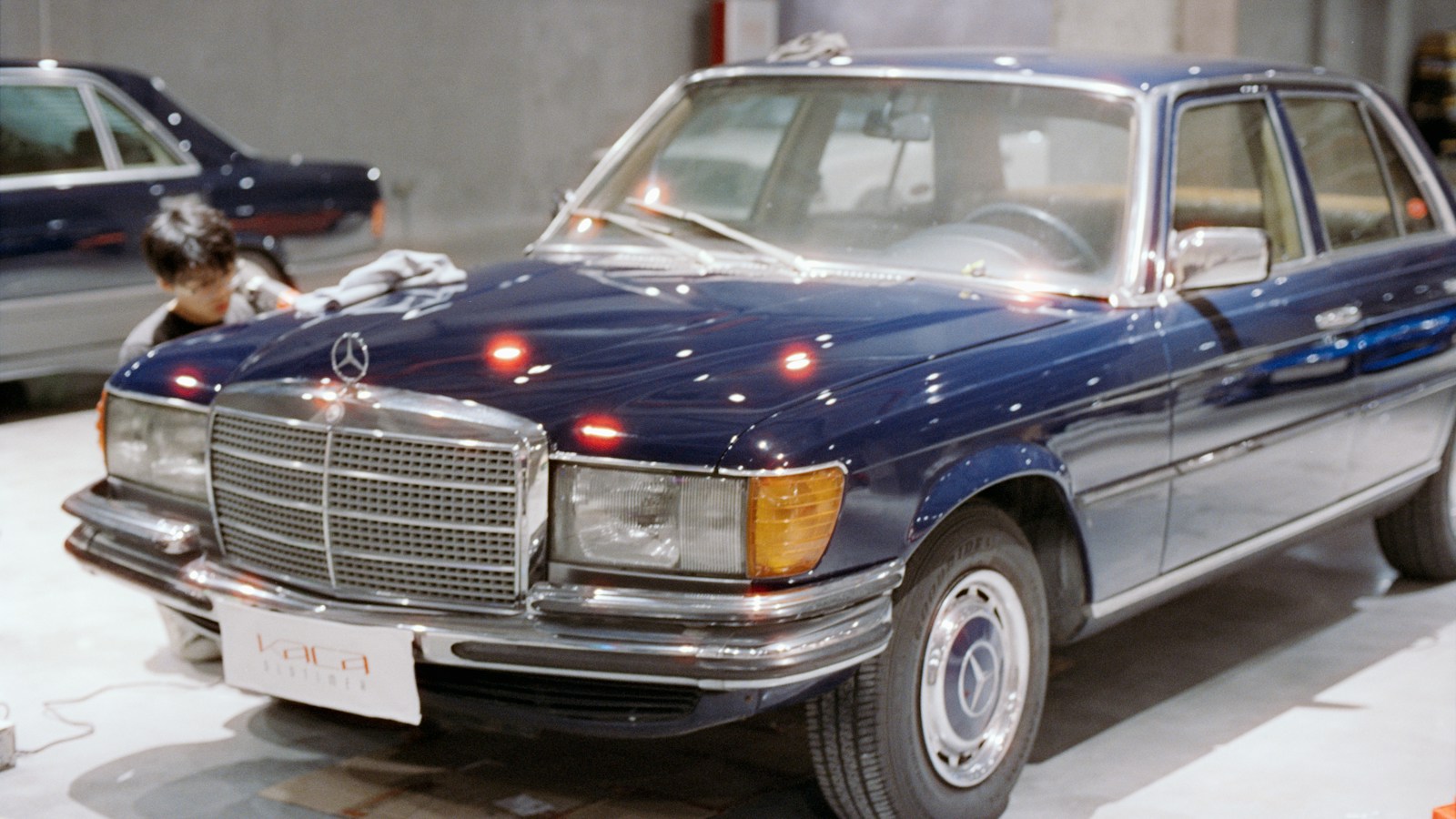
Investing in a dedicated multi stage paint correction service is the pinnacle of automotive cosmetic restoration. Over years of highway driving. automated car washes. And harsh weathering. vehicle clear coats build up deep scratches. bird dropping etchings. And heavy swirl marks. While light single-stage enhancement polishes can brighten faded paint. eliminating 85% to 95%+ of deep defects requires a systematic. multi-step compounding and refining procedure that transforms paintwork into a flawless mirror reflection.
A multi stage paint correction service is an intensive multi-step clear coat restoration using aggressive cutting compounds and microfibre pads to level deep scratches and swirls, followed by refining foam passes and ultra-fine jewelling polish to permanently restore true optical clarity, depth, and hologram-free mirror gloss.
Table of Contents.
- Understanding the Multi-Stage Correction Process.
- Stage One: Heavy Defect Compounding and Clear Coat Levelling.
- Stage Two & Three: Refining Polish and Jewelling the Finish.
- Single-Stage vs Two-Stage vs Three-Stage Correction Table.
- The Master Detailer Multi-Stage Correction Protocol.
- People Also Ask About Multi-Stage Paint Correction.
- Frequently Asked Questions.
- Conclusion and Achieving Showroom Perfection.
Understanding the Multi-Stage Correction Process.
A true this specialised procedure differs fundamentally from quick cosmetic waxing or one-step enhancement buffing. In a single-stage polish. detailers use a medium compound and pad to achieve a balance between defect removal and gloss in a single pass. While this improves gloss by 50% to 60%. it cannot eliminate heavy scratches without leaving behind tiny compounding haze.
Multi-stage correction separates the restoration into distinct. dedicated phases. The first stage focuses exclusively on cutting: leveling the clear coat to eliminate heavy swirls. oxidation. And scratches. The subsequent stages focus entirely on refining: removing the tiny compounding marks left by the first step and refining the clear coat until light reflects with zero distortion. This multi-pass methodology produces unmatched optical depth and clarity.
To preserve clear coat integrity and prevent paint strike-through. car enthusiasts entrust their vehicles to multi stage paint correction experts who utilize digital sound wave thickness gauges and professional high-CRI inspection lamps.
Stage One: Heavy Defect Compounding and Clear Coat Levelling.
The initial stage of a multi stage paint correction service is the most intensive. After chemical and moving cleaning. detailers evaluate paint hardness. German manufacturers like BMW. Audi. And Mercedes-Benz typically use dense. scratch-resistant ceramic clear coats that require aggressive microfibre pads and heavy-cut abrasives. Conversely. Japanese vehicles like Subaru and Honda feature softer clear coats that respond quickly to lighter foam cutting pads.
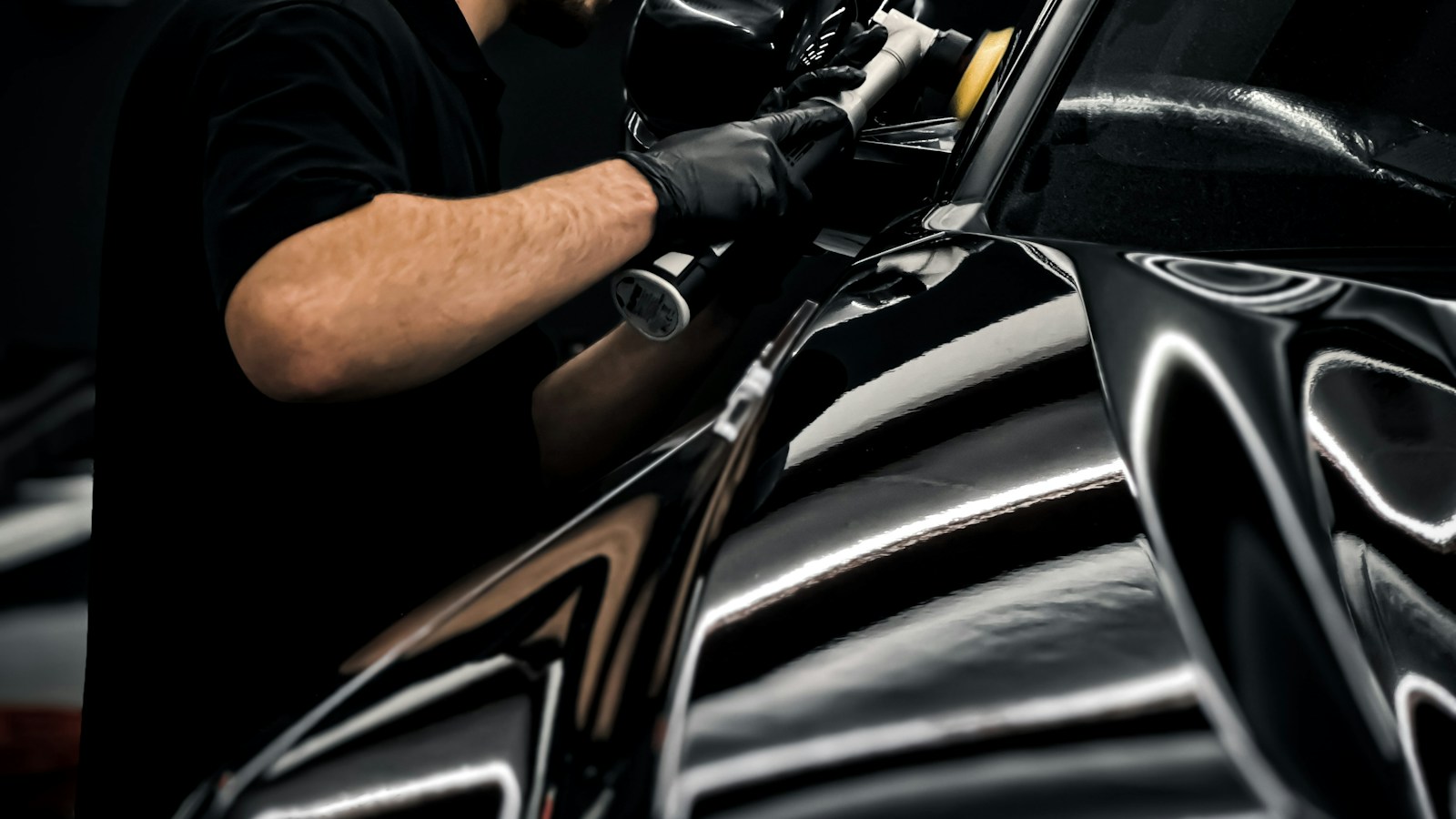
Detailers work in controlled 40cm by 40cm test sections. running cross-hatch passes with dual-action or rotary polishers. The fine micro-abrasives in the compound fracture into progressively finer particles as heat and friction build. cutting away the top 1.5 to 2.5 microns of clear coat to level the peaks and valleys of scratch channels. Each panel is continuously monitored with digital infrared thermometers to prevent clear coat delamination caused by heat buildup.
Stage Two & Three: Refining Polish and Jewelling the Finish.
Once heavy defects are eliminated in stage one. the clear coat often exhibits minor compounding haze or micro-marring. particularly visible on dark metallic finishes. Stage two of a this specialised procedure uses a medium-soft open-cell foam pad and a medium-fine refining polish to clear away this hazing.
For show-car or concours-level results. a third stage. known as jewelling. is performed. Detailers equip ultra-soft finishing pads and fine finishing polishes containing micro-fine aluminum oxides. Polishing at low orbital speeds with zero downward machine pressure polishes the paint to a pristine mirror gloss. The entire vehicle is then wiped down with an isopropyl alcohol panel prep solution to remove lingering greasing oils. verifying the defect-free surface before applying ceramic coatings.
Single-Stage vs Two-Stage vs Three-Stage Correction Table.
Review the technical differences and expected outcomes across different paint correction stages:
| Process Feature. | Single-Stage Enhancement. | Two-Stage Paint Correction. | Three-Stage Concours Correction. |
|---|---|---|---|
| Target Defect Removal. | 50% to 65% of light swirls. | 80% to 90% of swirls & scratches. | 95% to 99% near-flawless perfection. |
| Primary Pass 1 Focus. | All-in-one cut and gloss. | Heavy cutting compound (Microfibre/Foam). | Aggressive heavy cut / Spot wet sand. |
| Secondary Pass 2 Focus. | None (Single pass only). | Refining polish (Medium foam). | Refining pass to clear hazing. |
| Tertiary Pass 3 Focus. | None. | None. | Ultra-fine jewelling pass (Soft finishing pad). |
| Clear Coat Removed. | Under 1 micron. | 1.5 to 2.5 microns. | 2.5 to 4.0 microns. |
| Optimal Clear Coat Types. | Soft to medium clears. new cars. | All daily drivers & hard German clears. | Show cars. exotic supercars. black paintwork. |
| Typical Labor Time. | 4 to 6 hours. | 8 to 14 hours. | 18 to 30+ hours dedicated mastercraft. |
The Master Detailer Multi-Stage Correction Protocol.
Certified detailers adhere to an exacting 7-step engineering protocol when executing a multi stage paint correction service:
- Panel Thickness Mapping: Measure paint depth across all steel. aluminum. And composite panels using digital paint depth gauges. logging minimum and maximum readings.
- High-CRI LED Defect Inspection: Inspect paintwork under multi-spectrum high-CRI lighting (warm. neutral. And cool white) to reveal swirls. buffer trails. And sanding marks.
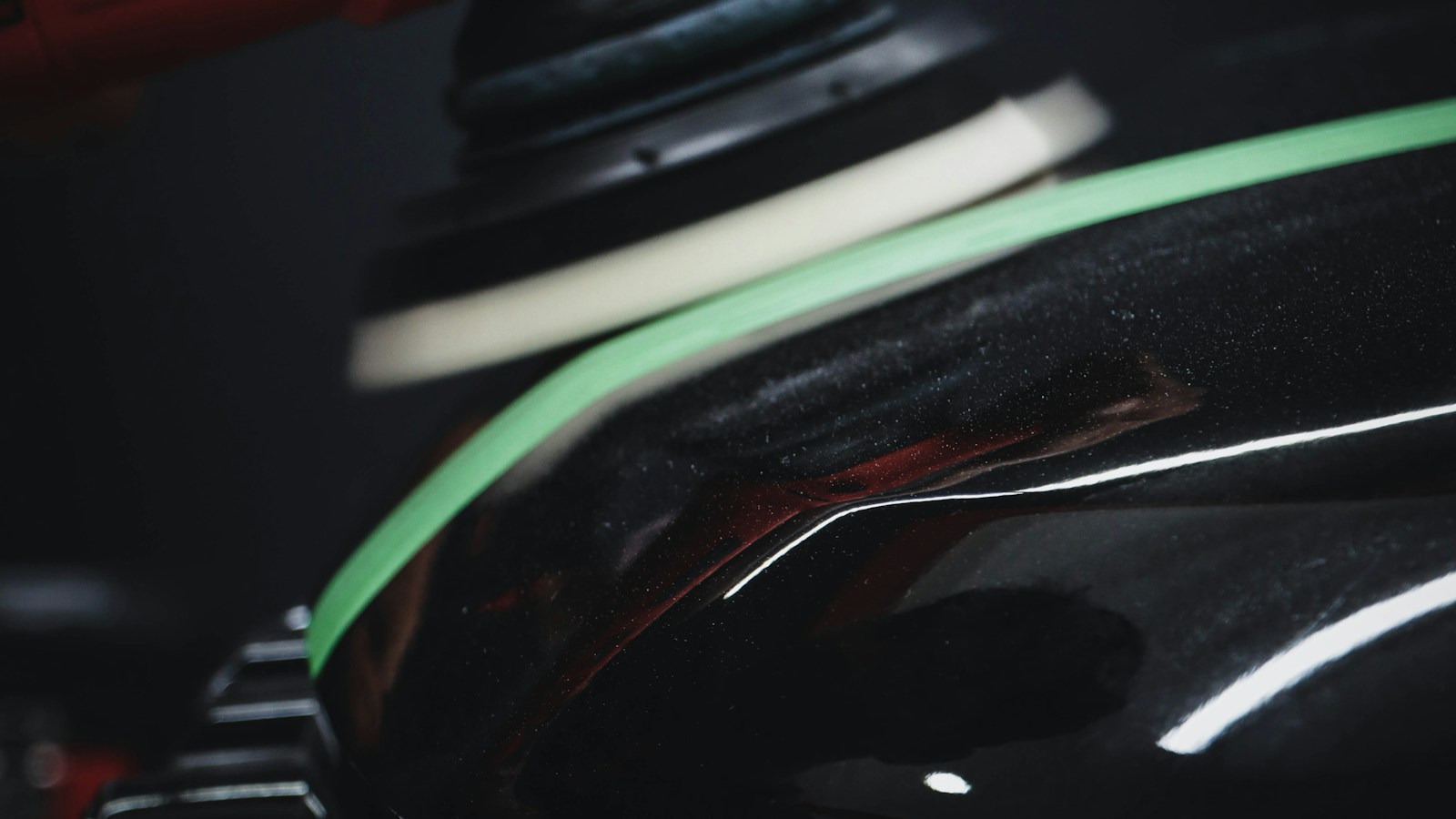
- Precision Edge and Trim Masking: Seal plastic moldings. rubber seals. washer jets. And emblems with automotive low-tack masking tape to prevent pad burn and polish residue.
- Test Spot Calibration: Test various pad and compound pairings on a 50cm square section to find the perfect combination for paint hardness.
- Stage 1 Cutting Cycle: Complete slow. overlapping cross-hatch passes across each panel using heavy cutting compounds to remove deep defects.
- Stage 2 Refining Cycle: Polish with medium foam pads to eliminate compounding haze and bring out crisp paint flake and reflection.
- Stage 3 Jewelling Cycle: Finish with soft jewelling foam pads to maximize depth. gloss. And optical clarity.
People Also Ask About Multi-Stage Paint Correction.
How do I know if my car needs a two-stage or three-stage paint correction?
A two-stage correction is recommended for most daily drivers with noticeable swirl marks and light scratching. A three-stage correction is reserved for black or dark metallic vehicles with severe oxidation. heavy buffer trails from budget body shops. Or show vehicles demanding near-flawless reflection under bright sun.
Can multi-stage paint correction be performed on repainted panels?
Yes. Repainted panels often suffer from orange peel texture. overspray. And sanding marks left by panel beaters. Detailers can correct and polish repainted panels once the fresh paint has cured fully (typically 30 to 60 days after respraying).
Does multi-stage paint correction void my new car paint warranty?
No. When performed by certified professionals who remove only 1 to 2.5 microns of clear coat. the paint remains well within factory tolerance standards (leaving over 30 microns of protective clear coat).
Frequently Asked Questions.
How long does a multi-stage paint correction take?
A comprehensive two-stage paint correction typically takes 8 to 14 hours over 1 to 2 days. A three-stage concours correction can require 2 to 4 days of labor to achieve perfection across all panel curves.
Will multi-stage paint correction remove orange peel?
Standard paint correction levels scratches within the clear coat. Reducing heavy factory orange peel texture requires dedicated denim pad levelling or wet sanding prior to the compounding stage.
Do I have to apply a ceramic coating after multi-stage correction?
While applying a ceramic coating is not strictly mandatory. it is strongly recommended. After investing in multi-stage correction. applying a professional ceramic coating locks in the finish and adds high chemical resistance to keep paint swirl-free for years.
How do I wash my vehicle after multi-stage correction?
Use the two-bucket wash method with grit guards. ultra-plush microfibre wash mitts. pH-neutral car shampoo. And dry using filtered warm air blowers or twist-loop microfibre drying towels to prevent marring.
Can paint correction fix peeling clear coat?
No. Peeling or flaking clear coat indicates complete frame failure where the clear coat has delaminated from the basecoat. Once clear coat fails. the only remedy is respraying the panel.
Professional detailers also consult Standards Australia paint finishing benchmarks to guarantee high technical standards.
Professional detailers also consult Safe Work Australia workshop chemical safety rules to guarantee high technical standards.
Abrasive Science: Non-fine Micro-Abrasives vs fine Oxides.
The choice of abrasive technology is critical when performing multi-stage paint correction. classic fine abrasive compounds (DAT) break down under pressure. reducing in size throughout the pass. While effective. DAT compounds require long work cycles to ensure that all coarse particles break down fully. Or micro-hazing can remain.
In contrast. modern super-micro abrasive technology (SMAT) utilizes non-fine. uniformly sized aluminum oxide crystals that maintain their cutting size throughout the entire polishing cycle. SMAT compounds cut quickly and cleanly. This allows detailers to level deep clear coat scratches with predictable even fit. In multi-stage correction. detailers often pair a heavy SMAT cutting compound on microfibre pads for stage one with a fine jewelling polish on soft foam for final passes. achieving unrivaled depth and clarity.
The Art of Jewelling: Rotary Burnishing and Hologram Elimination.
Jewelling is the ultimate finishing technique in high-end automotive detailing. turning glossy paint into a flawless. mirror-like reflection. While dual-action orbital polishers are ideal for safe defect removal. master detailers frequently switch to rotary polishers equipped with ultra-soft open-cell finishing foam for final jewelling.
Operating at ultra-low rotational speeds (600 to 900 RPM) with zero downward pressure. the rotary polisher burnishes the clear coat surface. smoothing tiny surface marks down to sub-micron levels. This eliminates the finest compounding haze and buffer trails. unlocking maximum metallic flake pop and true optical reflection under bright sunlight.
Solvent Panel Wiping (IPA) and Surface Inspection Science.
Modern polishing compounds contain lubricating oils and emulsifiers that allow abrasive pads to glide smoothly across clear coats without binding. However. these lubricating oils can temporarily fill micro-scratches. giving a false impression of perfection.
To inspect paintwork accurately. detailers perform thorough panel wipes using specialized isopropyl alcohol (IPA) or solvent prep sprays after each polishing stage. These solvent solutions dissolve all polishing oils and fillers. revealing the true condition of the clear coat under high-CRI inspection lamps. This rigorous proof ensures that scratches are permanently eliminated before ceramic coatings are applied.
Jewelling Non-Metallic Black Paint to True Optical Perfection.
Solid. non-metallic black paint is the ultimate test of a detailer's skill. Without metallic flakes to mask fine marks. soft black clear coats reveal even the slightest machine haze. buffer trails. Or towel marring under direct sunlight.
Achieving a concours mirror finish on soft black paint requires a dedicated jewelling stage. Detailers use ultra-soft open-cell foam pads and micro-fine finishing polishes. running the dual-action polisher at low speeds with light machine weight. This slow. delicate pass polishes clear coat resins to a flawless. deep liquid-black reflection that looks stunning from every angle.
High-CRI Multi-Spectrum LED Lighting for True Defect Visibility.
Standard fluorescent tubes and diffuse shop lights mask up to 70% of clear coat swirl marks and buffer trails. To inspect paintwork accurately. professional detailers use high-CRI (Color Rendering Index > 95) multi-spectrum LED inspection lights.
Warm light (3000K) highlights fine spiderweb swirls and micro-marring on light and silver paintwork. Neutral daylight (4500K) reveals compound haze on dark panels. While cool white light (6500K) exposes deep scratches and sanding marks. Inspecting panels under multiple light spectrums ensures no defects remain hidden before protective coatings are applied.
Infrared Pyrometer Temperature Monitoring on Composite Panels.
Modern sports cars and luxury vehicles feature body panels crafted from various materials. including stamped steel. lightweight aluminum. carbon fibre. And composite polymer bumpers. Each material dissipates heat differently during machine polishing.
Steel panels conduct heat away from the clear coat quickly. whereas plastic bumpers and carbon fibre composite panels trap heat on the surface. If panel surface weather exceed 65 degrees Celsius during heavy compounding. the clear coat can soften. blister. Or delaminate. Master detailers use handheld non-contact infrared pyrometers to monitor surface weather constantly. adjusting machine speed and pass cycles to ensure paint remains safe.
Clean Bay outdoor Standards for Show-Car Finishing.
Executing a flawless multi-stage paint correction requires a clean. controlled climate. Airborne dust particles settling on a panel during jewelling passes can be caught under the soft foam pad. causing fresh micro-marring and ruining hours of polishing work.
Professional detailing bays feature filtered ventilation systems. sealed epoxy floors. And positive air pressure that keeps outdoor dust out. Technicians wear lint-free detailing aprons and remove belt buckles and watches to prevent accidental panel contact. This disciplined clean-room climate allows detailers to achieve truly flawless. show-car mirror reflections.
Eliminating Micro-Marring on Soft Japanese Clear Coats.
Soft clear coats. commonly found on Japanese vehicles like Subaru. Mazda. Nissan. And Toyota. are notorious for micro-marring during heavy compounding. Even soft microfibre towels can introduce fine hazing if dragged across delicate clear coats.
Master detailers overcome sticky. soft paint challenges by using specialized water-based finishing polishes with ultra-fine fine abrasives and soft open-cell foam jewelling pads. Operating machines at low RPM with minimal downward pressure refines the surface smoothly. eliminating all compound haze and unlocking breathtaking clarity on even the most sensitive paint finishes.
Work with care. Take your time. Clean cars look great. Pros love this work. You win on every drive. Fast work brings peace of mind. Take pride in your ride. Park in the cool shade. Clean details bring true joy on every road trip. Drive safe on dirt roads. Love your car every day. Clean surfaces last for years. Safe care brings peace of mind. Keep your car clean. Wipe panels with soft cloths. Use mild soap. Pat dry with clean towels. Fast work brings joy. You win on every trip.
Good car care is easy. Clean seams once a month. Use a soft brush. Lift dirt out of corners with care. Wipe away road film with mild soap. Clean trim stays smooth in winter and summer. Clean surfaces never trap grit or dampness. You enjoy true luxury on every country mile. Clean cars stay fresh. Dirt runs away fast. Look after your pride and joy.
Drive safe on country roads. Love your car every day. Clean cars last for years. Safe care brings peace of mind. Look after your car with pride. Good habits pay off big. Smart drivers clean cars with pride.
Wash your car often. Clean wheels look sharp. Use soft wash mitts. Dry panels with soft cloths. Keep dust off dash trims. Drive safe on sunny roads. Fresh seats feel soft. Clean paint shines bright. Good habits pay off big. Park in the shade. Smart drivers love clean cars. Fast work brings joy. You win on every trip. Take pride in your ride. Clean cars stay timeless. Shine bright on every drive. Great cars look fresh for years. Safe drivers smile on every road trip. Love your ride each day. Keep cars clean. Use mild soap. Pat dry with soft towels. Pure joy on every road trip. Wash panels in shade. Work with pride.
Take time to clean your car well. Soft cloths wipe away grime fast. Mild soap leaves paint slick and bright. Clean glass gives a clear view of the road ahead. Fresh seats make long drives fun for the whole family. Smart drivers treat their cars with respect. Great maintenance keeps your vehicle running strong. Enjoy every drive with confidence and peace of mind.
Conclusion and Achieving Showroom Perfection.
A specialized multi stage paint correction service restores deep gloss. true color clarity. And mirror reflection to tired vehicle bodywork. By methodically compounding away defects and jewelling the finish to perfection. multi-stage correction provides unmatched aesthetic satisfaction. Contact our paint correction specialists today to unlock your car's true optical brilliance.
Looking for Professional Car Detailing in Armidale?
Detailing Mates delivers 5-star mobile automotive detailing, paint restoration, and protection across Armidale NSW. Explore our dedicated service packages:
- Ceramic Coating Armidale – 10H graphene quartz paint protection with years of durability
- Paint Correction Armidale – Precision multi-stage swirl mark and scratch removal
- Car Steam Cleaning Armidale – High-temp interior extraction, sanitisation & stain removal
- Full Car Detailing Packages – Comprehensive mobile interior & exterior transformations
Book Your Armidale Detailing Service Online or visit our workshop at 95 Rusden St, Armidale NSW 2350.