car ceramic coating works best when the service matches the vehicle’s condition, use and maintenance plan. This guide focuses on paint preparation and application for Australian drivers and avoids scratch-proof or maintenance-free promises.
car ceramic coating is a liquid-applied protection process whose outcome depends on surface preparation, controlled application, curing and safe maintenance. It can support gloss and easier cleaning, but it cannot prevent every scratch, chip, stain or water spot.
Contents
- Inspect in more than one light
- Wash without adding defects
- Remove bonded contamination
- Measure where polishing is planned
- Choose correction depth deliberately
- Remove polishing residue
- Control workshop conditions
- Apply in small sections
- Inspect from several directions
- Document application and cure
- Comparison table
- Checklist
- Common questions
Inspect in more than one light
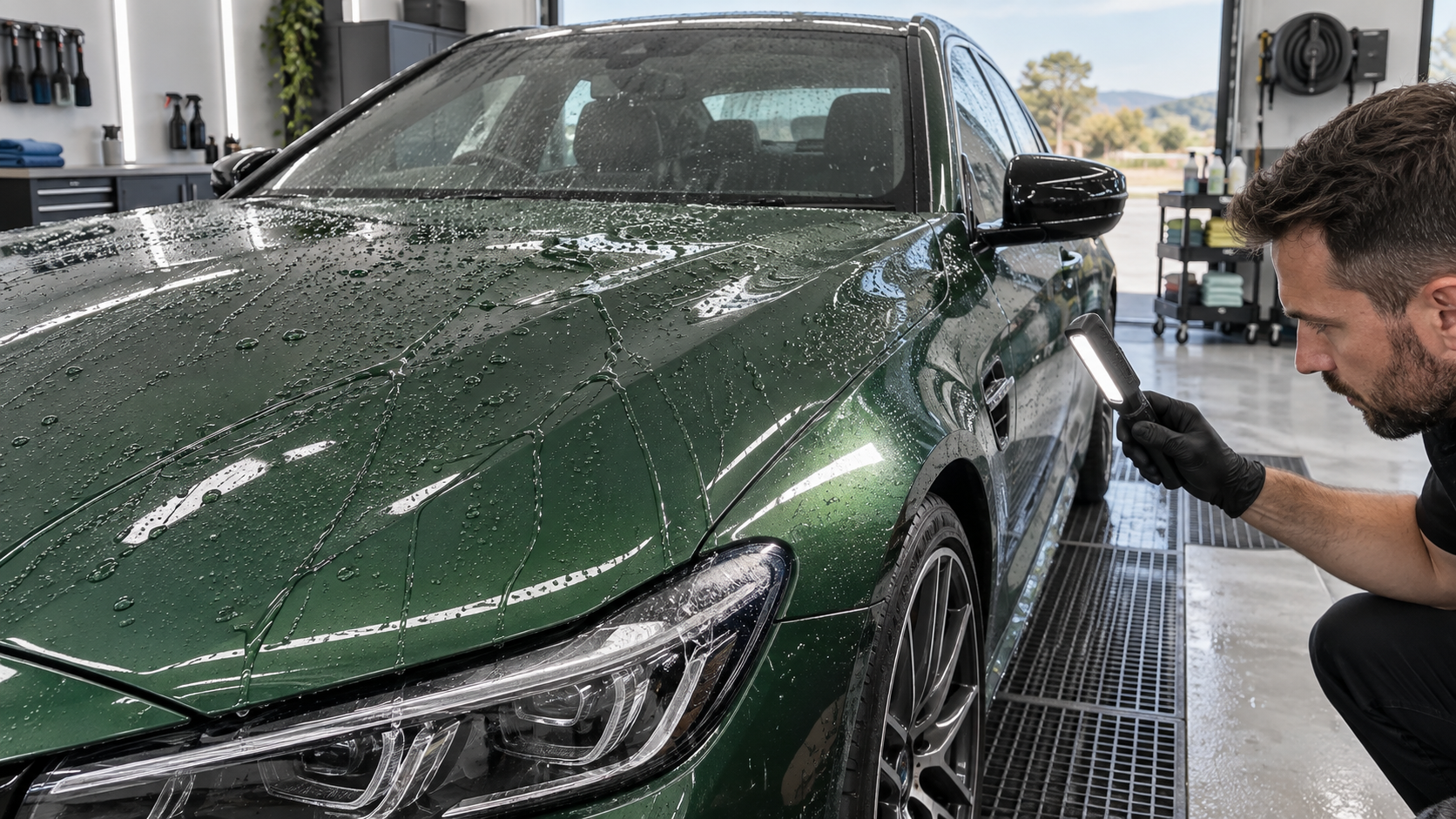
Daylight, diffuse light and inspection lamps reveal different defects. Record etching, scratches, repairs and failing clear coat before quoting correction.
First, assess this part of paint preparation and application on a clean, cool vehicle. Photograph the relevant panel, note differences between horizontal and lower surfaces, and explain why the observation changes the next step. That evidence makes the recommendation specific to this car.
A practical car ceramic coating check
Focus on inspect in more than one light under daylight and a controlled inspection light. Test the least aggressive suitable method on a small area, remove residue, and compare the result from normal standing distance. Record what improved and what remains so expectations are clear before the process continues.
Parking, annual kilometres, country-road exposure, tree cover and the owner’s wash routine can all alter the advice. A vehicle living outdoors needs faster contamination response, while a garaged vehicle may allow a different maintenance interval. Neither situation removes the need for safe washing.
Wash without adding defects
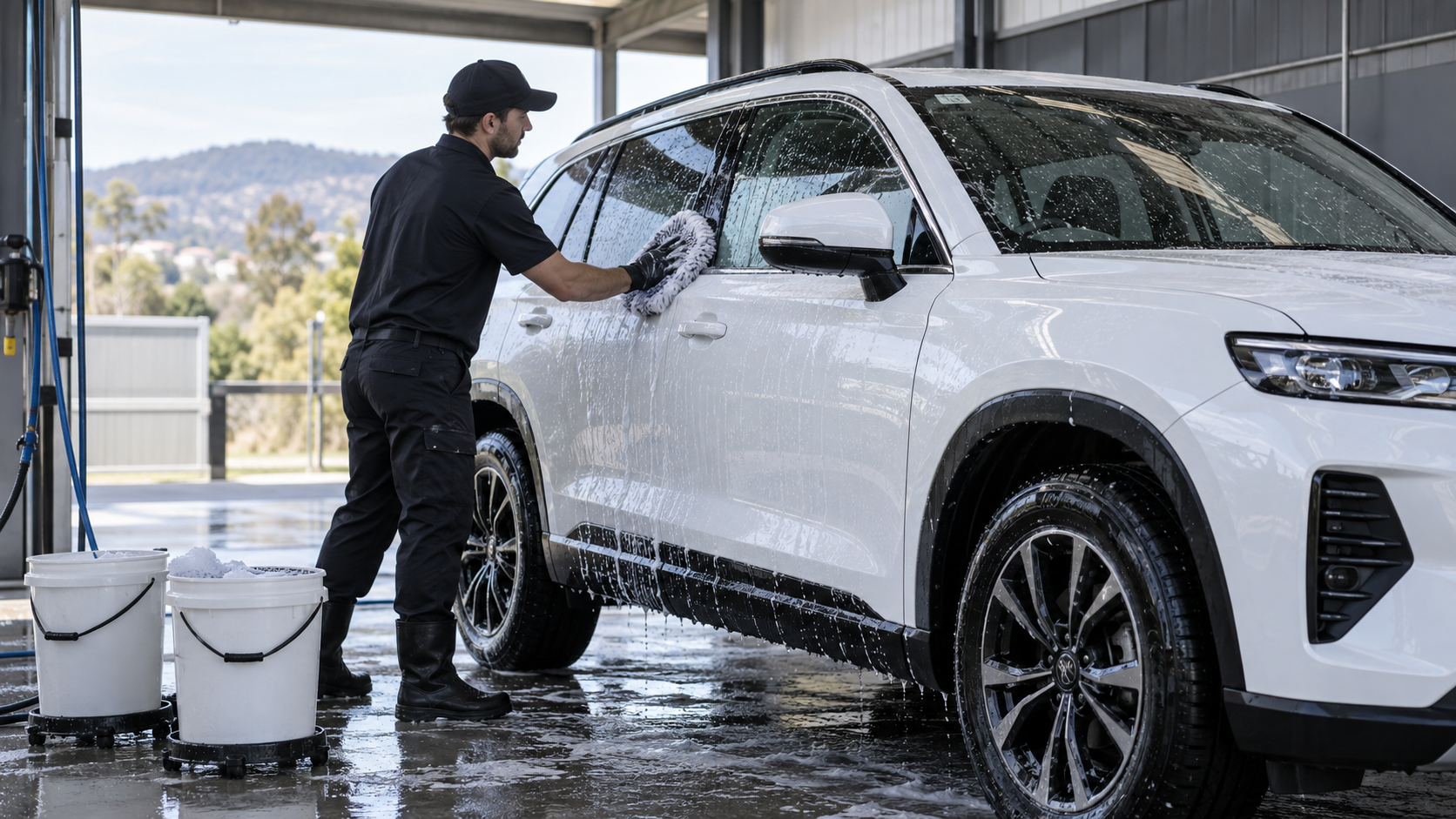
Pre-wash removes loose grime before contact. Clean mitts, separate wheel tools and careful drying reduce fresh marks.
Next, assess this part of paint preparation and application on a clean, cool vehicle. Photograph the relevant panel, note differences between horizontal and lower surfaces, and explain why the observation changes the next step. That evidence makes the recommendation specific to this car.
A practical car ceramic coating check
Focus on wash without adding defects under daylight and a controlled inspection light. Test the least aggressive suitable method on a small area, remove residue, and compare the result from normal standing distance. Record what improved and what remains so expectations are clear before the process continues.
Parking, annual kilometres, country-road exposure, tree cover and the owner’s wash routine can all alter the advice. A vehicle living outdoors needs faster contamination response, while a garaged vehicle may allow a different maintenance interval. Neither situation removes the need for safe washing.
Remove bonded contamination
Iron particles, tar and embedded road film can survive washing. Select chemical and mechanical treatment for the actual contamination.
In practice, assess this part of paint preparation and application on a clean, cool vehicle. Photograph the relevant panel, note differences between horizontal and lower surfaces, and explain why the observation changes the next step. That evidence makes the recommendation specific to this car.
A practical car ceramic coating check
Focus on remove bonded contamination under daylight and a controlled inspection light. Test the least aggressive suitable method on a small area, remove residue, and compare the result from normal standing distance. Record what improved and what remains so expectations are clear before the process continues.
Parking, annual kilometres, country-road exposure, tree cover and the owner’s wash routine can all alter the advice. A vehicle living outdoors needs faster contamination response, while a garaged vehicle may allow a different maintenance interval. Neither situation removes the need for safe washing.
Measure where polishing is planned
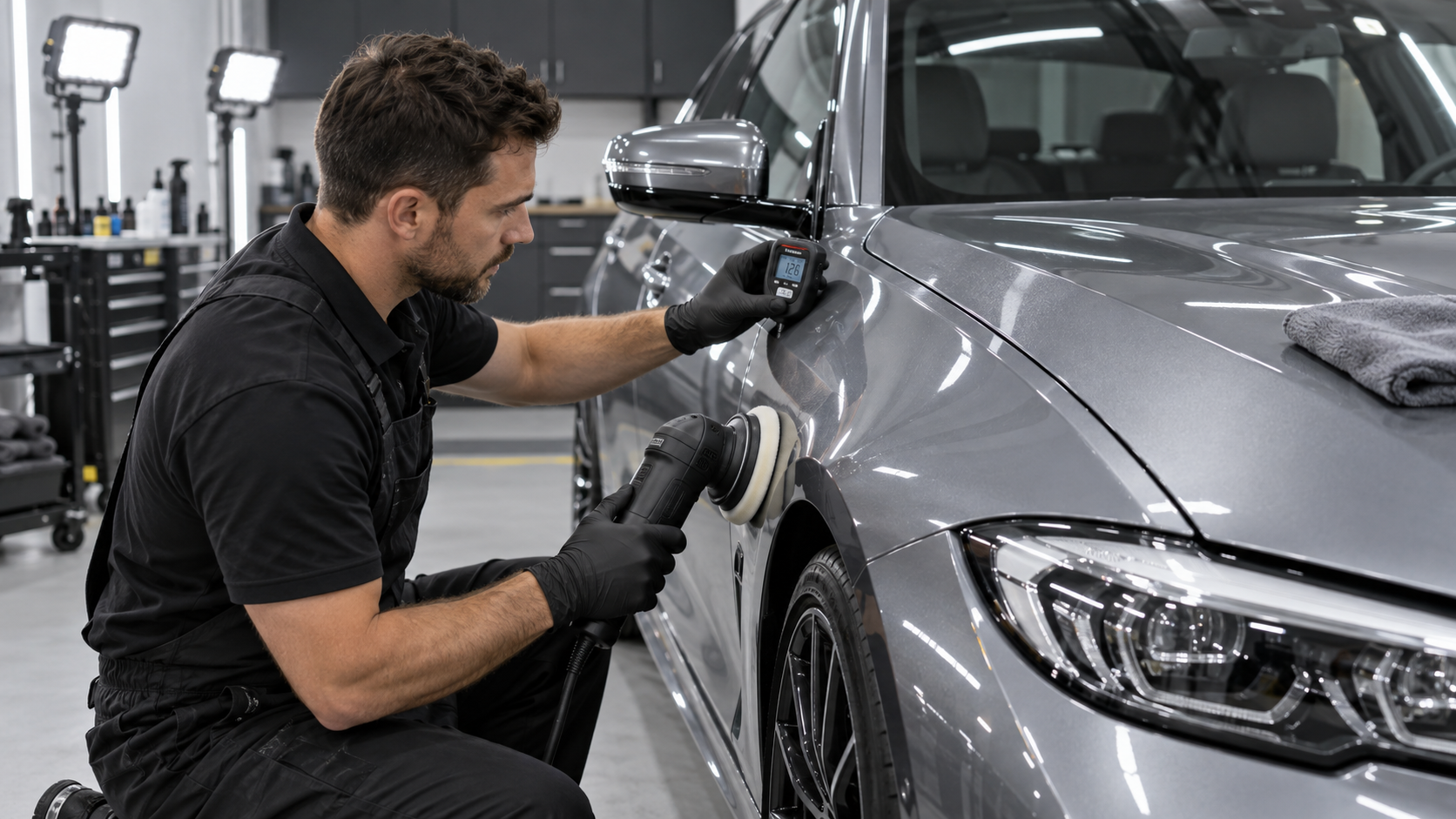
Paint readings reveal variation but not the entire repair history. Edges, repainted panels and sensitive areas need conservative judgement.
For Australian vehicles, assess this part of paint preparation and application on a clean, cool vehicle. Photograph the relevant panel, note differences between horizontal and lower surfaces, and explain why the observation changes the next step. That evidence makes the recommendation specific to this car.
A practical car ceramic coating check
Focus on measure where polishing is planned under daylight and a controlled inspection light. Test the least aggressive suitable method on a small area, remove residue, and compare the result from normal standing distance. Record what improved and what remains so expectations are clear before the process continues.
Parking, annual kilometres, country-road exposure, tree cover and the owner’s wash routine can all alter the advice. A vehicle living outdoors needs faster contamination response, while a garaged vehicle may allow a different maintenance interval. Neither situation removes the need for safe washing.
Choose correction depth deliberately
A gloss enhancement and multi-stage correction differ in time, risk and outcome. State which defects are targeted and which will remain.
Before proceeding, assess this part of paint preparation and application on a clean, cool vehicle. Photograph the relevant panel, note differences between horizontal and lower surfaces, and explain why the observation changes the next step. That evidence makes the recommendation specific to this car.
A practical car ceramic coating check
Focus on choose correction depth deliberately under daylight and a controlled inspection light. Test the least aggressive suitable method on a small area, remove residue, and compare the result from normal standing distance. Record what improved and what remains so expectations are clear before the process continues.
Parking, annual kilometres, country-road exposure, tree cover and the owner’s wash routine can all alter the advice. A vehicle living outdoors needs faster contamination response, while a garaged vehicle may allow a different maintenance interval. Neither situation removes the need for safe washing.
Remove polishing residue
Oils, haze and dust must be cleared without marring the finish. A controlled panel wipe supports coating contact.
During inspection, assess this part of paint preparation and application on a clean, cool vehicle. Photograph the relevant panel, note differences between horizontal and lower surfaces, and explain why the observation changes the next step. That evidence makes the recommendation specific to this car.
A practical car ceramic coating check
Focus on remove polishing residue under daylight and a controlled inspection light. Test the least aggressive suitable method on a small area, remove residue, and compare the result from normal standing distance. Record what improved and what remains so expectations are clear before the process continues.
Parking, annual kilometres, country-road exposure, tree cover and the owner’s wash routine can all alter the advice. A vehicle living outdoors needs faster contamination response, while a garaged vehicle may allow a different maintenance interval. Neither situation removes the need for safe washing.
Control workshop conditions
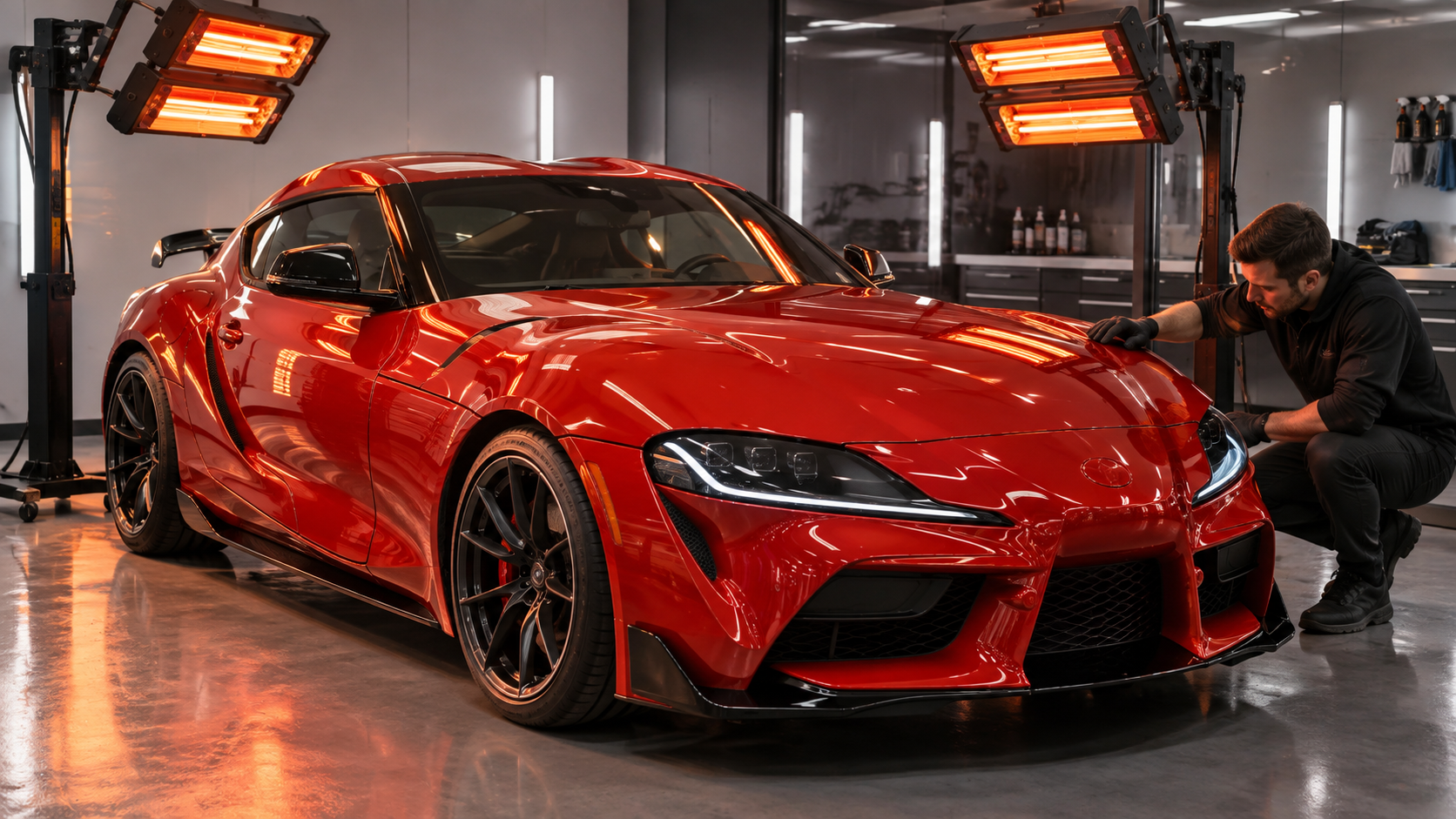
Temperature, humidity, lighting and airflow influence working time. Outdoor application adds variables that need management.
At this stage, assess this part of paint preparation and application on a clean, cool vehicle. Photograph the relevant panel, note differences between horizontal and lower surfaces, and explain why the observation changes the next step. That evidence makes the recommendation specific to this car.
A practical car ceramic coating check
Focus on control workshop conditions under daylight and a controlled inspection light. Test the least aggressive suitable method on a small area, remove residue, and compare the result from normal standing distance. Record what improved and what remains so expectations are clear before the process continues.
Parking, annual kilometres, country-road exposure, tree cover and the owner’s wash routine can all alter the advice. A vehicle living outdoors needs faster contamination response, while a garaged vehicle may allow a different maintenance interval. Neither situation removes the need for safe washing.
Apply in small sections
Consistent coverage and timely levelling help prevent high spots. Curves, badges and edges need a planned sequence.
For a reliable result, assess this part of paint preparation and application on a clean, cool vehicle. Photograph the relevant panel, note differences between horizontal and lower surfaces, and explain why the observation changes the next step. That evidence makes the recommendation specific to this car.
A practical car ceramic coating check
Focus on apply in small sections under daylight and a controlled inspection light. Test the least aggressive suitable method on a small area, remove residue, and compare the result from normal standing distance. Record what improved and what remains so expectations are clear before the process continues.
Parking, annual kilometres, country-road exposure, tree cover and the owner’s wash routine can all alter the advice. A vehicle living outdoors needs faster contamination response, while a garaged vehicle may allow a different maintenance interval. Neither situation removes the need for safe washing.
Inspect from several directions
Residue can disappear from one viewing angle and appear from another. Cross-lighting each panel improves final checking.
From an owner’s perspective, assess this part of paint preparation and application on a clean, cool vehicle. Photograph the relevant panel, note differences between horizontal and lower surfaces, and explain why the observation changes the next step. That evidence makes the recommendation specific to this car.
A practical car ceramic coating check
Focus on inspect from several directions under daylight and a controlled inspection light. Test the least aggressive suitable method on a small area, remove residue, and compare the result from normal standing distance. Record what improved and what remains so expectations are clear before the process continues.
Parking, annual kilometres, country-road exposure, tree cover and the owner’s wash routine can all alter the advice. A vehicle living outdoors needs faster contamination response, while a garaged vehicle may allow a different maintenance interval. Neither situation removes the need for safe washing.
Document application and cure
Record product, date, preparation and aftercare. A clear handover gives owner and technician a useful baseline.
Finally, assess this part of paint preparation and application on a clean, cool vehicle. Photograph the relevant panel, note differences between horizontal and lower surfaces, and explain why the observation changes the next step. That evidence makes the recommendation specific to this car.
A practical car ceramic coating check
Focus on document application and cure under daylight and a controlled inspection light. Test the least aggressive suitable method on a small area, remove residue, and compare the result from normal standing distance. Record what improved and what remains so expectations are clear before the process continues.
Parking, annual kilometres, country-road exposure, tree cover and the owner’s wash routine can all alter the advice. A vehicle living outdoors needs faster contamination response, while a garaged vehicle may allow a different maintenance interval. Neither situation removes the need for safe washing.
car ceramic coating service comparison
| Area | Good evidence | Warning sign |
|---|---|---|
| Preparation | Condition and stages documented | Only the product name is discussed |
| Application | Surfaces and conditions listed | One method promised for every car |
| Curing | Collection and water guidance supplied | No cure instructions |
| Maintenance | Wash plan and review advice | Claims that washing is unnecessary |
Booking checklist
- Photograph the vehicle and identify the main goal.
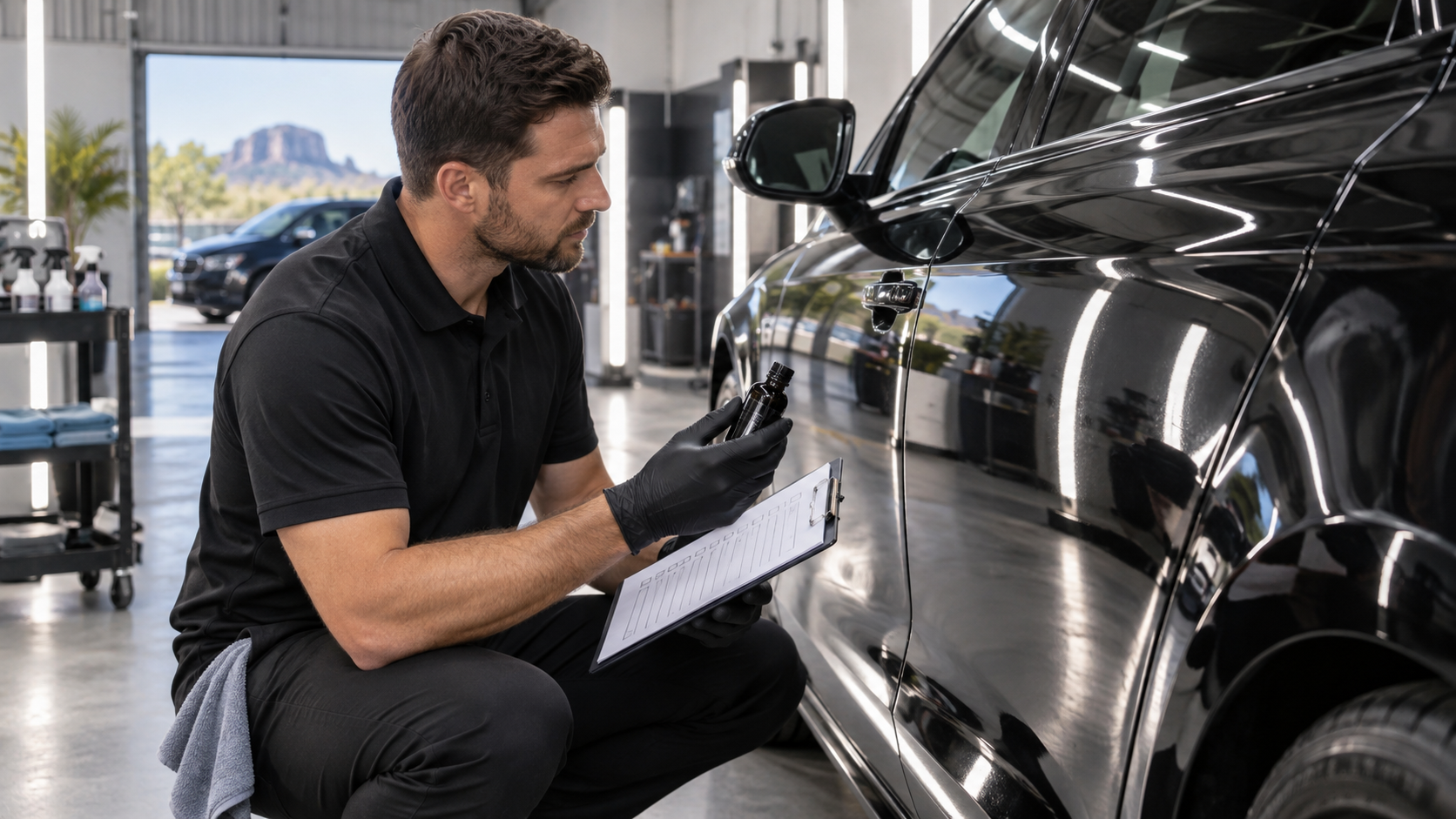
- Disclose repainting, damage and earlier protection.
- Confirm preparation and correction separately.
- List every surface covered by the quote.
- Discuss workshop conditions and curing time.
- Request written limitations and aftercare.
Questions about car ceramic coating
Will it stop stone chips?
No. A liquid coating is not impact film and cannot absorb every road strike.
Can it cover imperfect paint?
It can be applied, but defects remain visible unless preparation improves them. Agree on correction first.
Is it maintenance-free?
No. Safe washing, careful drying and prompt contamination removal remain necessary.
How should quotes be compared?
Compare preparation, surfaces, cure control, documentation and support rather than warranty length alone.
Environmental care
NSW EPA stormwater guidance explains why wash runoff should stay out of stormwater drains. A professional process should manage wash location and residue responsibly.
Safe Work Australia guidance explains safety data sheets used for chemical handling and storage.
Choose a process that fits the car
Discuss paint preparation and application with Detailing Mates ceramic protection services in Armidale. Share accurate photos, parking conditions and washing habits so advice reflects real use.
Conclusion
car ceramic coating offers the most value when inspection, preparation, curing and aftercare are transparent. Evidence and realistic maintenance matter more than an exaggerated product claim.