ceramic coatings are easier to compare when drivers look beyond hardness numbers and headline durability. This Australian guide explains practical performance checks for water behaviour, gloss, contamination release and maintenance without treating one dramatic bead photo as proof of overall condition.
Ceramic coatings are liquid-applied protective layers tested most fairly on clean paint under repeatable conditions. Useful assessment separates contamination, water spotting, physical damage and maintenance history, then records what changed after a suitable cleaning step.
Contents
- Define the performance question
- Create a documented baseline
- Use a clean control area
- Observe water without chasing beads
- Check gloss in repeatable light
- Assess contamination release
- Separate scratches from coating behaviour
- Review seasonal exposure
- Audit maintenance products
- Turn observations into an action plan
- Performance evidence table
- Inspection checklist
- Questions and answers
Define the performance question
A useful inspection begins with one question: is the owner assessing gloss, cleaning effort, water behaviour, contamination or durability? Each requires different evidence.
Begin this stage on a cool panel that is free from loose dust. Work on the same test area, use consistent lighting and note the products already present. This method gives Australian owners evidence they can revisit instead of a one-off visual impression.
Field check 1: define the performance question
Inspect an upper horizontal panel and a lower traffic-facing panel separately. Photograph each from normal standing distance, then look closely for residue, roughness, spotting or uneven reflections. If a cleaning trial is needed, start with the least aggressive compatible method and reassess before escalating.
Create a documented baseline
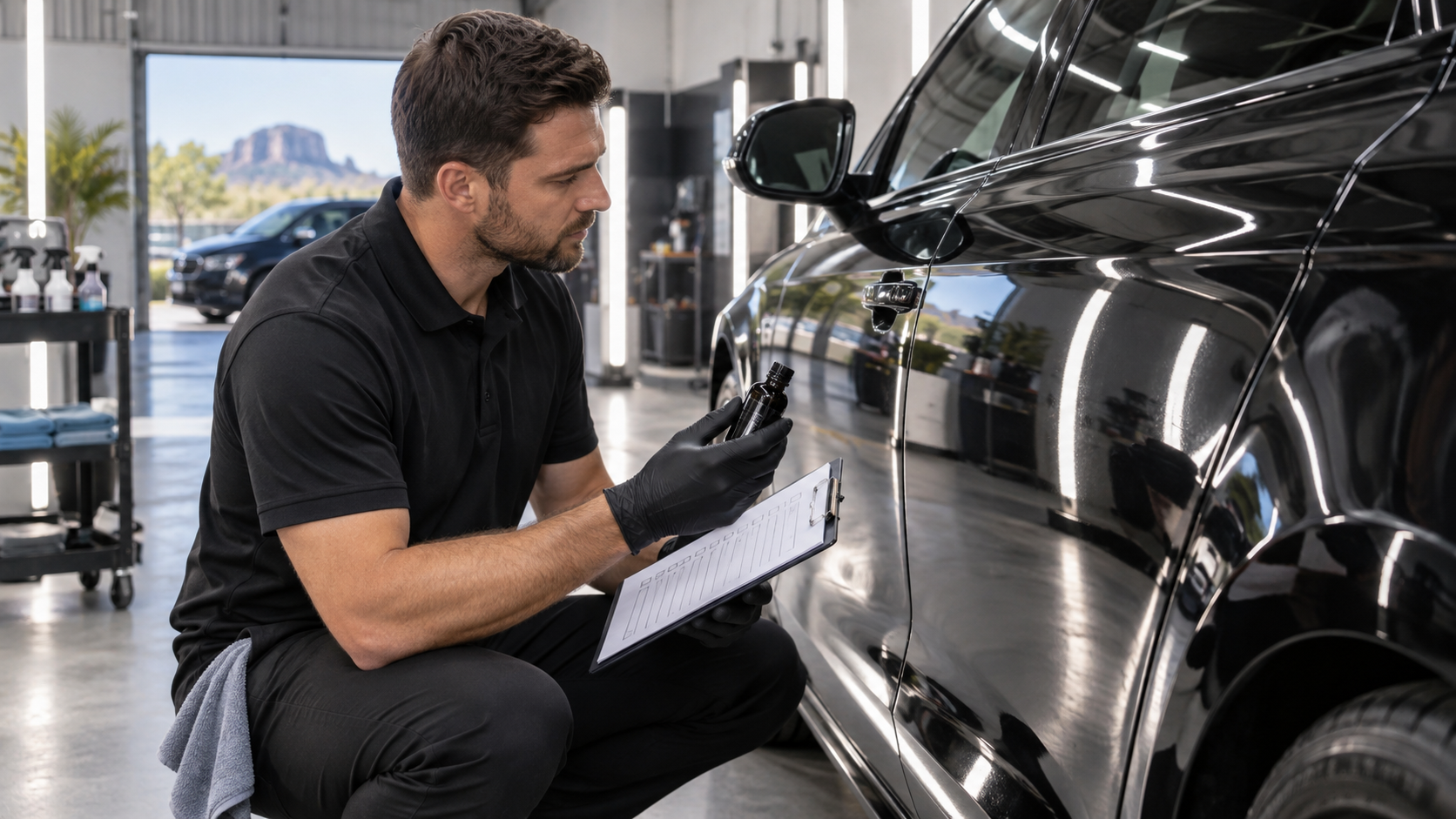
Photograph representative panels before preparation. Record paint defects, roughness, previous protection and any repainted areas so later comparisons use a fair starting point.
Measure this stage on a cool panel that is free from loose dust. Work on the same test area, use consistent lighting and note the products already present. This method gives Australian owners evidence they can revisit instead of a one-off visual impression.
Field check 2: create a documented baseline
Inspect an upper horizontal panel and a lower traffic-facing panel separately. Photograph each from normal standing distance, then look closely for residue, roughness, spotting or uneven reflections. If a cleaning trial is needed, start with the least aggressive compatible method and reassess before escalating.
Use a clean control area
Road film can hide coating behaviour. Wash and decontaminate a small section first, then compare it with the surrounding panel before assuming the protection has failed.
Compare this stage on a cool panel that is free from loose dust. Work on the same test area, use consistent lighting and note the products already present. This method gives Australian owners evidence they can revisit instead of a one-off visual impression.
Field check 3: use a clean control area
Inspect an upper horizontal panel and a lower traffic-facing panel separately. Photograph each from normal standing distance, then look closely for residue, roughness, spotting or uneven reflections. If a cleaning trial is needed, start with the least aggressive compatible method and reassess before escalating.
Observe water without chasing beads
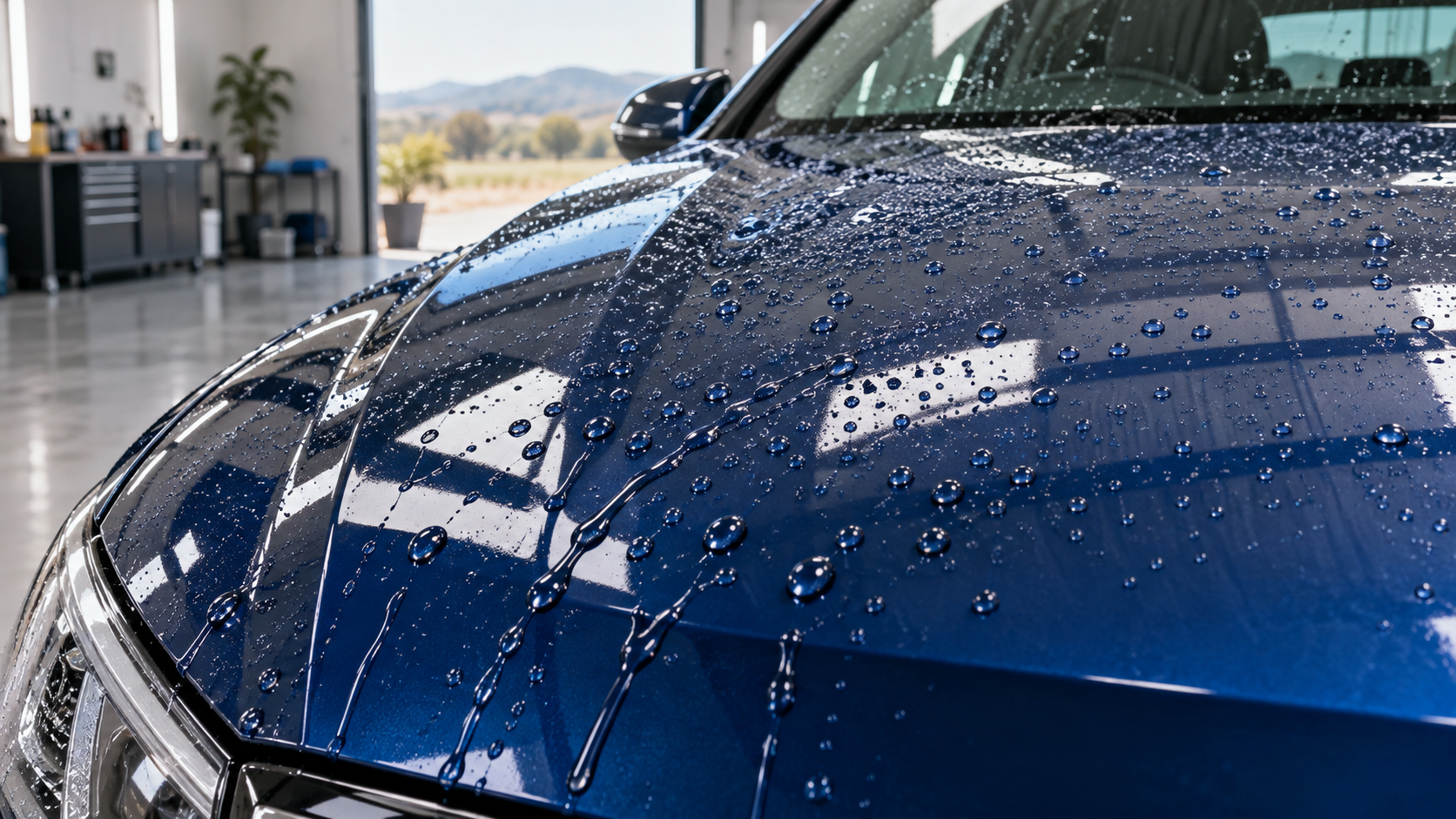
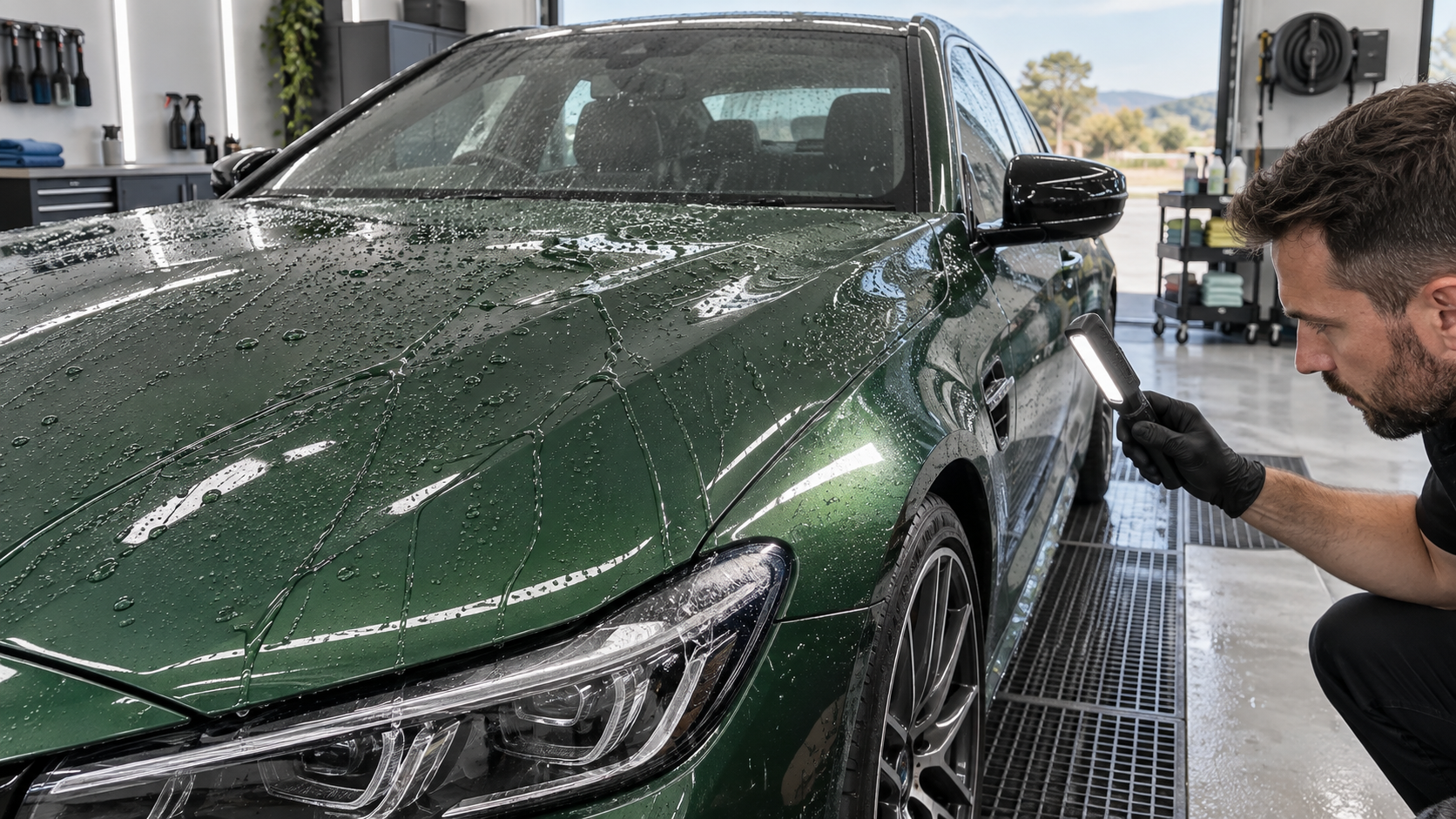
Tight beads look dramatic, but sheeting speed, panel angle and remaining droplets also matter. A single water photo cannot describe the entire condition.
Document this stage on a cool panel that is free from loose dust. Work on the same test area, use consistent lighting and note the products already present. This method gives Australian owners evidence they can revisit instead of a one-off visual impression.
Field check 4: observe water without chasing beads
Inspect an upper horizontal panel and a lower traffic-facing panel separately. Photograph each from normal standing distance, then look closely for residue, roughness, spotting or uneven reflections. If a cleaning trial is needed, start with the least aggressive compatible method and reassess before escalating.
Check gloss in repeatable light
Inspect reflections under diffuse daylight and a focused lamp. Use the same distance and angle because changing light can create a false impression of improvement.
Review this stage on a cool panel that is free from loose dust. Work on the same test area, use consistent lighting and note the products already present. This method gives Australian owners evidence they can revisit instead of a one-off visual impression.
Field check 5: check gloss in repeatable light
Inspect an upper horizontal panel and a lower traffic-facing panel separately. Photograph each from normal standing distance, then look closely for residue, roughness, spotting or uneven reflections. If a cleaning trial is needed, start with the least aggressive compatible method and reassess before escalating.
Assess contamination release
Insects, pollen and road film should be removed with a compatible process. Record the method and effort rather than testing harsh chemicals that could damage trim or paint.
Begin this stage on a cool panel that is free from loose dust. Work on the same test area, use consistent lighting and note the products already present. This method gives Australian owners evidence they can revisit instead of a one-off visual impression.
Field check 6: assess contamination release
Inspect an upper horizontal panel and a lower traffic-facing panel separately. Photograph each from normal standing distance, then look closely for residue, roughness, spotting or uneven reflections. If a cleaning trial is needed, start with the least aggressive compatible method and reassess before escalating.
Separate scratches from coating behaviour
A liquid coating does not stop stone chips or every wash mark. Physical damage, mineral deposits and surface contamination require different diagnoses.
Measure this stage on a cool panel that is free from loose dust. Work on the same test area, use consistent lighting and note the products already present. This method gives Australian owners evidence they can revisit instead of a one-off visual impression.
Field check 7: separate scratches from coating behaviour
Inspect an upper horizontal panel and a lower traffic-facing panel separately. Photograph each from normal standing distance, then look closely for residue, roughness, spotting or uneven reflections. If a cleaning trial is needed, start with the least aggressive compatible method and reassess before escalating.
Review seasonal exposure
Frost, summer insects, tree sap and rural dust affect Armidale vehicles differently through the year. Inspection timing should reflect where and how the car is used.
Compare this stage on a cool panel that is free from loose dust. Work on the same test area, use consistent lighting and note the products already present. This method gives Australian owners evidence they can revisit instead of a one-off visual impression.
Field check 8: review seasonal exposure
Inspect an upper horizontal panel and a lower traffic-facing panel separately. Photograph each from normal standing distance, then look closely for residue, roughness, spotting or uneven reflections. If a cleaning trial is needed, start with the least aggressive compatible method and reassess before escalating.
Audit maintenance products
Unknown sprays and waxes can change water behaviour or create smearing. List each product used before adding another layer to solve an uncertain problem.
Document this stage on a cool panel that is free from loose dust. Work on the same test area, use consistent lighting and note the products already present. This method gives Australian owners evidence they can revisit instead of a one-off visual impression.
Field check 9: audit maintenance products
Inspect an upper horizontal panel and a lower traffic-facing panel separately. Photograph each from normal standing distance, then look closely for residue, roughness, spotting or uneven reflections. If a cleaning trial is needed, start with the least aggressive compatible method and reassess before escalating.
Turn observations into an action plan
The result may call for a maintenance wash, mineral treatment, local correction or no intervention. Choose the least aggressive evidence-led response.
Review this stage on a cool panel that is free from loose dust. Work on the same test area, use consistent lighting and note the products already present. This method gives Australian owners evidence they can revisit instead of a one-off visual impression.
Field check 10: turn observations into an action plan
Inspect an upper horizontal panel and a lower traffic-facing panel separately. Photograph each from normal standing distance, then look closely for residue, roughness, spotting or uneven reflections. If a cleaning trial is needed, start with the least aggressive compatible method and reassess before escalating.
Ceramic coatings performance evidence
| Observation | Possible cause | Useful next check |
|---|---|---|
| Weak beading | Road film or mineral residue | Clean a controlled section |
| Rough paint | Bonded contamination | Identify contamination before treatment |
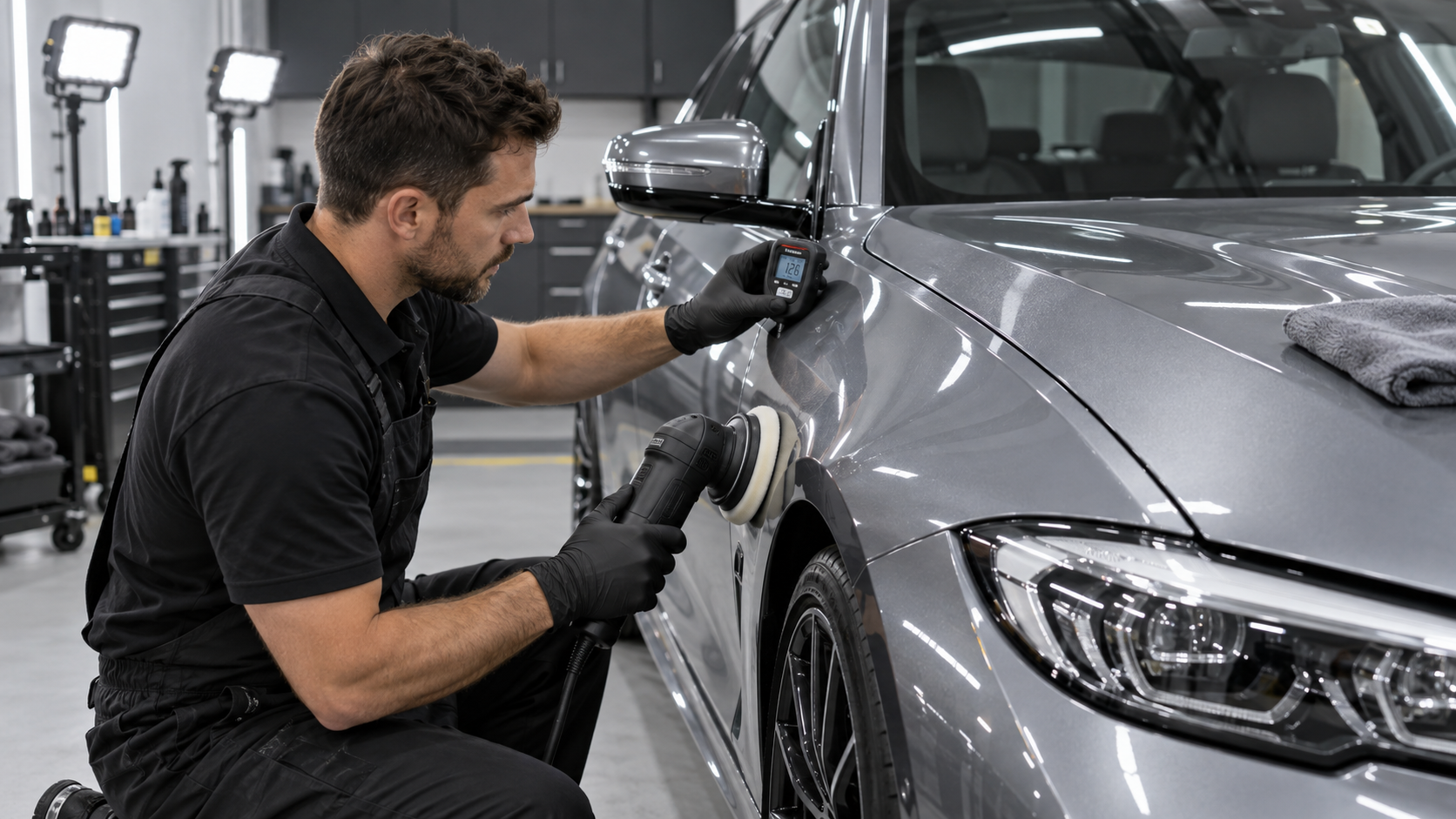
| Haze in focused light | Residue, fine defects or high spots | Inspect from multiple angles |
| Local water marks | Dried mineral deposits | Assess promptly on a cool surface |
| Wash scratches | Contact abrasion | Review wash media and technique |
Numbered inspection checklist
- Record parking, kilometres and wash history.
- Photograph paint before cleaning.
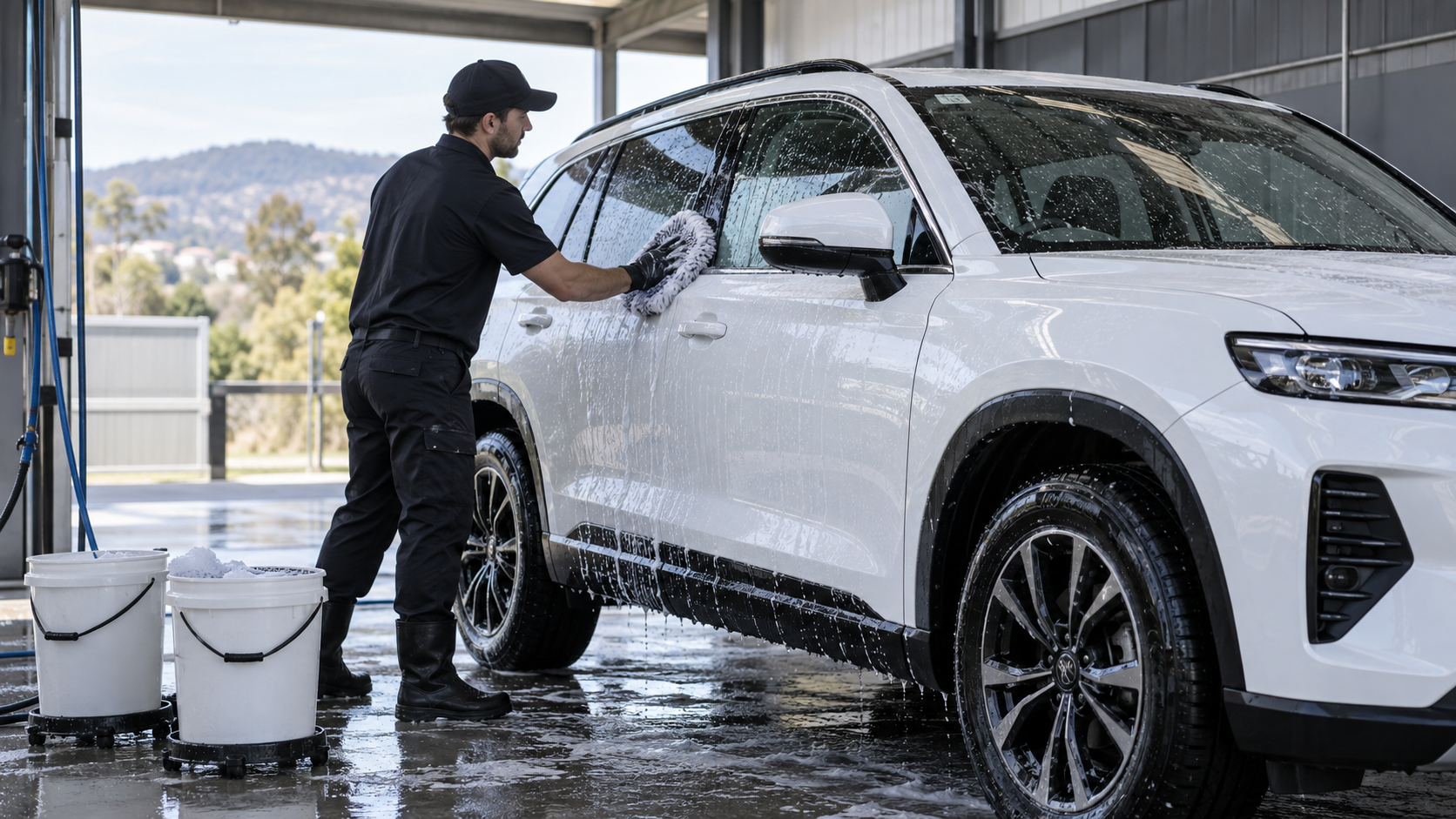
- Wash with clean, separate wheel and paint tools.
- Dry before mineral marks form.
- Test one clean panel under consistent light.
- Compare upper and lower sections.
- Write down products and observations.
- Choose the least aggressive justified action.
People also ask about ceramic coatings
Do ceramic coatings prevent scratches?
No. They are not impact films and cannot stop every contact mark or stone chip.
Why has water beading become weaker?
Road film, minerals or incompatible products may be masking the surface. Clean and inspect before deciding the coating has failed.
Can several coatings be compared by hardness?
Hardness labels alone do not describe preparation, application, cure conditions or maintenance. Compare the complete service and written limitations.
Does a coated vehicle still need washing?
Yes. Safe washing removes contamination sitting above the protection and helps the owner identify changes early.
Environmental and chemical care
NSW EPA stormwater guidance explains why wash runoff should not enter stormwater drains. A responsible inspection plan includes a suitable wash area and residue control.
Safe Work Australia guidance on safety data sheets supports informed chemical handling and storage.
Arrange an evidence-led assessment
Discuss vehicle condition and maintenance with Detailing Mates ceramic coating services in Armidale. Share clear photos and parking details so the recommendation is based on actual use.
Conclusion
Ceramic coatings should be judged through repeatable inspection, compatible cleaning and realistic expectations. When owners document the baseline and separate contamination from physical damage, maintenance decisions become clearer and less dependent on marketing language.