Vehicle upholstery endures constant friction, sweat, food spills. Also, UV exposure every single day. When deciding how to restore dirty fabric or leather seats, knowing car seat steam cleaning vs shampooing ensures you choose the right method for deep stain extraction and rapid drying. In regional New South Wales, including Armidale and across the New England Tablelands, cold winters and sudden rainfall make seat drying times a major concern. Exploring the heat power of commercial dry vapour steam against older wet chemical shampooing helps vehicle owners protect cushion foam from mould while achieving spotless results.
In car seat steam cleaning vs shampooing, steam cleaning uses high-heat, low-moisture vapour (150C) to sanitise and dissolve stains with 90% less water, drying in 1 to 2 hours. older shampooing uses wet detergents and liquid saturation, requiring 8 to 24 hours to dry and risking foam mould.
- The Technical Difference Between Steam Vapour and Wet Shampooing.
- Moisture Management. Why Soaking Seat Foam Causes Mould.
- Chemical Residue and Rapid Resoiling of Seat Fibres.
- Leather, Alcantara. Also, Microfibre Upholstery fit.
- Stain Extraction. Oil, Coffee, Ink. Also, Food Spills.
- Thermal Sanitisation and Deep Allergen Destruction.
- Comparison Table. Steam Cleaning vs older Shampooing.
- The 10-Point expert Seat Cleaning Protocol.
- Armidale Winter Drying Challenges and Solutions.
- Australian Workplace Health and Waste Water rules.
- Applying Fabric Guards After Seat Cleaning.
- People Also Ask About car seat steam cleaning vs shampooing.
- often Asked Questions on car Seat Cleaning.
- Conclusion. Choosing the Right Seat Cleaning Method.
The Technical Difference Between Steam Vapour and Wet Shampooing
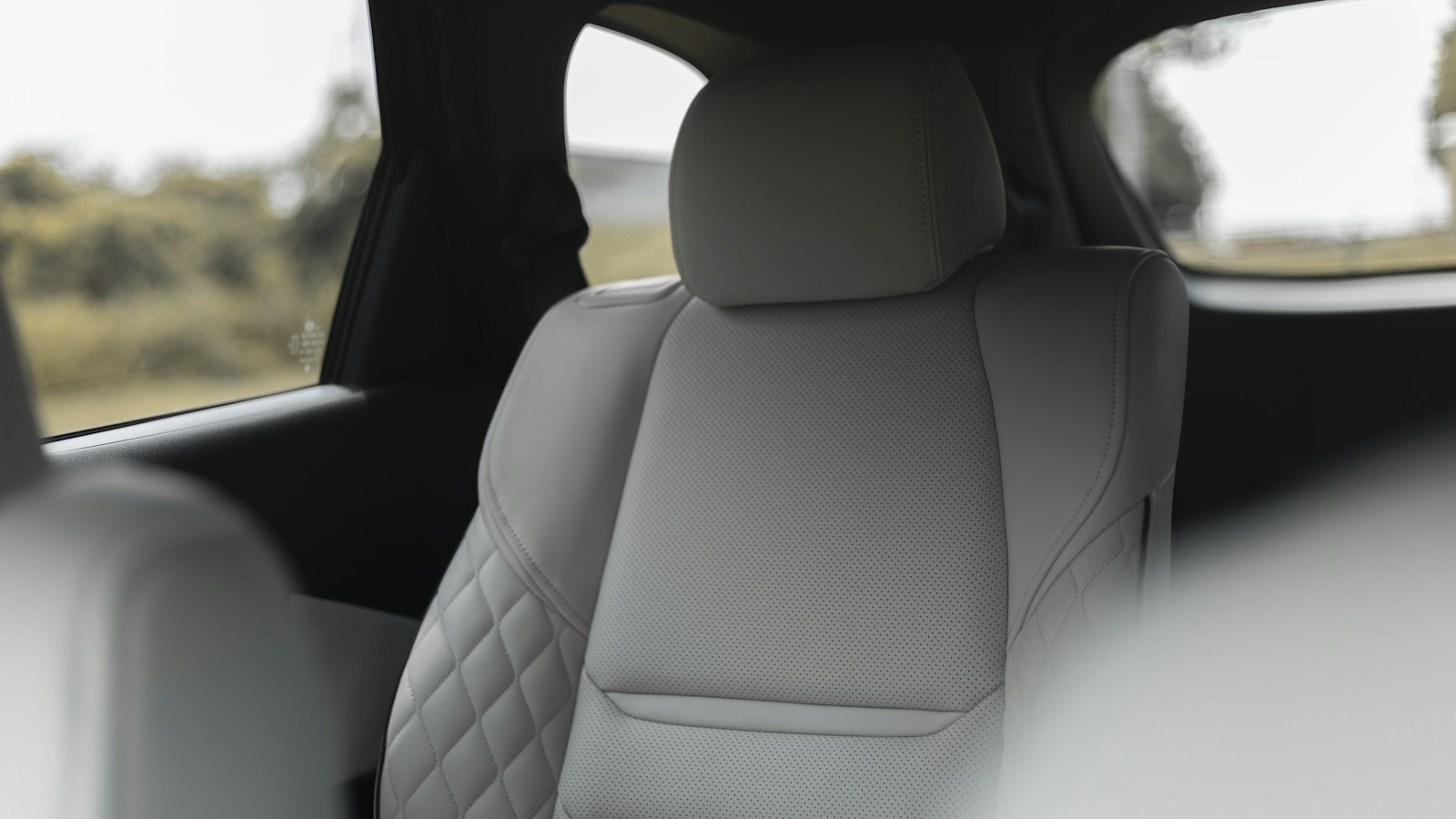
car seats look simple from the outside. However, underneath their fabric skin lies three to four inches of porous polyurethane foam. knowing how cleaning methods interact with this foam layer is key.
older shampooing relies on soaking the fabric with liquid detergents and water. Detailers scrub the wet surface with rotary brushes to agitate dirt, followed by vacuum extraction. While this lifts surface stains, large quantities of water sink deep into the foam core.
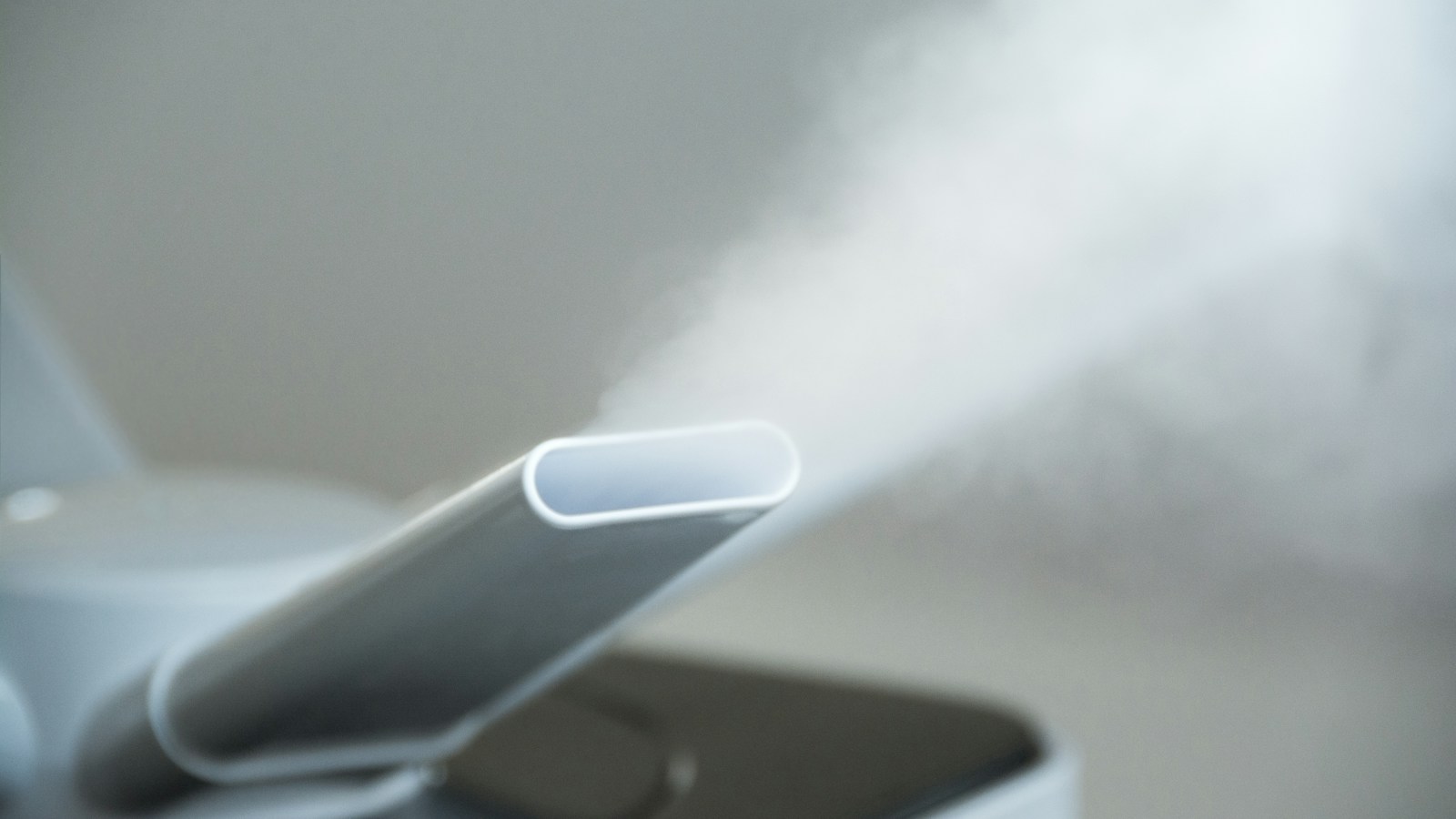
Commercial steam cleaning uses a boiler to heat water to over one hundred and fifty degrees Celsius under six to eight bars of pressure. This creates dry vapour steam containing only five to ten percent moisture.
When dry vapour hits upholstery, high thermal energy instantly liquefies grease, body oils. Also, sticky residues. The heat breaks the chemical bond between dirt particles and fabric fibres without soaking the seat cushion.
Comparing car seat steam cleaning vs shampooing shows that thermal vapour achieves deeper biological sanitation while using only a fraction of the water.
Moisture Management: Why Soaking Seat Foam Causes Mould
Excessive moisture is the number one enemy of car interiors. When water penetrates polyurethane cushion foam, standard wet vacuum extractors can only pull water from the top centimetre.
The remaining water stays trapped in the deep foam structure. In humid weather or cold regional climates, damp seat cushions take twenty-four to forty-eight hours to dry fully.
Trapped moisture creates a perfect breeding ground for mould, mildew. Also, fungal clusters. Within two days of poor drying, vehicles develop a sour, musty smell that is nearly impossible to remove.
Dry vapour steam cleaning introduces minimal water into the seat. Because the moisture is applied at extreme heat, the seat fabric dries fully within one to two hours.
Detailers use commercial centrifugal air blowers to circulate air through the vehicle, ensuring total moisture drying before the customer drives away.
Chemical Residue and Rapid Resoiling of Seat Fibres
A major downside of older shampooing is detergent residue. Most consumer upholstery shampoos contain surfactants that foam aggressively to lift dirt.
If these foaming agents are not rinsed out thoroughly with pure water, a soapy film remains on the fabric fibres. When the seat dries, this detergent film becomes sticky.
Every time you sit in the car, dust, dirt from clothing. Also, body oils stick to this soapy residue. Seats that were shampooed often look dirty again within two to three weeks.
Steam cleaning relies on thermal energy rather than heavy detergents. While light bio-enzymes are used for spot stains, the steam itself does ninety percent of the cleaning work.
Because zero soapy residue remains on the fabric, seats stay clean greatly longer, providing superior long-term value for vehicle owners.
Leather, Alcantara, and Microfibre Upholstery Compatibility
Different vehicle upholstery materials require tailored cleaning techniques. older shampooing should never be used on car leather or synthetic suede materials like Alcantara.
Soaking car leather with soapy water strips key natural tanning oils from the hide.Over time, water saturation causes leather to harden, shrink. Also, crack around bolster seams.
Dry vapour steam wrapped in plush microfibre bonnets is safe and good on leather. The gentle warmth opens leather pores, lifting embedded body oils and makeup without wetting the hide.
For Alcantara and faux-suede roof linings, excessive water causes the soft micro-fibres to mat together, ruining the soft pile. Low-pressure steam lifts dirt and revives the plush suede texture safely.
knowing material fit ensures your vehicle's interior surfaces are restored without risking permanent fabric damage.
Stain Extraction: Oil, Coffee, Ink, and Food Spills
Everyday driving results in messy stains from morning coffee runs, fast food, dropped ice cream. Also, muddy work clothes. Removing these stubborn marks requires targeted chemistry.
Tannin stains from coffee and tea bind tightly to woven fabric fibres. High-heat steam dissolves tannin polymers instantly, allowing technicians to blot them into clean microfibre towels.
Greasy food stains and motor oils respond exceptionally well to steam heat. Thermal energy lowers the viscosity of oil, causing grease droplets to detach from polyester threads.
For organic protein stains like egg, dairy, or blood, high heat alone can coagulate the proteins. expert detailers apply cold enzyme pre-treatments first to digest proteins before finishing with moderate steam extraction.
Combining targeted bio-chemistry with thermal steam extraction guarantees the highest stain removal success rate across all fabric types.
Thermal Sanitisation and Deep Allergen Destruction
car seats harbour millions of tiny organisms.Dust mites, pet dander, bacterial clusters. Also, viral germs thrive in warm seat upholstery.
older cold-water shampooing spreads bacteria across seat surfaces unless powerful chemical disinfectants are added. However, harsh chemical disinfectants can irritate sensitive skin and trigger allergic reactions.
Dry vapour steam at one hundred and fifty degrees Celsius kills ninety-nine point nine percent of bacteria, viruses. Also, dust mites on contact. The intense thermal shock ruptures germ cell walls instantly.
Thermal sanitisation removes biological malodours at their source without leaving harsh chemical fumes inside the sealed car cabin.
Drivers with asthma, dust allergies, or young children benefit immensely from regular steam sanitisation of their vehicle's seating.
Comparison Table: Steam Cleaning vs Traditional Shampooing
The operational and output differences between steam cleaning and wet shampooing are outlined below.
| output Metric. | Dry Vapour Steam Cleaning. | older Wet Shampooing. | Optimal Choice. |
|---|---|---|---|
| Water Consumption. | very low (2 to 4 litres per car). | High (15 to 30 litres per car). | Steam Cleaning. |
| Drying Time. | 1 to 2 hours with airflow. | 8 to 24 hours depending on weather. | Steam Cleaning. |
| Foam Mould Risk. | Near zero; water does not reach core. | Moderate to high if underlay is soaked. | Steam Cleaning. |
| Chemical Residue. | Zero sticky residue left on fibres. | Sticky surfactant film causes fast resoiling. | Steam Cleaning. |
| Heavy Mud Extraction. | Moderate; requires multiple towel wipes. | Very high; liquid rinses out thick dirt. | Shampooing / Extraction. |
The 10-Point Professional Seat Cleaning Protocol
expert detailers execute this complete 10-point procedure to clean car seats safely and thoroughly.
- Inspect seat fabric for tears, loose stitching, or electronic heating wires.
- Dry vacuum seat cushions, bolsters. Also, seams using high-suction crevice tools.
- Apply targeted enzyme pre-spray to organic coffee, food, or pet stains.
- Agitate stains gently using soft horsehair brushes to loosen surface dirt.
- Attach a triangular upholstery tool with a clean microfibre bonnet to the steam wand.
- Inject 150C dry vapour steam across seat cushions using overlapping passes.
- Immediately follow steam passes with a wet extraction vacuum to pull suspended soil.
- Wipe leather bolsters and headrests with a warm, damp microfibre cloth.
- Position commercial centrifugal air movers to blow warm air directly across seat bases.
- Apply water-slick fabric protectant once upholstery is dry to the touch.
Keep your car clean every week. Wipe down the seats with a damp cloth to pick up dust. Clean seats look great and make your car feel fresh every day.
Clean seats make long country drives a joy. You sit on clean cloth that smells like new. Fresh air fills the car on every trip. Good care keeps your seats soft for years.
Wash your hands before eating inside the car. Keep food in sealed boxes while on the road. When drink drops fall, wipe them fast with a dry cloth. Small steps stop deep stains.
Seat covers add an extra layer of safety. Pick canvas covers if you carry dogs or farm tools. Take them off to wash once a season. Your factory seats stay clean beneath.
Clean seats protect your car value on resale day. Buyers pay more for a clean family wagon. Good care pays off in your pocket.
Armidale Winter Drying Challenges and Solutions
Detailing vehicle interiors in Armidale during the autumn and winter months requires careful planning.Winter heat levels often drop below freezing. With high relative humidity during mornings and evenings.
If seats are shampooed with high water volumes in Armidale during July, moisture will not dry out naturally. The damp foam freezes overnight, expanding ice crystals that weaken foam cell structures.
expert detailers in the New England Tablelands rely on low-moisture steam technology to avoid wetting seat cushions. Heated workshops and commercial blowers ensure complete drying before vehicles leave the bay.
Taking local weather conditions into account shields your vehicle's interior from mould, mildew. Also, foul damp odours.
Australian Workplace Health and Waste Water Regulations
car detailing shops must comply with Australian health and environmental laws. Guidelines from Safe Work Australia require proper safety equipment when handling pressurised steam machinery.
Steam wands produce thermal burns if mishandled. technicians wear heat-resistant gloves and eye shield during use.
Environmental standards enforced by the NSW Environment shield Authority mandate that chemical shampoo runoff containing surfactants and oils must not enter stormwater drains.
Steam cleaning drastically reduces wastewater volume from dozens of litres to under two litres per vehicle, making it an eco-friendly cleaning technology for regional communities.
Applying Fabric Guards After Seat Cleaning
Once vehicle seats are clean and dry, shielding them from future spills is the final step in interior care. Untreated fabric fibres absorb liquids like sponges.
Detailers spray fluoropolymer or ceramic-infused fabric protectants across all seating surfaces. The protectant bonds to each individual thread without altering fabric breathability or softness.
Treated seats exhibit strong water-slick beading. When liquid spills occur, coffee, soda, or water bead up on top of the fabric, allowing drivers to wipe them off with a paper towel before stains set in.
Booking an interior detail with Detailing Mates guarantees your seats are deep cleaned with dry vapour steam and protected for the road ahead.
People Also Ask About car seat steam cleaning vs shampooing
Is steam cleaning better than shampooing car seats?
Yes. Steam cleaning uses high heat to sanitise and dissolve stains with 90% less moisture than shampooing. Seats dry in 1 to 2 hours without leaving sticky chemical residues that attract dirt.
Can steam cleaning damage car seats?
Dry vapour steam is safe on most car fabrics and leather when used with microfibre bonnets. However, excessive heat held in one spot can weaken headliner glue or shrink soft natural leather.
How long does it take for car seats to dry after steam cleaning?
Because dry vapour steam uses minimal moisture, car seats typically dry in 1 to 2 hours, especially when commercial air movers or vehicle heating fans circulate air.
Does steam cleaning kill mould in car seats?
Yes. Steam heat levels exceeding 100C kill mould spores and bacteria instantly on contact, sanitising fabric fibres and eliminating musty damp smells permanently.
Frequently Asked Questions on Automotive Seat Cleaning
Can I steam clean heated or cooled ventilated car seats?
Yes, but you must use low-moisture dry vapour steam.Never inject wet liquid shampoos into perforated ventilated seats. As water can short-circuit heating elements and electronic fans.
How often should you steam clean car seats?
For everyday family vehicles, steam cleaning seats once or twice a year removes accumulated body oils, dust mites. Also, food spills, maintaining clean interior air quality.
Will steam cleaning remove water stains from car seats?
Yes. Water rings on fabric seats occur when mineral deposits and dirt dry unevenly. Steam cleaning dissolves mineral rings and evens out fabric colour across the entire seat cushion.
Can you steam clean leather car seats safely?
Yes. Wrapping a steam head in a microfibre towel cleans leather pores safely without direct moisture blasting. Always apply leather conditioner afterwards to restore natural moisture.
Why do seats smell worse after traditional shampooing?
If soaked seat foam is not dried within twenty-four hours, bacteria and mould multiply rapidly in the damp cushion, releasing foul sulphur and mildew odours.
Regional Armidale Upholstery Care and Cold Weather Advice
Living in the New England Tablelands means dealing with frosty mornings and cold winter days. Cold air slows down drying times inside car cabins. If you soak seat cushions with water in July, that water stays trapped for days.
Damp seats feel cold and uncomfortable to sit on. Worse, cold moisture can turn into ice crystals if the car stays outside overnight. Those tiny ice crystals expand and break down delicate cushion foam.
This is why low-moisture steam is the clear winner for country car owners. Steam uses minimal water and dries in under two hours. You can clean your seats on a cold Saturday morning and drive to work warm and dry on Monday.
Always run your car heater for ten minutes after cleaning. The warm air moves moisture out of the car fast. Keep a window cracked half an inch while parked in the shed to let damp air escape.
Easy Daily Habits to Keep Vehicle Seats Fresh and Clean
Simple daily habits keep your car seats looking sharp between details. Keep a pack of clean microfibre towels in your glovebox. When spills happen, blot them up right away before liquids soak into the foam.
Vacuum your seats once a month with a soft brush tool. This picks up loose road dirt before your body weight grinds it into the fabric weave. Regular care stops dark wear patches from forming on seat bolsters.
Use a breathable fabric shield on high-wear spots. The shield stops drink spills from soaking in fast. It gives you time to wipe up spills with zero stress.
Conclusion: Choosing the Right Seat Cleaning Method
Your vehicle's seats are the primary touchpoint of your daily commute.Keeping them hygienic, stain-free. Also, fresh enhances driving comfort and shields vehicle resale value.
weighing car seat steam cleaning vs shampooing shows that dry vapour steam delivers superior bacterial sanitisation, removes sticky chemical residues. Also, slashes drying times to under two hours.
Choose dry vapour steam for your next interior detail. Enjoy pristine, factory-fresh upholstery without the hassle of soaked foam or lingering mould risks.