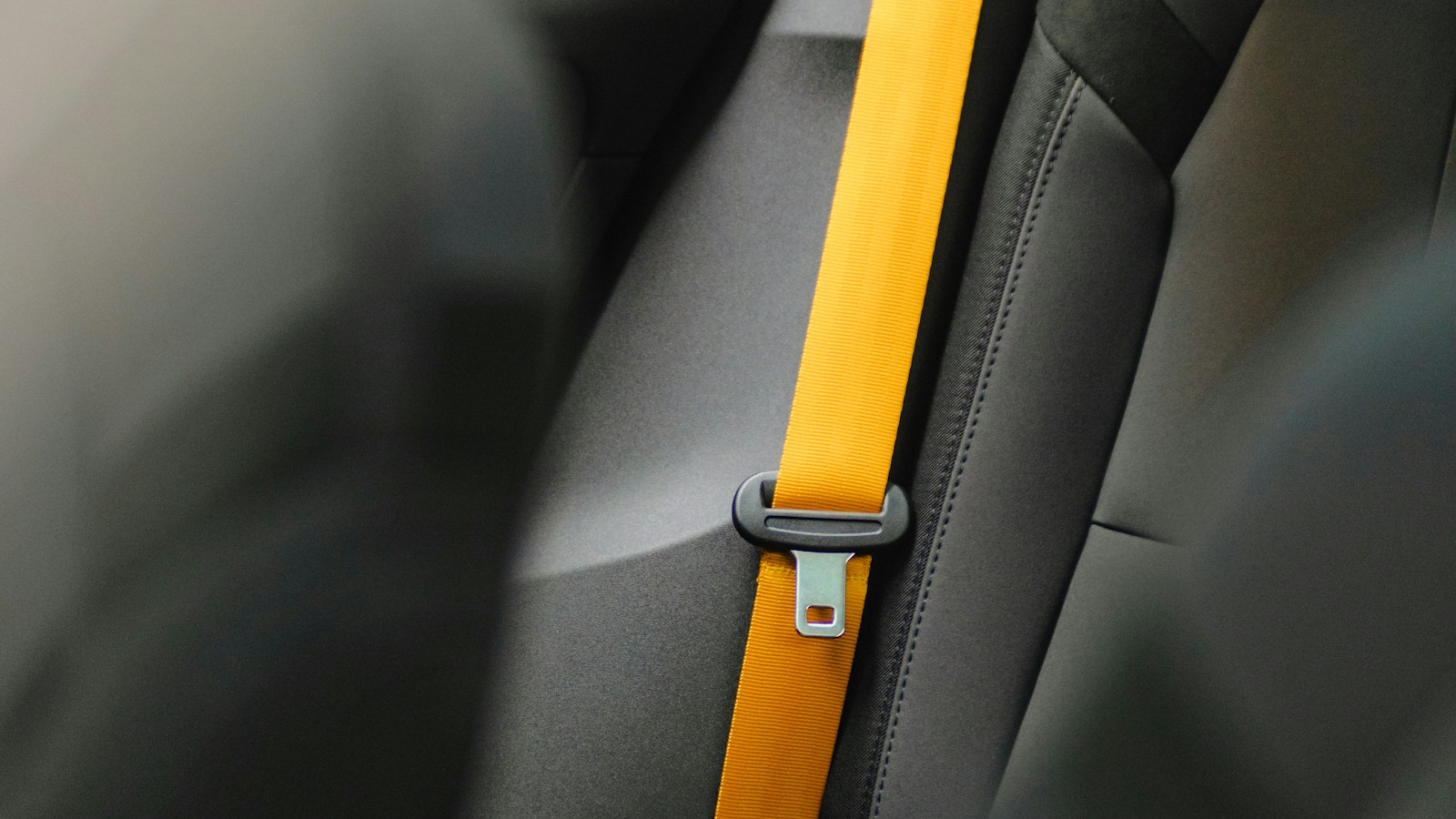
Vehicle seatbelts are the most often touched safety components in your car. Also, they are rarely cleaned.Over years of daily driving, seatbelts absorb body sweat, hand oils, sunscreen lotion. Also, spilled drinks.When belts become stiff, sticky, or sluggish to retract, expert car seatbelt steam cleaning restores smooth webbing flexibility, removes accumulated bacteria. Also, revives retractor spring output without compromising crash tensile strength. In regional New South Wales, including Armidale and the New England Tablelands, dust and road grime work their way into B-pillar retractor guides. knowing how dry vapour steam safely degreases polyester webbing ensures your seatbelts function smoothly and protect your family on every journey.
car seatbelt steam cleaning is a soft degreasing process that cleans safety webbing using 150C dry vapour steam wrapped in microfibre towels. It melts body oils, makeup, and food grime without soaking the retractor mechanism or using harsh chemical bleaches that weaken crash tensile strength.
- Why Dirty Seatbelts Become Stiff and Refuse to Retract.
- The Lethal Dangers of Bleach and Solvents on Webbing Strength.
- The Microfibre Steam Clamping Protocol for Webbing.
- Cleaning the B-Pillar Upper D-Ring Guide and Lower Anchors.
- shielding Pyrotechnic tighteners and Retractor Springs.
- Eradicating Black Mould and Sweat Odours from Webbing.
- Comparison Table. Household Cleaning vs Safe Steam Degreasing.
- The 10-Point Safe Seatbelt Cleaning Checklist.
- Tablelands Dust and Winter Condensation in Retractor Slots.
- Australian Design Rules (ADR) Seatbelt Safety rules.
- Post-Cleaning Drying and Rapid Retraction Testing.
- People Also Ask About car seatbelt steam cleaning.
- often Asked Questions on Seatbelt Care.
- Conclusion. Unlocking Smooth Retraction and Life-Saving Safety.
Why Dirty Seatbelts Become Stiff and Refuse to Retract
Have you ever noticed your car seatbelt hanging limp or getting caught in the door jam when you exit? Many drivers assume the internal spring mechanism is worn out and needs replacement.
In reality, ninety percent of sluggish seatbelts simply need deep cleaning. Seatbelt webbing is woven from thousands of micro-filaments of synthetic polyester designed to glide effortlessly through the plastic D-ring guide on the B-pillar.
Over months and years, hand oils, sunscreen, makeup. Also, food grease build up in the webbing. The oil attracts airborne dust, turning into a stiff, gummy film.The belt becomes stiff, thick. Also, resistant to bending.
As the stiff belt passes over the upper B-pillar guide, friction increases dramatically. The retractor spring does not have enough tension to pull the heavy, sticky webbing back onto the spool.
Executing expert car seatbelt steam cleaning melts away accumulated grease and grime, restoring factory suppleness so the belt retracts with crisp authority.
The Lethal Dangers of Bleach and Solvents on Webbing Strength
When seatbelts get stained with coffee or grease, well-meaning car owners often reach for bleach, aggressive all-purpose cleaners, or petroleum solvents. This is an very dangerous mistake.
Seatbelts are manufactured from specialized polyester terephthalate (polyester) fibres engineered to stretch and absorb tremendous kinetic energy during a crash. Strong oxidisers like chlorine bleach attack polyester polymer chains on a tiny level.
Bleach weakens the tensile strength of the webbing by thirty to fifty percent without showing obvious surface damage. During a severe frontal collision, a chemically weakened seatbelt can shear in half, causing catastrophic passenger injuries.
Vehicle makers and safety authorities explicitly prohibit the use of bleach, caustic alkalis, or chemical dyes on seatbelts.
Dry vapour steam relies purely on high-heat thermal energy and gentle pH-neutral soaps to dissolve dirt safely, preserving life-saving crash strength.
The Microfibre Steam Clamping Protocol for Webbing
Cleaning seatbelts requires a specific clamping method that cleans both sides of the webbing at once without soaking the retractor reel.
The technician pulls the seatbelt out to its maximum extension and secures it with a plastic spring clamp near the B-pillar slot. This prevents the wet webbing from retracting into the spool during cleaning.
Next, the detailer wraps the belt in a thick, folded microfibre towel saturated with superheated dry vapour steam. The technician clamps the hot towel around the belt with their hands and slides it firmly down the entire length of the webbing.
The steam heat liquefies body oils and sunscreen. However, the microfibre towel absorbs the dissolved soil via capillary action. Several passes are made using clean towel sections until no more dirt sends.
This method cleans the webbing fully while leaving the belt only slightly damp to the touch.
Cleaning the B-Pillar Upper D-Ring Guide and Lower Anchors
Cleaning the belt webbing is only half the battle. The plastic upper D-ring guide on the B-pillar is where the greatest friction occurs.
Over time, skin oils and dust form a hard, gummy crust along the narrow slot through which the belt passes. This friction ridge acts like a brake pad against the moving belt.
Detailers spray mild citrus degreaser on a microfibre cloth and wrap it around an old credit card or detailing spatula. The card is slid back and forth through the D-ring slot to scrape away the hardened grease.
A blast of dry steam flushes out remaining grit, leaving the plastic guide polished and slick. Technicians also clean the lower anchor bolt near the floor, removing pet hair and grime.
Clearing friction points ensures the cleaned belt glides with zero resistance.
Protecting Pyrotechnic tighteners and Retractor Springs
Modern vehicles feature sophisticated electronic seatbelt tighteners integrated into the lower retractor assembly. These units contain pyrotechnic explosive charges that tighten the belt instantly upon airbag deployment.
Allowing liquid water, chemical foam, or direct steam into the retractor housing inside the B-pillar is strictly prohibited.Moisture can corrode the clockspring retractor, cause rust on the ratchet teeth. Also, trigger electronic airbag warning lights.
Detailers ensure the belt is pulled out and clamped securely before applying steam. No cleaning liquids or steam are ever directed into the B-pillar retractor slot.
The belt must be dried fully with air movers before releasing the clamp, preventing wet webbing from spooling onto the internal metal reel.
Respecting these engine boundaries guarantees safety systems remain uncompromised.
Eradicating Black Mould and Sweat Odours from Webbing
In humid coastal climates or vehicles stored through damp Tablelands winters, seatbelts often develop black mould spots. Body sweat and skin flakes trapped in the webbing provide organic food for fungal spores.
As passengers wear the belt across their chest, mould spores and stale sweat odours rub directly onto their clothing. Breathing these spores inside an enclosed car irritates sinuses and lungs.
Dry vapour steam at one hundred and fifty degrees Celsius kills mould spores and sanitises the webbing instantly. The heat penetrates between the woven fibres, destroying fungal colonies on contact.
Following steam treatment, a mild biocide is blotted onto the belt to prevent future spore germination.
Sanitised seatbelts emerge clean, soft. Also, fully free of sour sweat odours.
Comparison Table: Household Cleaning vs Safe Steam Degreasing
The key differences between dangerous DIY methods and expert steam degreasing are shown below.
| Cleaning Method. | Crash Tensile Strength Impact. | Retractor Mechanism Safety. | Degreasing output. | Safety Assessment. |
|---|---|---|---|---|
| Bleach / Solvent Soak. | Catastrophic (degrades polyester by 30%+). | Corrodes internal clockspring mechanism. | High, but destroys fibre strength. | very Hazardous. |
| Direct Pressure Washer. | Abrades micro-filaments; causes fraying. | Floods pyrotechnic tightener box. | Moderate; splatters dirt into car. | Hazardous (Do Not Use). |
| Household Soap Sponge. | Safe on fibres; leaves soapy residue. | Slow drying; risk of spool rust. | Poor; cannot melt heavy body oils. | Ineffective. |
| Microfibre Steam Clamping. | 100% safe; preserves crash elasticity. | Zero water enters retractor housing. | Exceptional; dissolves oils instantly. | Safe (Gold Standard). |
The 10-Point Safe Seatbelt Cleaning Checklist
Follow this detailed checklist to clean and restore seatbelts with complete safety.
- Pull the seatbelt out fully to inspect webbing for cuts, fraying, or burns.
- Secure the extended belt near the B-pillar slot using a non-marring spring clamp.
- Never use bleach, harsh chemical degreasers, or abrasive scouring pads.
- Wrap the steam wand in two clean, plush microfibre towels to buffer moisture.
- Fold a steam-warmed microfibre towel tightly around both sides of the webbing.
- Slide the towel clamp firmly down the belt from top to bottom in smooth passes.
- Repeat passes using clean towel sections until no more dirt sends to the cloth.
- Clean the upper plastic B-pillar D-ring slot with an alcohol-wiped detailing spatula.
- Position commercial air blowers to dry the extended webbing fully within 30 minutes.
- Release the clamp and test the retraction speed three times to verify crisp spool action.
Safe belts keep you safe on the road. Clean belts slide fast and snap tight with ease.
Clean seatbelts look sharp and slide fast. They protect your family on every road trip and keep your car in top shape.
Safe seatbelts save lives on country roads. Keep them clean and dry all year round.Clean belts slide fast, click tight. And protect your loved ones on every drive.
Clean seatbelts feel soft in your hands. They slide on with ease and snap back fast. There are no dark grease marks to stain your white work shirts.
Take care of your belts every season. A quick wipe down stops grit from getting into the reel. Clean belts keep your car safe and look great for years.
Tablelands Dust and Winter Condensation in Retractor Slots
Driving on unsealed rural roads around Armidale, Guyra. Also, Uralla makes fine basalt dust. This dust settles into car door jambs and enters B-pillar vents.
During frosty winters, condensation forms on cold metal B-pillar inner structures. The dust and condensation mix into a muddy paste that coats the retractor spool.
When drivers pull the seatbelt on freezing mornings, the muddy paste gums up the retractor springs, causing belts to hang loose. Loose seatbelts fail annual NSW roadworthy checks.
Regular steam cleaning degreases the webbing and restores swift, reliable retraction regardless of outdoor heat levels.
Australian Design Rules (ADR) Seatbelt Safety Regulations
Seatbelts are mandatory safety restraints governed by Australian Design Rule ADR 4/05 and enforced by Transport for NSW.
Under annual pink slip roadworthy check guidelines, seatbelts must retract smoothly and lock positively under sudden deceleration. Frayed, cut, or severely stiffened webbing will cause an immediate safety check failure.
Workplace fleet vehicles must also comply with safety standards enforced by Safe Work Australia. Providing fully operational, clean safety restraints is a legal duty of care for fleet managers.
expert steam cleaning maintains ADR compliance while ensuring your seatbelts operate with life-saving reliability.
Post-Cleaning Drying and Rapid Retraction Testing
The final step in seatbelt care is thorough drying before release. Releasing a damp seatbelt allows wet webbing to spool tightly inside the dark retractor housing.
Trapped moisture causes the steel retractor spring to rust and promotes mould growth inside the spool. Detailers keep the belt clamped in an extended position while high-velocity air movers circulate air for thirty minutes.
Once bone-dry, technicians spray dry PTFE lubricant onto the plastic D-ring guide to reduce friction.The clamp is released. Also, the belt is tested three times to confirm rapid, self-snapping retraction.
Booking expert interior detailing with Detailing Mates guarantees your seatbelts are cleaned, sanitised. Also, tested to the highest standards of car safety.
People Also Ask About car seatbelt steam cleaning
Can you steam clean a seatbelt safely?
Yes. Wrapping a steam head in a microfibre towel cleans and degreases seatbelts safely.Direct steam and harsh chemical bleaches must never be used. As they can degrade tensile crash strength.
Why won't my car seatbelt retract properly?
Seatbelts stop retracting when body oils, food grime. Also, dust stiffen the webbing and gum up the upper B-pillar guide. Cleaning the belt with steam restores suppleness and allows it to retract smoothly.
Can you use bleach on car seatbelts?
No. Never use bleach on seatbelts. Bleach attacks the synthetic polyester fibres on a chemical level, reducing crash strength by up to 50% and causing the belt to fail in an accident.
How do you make seatbelts retract like new?
Pull the belt all the way out, clamp it, clean it with warm steam through a microfibre towel, clean the upper B-pillar guide slot, dry fully with air blowers. Also, apply dry PTFE lubricant to the guide.
Frequently Asked Questions on Seatbelt Care
Will dirty seatbelts fail a NSW pink slip inspection?
Yes. If a seatbelt does not retract fully under its own spring tension, or if the webbing is frayed, stiff, or cut, the vehicle will fail its annual roadworthy safety check.
How long does it take for a seatbelt to dry after cleaning?
When cleaned using the low-moisture steam clamping technique, seatbelts typically dry fully within 20 to 30 minutes when positioned in front of high-velocity air movers.
Can you use WD-40 to make a seatbelt retract faster?
Never spray WD-40 or silicone oil onto seatbelt webbing or into the retractor.Oily lubricants attract dirt, stain clothing. Also, can degrade the fire-retardant properties of the webbing.
How do you get mould off car seatbelts?
Wrap a steam wand in microfibre and slide it down the belt. The 150C thermal vapour kills mould spores instantly. Blot with a mild antibacterial solution and dry fully before retracting.
Why are seatbelts dirty near the shoulder?
The shoulder section of the belt touches skin and clothing constantly, absorbing body sweat, perfume. And sunscreen. Over years of use, this creates dark, stiff patches that impede retraction.
Daily Habits for Smooth and Safe Seatbelt Retraction
Seatbelts work hard on country roads. They catch dust from dirt roads and sweat on hot summer days. That dirt slows down the belt spring over time.
You can keep your belts running fast with two simple steps. Wipe the webbing down with a damp cloth every few months to remove surface dirt. Clean the top plastic slot where the belt slides through.
Never spray oily lube or WD-40 on your seatbelts. Oil attracts dirt like a magnet and stains your clean clothes. Dry steam cleaning is the only safe way to restore smooth belt slide.
Smooth seatbelts click into place with ease. They protect your family on every road trip and pass every pink slip test with zero fuss.
Passing the NSW Pink Slip Seatbelt Inspection
Safety examiners check every seatbelt during the yearly pink slip test. They pull the belt out fast to test the lock. They let go to make sure it snaps back with power.
A limp seatbelt that hangs in the door will fail the safety test right away. Examiners know that slow belts cannot protect passengers in a sudden stop.
Clean your belts before your annual test. Clean webbing snaps back fast and passes the road test with ease.It saves you time, money. And repeat shop visits.
Conclusion: Unlocking Smooth Retraction and Life-Saving Safety
Your seatbelts are the most key active safety devices in your vehicle.Keeping them clean, supple. Also, responsive ensures they perform flawlessly in an emergency.
Executing expert car seatbelt steam cleaning removes sticky body oils, clears gummy D-ring friction points. Also, restores swift, self-retracting spring action. By using safe dry vapour through microfibre towels, you protect life-saving crash strength while enjoying clean, hygienic driving comfort.
Give your seatbelts the expert care they need.Clean webbing shields your clothes, revives retractor output. Also, guarantees life-saving safety on every road trip.