Child safety seats endure an endless barrage of mashed biscuits, spilled milk formula, sticky fruit juices. Also, diaper leaks.When seeking a safe way to clean child restraints, expert car baby seat steam sanitisation removes dangerous bacteria, food mould. Also, allergen buildup without exposing infants to toxic chemical residues. In regional New South Wales, including Armidale and across the New England Tablelands, family vehicles carry children across long distances on country roads. knowing how to deep-clean car seats with high-heat vapour while shielding harness webbing strength ensures children travel in total comfort and safety.
car baby seat steam sanitisation uses 150C dry vapour steam to kill 99.9% of bacteria, mould spores, and allergens on child car seats without harsh chemicals. It cleans fabric covers, buckles, and base plastics safely, shielding sensitive infant skin while preserving key restraint strap tensile strength.
- The Hidden Dangers of Household Chemical Cleaners on Infant Health.
- Microbiology of Child Seats. E.Coli, Staph. And Rotavirus.
- Harness Webbing and Safety Belt Structural Integrity Rules.
- How 150C Dry Vapour Sanitises Without Soaking Foam Padding.
- Degreasing and Cleaning Sticky Buckle Mechanisms.
- ISOFIX Base Rails and Vehicle Anchor Point Sanitisation.
- Comparison Table. Chemical Disinfectants vs Dry Vapour Steam.
- The 10-Point Baby Seat Sanitisation Checklist.
- Armidale Regional Factors. Winter Damp and Farm Road Dust.
- Australian Child Restraint Safety Standards AS/NZS 1754.
- Daily Habits to Maintain Clean Child Seats Between Details.
- People Also Ask About car baby seat steam sanitisation.
- often Asked Questions on Child Restraint Care.
- Conclusion. shielding Your Most Precious Cargo.
The Hidden Dangers of Household Chemical Cleaners on Infant Health
When baby seats get dirty, well-meaning parents often spray bleach sprays, household disinfectants, or heavy fragrance aerosols directly onto the fabric. This practice poses severe health risks to young children.
Infants and toddlers have soft skin that absorbs chemical residues rapidly through transdermal contact. also, young children constantly chew on harness straps and rub their faces against side bolster cushions.
Synthetic chemical residues cause contact dermatitis, eczema flare-ups. Also, severe allergic reactions. Inhaling airborne organic fragrances in an enclosed vehicle cabin can trigger pediatric asthma attacks and chronic respiratory irritation.
Commercial steam sanitisation removes the need for toxic chemicals entirely. Superheated dry vapour relies purely on thermal energy to destroy germs, leaving zero chemical film on the fabric.
Choosing car baby seat steam sanitisation guarantees a clean, hospital-grade sterile environment that shields your baby's soft immune system.
Microbiology of Child Seats: E. Coli, Staph, and Rotavirus
Scientific laboratory swab tests on everyday child car seats reveal alarming levels of biological dirt. In many cases, a child's car seat harbours more dangerous bacteria per square centimetre than a household toilet seat.
Dropped rusks, spilled milk formula, warm fruit puree. Also, nappy blowouts create a nutrient-rich incubator.Warm car interiors allow bacterial germs like Escherichia coli, Staphylococcus aureus. Also, Salmonella to flourish.
Viral germs such as rotavirus and norovirus survive for days on synthetic polyester fabrics and plastic buckle housings. Children re-infect themselves repeatedly by touching dirty seat fabrics and then putting their hands in their mouths.
Cold-water wipe-downs merely smear these germs across the seat. Superheated dry vapour steam at one hundred and fifty degrees Celsius denatures viral protein coats and ruptures bacterial cell membranes on contact.
Thermal sanitation delivers absolute biological hygiene, destroying ninety-nine point nine percent of tiny germs and keeping your little ones safe.
Harness Webbing and Safety Belt Structural Integrity Rules
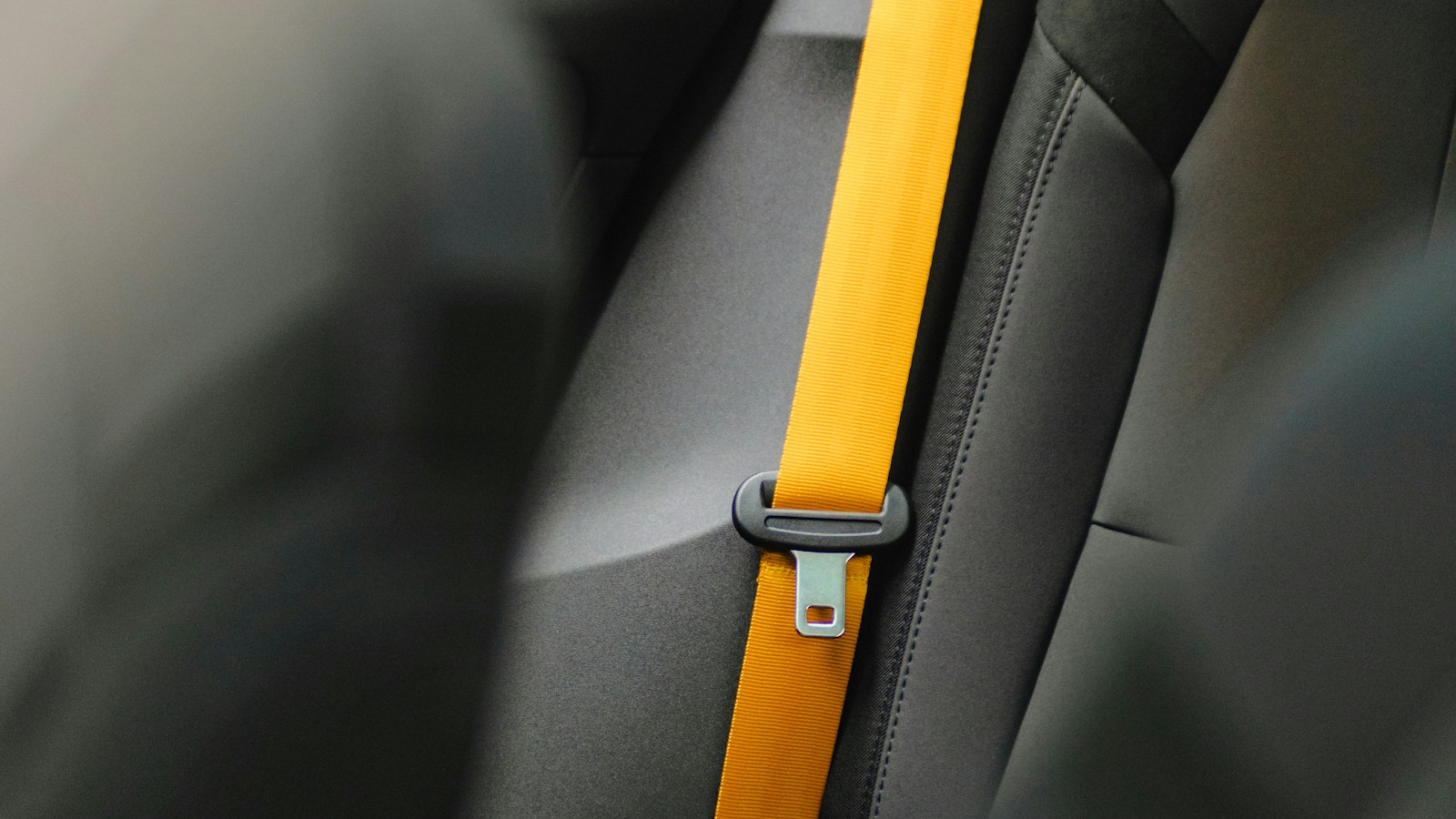
While sanitising fabric is key, cleaning must never compromise the structural safety of the seat. Car seat safety harness straps are woven from high-tensile polyester yarns engineered to absorb violent crash forces.
Australian child safety standards strictly prohibit soaking harness straps in bleach, harsh solvents, or machine washing them with aggressive spin cycles. Chemical oxidisers degrade synthetic polymer chains, weakening tensile strength by up to thirty percent.
Weakened harness webbing can snap during a high-speed collision. With tragic consequences. Detailers clean safety harness webbing using low-pressure dry steam through clean microfibre towels.
The technician glides the warm, damp towel along the straps in straight passes. Heat dissolves dried milk and sticky jam without saturating the core fibres.
Straps are dried immediately with air movers, ensuring crash safety webbing remains at full factory tensile strength.
How 150C Dry Vapour Sanitises Without Soaking Foam Padding
Child safety seats contain layers of expanded polystyrene (EPS) crash foam and soft foam comfort padding. Soaking these foam layers with liquid water creates serious drying headaches.
Wet foam takes days to dry inside an enclosed car. Dampness fosters black mould colonies that release toxic fungal spores right next to your child's head.
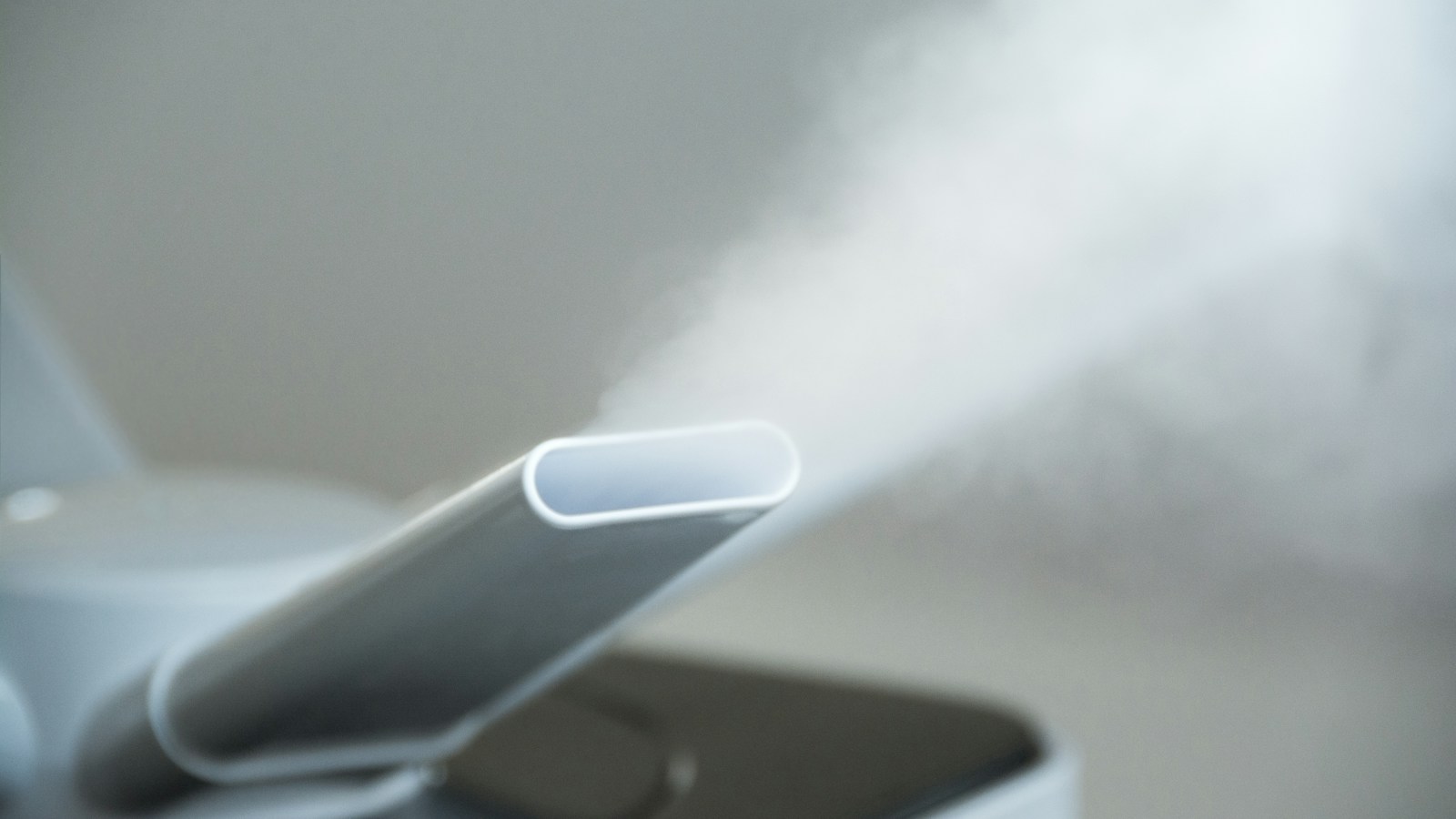
Commercial dry vapour steam generators produce steam with only five to ten percent liquid moisture. The tiny steam particles penetrate into the porous seat cover, sanitising the surface without soaking the foam below.
Because the thermal moisture dries out almost immediately, treated child seats dry fully within forty-five to sixty minutes.
Parents can pick up their vehicle and strap their child in immediately, confident that the seat is bone-dry and hygienically clean.
Degreasing and Cleaning Sticky Buckle Mechanisms
The central five-point safety buckle is a frequent victim of toddler food spills.Fruit juice, melted chocolate. Also, sticky lollies run down inside the spring-loaded release button.
Dried sugar glues internal locking tongues, making the red release button hard to press during emergencies. Conversely, sticky dirt can prevent latch tongues from clicking securely into place.
Technicians use focused micro-steam nozzles to direct a targeted jet of dry vapour directly into the buckle mechanism. The steam melts sticky sugars and flushes dried crumbs out through the drainage slot.
The buckle is dried thoroughly with compressed air and tested repeatedly to verify a crisp, positive engine latching sound.
A clean buckle ensures effortless everyday use and rapid, reliable release in an emergency.
ISOFIX Base Rails and Vehicle Anchor Point Sanitisation
Food crumbs and spilled liquids do not stop at the child seat cover. Liquid spills seep through seatbelt slots and pool on the vehicle's upholstery beneath the ISOFIX mounting base.
Detailers unclick child seats from their ISOFIX anchor latches and remove them fully from the vehicle.Technicians inspect the vehicle's rear bench seat. This often conceals mouldy crumbs and sticky liquid rings.
The vehicle's seat fabric, ISOFIX steel anchor bars. And top tether straps are steam cleaned, sanitised. Also, vacuumed thoroughly.
Cleaning beneath child seats prevents permanent indentation stains and fabric mould on your car's factory upholstery.
Once both the child seat and the vehicle bench are pristine and dry, the seat is reinstalled and latched securely.
Comparison Table: Chemical Disinfectants vs Dry Vapour Steam
The safety and output comparison between household chemical cleaning and expert steam sanitisation is outlined below.
| Evaluation Criterion. | Household Chemical Sprays. | Commercial Dry Vapour Steam. | Child Safety Advantage. |
|---|---|---|---|
| Chemical Toxic Residue. | High; surfactants, bleach, synthetic scent. | Zero chemical residue; pure thermal water. | Steam Sanitisation. |
| Bacterial Kill Rate. | Variable; requires 10 min wet contact time. | 99.9% destroyed instantly on contact. | Steam Sanitisation. |
| Harness Webbing Safety. | Hazardous; chemicals weaken tensile fibers. | Safe; low moisture preserves crash strength. | Steam Sanitisation. |
| Foam Drying Time. | 12 to 24 hours (mould incubation risk). | 45 to 60 minutes with airflow. | Steam Sanitisation. |
| Allergen Destruction. | Incomplete; dead mites remain in fabric. | Complete thermal denaturing of mite proteins. | Steam Sanitisation. |
The 10-Point Baby Seat Sanitisation Checklist
Follow this rigorous procedure to sanitize child safety seats safely and thoroughly.
- photo the seat belt routing and harness setup before removal for safe reinstallation.
- Unclip the child seat from ISOFIX points and vehicle seatbelts and remove it from the car.
- Vacuum loose crumbs, sand. Also, dried food using narrow crevice tools across all seams.
- Spot-treat food stains using mild, non-toxic bio-enzymatic spray on a microfibre cloth.
- Wrap the steam wand in two clean, thick microfibre towels to buffer direct moisture.
- Glide the steam head gently across all seat fabric covers, head supports. Also, side bolsters.
- Steam-purge the central red release buckle to flush out dried food and sticky sugar.
- Clean harness straps gently with warm, damp microfibre towels without soaking the webbing.
- Steam clean and sanitize the vehicle's rear seat bench and ISOFIX metal anchor loops.
- Dry all components with commercial air movers and test buckle latches before reinstallation.
Check your child seat belts each week. Clean belts slide fast and keep your baby safe on every road trip.
Keep your baby seat dry and sweet. Wipe down plastic trims with a clean cloth. Clean straps and buckles keep your child safe on every drive. Regular care takes five minutes and keeps your car in top shape.
Enjoy peace of mind on every family trip.Clean child seats make car rides calm, safe. And fun for all.
Clean baby seats make family life easy. You know your child sits on clean cloth that smells fresh. There are no sticky spots to catch dirt. Every road trip is fun and calm.
Keep a pack of clean cloths in your door bin. When milk spills happen, soak them up fast. Fast care keeps food stains from sinking deep into the seat pad.
Clean seats protect your car value on resale day. Families love buying cars with spotless back seats. Good care pays you back when sale day comes.
Armidale Regional Factors: Winter Damp and Farm Road Dust
Family vehicles in Armidale and across the New England Tablelands face distinctive environmental conditions. Cold winter mornings create condensation inside closed cars, causing dampness in child seats.
If cookie crumbs and formula residues are present, high humidity speeds up mould growth behind infant head cushions. Children breathing this damp air suffer from persistent morning coughs and runny noses.
In addition, unsealed country roads make fine dust that works its way through car door seals. Fine grit settles into seat harness retractors and buckle latches.
Regular steam sanitisation removes regional dust and prevents winter damp from fostering hazardous mould colonies.
Australian Child Restraint Safety Standards AS/NZS 1754
Child car seats in Australia must comply with strict mandatory safety standards governed by AS/NZS 1754 and enforced by Transport for NSW.
These safety rules dictate that restraint harnesses must never be modified, bleached, or subjected to chemical solvents that degrade synthetic webbing strength.
also, consumer shield rules enforced by the Australian Competition and Consumer Commission ensure that cleaning chemicals comply with non-toxic domestic safety standards.
expert detailing ensures compliance with these key Australian safety standards, guaranteeing your child's restraint provides uncompromised crash shield.
Daily Habits to Maintain Clean Child Seats Between Details
Simple preventative habits help parents maintain hygienic child seats between expert details. Keep a pack of water-based, fragrance-free baby wipes in your console for quick spill wipe-downs.
Shake out floor mats and crumb catchers once a week to prevent food from decomposing in the footwells. Never allow damp clothes or wet towels to sit on child seats after swimming trips.
Booking expert steam sanitisation with Detailing Mates every six months guarantees your children travel in a clean, hygienic. Also, hospital-grade environment.
People Also Ask About car baby seat steam sanitisation
Can you steam clean a baby car seat safely?
Yes. Commercial 150C dry vapour steam through microfibre bonnets is the safest cleaning method. It kills 99.9% of bacteria and viruses without using toxic chemicals or soaking soft foam padding.
Can steam damage car seat safety straps?
Direct high-pressure steam blasting can weaken webbing. However, gentle wiping with steam-warmed microfibre towels dissolves grime safely without saturating or damaging harness tensile strength.
How do you get vomit smell out of a baby car seat?
Apply non-toxic bio-enzymes to digest organic stomach acids, follow with low-moisture dry steam extraction. Also, dry the seat with high-velocity air blowers within one hour.
How often should a baby car seat be cleaned?
Child car seats should be deep cleaned and steam sanitised every three to six months, or immediately following illnesses, nappy leaks, or heavy food and milk spills.
Frequently Asked Questions on Child Restraint Care
Can you submerge a car seat buckle in water to clean it?
You can rinse the metal buckle mechanism in a cup of warm water. However, never use lubricants or soap inside the latch. A targeted dry steam pulse clears sticky sugars safely without leaving rust-promoting water.
Why shouldn't you machine-wash baby car seat straps?
Machine washing stretches, twists. Also, abrades the tight polyester weave of the harness. The heat from clothes dryers can also shrink webbing, compromising its ability to hold a child in a crash.
Will steam cleaning kill mould on baby car seats?
Yes. Steam heat levels exceeding 100C kill mould spores instantly on contact, sanitising the fabric and eliminating musty odours without leaving chemical fumes.
Can disinfectant wipes be used on baby car seats?
Most supermarket disinfectant wipes leave quaternary ammonium residues that cause skin rashes on babies. In addition, chemical bleaches can degrade the fire-retardant coatings on seat fabrics.
How long does it take for a baby seat to dry after steam sanitisation?
Because dry vapour steam uses minimal moisture, treated child seats typically dry fully within 45 to 60 minutes when dried with commercial centrifugal air movers.
Clean Baby Seats for Regional Family Adventures
Family road trips across the New England Tablelands are great fun for kids. Long drives to national parks or farm visits mean kids spend hours in their car seats. When snacks drop and drinks spill, seats get dirty fast.
Clean car seats keep your children happy and safe on every drive. Hot dry steam cleans deep into cloth fibres with zero harsh soap. There are no chemical smells to make little noses sneeze.
Vacuum your child seat once a week with a soft brush tool. Pick up biscuit crumbs before they get crushed into the seat weave. Wipe off sticky fruit marks with a warm damp cloth right away.
Clean seats protect your child and keep your family car fresh and sweet. Safe travel brings true peace of mind to busy parents.
Seasonal Child Seat Care in Northern NSW
Winter mornings in Armidale bring freezing air and high damp. If old food sits in cold car seats, mould can grow in days. That mould makes seats smell musty and stale.
Hot dry steam kills mould spores on contact. It cleans the cloth and dries fast in under an hour. You can strap your baby in with total confidence.
Take care of your child seat and it will look like new for years. When your child grows out of it, the seat will still be in top shape.
Conclusion: Protecting Your Most Precious Cargo
Your children deserve to travel in a clean, hygienic vehicle free from invisible bacteria, food mould. Also, toxic chemical residues.
Executing expert car baby seat steam sanitisation harnesses the natural thermal power of dry vapour steam to destroy ninety-nine point nine percent of germs while shielding key restraint safety straps. This non-toxic protocol delivers complete biological sanitation and pure driving peace of mind.
Give your family the gift of clean, safe travel.expert steam sanitisation shields your child's health, ensures restraint safety compliance. Also, keeps your family journeys happy and fresh.