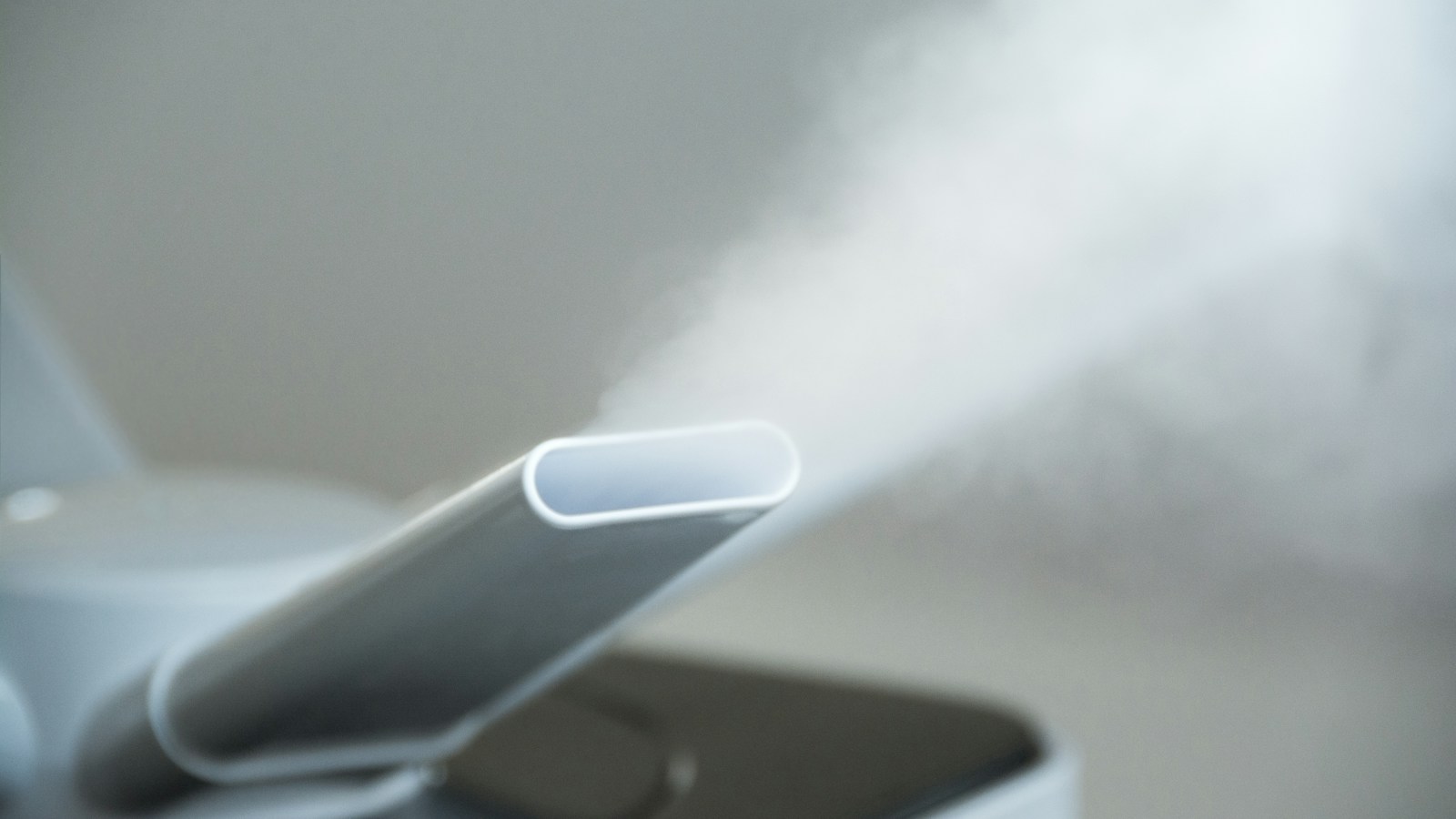
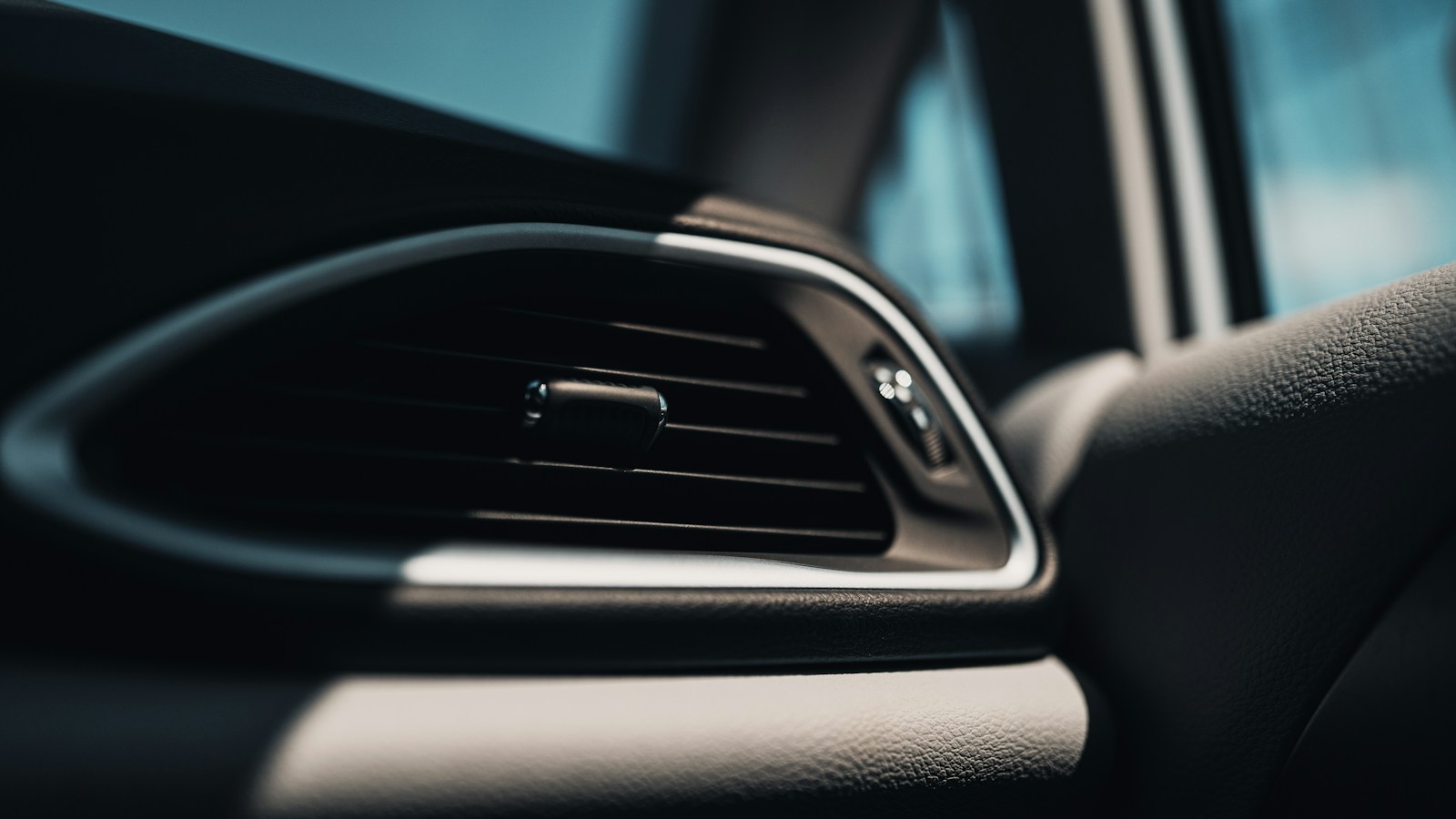
Turning on your vehicle's air conditioning on a warm afternoon should bring a blast of crisp, refreshing air. However, many Australian drivers are greeted instead by a foul, vinegar-like blast of damp gym socks.When foul ventilation smells strike, spending in expert automotive air conditioning steam sanitisation flushes out hidden bacterial slime, mould mats. Also, fungal spores from deep inside vehicle cooling ducts. In regional New South Wales, including Armidale and across the New England Tablelands, seasonal humidity and pollen build up quickly inside HVAC evaporator boxes. Exploring how superheated dry vapour steam purges air conditioning ducts ensures healthy, allergen-free air for every journey.
automotive air conditioning steam sanitisation is a high-heat HVAC cleaning procedure. By injecting 150C dry vapour steam and hospital-grade biocides directly into the evaporator core, drain tubes, and ventilation ducts, it destroys mould clusters, bacterial slime layers, and allergens to restore healthy cabin air.
- The Biology of HVAC dirt. Mould Mats and Bacterial Slime.
- Why Aerosol Odour Bombs Fail to Clean the Evaporator Core.
- Accessing the Evaporator Housing and Drain Tube Lines.
- Superheated Steam Purging. Thermal Bacterial Destruction.
- Hospital-Grade Biocidal Foam use Protocols.
- Cabin Air Filter Science. Particulate vs Activated Carbon.
- Comparison Table. AC Aerosol Cans vs Commercial Steam Sanitisation.
- The 10-Point car AC Steam Sanitisation Checklist.
- Armidale Spring Pollen and Autumn Dust Infiltration.
- Australian Public Health Standards and Respiratory shield.
- Daily Driver Habits to Prevent Moisture Buildup.
- People Also Ask About automotive air conditioning steam sanitisation.
- often Asked Questions on Vehicle Air Conditioning Care.
- Conclusion. Breathing Pure, Clean Air on Every Journey.
The Biology of HVAC dirt: Mould Mats and Bacterial Slime
To understand why car air conditioners smell foul, you have to look behind the dashboard at the evaporator core. The evaporator is a compact aluminium radiator through which cold refrigerant circulates.
As warm, humid cabin air passes over the freezing aluminium cooling fins, moisture condenses rapidly. During a thirty-minute drive, up to a litre of water drips off the evaporator core and drains out under the car.
However, when the car engine is turned off, the dark, damp evaporator box remains warm and wet.Airborne pollen, organic dust. Also, fungal spores drawn through the air intake settle on these moist fins.
Bacteria and fungi, particularly Aspergillus and Cladosporium species, multiply rapidly in this dark incubator. They form a thick, gelatinous slime layer known as a bacterial slime mat that coats the aluminium cooling fins.
Every time you turn on the fan, air rushes over this rotting slime layer, blowing millions of fungal spores, mould toxins. Also, sour volatile organic compounds directly into your lungs.
Executing expert automotive air conditioning steam sanitisation physically flushes this biological slime away, restoring clean, sterile airflow.
Why Aerosol Odour Bombs Fail to Clean the Evaporator Core
When faced with smelly air vents, many vehicle owners purchase aerosol AC odour bombs from auto parts stores.The instructions tell you to place the can in the footwell, set the AC to inner air mode. Also, let it spray.
While these aerosol sprays release a strong perfumed scent, they do virtually nothing to clean the dirty evaporator core. Aerosol droplets cannot dissolve thick bacterial slime mats.
The chemical fragrance merely deposits a thin perfume film over the top of the germ clusters.Within three to seven days, the perfume dries out. Also, the underlying sour smell returns with full force.
also, aerosol sprays leave sticky chemical residues on the internal fan blades and ducting. This actually attracts more airborne dust and speeds up future mould growth.
Physical thermal cleaning with superheated steam and biocidal foam is the only method that cleans the metal fins and removes the biological source of the smell.
Accessing the Evaporator Housing and Drain Tube Lines
Direct access to the evaporator core is key for complete sanitisation. Detailers begin by removing the vehicle's glovebox or lower passenger dashboard kick panels.
Technicians remove the cabin air filter and blower motor resistor, creating a direct check port into the evaporator housing. Detailers insert flexible micro-borescope cameras to inspect the condition of the fins.
The camera reveals whether the core is coated in white mould fur, black fungal mats, or rotting pine needles. Technicians also locate the rubber moisture drain tube beneath the car.
If the drain tube is clogged with road grit or leaf mulch, water cannot escape, causing water to pool inside the box. Clearing the drain ensures all cleaning solutions drain away freely.
Inspecting the housing thoroughly ensures the cleaning solutions reach every dirty corner of the cooling chamber.
Superheated Steam Purging: Thermal Bacterial Destruction
Once access is established, technicians insert long, flexible high-pressure steam lances into the evaporator housing. Dry vapour steam at one hundred and fifty degrees Celsius is injected under six bars of pressure.
The intense thermal energy shocks the germ clusters instantly. Superheated steam melts the sticky sticky slime matrix that glues bacterial slime layers to the aluminium fins.
High steam pressure blasts between the dense radiator fins, liquefying grime and dislodging mould mats. The liquefied dirt flush down through the open moisture drain tube onto the workshop floor.
Next, technicians turn the vehicle's ventilation fan to low and direct steam pulses into every individual dashboard and floor air vent. The heat sanitises the plastic ducting, destroying airborne spores.
Thermal steam reaches deep into curved ducting that liquid sprays and brushes can never touch, leaving ducts hospital-clean.
Hospital-Grade Biocidal Foam Application Protocols
Following thermal steam purging, detailers apply specialized foaming biocides into the evaporator box. These cleaners expand into a dense foam that fills the entire cooling chamber.
The expanding foam penetrates micro-crevices between the fins, coating all metal surfaces with active antimicrobial agents, such as quaternary ammonium compounds or natural tea tree biocides.
The foam dwells for fifteen to twenty minutes, destroying any remaining fungal spores and breaking down lingering biological odours. As the foam liquefies, it flushes out remaining residue through the drain.
The biocide leaves a tiny shielding barrier on the aluminium fins that inhibits future bacterial growth for up to twelve months.
Combining steam heat with residual biocide shield guarantees long-lasting ventilation freshness.
Cabin Air Filter Science: Particulate vs Activated Carbon
No air conditioning sanitisation is complete without replacing the cabin air filter.A dirty filter traps pollen, road soot. Also, dead insects, becoming a secondary odour source.
Standard OEM cabin filters are simple paper particulate filters that trap large dust and pollen grains. While good against physical debris, paper filters do not stop chemical gases or fine vehicle exhaust fumes.
Detailers recommend upgrading to multi-layer activated carbon cabin filters. Activated carbon features millions of tiny pores that chemically adsorb volatile organic compounds, diesel exhaust soot, and ozone.
High-end filters also incorporate polyphenol anti-allergen coatings that neutralize pollen proteins and prevent mould spores from germinating on the filter pleats.
Installing a fresh activated carbon filter ensures the air entering your sanitised ventilation system remains pure and clean.
Comparison Table: AC Aerosol Cans vs Commercial Steam Sanitisation
The contrast between supermarket aerosol cans and commercial steam sanitisation is demonstrated below.
| output Factor. | Retail Aerosol Bomb Can. | expert Steam Sanitisation. | Evaluation. |
|---|---|---|---|
| slime layer Slime Removal. | None; leaves slime on cooling fins. | 100% thermal and chemical flushing. | Steam Sanitisation. |
| Mould Spore Destruction. | Low; masks smells with perfume. | 99.9% destroyed by 150C thermal shock. | Steam Sanitisation. |
| Duct Penetration. | Surface misting inside cabin only. | Full depth steam lance into evaporator box. | Steam Sanitisation. |
| Duration of Clean Air. | 3 to 7 days before stench returns. | 6 to 12 months of clean airflow. | Steam Sanitisation. |
| Chemical Safety. | Synthetic aerosol fragrances irritate lungs. | Hospital-grade biocide and non-toxic steam. | Steam Sanitisation. |
The 10-Point Automotive AC Steam Sanitisation Checklist
Follow this detailed checklist to sanitise your vehicle's air conditioning system thoroughly.
- Disassemble lower dashboard trims to access the cabin filter housing and evaporator box.
- Remove the old, dirty cabin air filter and discard it immediately.
- Inspect the evaporator cooling fins using a high-resolution digital borescope camera.
- Clear the exterior moisture drain tube with compressed air to ensure free liquid drainage.
- Bleed steam lines and insert a high-pressure lance directly into the evaporator housing.
- Inject 150C dry vapour steam across the evaporator core to blast away bacterial slime.
- Apply expanding biocidal antibacterial foam into the housing and allow it to dwell for 15 minutes.
- Steam-purge all dashboard, windscreen demister. Also, rear passenger air conditioning ducts.
- Install a brand-new multi-stage activated carbon cabin air filter into the clean housing.
- Reassemble dashboard panels and run the ventilation on fresh air mode to complete drying.
Clean air vents keep your car smelling like new. When you turn on the fan, you get cool, fresh air with zero bad smells. It makes every drive a joy for the whole family.
Fresh air makes every country road trip a true pleasure. When your car AC runs clean, your whole cabin feels cool and sweet. You breathe easy on hot summer days.
Turn off the AC button two miles before you reach home. Keep the fan on high to blow air across the cooling fins. This quick step dries out water drops fast.
A dry cooling box stops mould from growing in the dark. It stops sour vent smells before they can even start. It takes zero cash and two minutes of your time.
Swap out your cabin filter every spring. A new filter catches road dust and pollen with ease. You and your family enjoy clean, crisp air on every drive.
Armidale Spring Pollen and Autumn Dust Infiltration
Armidale's unique regional environment creates big challenges for vehicle ventilation systems.In spring, flowering wattle, pine plantations. Also, exotic deciduous trees release massive pollen clouds.
Fine pollen particles bypass worn cabin filters and stick to moist evaporator cooling fins, providing nutrient-rich food for fungal clusters. In autumn, unsealed country roads make fine basalt dust that coats air duct interiors.
When moist winter weather sets in, this dust and pollen mixture begins spoiling inside the HVAC box. Scheduling an annual air conditioning sanitisation in early spring or autumn ensures your ventilation system is free of regional biological dirt.
Clean air ducts protect allergy sufferers from sneezing fits, runny eyes. Also, respiratory fatigue during long country drives.
Australian Public Health Standards and Respiratory Protection
Indoor air quality inside vehicles is an key public health thought. Breathing dirty air inside an enclosed cabin triggers asthma attacks and chronic sinus headaches.
Health alerts from NSW Health warn that exposure to mould and airborne mould toxins in confined spaces compromises immune systems, especially in children and elderly passengers.
Commercial vehicle users must also comply with vehicle hygiene standards enforced by Safe Work Australia. Providing safe, breathable air in company fleet vehicles is a mandatory duty of care.
Regular HVAC steam sanitisation ensures your vehicle meets strict public health standards, keeping your family and work colleagues breathing pure, clean air.
Daily Driver Habits to Prevent Moisture Buildup
In addition to expert sanitisation, simple daily driving habits help prevent mould from returning. The most good habit is drying the evaporator before parking.
Two minutes before arriving at your destination, turn off the AC compressor button (A/C off) while leaving the fan running on high with fresh air selected.
This air airflow dries out moisture droplets off the aluminium fins before you switch off the ignition. Parking a dry evaporator box prevents bacterial slime from forming in the dark.
Booking an annual AC sanitisation with Detailing Mates ensures your system remains hospital-clean, odor-free. Also, performing at peak cooling efficiency.
People Also Ask About automotive air conditioning steam sanitisation
Can steam cleaning remove musty air conditioner smell in a car?
Yes.Injecting 150C dry vapour steam directly into the evaporator core and ventilation ducts kills mould clusters, melts bacterial slime. Also, flushes biological dirt out through the moisture drain.
Why does my car AC smell like vinegar or damp socks?
The foul smell is caused by bacterial slime layers and mould growing on the moist aluminium fins of your air conditioning evaporator core. When you turn on the fan, air blows these fungal spores into the cabin.
How much does car AC steam cleaning cost in Australia?
expert automotive air conditioning steam sanitisation and biocide treatment typically costs between $150 and $280 in Australia, including installation of a new activated carbon cabin filter.
Do car air conditioning bomb cans work?
Retail aerosol cans provide a temporary perfume masking effect for a few days. However, they cannot remove bacterial slime mats from the evaporator fins. expert steam cleaning is required for permanent eradication.
Frequently Asked Questions on Vehicle Air Conditioning Care
How often should you sanitise your car air conditioning?
Air conditioning systems should be sanitised once every twelve months, ideally in spring before peak summer cooling demands, or whenever foul damp odours become noticeable.
Can a dirty car AC make you sick?
Yes.Breathing airborne mould spores and bacterial VOCs from a dirty evaporator can cause headaches, sinus congestion, eye irritation, sore throats. Also, trigger severe asthma attacks.
Where is the car AC moisture drain located?
The drain tube is located under the vehicle on the firewall or gears tunnel, beneath the passenger footwell. Clear water dripping from this tube during AC use proves the drain is clear.
Will steam cleaning damage vehicle electronics behind the dash?
expert detailers use low-moisture dry vapour steam and protect sensitive blower motor resistors and wiring harnesses with waterproof covers, ensuring zero risk of electrical shorts.
Is an activated carbon cabin filter better than a standard paper filter?
Yes.Activated carbon filters trap exhaust soot, ozone. Also, chemical odours that pass straight through standard paper filters, providing greatly cleaner air for vehicle occupants.
Spring Pollen and Rural Road Dust in Regional Air Ducts
Spring in the New England Tablelands brings clouds of yellow wattle pollen and pine dust. That fine dust blows through car air intakes every day. It sticks to the cold, wet cooling fins behind the dash.
When winter ends and warm days begin, that trapped dust starts to smell sour. Turning on the fan blows musty air into your face. It triggers sneezing fits and runny eyes on long highway drives.
Cleaning your air ducts with hot steam clears out that old pollen. The hot steam melts away grime and sanitises every air vent. You get fresh, clean air on every trip.
Change your cabin air filter every spring. A clean filter with active carbon stops dust and fumes before they enter the cooling box. It keeps you and your family breathing easy.
Simple Driver Habits for Clean and Fresh Air Conditioning
You can stop musty smells before they start with one simple habit.Turn off the AC button two minutes before you get home. But leave the fan blowing on high.
This fresh airflow dries off the wet cooling fins before you park in the garage. A dry cooling box stops mould from growing in the dark.
This small habit takes zero effort and keeps your air conditioning fresh all year round. Pair it with annual steam sanitisation for the cleanest cabin air possible.
Conclusion: Breathing Pure, Clean Air on Every Journey
Clean vehicle air conditioning is not a luxury. it is a basic requirement for healthy, comfortable driving.
Executing expert automotive air conditioning steam sanitisation removes bacterial slime mats, destroys mould clusters. Also, purges foul odours from deep inside your vehicle's cooling ducts. Replacing old filters with activated carbon technology ensures you and your family breathe hospital-grade fresh air on every journey.
Banish foul vent smells today.expert steam sanitisation delivers crisp cooling output, shields your respiratory health. Also, restores pure driving comfort.