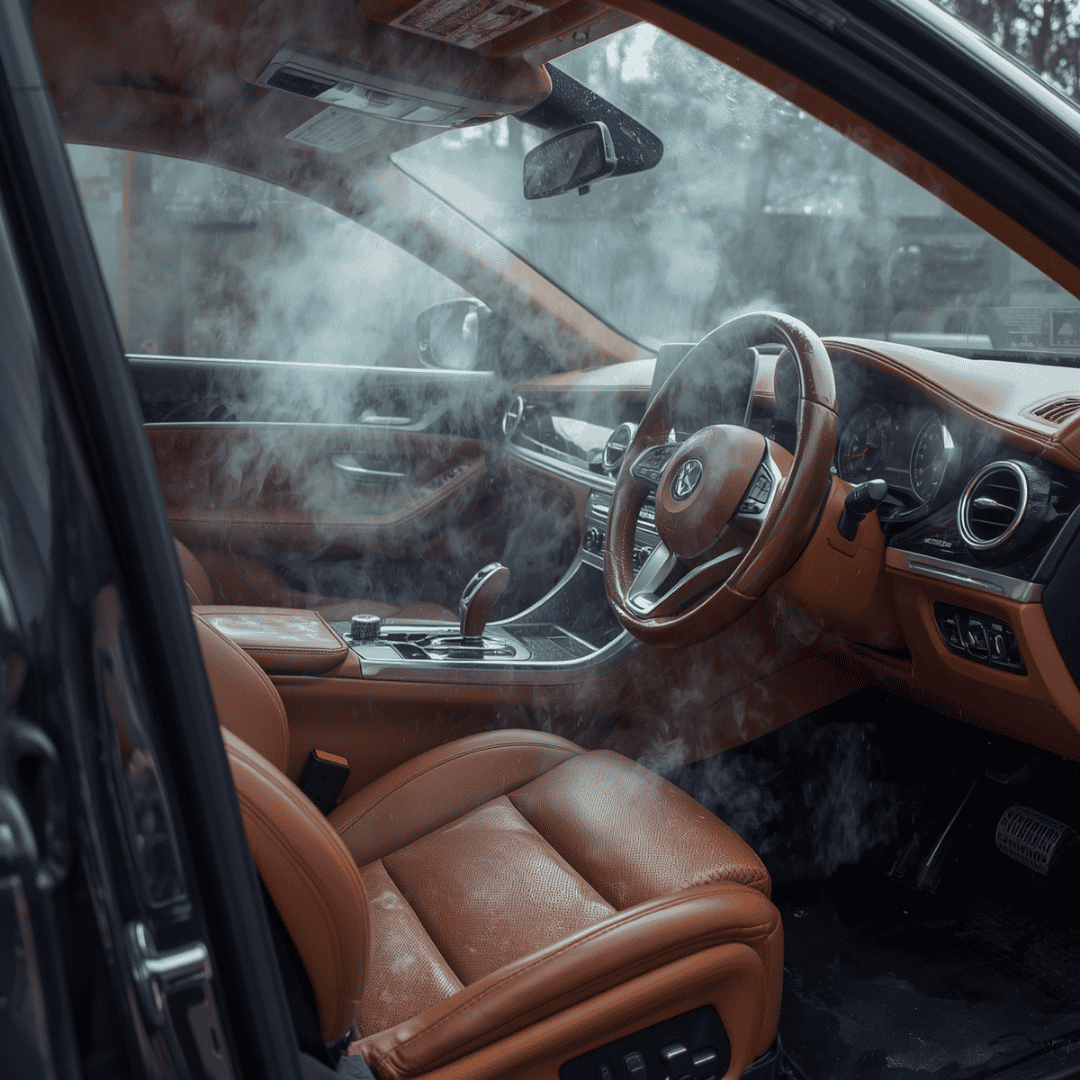
An Interior steam clean is one of the most practical ways Australian car owners can refresh seats, carpets, mats, trims, cup holders, child-seat areas and hard-to-reach cabin spaces without relying heavily on harsh chemicals. From my experience in car detailing content and service research, people usually search for this because their car has odours, food spills, pet hair, beach sand, sweat marks, child mess, ride-share wear, mould concerns or a general “old car smell” that normal vacuuming cannot fix.
In Australia, vehicle interiors face unique conditions. Hot summers, coastal humidity, sudden rain, red dust, sunscreen residue, fast-food spills and daily commuting all affect the cabin. Therefore, interior steam cleaning is not only about making the car look neat. It is also about lifting embedded grime, reducing odours, improving comfort and protecting interior materials when the job is done correctly.
Featured Definition: What Is Interior Steam Clean?
An Interior steam clean is a deep car cabin cleaning method that uses controlled hot steam to loosen dirt, stains, grease, odours and build-up from seats, carpets, mats, trims and tight areas. It helps refresh the interior with less chemical use, but surfaces must be tested, cleaned and dried properly.
Table of Contents
- Why Interior Steam Clean Matters in Australia
- How Interior Steam Cleaning Works
- Interior Steam Clean vs Standard Interior Detail
- What Areas of the Car Can Be Steam Cleaned?
- When Should You Book an Interior Steam Clean?
- Step-by-Step Interior Steam Clean Checklist
- Australian Conditions That Affect Car Interiors
- Benefits of Interior Steam Cleaning
- Risks, Limits and When Steam Is Not Enough
- Mould, Odours and Moisture: What Australian Drivers Should Know
- Interior Steam Clean for Families, Pets and Ride-Share Cars
- How Long Does an Interior Steam Clean Take?
- How Often Should Australians Steam Clean a Car Interior?
- DIY vs Professional Interior Steam Clean
- People Also Ask
- Expert Q&A
- Conclusion
Why Interior Steam Clean Matters in Australia
Australian cars work hard. Many drivers use the same vehicle for school runs, work commutes, shopping, beach trips, camping weekends, pet transport and family travel. As a result, the interior collects more than visible dust.
For example, carpets trap sand and soil. Fabric seats absorb sweat and drink spills. Leather and vinyl collect sunscreen, body oils and dust. Meanwhile, air vents, seat rails, cup holders and door pockets gather crumbs and sticky residue.
Because of this, a basic vacuum is useful but limited. It removes loose debris, yet it cannot always lift deep grime from fibres or soften sticky build-up in small gaps. This is where an Interior steam clean can help.
Steam cleaning uses heat and moisture in a controlled way. The steam loosens soil, helps break down residue and allows the technician to wipe or extract dirt more effectively. According to the Australian Centre for Disease Control’s mould-related illness resources, mould and dampness are recognised public health topics, and official guidance focuses on reducing exposure and managing damp environments. This matters because damp vehicle carpets and seats can become uncomfortable and unhealthy if ignored.
However, steam is not magic. It must be used with the right pressure, distance, attachment and drying process. Too much heat or moisture can damage delicate fabrics, electronics, glue, foam backing or trims. Therefore, good technique matters as much as the machine.
How Interior Steam Cleaning Works
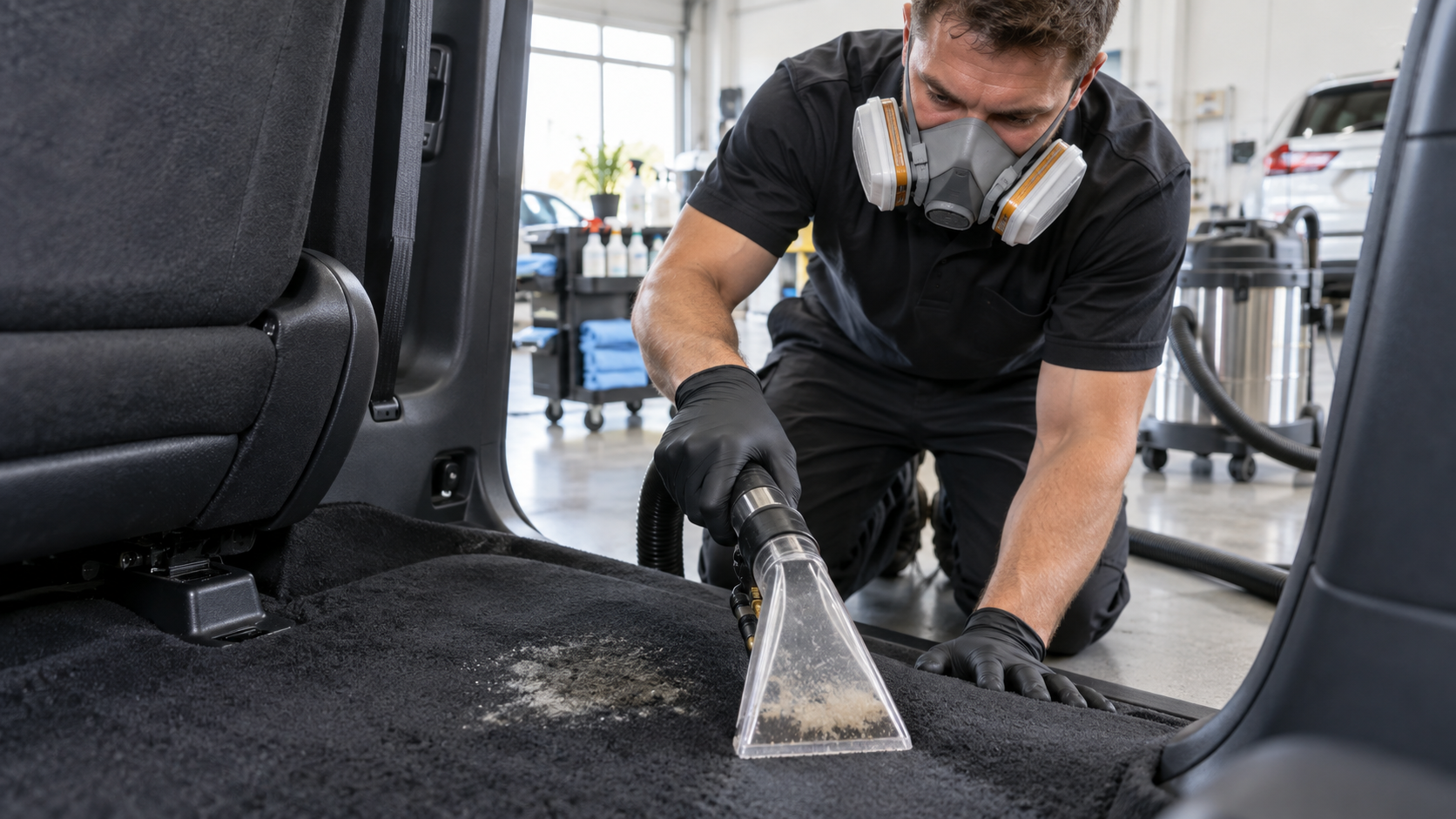
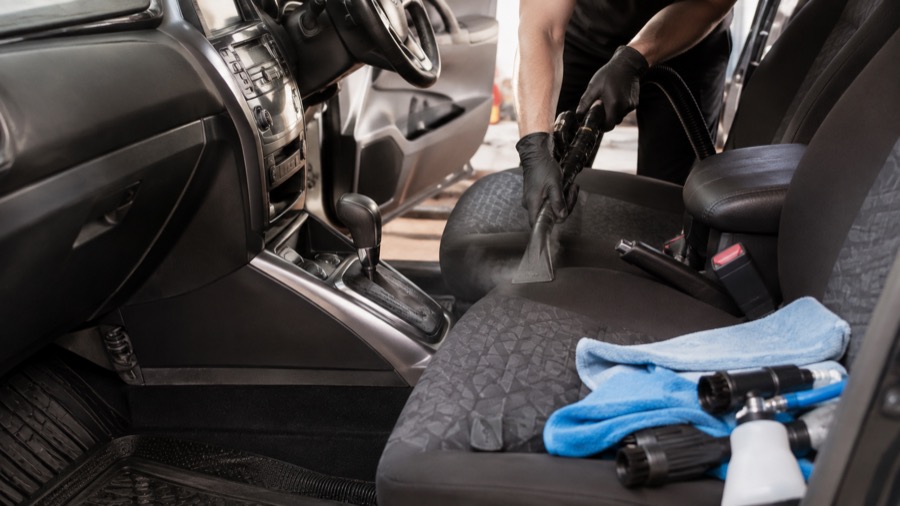
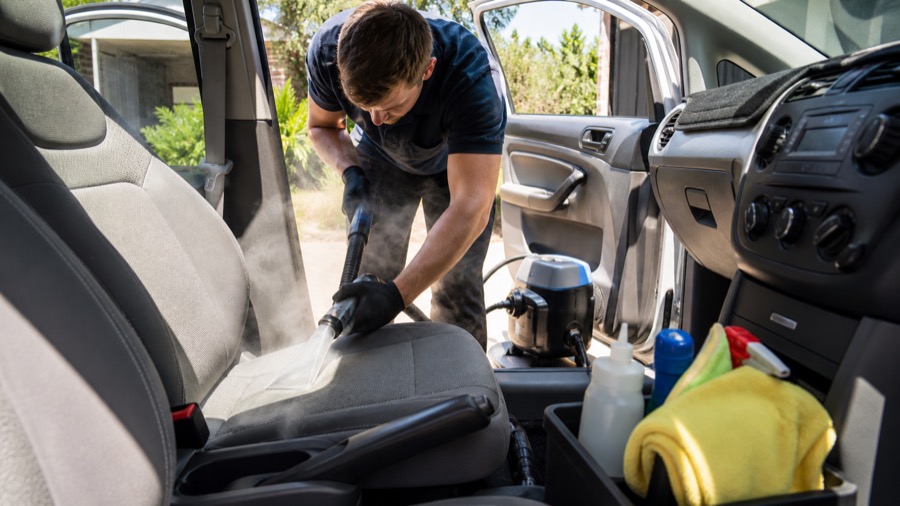
Interior steam cleaning uses heated water vapour to loosen dirt from surfaces. In car detailing, the steam is usually directed through a nozzle, brush or small attachment. Then, the loosened dirt is wiped away with microfibre towels or removed with vacuum extraction, depending on the surface.
The process usually includes four stages.
First, the interior is inspected. A detailer checks seat material, stains, odours, mould signs, pet hair, sand, electrical controls and delicate trims.
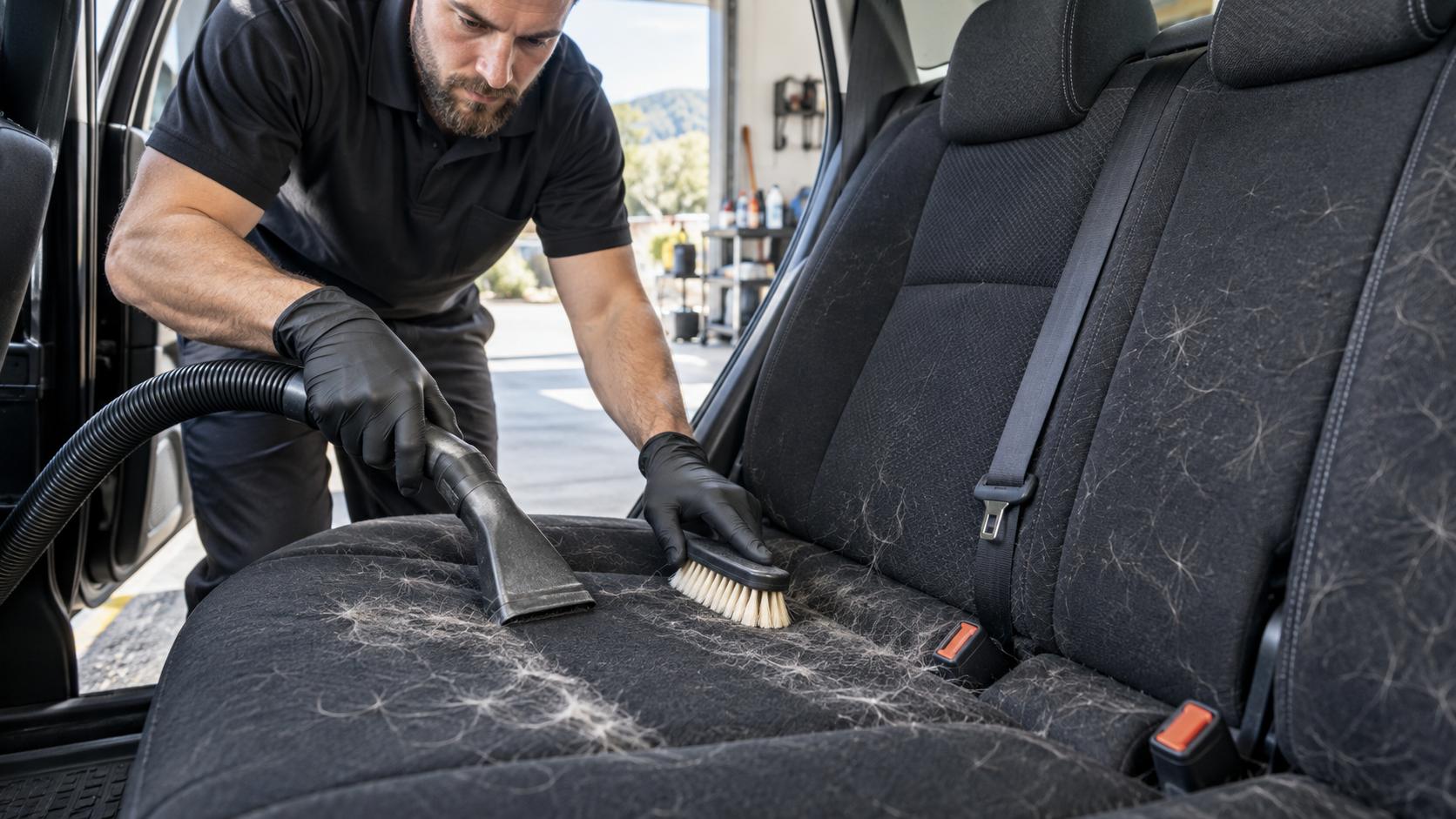
Next, the cabin is vacuumed thoroughly. This is important because steam should not be used as a replacement for vacuuming. If loose grit remains, wiping can drag particles across surfaces and cause scratches.
Then, steam is applied carefully. On fabric, it helps loosen grime. On plastic trims, it can soften sticky residue. Around cup holders, buttons and seams, it helps reach areas that cloths cannot clean easily.
Finally, the vehicle is dried and checked. Doors may be left open in a safe shaded area. Airflow is important, especially in humid parts of Australia.
A proper Interior steam clean is controlled, not rushed. The aim is to clean deeply while keeping moisture levels sensible.
Interior Steam Clean vs Standard Interior Detail
A standard interior detail and an Interior steam clean overlap, but they are not the same. A standard detail usually focuses on vacuuming, wiping, dressing, glass cleaning and general presentation. Steam cleaning adds heat-assisted deep cleaning for built-up dirt, stains and odours.
| Service Type | Best For | Main Method | Strengths | Limitations |
|---|---|---|---|---|
| Basic interior clean | Light dust, crumbs, quick refresh | Vacuum and wipe-down | Fast and affordable | Limited stain and odour removal |
| Standard interior detail | Regular maintenance | Vacuum, wipe, brush, glass clean | Good all-round cabin clean | May not reach deep fabric grime |
| Interior steam clean | Deeper grime, odours, sticky residue | Controlled hot steam plus wiping/extraction | Good for seams, fabrics, trims and tight spaces | Needs correct drying and material testing |
| Shampoo extraction | Heavy fabric stains and spills | Pre-spray, agitation and extraction | Strong for carpets and cloth seats | Can use more moisture than steam |
| Mould-focused cleaning | Visible mould or damp smell | Inspection, cleaning, drying and prevention | Targets moisture-related contamination | Severe mould may need specialist remediation |
In many cases, the best result comes from combining methods. For example, a car with sandy carpets may need vacuuming, brushing and extraction. A car with sticky buttons may need steam and careful detailing brushes. A car with heavy odour may need source removal before deodorising.
What Areas of the Car Can Be Steam Cleaned?
An Interior steam clean can be used across many cabin areas, but not every surface should receive the same level of heat or moisture.
Common areas include:
- Fabric seats
- Carpet flooring
- Floor mats
- Boot carpet
- Door trims
- Cup holders
- Seat rails
- Centre console gaps
- Dashboard edges
- Steering wheel surfaces
- Gear selector area
- Child-seat contact zones
- Pet hair zones
- Air vent surrounds
- Interior handles and switches
However, caution is needed around electronics, infotainment screens, open buttons, instrument clusters and seat controls. Steam should not be blasted directly into electrical areas.
Leather also needs care. Steam can help loosen surface grime, but too much heat can dry leather, affect coatings or cause uneven results. Therefore, leather should be cleaned gently and conditioned with suitable products after cleaning.
Suede, Alcantara, damaged headliners and older glued trims require extra caution. In some cases, steam is not the best option.
When Should You Book an Interior Steam Clean?
Many Australian car owners wait until the car smells bad before booking a deep clean. However, earlier cleaning is usually easier, safer and more effective.
You may need an Interior steam clean if:
- The car has a musty smell after rain.
- Seats have sweat marks, food spills or drink stains.
- The carpet feels sticky or dusty after beach trips.
- You transport pets often.
- Children eat in the car.
- You bought a used car and want a fresh start.
- You drive for Uber, DiDi, taxi, delivery or client visits.
- You notice sunscreen marks on trims or seats.
- The car has been parked unused for weeks.
- You want the interior detailed before selling the vehicle.
From my experience, the best time to clean is before stains become permanent. Fresh spills are easier to lift. Old spills can bind with fabric fibres, foam, dust and heat. As a result, they may improve but not disappear fully.
Step-by-Step Interior Steam Clean Checklist
Use this numbered checklist to understand what a proper Interior steam clean should include.
- Inspect the interior first
Check fabric type, leather condition, stains, odours, mould, pet hair, sand, water damage and electronic controls. - Remove personal items
Take out coins, chargers, child seats, documents, rubbish, boot items and loose accessories. - Dry vacuum the whole cabin
Vacuum seats, carpets, boot, mats, under seats, side pockets and crevices before steam is used. - Brush seams and carpet fibres
Agitation helps loosen embedded dirt, especially in footwells and seat joins. - Spot test delicate areas
Test hidden spots before cleaning leather, coloured fabrics, older trims or unknown materials. - Apply steam in controlled passes
Use short, even passes. Avoid soaking one area. Keep safe distance from delicate surfaces. - Wipe or extract loosened dirt
Steam loosens grime, but towels or extraction remove it from the surface. - Clean tight areas carefully
Use suitable attachments around cup holders, seat rails, console edges and door handles. - Dry the interior properly
Open doors where safe, use airflow and avoid trapping moisture inside the car. - Final inspect and protect
Check stains, odours, wet areas and trims. Apply suitable fabric, vinyl or leather protection if needed.
This checklist is also useful when comparing service providers. A good professional should explain the process clearly, not just say “we steam everything”.
Australian Conditions That Affect Car Interiors
Australia’s environment can be tough on vehicle interiors.
In coastal suburbs, humidity and salty air can leave cabins feeling damp, especially when cars are parked outside. In cities such as Brisbane, Gold Coast, Sydney and Perth, cars often carry beach sand, sunscreen and sweat. In regional areas, red dust and fine soil can settle deep into carpets and seat stitching.
Moreover, heat matters. A closed car can become very hot in summer. Heat can bake stains into fabric, intensify odours and soften sticky residue. Therefore, a drink spill left for a few weeks may become much harder to remove.
Rain and flooding are also concerns. If water enters through windows, seals, blocked drains or wet shoes, moisture can sit under mats and carpets. NSW Health notes that mould can grow in wet or moist areas that lack ventilation, and moisture accumulation often leads to mould growth on indoor surfaces. Although that guidance refers broadly to indoor environments, the same moisture principle is relevant to vehicle cabins because carpets, fabric and insulation can also hold dampness.
Therefore, Australian drivers should treat damp smells seriously. A steam clean can help clean affected surfaces, but the water source must also be found and fixed.
Benefits of Interior Steam Cleaning
1. Deeper Cleaning Than Wiping Alone
Steam helps loosen grime from textured surfaces, seams, stitching and small gaps. This is useful around gear selectors, cup holders, seat rails and door handles.
2. Reduced Chemical Use
Many car owners prefer steam because it can reduce reliance on strong chemical cleaners. However, some stains still require safe, targeted products. Safe Work Australia explains that businesses using hazardous chemicals have duties to control risks and ensure workers understand hazards. For car detailing operators, this reinforces the value of sensible chemical handling, labels, ventilation and training.
3. Better Odour Control
Odours often come from bacteria, spills, sweat, food residue, pet accidents or moisture. Steam can help loosen the source. However, deodoriser alone only masks smells. The source must be cleaned first.
4. Useful for Family Cars
Family vehicles collect crumbs, milk spills, sticky hands, sports gear smells and child-seat marks. Steam helps clean around tight child-seat zones and seat belt buckles when used carefully.
5. Helpful Before Selling a Car
A clean interior can improve buyer confidence. It shows care and makes test drives more pleasant. However, it should not be used to hide water damage or serious mould issues.
6. Good for Ride-Share and Work Vehicles
Drivers who carry passengers need a clean, fresh cabin. A regular Interior steam clean can support a more professional passenger experience.
Risks, Limits and When Steam Is Not Enough
Interior steam cleaning has many benefits, but balanced advice is important.
Steam may not remove every stain. Some stains are permanent because dyes, acids, oils or heat have changed the fabric. For example, old coffee, ink, sunscreen, fake tan, hair dye and red drink spills can be difficult.
Steam can also cause damage if used incorrectly. Too much heat may affect delicate trims. Too much moisture can create dampness. Direct steam near electronics can cause faults. Aggressive brushing can damage fabric fibres.
Additionally, steam cleaning is not a full mould remediation service for severe contamination. If a car has extensive mould, flood damage or ongoing leaks, it may need specialist inspection. According to NSW Health mould guidance, moisture and poor ventilation are key mould factors, and many mould types can cause health problems. For a vehicle, this means cleaning should be paired with drying and fixing the moisture source.
Therefore, a professional should be honest. If a stain cannot be fully removed, they should explain why. If mould appears serious, they should recommend a safer pathway rather than overpromising.
Mould, Odours and Moisture: What Australian Drivers Should Know
Mould and odour problems are common after water exposure. In cars, moisture may come from wet carpets, leaks, air-conditioning condensation, blocked sunroof drains, open windows, flood exposure or damp items left inside.
A musty smell is often a warning sign. However, odour alone does not confirm the level of contamination. The first step is inspection.
Look under mats. Touch the carpet carefully. Check the boot well. Smell near the air vents. Inspect seat bases and child-seat areas. Also check whether windows fog up often from inside.
If the car is damp, drying is critical. Steam cleaning a damp car without proper drying can make the problem worse. The goal is to clean and reduce moisture, not add more.
The Australian Centre for Disease Control mould-related illness resources bring together national and state guidance on mould and mould-related illness. This supports a cautious approach when visible mould, dampness or health symptoms are involved.
From my experience, many vehicle odour issues improve only after the source is removed. For example, a car may still smell after air freshener because milk residue remains in the carpet foam. In that case, steam, extraction and drying may be needed together.
Interior Steam Clean for Families, Pets and Ride-Share Cars
Family Cars
Family cars usually need more than a quick wipe. Children spill drinks, drop food and touch every surface. Therefore, steam cleaning can help around seat edges, child-seat bases, buckles and door trims.
However, child seats should be cleaned according to manufacturer instructions. Do not soak straps or apply heat without checking the manual. Safety equipment must be handled carefully.
Pet Owners
Pet hair, dander, saliva and odour can settle into fabric. Steam may help loosen some residue, but pet hair usually needs dedicated rubber tools, brushes and vacuuming first. Otherwise, moisture can make hair clump into fabric.
Ride-Share Drivers
Ride-share drivers need clean interiors more often because passengers judge the cabin quickly. A fresh smell, clean seats and tidy footwells can improve comfort. Still, overuse of fragrance should be avoided. Many passengers prefer a neutral clean smell.
Tradies and Work Vehicles
Work utes and vans often collect dust, sweat, lunch spills and mud. An Interior steam clean can help restore comfort, but heavy soil must be vacuumed and brushed first.
How Long Does an Interior Steam Clean Take?
The time depends on vehicle size, condition and service level.
A small hatchback with light dirt may take less time than a seven-seat SUV with pet hair, stains and child-seat marks. As an estimate, a proper interior deep clean may take from a couple of hours to several hours. Severe odour, mould or wet carpet can take longer.
Drying time also varies. In dry warm weather, the cabin may dry faster with airflow. In humid or rainy weather, it may need more time. Therefore, it is better to book the service when the car can stay open or ventilated safely after cleaning.
Avoid driving immediately with wet carpets if possible. Closed doors and trapped moisture can create odour again.
How Often Should Australians Steam Clean a Car Interior?
There is no single rule for every car. However, here is a practical guide.
| Driver Type | Suggested Interior Steam Clean Frequency | Reason |
| Light private use | Every 6–12 months | Keeps dust, stains and odours controlled |
| Family car | Every 3–6 months | Food, spills and child-seat marks build up faster |
| Pet transport | Every 2–4 months | Hair, odours and dander need regular control |
| Ride-share or taxi | Monthly to quarterly | High passenger turnover increases wear |
| Beach or camping vehicle | After heavy trips or every 3–6 months | Sand, moisture and mud collect deeply |
| Used car purchase | Once after purchase | Gives the cabin a fresh baseline |
These are general estimates, not fixed rules. If the car smells, feels sticky or has visible stains, clean earlier.
DIY vs Professional Interior Steam Clean
Some Australians buy small steam cleaners for home use. DIY can help with light maintenance, but professional detailing usually gives better results for deep cleaning.
| Option | Pros | Cons | Best For |
| DIY steam cleaner | Lower upfront control, convenient for small jobs | Limited power, higher risk if used incorrectly, slower | Small spills, cup holders, light refresh |
| Professional mobile detailer | Better tools, experience, process and drying advice | Costs more than DIY | Deep cleaning, odours, family cars, resale prep |
| Full detailing studio | Controlled workspace, equipment, lighting | May require travel and booking time | Premium details, severe interior condition |
| Specialist remediation | Handles serious contamination | Higher cost, may require assessment | Flood damage, heavy mould, biohazard concerns |
Professional help is usually better when there are stains, mould signs, strong odours, expensive materials, leather, electronics or resale pressure.
Choosing an Interior Steam Clean Service in Australia
When choosing a provider, do not compare only on price. Ask what is included.
Good questions include:
- Do you vacuum before steam cleaning?
- Do you spot test fabric and leather?
- Do you use extraction for wet or stained carpets?
- How do you dry the interior?
- Can you clean around child-seat areas?
- Do you treat mould differently from normal dirt?
- Are chemicals used, and are they suitable for car interiors?
- What results are realistic for old stains?
- Is the service mobile or workshop-based?
- What should I do before and after the booking?
A trustworthy provider gives clear answers. They should not guarantee impossible results. Instead, they should explain the likely improvement based on the car’s condition.
Interior Steam Clean and Material Safety
Car interiors contain many materials. A modern car may include cloth, leather, vinyl, rubber, piano black trim, touchscreens, foam, glue, carpet backing and electrical switches.
Therefore, material safety matters.
Fabric seats can usually handle careful steam, but they should not be soaked. Leather needs gentle cleaning and aftercare. Headliners are risky because many are glued; too much steam can weaken adhesive and cause sagging. Electronics should be protected from direct moisture. Gloss trims scratch easily and need soft towels.
Work health and safety also matters for professionals. The Safe Work Australia hazardous chemicals guidance explains that chemical users must control risks and understand hazards. In detailing, this supports careful product selection, safe storage, ventilation and correct use rather than mixing strong cleaners casually.
What Results Should You Expect?
A good Interior steam clean should leave the car fresher, cleaner and more comfortable. Seats should feel less grimy. Carpets should look brighter. Cup holders and trims should feel cleaner. Odours should reduce if the source is treated.
However, realistic expectations matter.
Steam cleaning may not fully remove:
- Permanent dye stains
- Old sunscreen marks
- Bleached or faded fabric
- Deep foam contamination
- Heavy smoke odour in headliner and vents
- Flood damage
- Mould caused by an unfixed leak
- Scratches, cracks or worn leather
In many cases, the result is a strong improvement rather than a brand-new interior. That is normal and honest.
People Also Ask
Is Interior steam clean good for car seats in Australia?
Yes, an Interior steam clean can be good for many car seats when done correctly. It helps loosen dirt, sweat, spills and odours, but the technician should test the material first and avoid over-wetting the seat.
How long does a car interior take to dry after steam cleaning?
Drying may take a few hours, depending on weather, humidity, airflow and how much moisture was used. In humid Australian conditions, drying can take longer, so ventilation is important.
Can steam cleaning remove mould from a car interior?
Steam cleaning may help clean affected surfaces, but mould needs careful handling. The moisture source must be fixed, and heavy mould or flood damage may need specialist advice rather than a normal interior detail.
Is interior steam cleaning safe for leather seats?
It can be safe if done gently by someone who understands leather care. However, too much heat or moisture can dry or damage leather, so careful cleaning and conditioning are recommended.
Is a steam clean better than shampooing a car interior?
It depends on the problem. Steam is useful for sanitising-style cleaning, seams and sticky residue, while shampoo extraction may be better for heavy fabric spills and deep carpet stains.
Expert Q&A Section
1. Can Interior steam clean remove smoke smell from a used car?
It can reduce smoke smell, especially from seats, carpets and hard surfaces. However, smoke can settle into the headliner, vents, foam and cabin filter area. Therefore, a complete odour treatment may need steam cleaning, extraction, vent cleaning, filter replacement and time.
2. Should I steam clean my car before selling it?
Yes, it is often a smart step before selling. A cleaner interior creates a better first impression and helps buyers feel more confident. However, the service should be honest and should not hide water damage, mould or serious defects.
3. Can steam cleaning damage car electronics?
Yes, it can if steam is directed into buttons, screens, switches or electrical modules. A professional should use controlled steam near electronics and wipe carefully rather than forcing moisture into openings.
4. What should I do before booking an Interior steam clean?
Remove personal items, child seats, boot items and important documents. Also tell the detailer about spills, pet accidents, mould, leaks, medical concerns or delicate materials so they can choose the safest process.
5. Why does my car still smell after cleaning?
The odour source may still be present under carpet, inside foam, in vents or around hidden spills. In addition, moisture left after cleaning can create a new smell. A proper inspection, deeper extraction and better drying may be needed.
Conclusion
An Interior steam clean is a practical deep-cleaning option for Australian car owners who want a fresher, cleaner and more comfortable cabin. It is especially useful for family cars, pet vehicles, ride-share cars, used cars and interiors affected by sweat, food, beach sand, sticky residue and light odours.
However, the best results come from the right process. The car should be vacuumed first, materials should be tested, steam should be controlled and the interior should be dried properly. Also, serious mould, flood damage or ongoing leaks should be treated carefully, not covered with fragrance.
For Australian drivers, the goal is simple: clean the source, protect the materials and keep the cabin dry. If you want a professional interior clean for your vehicle, visit Detailing Mates mobile car detailing services in Australia and book a service that suits your car’s condition.