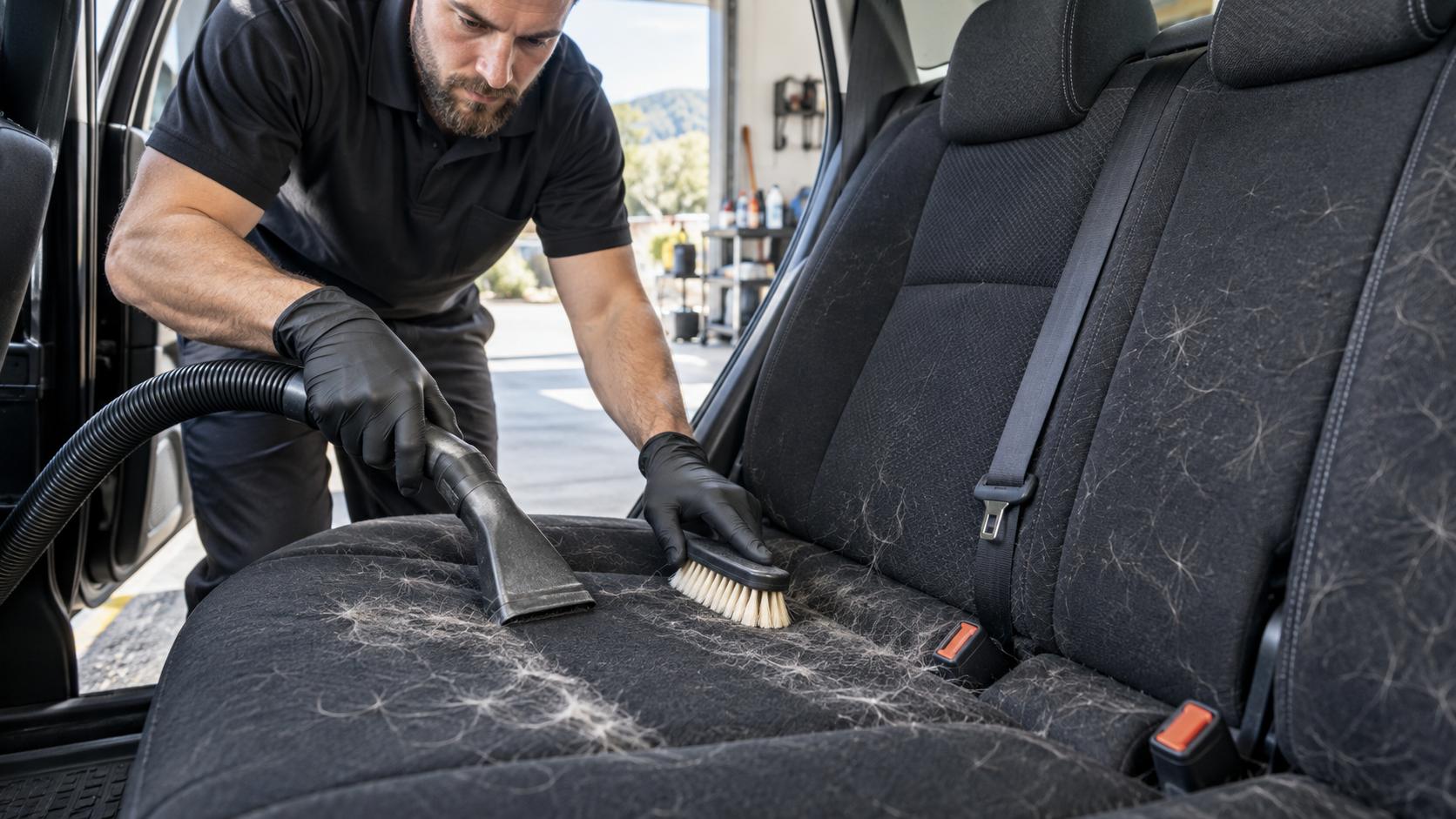
Pet hair removal car detailing is easiest to plan when the service is built around the actual contamination, material and use of the vehicle. Pet hair removal is a mechanical separation job before it is a vacuuming job. Hair hooks into carpet pile, migrates below seat rails and carries skin flakes and outdoor debris, so a reliable result depends on fabric-safe tools, patient sectioning and a separate odour assessment.
Pet hair removal car detailing is a condition-led service that identifies the affected surfaces, selects compatible tools and products, controls moisture, documents limits and provides aftercare suited to Australian conditions.
Contents
- Survey where hair travels
- Separate loose hair from embedded hair
- Match the tool to the textile
- Manage static electricity
- Work in small grids
- Protect seams and seat mechanisms
- Address the boot and cargo barrier
- Treat odour as a separate problem
- Check the cabin filter question
- Allow realistic labour time
- Verify the finish in angled light
- Reduce the next build-up
- Booking checklist
- Common questions
- Next step
Why this service needs its own process
Pet hair removal is a mechanical separation job before it is a vacuuming job. Hair hooks into carpet pile, migrates below seat rails and carries skin flakes and outdoor debris, so a reliable result depends on fabric-safe tools, patient sectioning and a separate odour assessment.
A useful quote begins with photos and a short history. Explain the vehicle type, how it is used, how long the issue has been present and what previous products or repairs may affect the work. According to Australian Consumer Law service guidance, Australian services should be supplied with due care and skill, which makes clear scope and realistic expectations important.
Survey where hair travels
Inspect seat faces, carpet edges, boot trim, child-seat anchors and the gap beneath folding seats. Air movement and passenger activity often carry hair well beyond the pet’s usual position.
For Pet hair removal car detailing, this stage should be completed before moving to separate loose hair from embedded hair. The technician should note what was observed, which surface was tested and whether the next step changes because of damage, moisture, access or previous treatment.
Quality check 1
Inspect the area in natural or neutral light, use a clean towel to check residue, and compare it with an untreated reference area. If the material changes colour, feel or sheen unexpectedly, stop and reassess rather than covering the result with dressing or fragrance.
Separate loose hair from embedded hair
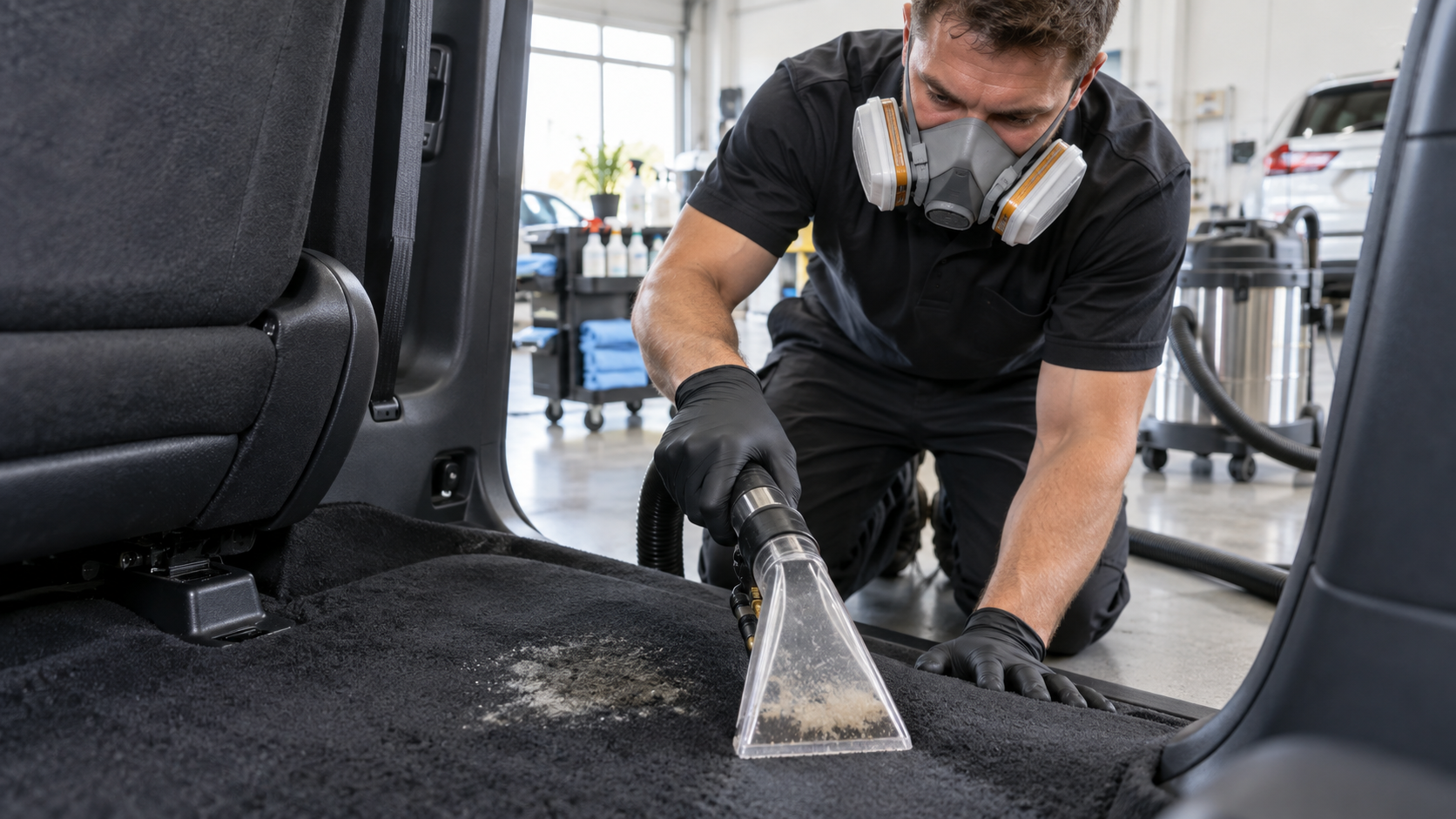
A first vacuum pass removes loose material and reveals the fibres that remain hooked into fabric. Starting with heavy brushing can spread hair into clean zones.
For Pet hair removal car detailing, this stage should be completed before moving to match the tool to the textile. The technician should note what was observed, which surface was tested and whether the next step changes because of damage, moisture, access or previous treatment.
Quality check 2
Inspect the area in natural or neutral light, use a clean towel to check residue, and compare it with an untreated reference area. If the material changes colour, feel or sheen unexpectedly, stop and reassess rather than covering the result with dressing or fragrance.
Match the tool to the textile
Rubber tools, soft brushes and fabric stones behave differently. Delicate seat cloth, loop carpet and hard-wearing boot liner should not all receive the same friction.
For Pet hair removal car detailing, this stage should be completed before moving to manage static electricity. The technician should note what was observed, which surface was tested and whether the next step changes because of damage, moisture, access or previous treatment.
Quality check 3
Inspect the area in natural or neutral light, use a clean towel to check residue, and compare it with an untreated reference area. If the material changes colour, feel or sheen unexpectedly, stop and reassess rather than covering the result with dressing or fragrance.
Manage static electricity
Dry weather can make fine hair cling strongly. Light, material-safe static control and a consistent collection direction can improve removal without soaking the upholstery.
For Pet hair removal car detailing, this stage should be completed before moving to work in small grids. The technician should note what was observed, which surface was tested and whether the next step changes because of damage, moisture, access or previous treatment.
Quality check 4
Inspect the area in natural or neutral light, use a clean towel to check residue, and compare it with an untreated reference area. If the material changes colour, feel or sheen unexpectedly, stop and reassess rather than covering the result with dressing or fragrance.
Work in small grids
Divide a seat or carpet into sections, loosen hair toward one edge and vacuum each completed grid. This prevents repeatedly chasing the same fibres across a large cabin.
For Pet hair removal car detailing, this stage should be completed before moving to protect seams and seat mechanisms. The technician should note what was observed, which surface was tested and whether the next step changes because of damage, moisture, access or previous treatment.
Quality check 5
Inspect the area in natural or neutral light, use a clean towel to check residue, and compare it with an untreated reference area. If the material changes colour, feel or sheen unexpectedly, stop and reassess rather than covering the result with dressing or fragrance.
Protect seams and seat mechanisms
Hair packs into stitching, runners and hinge points. Narrow tools should be used carefully so wiring, sensors and moving parts are not damaged.
For Pet hair removal car detailing, this stage should be completed before moving to address the boot and cargo barrier. The technician should note what was observed, which surface was tested and whether the next step changes because of damage, moisture, access or previous treatment.
Quality check 6
Inspect the area in natural or neutral light, use a clean towel to check residue, and compare it with an untreated reference area. If the material changes colour, feel or sheen unexpectedly, stop and reassess rather than covering the result with dressing or fragrance.
Address the boot and cargo barrier
SUV boots, side pockets and barrier mounts often contain the densest build-up. Removable mats should be treated outside the vehicle so released hair does not return to the cabin.
For Pet hair removal car detailing, this stage should be completed before moving to treat odour as a separate problem. The technician should note what was observed, which surface was tested and whether the next step changes because of damage, moisture, access or previous treatment.
Quality check 7
Inspect the area in natural or neutral light, use a clean towel to check residue, and compare it with an untreated reference area. If the material changes colour, feel or sheen unexpectedly, stop and reassess rather than covering the result with dressing or fragrance.
Treat odour as a separate problem
Hair removal alone will not solve urine, saliva, damp bedding or food residue. The source needs identification before extraction, enzyme treatment or controlled deodorising is proposed.
For Pet hair removal car detailing, this stage should be completed before moving to check the cabin filter question. The technician should note what was observed, which surface was tested and whether the next step changes because of damage, moisture, access or previous treatment.
Quality check 8
Inspect the area in natural or neutral light, use a clean towel to check residue, and compare it with an untreated reference area. If the material changes colour, feel or sheen unexpectedly, stop and reassess rather than covering the result with dressing or fragrance.
Check the cabin filter question
Persistent animal odour may be influenced by the ventilation system, but filter replacement is not a substitute for cleaning contaminated interior surfaces.
For Pet hair removal car detailing, this stage should be completed before moving to allow realistic labour time. The technician should note what was observed, which surface was tested and whether the next step changes because of damage, moisture, access or previous treatment.
Quality check 9
Inspect the area in natural or neutral light, use a clean towel to check residue, and compare it with an untreated reference area. If the material changes colour, feel or sheen unexpectedly, stop and reassess rather than covering the result with dressing or fragrance.
Allow realistic labour time
Two visually similar vehicles can require very different effort because pile type, hair length and months of accumulation matter. Photos and an inspection support a fairer quote.
For Pet hair removal car detailing, this stage should be completed before moving to verify the finish in angled light. The technician should note what was observed, which surface was tested and whether the next step changes because of damage, moisture, access or previous treatment.
Quality check 10
Inspect the area in natural or neutral light, use a clean towel to check residue, and compare it with an untreated reference area. If the material changes colour, feel or sheen unexpectedly, stop and reassess rather than covering the result with dressing or fragrance.
Verify the finish in angled light
Low-angle light reveals fine pale hairs on dark fabric and dark hairs on light trim. Inspect from several directions before applying any final fabric protection.
For Pet hair removal car detailing, this stage should be completed before moving to reduce the next build-up. The technician should note what was observed, which surface was tested and whether the next step changes because of damage, moisture, access or previous treatment.
Quality check 11
Inspect the area in natural or neutral light, use a clean towel to check residue, and compare it with an untreated reference area. If the material changes colour, feel or sheen unexpectedly, stop and reassess rather than covering the result with dressing or fragrance.
Reduce the next build-up
Washable covers, boot liners, pet restraints and quick weekly vacuuming keep hair near the surface. Prevention can turn a major reset into manageable maintenance.
For Pet hair removal car detailing, this stage should be completed before moving to survey where hair travels. The technician should note what was observed, which surface was tested and whether the next step changes because of damage, moisture, access or previous treatment.
Quality check 12
Inspect the area in natural or neutral light, use a clean towel to check residue, and compare it with an untreated reference area. If the material changes colour, feel or sheen unexpectedly, stop and reassess rather than covering the result with dressing or fragrance.
Environmental and chemical controls
Professional vehicle care also includes runoff and product management. NSW EPA stormwater guidance explains why wash water should not be allowed to enter stormwater systems, while Safe Work Australia chemical information describes the role of safety data sheets in understanding chemical hazards, handling and storage.
Customers do not need to specify every chemical. They can, however, ask how sensitive surfaces are tested, how wastewater is managed, how the vehicle will dry and what needs to stay untouched after the service.
Pet hair removal car detailing booking checklist
- Provide clear daylight photos of the affected areas.
- Explain the vehicle’s use, storage and previous cleaning history.
- Remove valuables and identify any item that must remain in place.
- Ask for inclusions, exclusions and likely limitations in writing.
- Confirm access, weather planning, drying time and handover arrangements.
- Discuss unusual contamination before the appointment.
- Keep the invoice and aftercare instructions.
Questions Australian vehicle owners ask
Can every pet hair be removed?
A professional can usually achieve a major improvement, but deeply woven fibres in delicate or damaged fabric may remain. Expectations should be agreed after inspection.
Does steam remove pet hair?
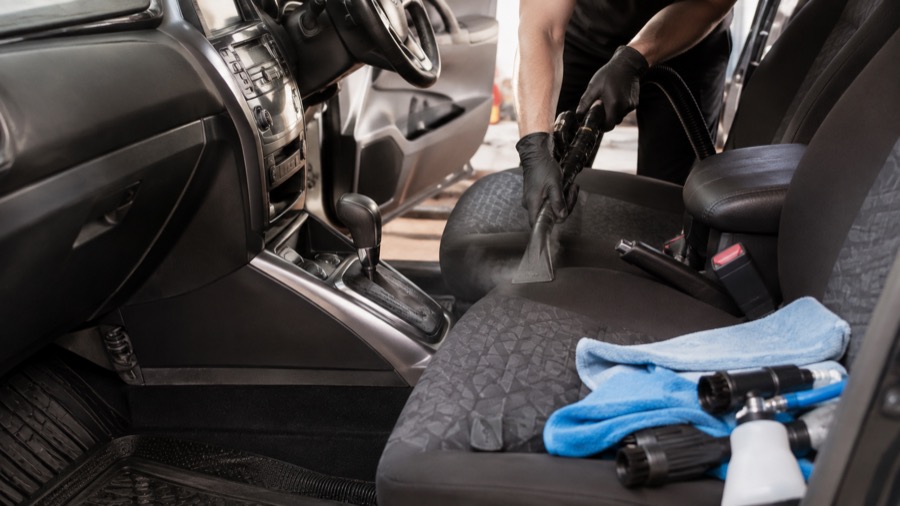
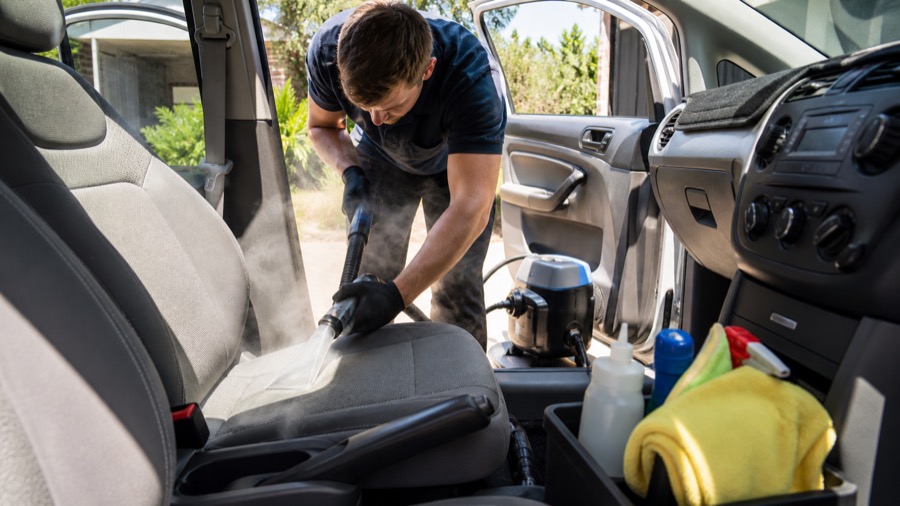
Steam may support later cleaning, but it is not the primary hair-removal tool. Mechanical loosening and vacuum collection come first.
Why does pet-hair detailing cost more?
The job is labour intensive and must be completed section by section. Vehicle size, carpet pile, access and contamination history all affect time.
Will fragrance remove pet odour?
Fragrance only masks odour temporarily. The source must be found and treated, followed by controlled drying.
How should a vehicle be prepared?
Remove pet equipment and personal items, disclose known accidents or damp areas, and provide clear photos of seats, carpet and the boot.
Choosing the right level of service
A light maintenance visit and a corrective service solve different problems. The detailer should explain which stage creates the improvement, which defects or contamination may remain and whether drying or follow-up work is required. Price becomes meaningful only when two quotes include comparable labour and outcomes.
Review suitable options through Detailing Mates vehicle-care services in Armidale. Share the condition honestly so the booking allows enough time and the safest process can be prepared.
Aftercare and final inspection
Before handover, inspect the work in useful light and check all areas that were discussed. Surfaces should feel clean rather than greasy, controls should remain safe to use, and no pooled moisture or chemical residue should be left behind. Ask when the vehicle can return to normal use.
Aftercare should match the completed service. Avoid household chemicals, address new contamination early and return for review if moisture, odour, staining or finish changes reappear. Good maintenance protects the work without repeating an aggressive reset.
Field note: survey where hair travels
Inspect seat faces, carpet edges, boot trim, child-seat anchors and the gap beneath folding seats. Air movement and passenger activity often carry hair well beyond the pet’s usual position. At the follow-up, record whether the result remained stable after normal use. This helps separate a recurring source from a one-off contamination event and gives the next appointment evidence rather than guesswork.
Field note: separate loose hair from embedded hair
A first vacuum pass removes loose material and reveals the fibres that remain hooked into fabric. Starting with heavy brushing can spread hair into clean zones. At the follow-up, record whether the result remained stable after normal use. This helps separate a recurring source from a one-off contamination event and gives the next appointment evidence rather than guesswork.
Field note: match the tool to the textile
Rubber tools, soft brushes and fabric stones behave differently. Delicate seat cloth, loop carpet and hard-wearing boot liner should not all receive the same friction. At the follow-up, record whether the result remained stable after normal use. This helps separate a recurring source from a one-off contamination event and gives the next appointment evidence rather than guesswork.
Field note: manage static electricity
Dry weather can make fine hair cling strongly. Light, material-safe static control and a consistent collection direction can improve removal without soaking the upholstery. At the follow-up, record whether the result remained stable after normal use. This helps separate a recurring source from a one-off contamination event and gives the next appointment evidence rather than guesswork.
Field note: work in small grids
Divide a seat or carpet into sections, loosen hair toward one edge and vacuum each completed grid. This prevents repeatedly chasing the same fibres across a large cabin. At the follow-up, record whether the result remained stable after normal use. This helps separate a recurring source from a one-off contamination event and gives the next appointment evidence rather than guesswork.
Conclusion
Pet hair removal car detailing deserves a process designed for its own material, contamination and safety considerations. A documented inspection, controlled method, honest limits and practical aftercare produce more value than a generic package with a different title.