Leather car seat cleaning Armidale is easiest to plan when the service is built around the actual contamination, material and use of the vehicle. Leather is durable, yet its coated surface, perforations, seams and high-contact bolsters respond differently to heat, friction and cleaning products. This guide follows a material-first process for Armidale vehicles rather than treating every seat like household furniture.
Leather car seat cleaning Armidale is a condition-led service that identifies the affected surfaces, selects compatible tools and products, controls moisture, documents limits and provides aftercare suited to Australian conditions.
Contents
- Identify the upholstery before cleaning
- Map body-oil accumulation
- Vacuum seams without scratching
- Perform a colour-transfer test
- Control cleaner dwell time
- Protect perforated seating
- Treat stitching and piping gently
- Judge sheen rather than fragrance
- Choose conditioning by finish
- Plan drying in cool weather
- Review wear that cleaning cannot fix
- Create a practical maintenance interval
- Booking checklist
- Common questions
- Next step
Why this service needs its own process
Leather is durable, yet its coated surface, perforations, seams and high-contact bolsters respond differently to heat, friction and cleaning products. This guide follows a material-first process for Armidale vehicles rather than treating every seat like household furniture.
A useful quote begins with photos and a short history. Explain the vehicle type, how it is used, how long the issue has been present and what previous products or repairs may affect the work. According to Australian Consumer Law service guidance, Australian services should be supplied with due care and skill, which makes clear scope and realistic expectations important.
Identify the upholstery before cleaning
Factory leather, synthetic leather and coated trims can look similar. Check the vehicle information, inspect an inconspicuous area and note any recolouring, cracking or previous repair before selecting a cleaner.
For Leather car seat cleaning Armidale, this stage should be completed before moving to map body-oil accumulation. The technician should note what was observed, which surface was tested and whether the next step changes because of damage, moisture, access or previous treatment.
Quality check 1
Inspect the area in natural or neutral light, use a clean towel to check residue, and compare it with an untreated reference area. If the material changes colour, feel or sheen unexpectedly, stop and reassess rather than covering the result with dressing or fragrance.
Map body-oil accumulation
Steering-side bolsters, headrests and seat edges usually collect the most skin oil and sunscreen. Mapping the darker or shinier zones allows controlled attention without repeatedly scrubbing sound areas.
For Leather car seat cleaning Armidale, this stage should be completed before moving to vacuum seams without scratching. The technician should note what was observed, which surface was tested and whether the next step changes because of damage, moisture, access or previous treatment.
Quality check 2
Inspect the area in natural or neutral light, use a clean towel to check residue, and compare it with an untreated reference area. If the material changes colour, feel or sheen unexpectedly, stop and reassess rather than covering the result with dressing or fragrance.
Vacuum seams without scratching
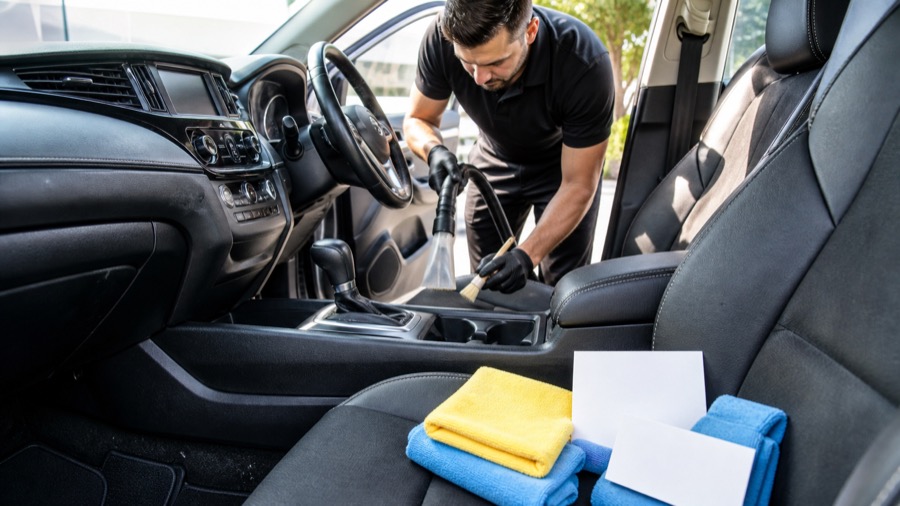
Use a soft brush and protected crevice tool to lift grit from stitching and folds. Removing abrasive particles first reduces the chance of dragging them across a coated surface during wet cleaning.
For Leather car seat cleaning Armidale, this stage should be completed before moving to perform a colour-transfer test. The technician should note what was observed, which surface was tested and whether the next step changes because of damage, moisture, access or previous treatment.
Quality check 3
Inspect the area in natural or neutral light, use a clean towel to check residue, and compare it with an untreated reference area. If the material changes colour, feel or sheen unexpectedly, stop and reassess rather than covering the result with dressing or fragrance.
Perform a colour-transfer test
Apply the proposed product to a hidden patch with a white towel. Unexpected pigment on the towel, a sticky feel or a gloss change is a reason to stop and reassess the material.
For Leather car seat cleaning Armidale, this stage should be completed before moving to control cleaner dwell time. The technician should note what was observed, which surface was tested and whether the next step changes because of damage, moisture, access or previous treatment.
Quality check 4
Inspect the area in natural or neutral light, use a clean towel to check residue, and compare it with an untreated reference area. If the material changes colour, feel or sheen unexpectedly, stop and reassess rather than covering the result with dressing or fragrance.
Control cleaner dwell time
Work in small sections so the cleaner does not dry on the seat. Mild agitation should loosen soil while the towel removes residue before it migrates into perforations or seams.
For Leather car seat cleaning Armidale, this stage should be completed before moving to protect perforated seating. The technician should note what was observed, which surface was tested and whether the next step changes because of damage, moisture, access or previous treatment.
Quality check 5
Inspect the area in natural or neutral light, use a clean towel to check residue, and compare it with an untreated reference area. If the material changes colour, feel or sheen unexpectedly, stop and reassess rather than covering the result with dressing or fragrance.
Protect perforated seating
Perforated panels need less liquid, not more. Product should be applied to the tool or towel rather than poured onto the seat, particularly where heating, ventilation or sensors sit beneath the cover.
For Leather car seat cleaning Armidale, this stage should be completed before moving to treat stitching and piping gently. The technician should note what was observed, which surface was tested and whether the next step changes because of damage, moisture, access or previous treatment.
Quality check 6
Inspect the area in natural or neutral light, use a clean towel to check residue, and compare it with an untreated reference area. If the material changes colour, feel or sheen unexpectedly, stop and reassess rather than covering the result with dressing or fragrance.
Treat stitching and piping gently
Contrasting thread and raised piping can wear faster than broad panels. A soft detail brush, low pressure and prompt wiping preserve these edges better than aggressive scrubbing.
For Leather car seat cleaning Armidale, this stage should be completed before moving to judge sheen rather than fragrance. The technician should note what was observed, which surface was tested and whether the next step changes because of damage, moisture, access or previous treatment.
Quality check 7
Inspect the area in natural or neutral light, use a clean towel to check residue, and compare it with an untreated reference area. If the material changes colour, feel or sheen unexpectedly, stop and reassess rather than covering the result with dressing or fragrance.
Judge sheen rather than fragrance
Clean automotive leather usually has an even, low-sheen appearance. Heavy shine may indicate remaining body oil or an unsuitable dressing, while strong fragrance says little about actual cleanliness.
For Leather car seat cleaning Armidale, this stage should be completed before moving to choose conditioning by finish. The technician should note what was observed, which surface was tested and whether the next step changes because of damage, moisture, access or previous treatment.
Quality check 8
Inspect the area in natural or neutral light, use a clean towel to check residue, and compare it with an untreated reference area. If the material changes colour, feel or sheen unexpectedly, stop and reassess rather than covering the result with dressing or fragrance.
Choose conditioning by finish
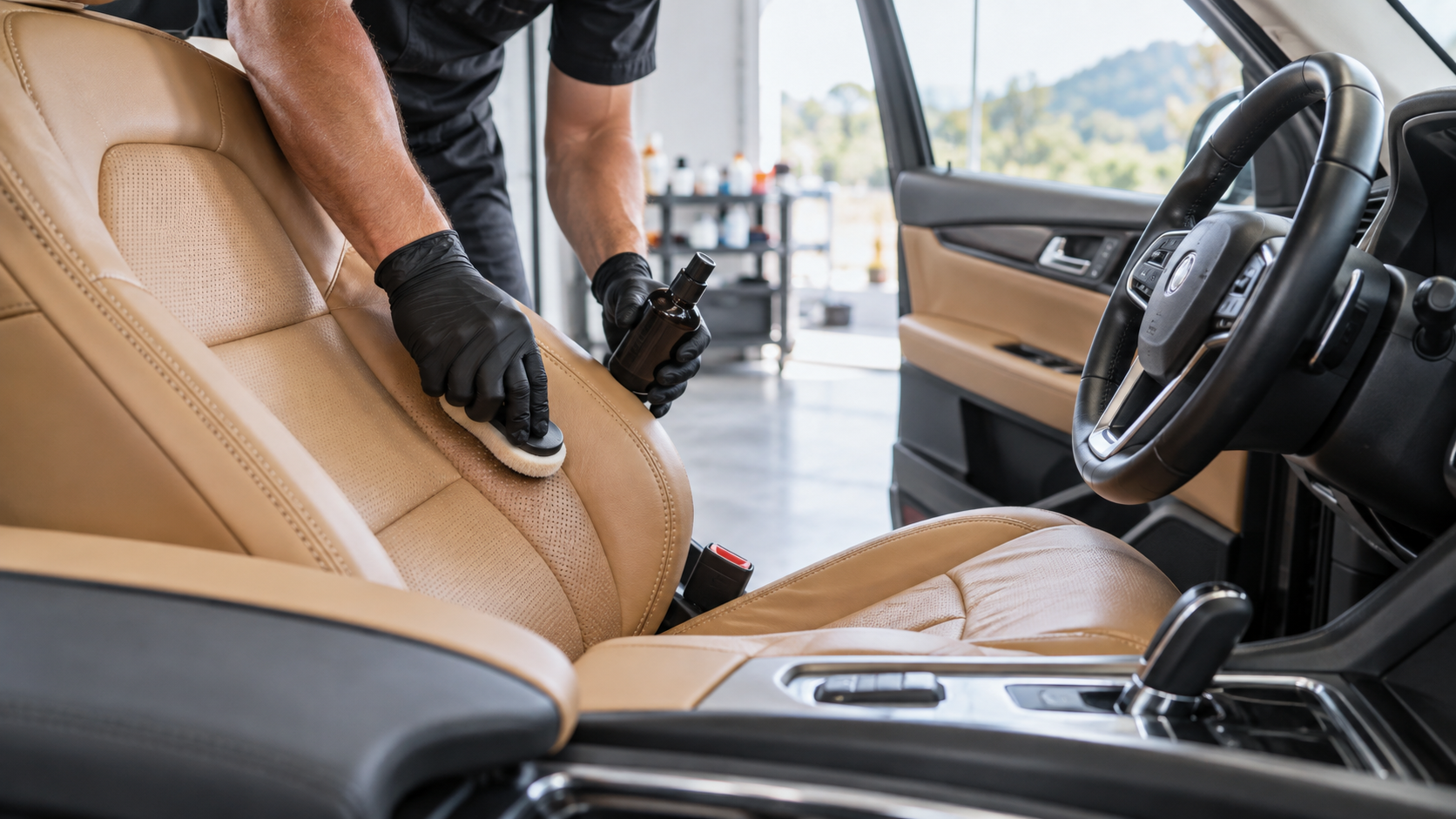
Modern coated leather does not always absorb conditioner like an uncoated hide. Use a compatible protectant sparingly and avoid slippery residue that can transfer to clothing or affect driver control.
For Leather car seat cleaning Armidale, this stage should be completed before moving to plan drying in cool weather. The technician should note what was observed, which surface was tested and whether the next step changes because of damage, moisture, access or previous treatment.
Quality check 9
Inspect the area in natural or neutral light, use a clean towel to check residue, and compare it with an untreated reference area. If the material changes colour, feel or sheen unexpectedly, stop and reassess rather than covering the result with dressing or fragrance.
Plan drying in cool weather
Armidale mornings can be cold, so ventilation and drying time matter. The vehicle should not be closed while damp, and seat heaters should not be used as an uncontrolled shortcut.
For Leather car seat cleaning Armidale, this stage should be completed before moving to review wear that cleaning cannot fix. The technician should note what was observed, which surface was tested and whether the next step changes because of damage, moisture, access or previous treatment.
Quality check 10
Inspect the area in natural or neutral light, use a clean towel to check residue, and compare it with an untreated reference area. If the material changes colour, feel or sheen unexpectedly, stop and reassess rather than covering the result with dressing or fragrance.
Review wear that cleaning cannot fix
Cleaning may reveal abrasion, cracked coating or dye loss that soil previously disguised. These are repair questions, not reasons to keep scrubbing the same area.
For Leather car seat cleaning Armidale, this stage should be completed before moving to create a practical maintenance interval. The technician should note what was observed, which surface was tested and whether the next step changes because of damage, moisture, access or previous treatment.
Quality check 11
Inspect the area in natural or neutral light, use a clean towel to check residue, and compare it with an untreated reference area. If the material changes colour, feel or sheen unexpectedly, stop and reassess rather than covering the result with dressing or fragrance.
Create a practical maintenance interval
A quick wipe of fresh contamination and periodic gentle cleaning usually protects better than rare aggressive restoration. Frequency should follow use, parking conditions, children, pets and work clothing.
For Leather car seat cleaning Armidale, this stage should be completed before moving to identify the upholstery before cleaning. The technician should note what was observed, which surface was tested and whether the next step changes because of damage, moisture, access or previous treatment.
Quality check 12
Inspect the area in natural or neutral light, use a clean towel to check residue, and compare it with an untreated reference area. If the material changes colour, feel or sheen unexpectedly, stop and reassess rather than covering the result with dressing or fragrance.
Environmental and chemical controls
Professional vehicle care also includes runoff and product management. NSW EPA stormwater guidance explains why wash water should not be allowed to enter stormwater systems, while Safe Work Australia chemical information describes the role of safety data sheets in understanding chemical hazards, handling and storage.
Customers do not need to specify every chemical. They can, however, ask how sensitive surfaces are tested, how wastewater is managed, how the vehicle will dry and what needs to stay untouched after the service.
Leather car seat cleaning Armidale booking checklist
- Provide clear daylight photos of the affected areas.
- Explain the vehicle’s use, storage and previous cleaning history.
- Remove valuables and identify any item that must remain in place.
- Ask for inclusions, exclusions and likely limitations in writing.
- Confirm access, weather planning, drying time and handover arrangements.
- Discuss unusual contamination before the appointment.
- Keep the invoice and aftercare instructions.
Questions Australian vehicle owners ask
Can steam be used on leather seats?
Only with careful control and material knowledge. Excess heat or moisture can affect coatings, adhesives and perforated assemblies, so steam should never be the default simply because it is available.
Will cleaning remove cracked lines?
It can remove soil trapped in creases, but it cannot restore missing colour or damaged coating. Repair or recolouring may be needed after the seat is clean.
Does leather need a glossy conditioner?
No. A natural, even finish is normally preferable. Heavy gloss and slippery residue can attract dust and make the result look less original.
How should sunscreen marks be handled?
Address them early with a compatible interior cleaner and a test patch. Strong solvents can create a larger problem than the mark itself.
What should owners do after service?
Keep a soft towel in the vehicle, remove fresh spills promptly, limit harsh direct sun where practical and follow the product-specific maintenance advice.
Choosing the right level of service
A light maintenance visit and a corrective service solve different problems. The detailer should explain which stage creates the improvement, which defects or contamination may remain and whether drying or follow-up work is required. Price becomes meaningful only when two quotes include comparable labour and outcomes.
Review suitable options through Detailing Mates vehicle-care services in Armidale. Share the condition honestly so the booking allows enough time and the safest process can be prepared.
Aftercare and final inspection
Before handover, inspect the work in useful light and check all areas that were discussed. Surfaces should feel clean rather than greasy, controls should remain safe to use, and no pooled moisture or chemical residue should be left behind. Ask when the vehicle can return to normal use.
Aftercare should match the completed service. Avoid household chemicals, address new contamination early and return for review if moisture, odour, staining or finish changes reappear. Good maintenance protects the work without repeating an aggressive reset.
Field note: identify the upholstery before cleaning
Factory leather, synthetic leather and coated trims can look similar. Check the vehicle information, inspect an inconspicuous area and note any recolouring, cracking or previous repair before selecting a cleaner. At the follow-up, record whether the result remained stable after normal use. This helps separate a recurring source from a one-off contamination event and gives the next appointment evidence rather than guesswork.
Field note: map body-oil accumulation
Steering-side bolsters, headrests and seat edges usually collect the most skin oil and sunscreen. Mapping the darker or shinier zones allows controlled attention without repeatedly scrubbing sound areas. At the follow-up, record whether the result remained stable after normal use. This helps separate a recurring source from a one-off contamination event and gives the next appointment evidence rather than guesswork.
Field note: vacuum seams without scratching
Use a soft brush and protected crevice tool to lift grit from stitching and folds. Removing abrasive particles first reduces the chance of dragging them across a coated surface during wet cleaning. At the follow-up, record whether the result remained stable after normal use. This helps separate a recurring source from a one-off contamination event and gives the next appointment evidence rather than guesswork.
Field note: perform a colour-transfer test
Apply the proposed product to a hidden patch with a white towel. Unexpected pigment on the towel, a sticky feel or a gloss change is a reason to stop and reassess the material. At the follow-up, record whether the result remained stable after normal use. This helps separate a recurring source from a one-off contamination event and gives the next appointment evidence rather than guesswork.
Conclusion
Leather car seat cleaning Armidale deserves a process designed for its own material, contamination and safety considerations. A documented inspection, controlled method, honest limits and practical aftercare produce more value than a generic package with a different title.