Fleet vehicle detailing Armidale is easiest to plan when the service is built around the actual contamination, material and use of the vehicle. Fleet detailing is an operations problem as much as a cleaning service. A useful program keeps vehicles presentable and workable without disrupting routes, hiding damage or applying one oversized package to every van, ute and passenger car.
Fleet vehicle detailing Armidale is a condition-led service that identifies the affected surfaces, selects compatible tools and products, controls moisture, documents limits and provides aftercare suited to Australian conditions.
Contents
- Define an acceptable fleet standard
- Segment vehicles by duty
- Schedule around downtime
- Use a consistent arrival inspection
- Prioritise driver contact points
- Control red dust and worksite soil
- Keep branding and decals safe
- Plan wheel and lower-panel care
- Separate cleaning from damage reporting
- Track exceptions by vehicle
- Record completed work
- Review the service cycle quarterly
- Booking checklist
- Common questions
- Next step
Why this service needs its own process
Fleet detailing is an operations problem as much as a cleaning service. A useful program keeps vehicles presentable and workable without disrupting routes, hiding damage or applying one oversized package to every van, ute and passenger car.
A useful quote begins with photos and a short history. Explain the vehicle type, how it is used, how long the issue has been present and what previous products or repairs may affect the work. According to Australian Consumer Law service guidance, Australian services should be supplied with due care and skill, which makes clear scope and realistic expectations important.
Define an acceptable fleet standard
Specify what clean glass, safe controls, presentable paint, tidy cargo areas and acceptable stains mean for the business. A written standard makes results comparable between vehicles.
For Fleet vehicle detailing Armidale, this stage should be completed before moving to segment vehicles by duty. The technician should note what was observed, which surface was tested and whether the next step changes because of damage, moisture, access or previous treatment.
Quality check 1
Inspect the area in natural or neutral light, use a clean towel to check residue, and compare it with an untreated reference area. If the material changes colour, feel or sheen unexpectedly, stop and reassess rather than covering the result with dressing or fragrance.
Segment vehicles by duty
A client-facing car, construction ute and delivery van accumulate different contamination. Grouping by use prevents under-servicing one class and overspending on another.
For Fleet vehicle detailing Armidale, this stage should be completed before moving to schedule around downtime. The technician should note what was observed, which surface was tested and whether the next step changes because of damage, moisture, access or previous treatment.
Quality check 2
Inspect the area in natural or neutral light, use a clean towel to check residue, and compare it with an untreated reference area. If the material changes colour, feel or sheen unexpectedly, stop and reassess rather than covering the result with dressing or fragrance.
Schedule around downtime
Coordinate keys, parking positions, route windows and drying time before the detailer arrives. A realistic sequence avoids half-finished vehicles being called back into service.
For Fleet vehicle detailing Armidale, this stage should be completed before moving to use a consistent arrival inspection. The technician should note what was observed, which surface was tested and whether the next step changes because of damage, moisture, access or previous treatment.
Quality check 3
Inspect the area in natural or neutral light, use a clean towel to check residue, and compare it with an untreated reference area. If the material changes colour, feel or sheen unexpectedly, stop and reassess rather than covering the result with dressing or fragrance.
Use a consistent arrival inspection
Photograph damage, odometer, cabin condition and cargo restrictions. Existing scratches or broken trim should be separated from cleaning outcomes.
For Fleet vehicle detailing Armidale, this stage should be completed before moving to prioritise driver contact points. The technician should note what was observed, which surface was tested and whether the next step changes because of damage, moisture, access or previous treatment.
Quality check 4
Inspect the area in natural or neutral light, use a clean towel to check residue, and compare it with an untreated reference area. If the material changes colour, feel or sheen unexpectedly, stop and reassess rather than covering the result with dressing or fragrance.
Prioritise driver contact points
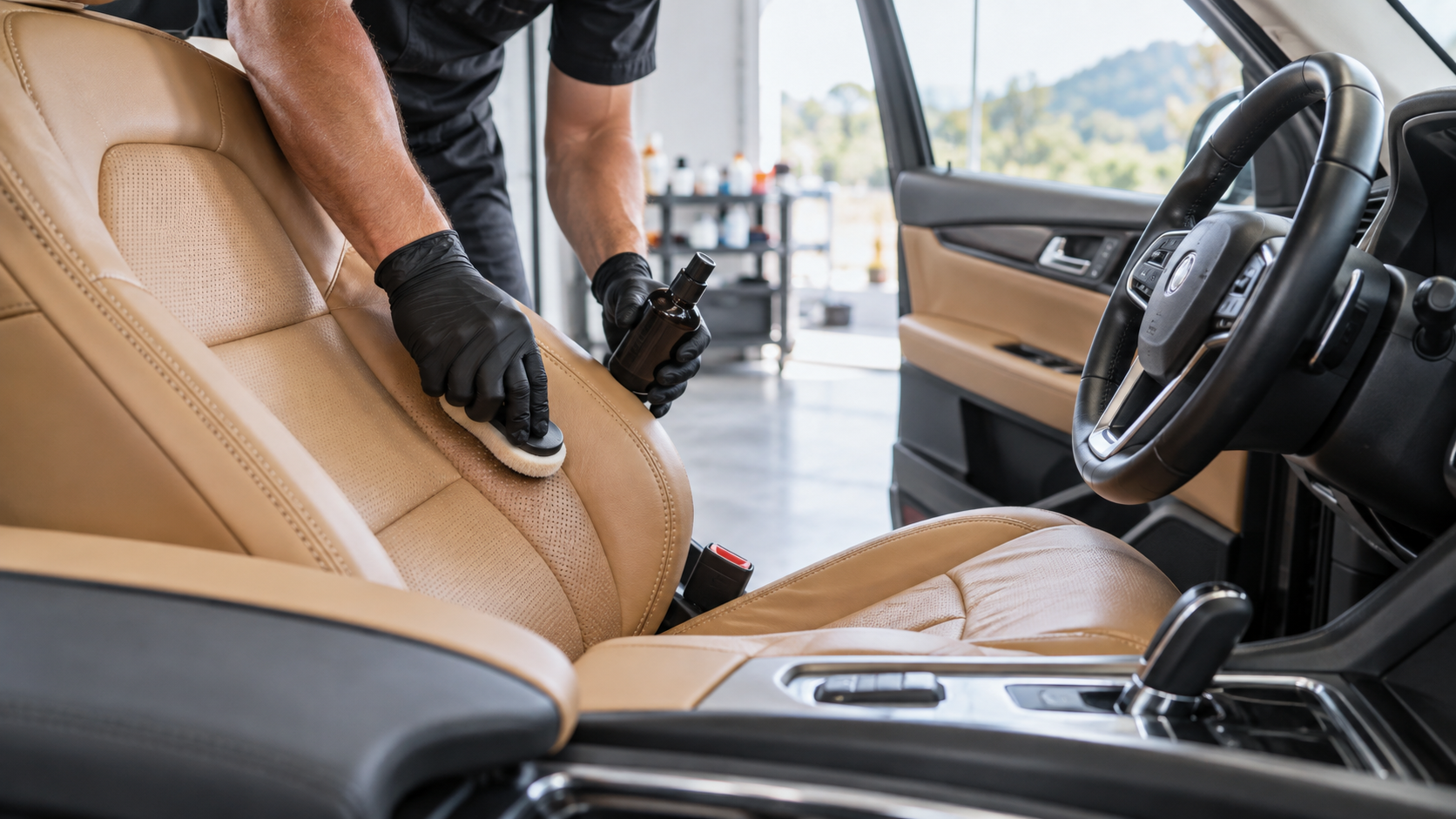
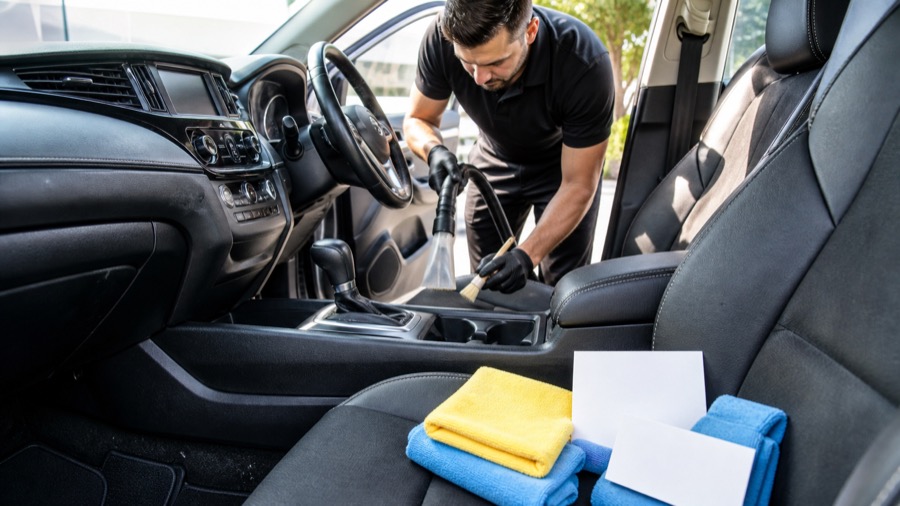
Steering wheels, controls, handles, seat edges and frequently touched cargo latches deserve repeatable attention. Products should leave controls clean, dry and non-slippery.
For Fleet vehicle detailing Armidale, this stage should be completed before moving to control red dust and worksite soil. The technician should note what was observed, which surface was tested and whether the next step changes because of damage, moisture, access or previous treatment.
Quality check 5
Inspect the area in natural or neutral light, use a clean towel to check residue, and compare it with an untreated reference area. If the material changes colour, feel or sheen unexpectedly, stop and reassess rather than covering the result with dressing or fragrance.
Control red dust and worksite soil
Dry soil should be removed before wet cleaning turns it into residue. Mats, pedals and seat rails need methods that protect electronics and moving parts.
For Fleet vehicle detailing Armidale, this stage should be completed before moving to keep branding and decals safe. The technician should note what was observed, which surface was tested and whether the next step changes because of damage, moisture, access or previous treatment.
Quality check 6
Inspect the area in natural or neutral light, use a clean towel to check residue, and compare it with an untreated reference area. If the material changes colour, feel or sheen unexpectedly, stop and reassess rather than covering the result with dressing or fragrance.
Keep branding and decals safe
Strong solvents and careless pressure washing can affect vinyl edges and reflective markings. Fleet identity should be inspected and washed with compatible methods.
For Fleet vehicle detailing Armidale, this stage should be completed before moving to plan wheel and lower-panel care. The technician should note what was observed, which surface was tested and whether the next step changes because of damage, moisture, access or previous treatment.
Quality check 7
Inspect the area in natural or neutral light, use a clean towel to check residue, and compare it with an untreated reference area. If the material changes colour, feel or sheen unexpectedly, stop and reassess rather than covering the result with dressing or fragrance.
Plan wheel and lower-panel care
Brake dust, bitumen and road film build quickly on high-kilometre vehicles. Regular moderate cleaning is often safer than rare aggressive chemical treatment.
For Fleet vehicle detailing Armidale, this stage should be completed before moving to separate cleaning from damage reporting. The technician should note what was observed, which surface was tested and whether the next step changes because of damage, moisture, access or previous treatment.
Quality check 8
Inspect the area in natural or neutral light, use a clean towel to check residue, and compare it with an untreated reference area. If the material changes colour, feel or sheen unexpectedly, stop and reassess rather than covering the result with dressing or fragrance.
Separate cleaning from damage reporting
Detailers can reveal chips, leaks and trim problems, but mechanical or body repairs need their own workflow. A clear report prevents cleaning notes from becoming an informal repair authorisation.
For Fleet vehicle detailing Armidale, this stage should be completed before moving to track exceptions by vehicle. The technician should note what was observed, which surface was tested and whether the next step changes because of damage, moisture, access or previous treatment.
Quality check 9
Inspect the area in natural or neutral light, use a clean towel to check residue, and compare it with an untreated reference area. If the material changes colour, feel or sheen unexpectedly, stop and reassess rather than covering the result with dressing or fragrance.
Track exceptions by vehicle
Pet hair, spills, biological contamination or heavy grease should be quoted as exceptions rather than quietly spreading their cost across the entire fleet.
For Fleet vehicle detailing Armidale, this stage should be completed before moving to record completed work. The technician should note what was observed, which surface was tested and whether the next step changes because of damage, moisture, access or previous treatment.
Quality check 10
Inspect the area in natural or neutral light, use a clean towel to check residue, and compare it with an untreated reference area. If the material changes colour, feel or sheen unexpectedly, stop and reassess rather than covering the result with dressing or fragrance.
Record completed work
Vehicle identifier, date, package, exceptions and follow-up needs create useful evidence for the fleet manager. Records also help refine frequency.
For Fleet vehicle detailing Armidale, this stage should be completed before moving to review the service cycle quarterly. The technician should note what was observed, which surface was tested and whether the next step changes because of damage, moisture, access or previous treatment.
Quality check 11
Inspect the area in natural or neutral light, use a clean towel to check residue, and compare it with an untreated reference area. If the material changes colour, feel or sheen unexpectedly, stop and reassess rather than covering the result with dressing or fragrance.
Review the service cycle quarterly
Compare vehicle presentation, driver feedback, downtime and extra charges. Adjust the cycle when routes, seasons or staff use patterns change.
For Fleet vehicle detailing Armidale, this stage should be completed before moving to define an acceptable fleet standard. The technician should note what was observed, which surface was tested and whether the next step changes because of damage, moisture, access or previous treatment.
Quality check 12
Inspect the area in natural or neutral light, use a clean towel to check residue, and compare it with an untreated reference area. If the material changes colour, feel or sheen unexpectedly, stop and reassess rather than covering the result with dressing or fragrance.
Environmental and chemical controls
Professional vehicle care also includes runoff and product management. NSW EPA stormwater guidance explains why wash water should not be allowed to enter stormwater systems, while Safe Work Australia chemical information describes the role of safety data sheets in understanding chemical hazards, handling and storage.
Customers do not need to specify every chemical. They can, however, ask how sensitive surfaces are tested, how wastewater is managed, how the vehicle will dry and what needs to stay untouched after the service.
Fleet vehicle detailing Armidale booking checklist
- Provide clear daylight photos of the affected areas.
- Explain the vehicle’s use, storage and previous cleaning history.
- Remove valuables and identify any item that must remain in place.
- Ask for inclusions, exclusions and likely limitations in writing.
- Confirm access, weather planning, drying time and handover arrangements.
- Discuss unusual contamination before the appointment.
- Keep the invoice and aftercare instructions.
Questions Australian vehicle owners ask
How often should fleet vehicles be detailed?
Frequency depends on duty, public presentation and contamination. A tiered program is usually more efficient than giving every vehicle the same interval.
Can detailing happen at the depot?
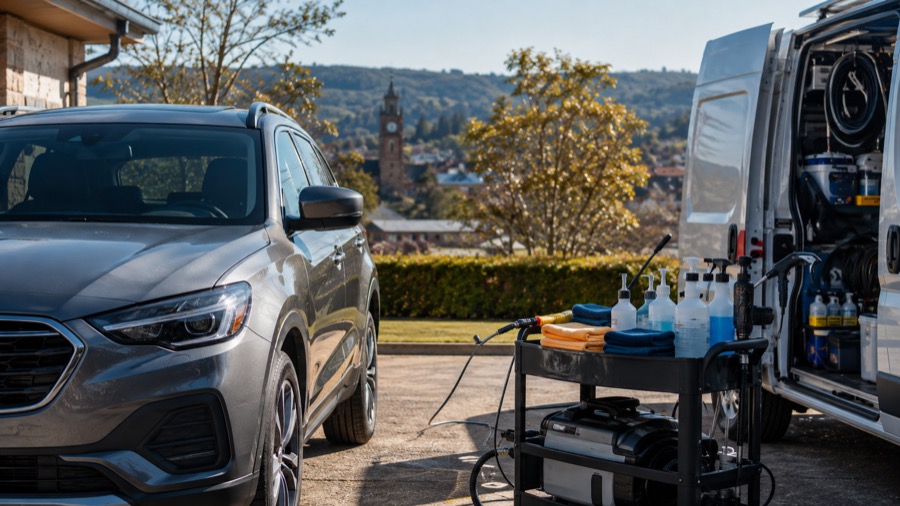
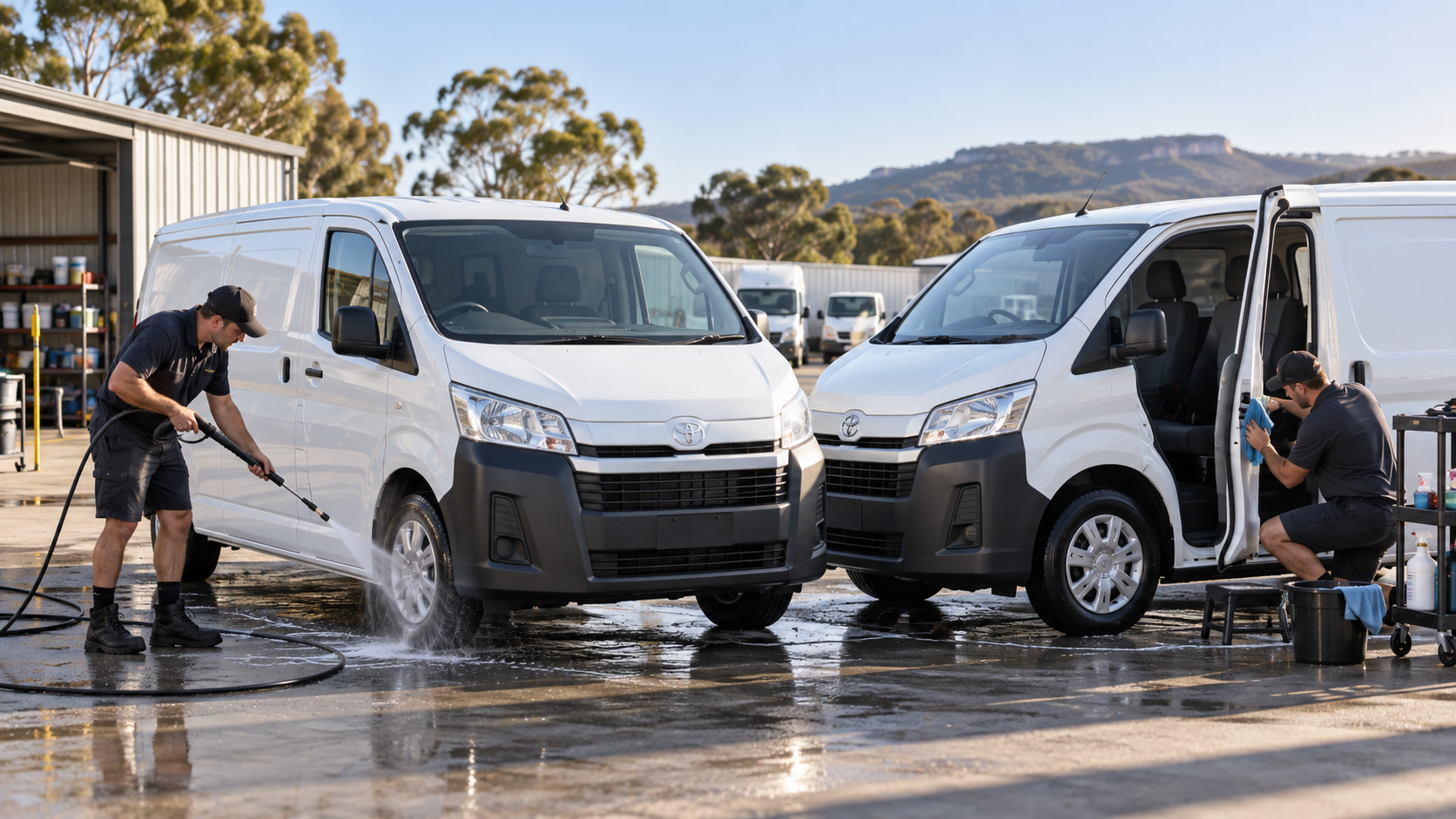
Often yes, provided there is safe access, suitable water and power arrangements, runoff control, key coordination and enough space around each vehicle.
Should every van receive paint correction?
No. Maintenance washing and protection are usually more appropriate for working vehicles unless appearance goals justify correction.
How are unusually dirty vehicles handled?
Use an agreed exception process with photos and approval before extra labour begins. This keeps budgeting transparent.
What should a fleet report contain?
Include the vehicle identifier, date, selected service, observed damage, exceptions, photos where useful and the next recommended action.
Choosing the right level of service
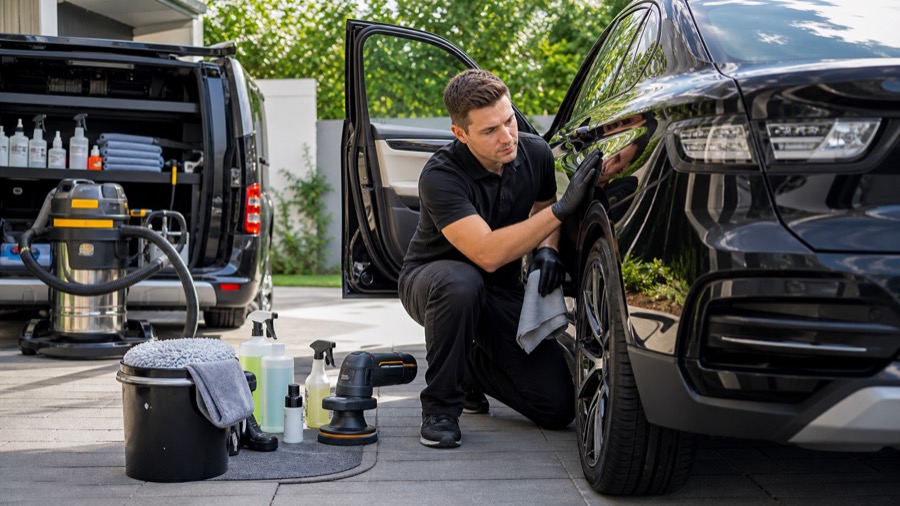
A light maintenance visit and a corrective service solve different problems. The detailer should explain which stage creates the improvement, which defects or contamination may remain and whether drying or follow-up work is required. Price becomes meaningful only when two quotes include comparable labour and outcomes.
Review suitable options through Detailing Mates vehicle-care services in Armidale. Share the condition honestly so the booking allows enough time and the safest process can be prepared.
Aftercare and final inspection
Before handover, inspect the work in useful light and check all areas that were discussed. Surfaces should feel clean rather than greasy, controls should remain safe to use, and no pooled moisture or chemical residue should be left behind. Ask when the vehicle can return to normal use.
Aftercare should match the completed service. Avoid household chemicals, address new contamination early and return for review if moisture, odour, staining or finish changes reappear. Good maintenance protects the work without repeating an aggressive reset.
Field note: define an acceptable fleet standard
Specify what clean glass, safe controls, presentable paint, tidy cargo areas and acceptable stains mean for the business. A written standard makes results comparable between vehicles. At the follow-up, record whether the result remained stable after normal use. This helps separate a recurring source from a one-off contamination event and gives the next appointment evidence rather than guesswork.
Field note: segment vehicles by duty
A client-facing car, construction ute and delivery van accumulate different contamination. Grouping by use prevents under-servicing one class and overspending on another. At the follow-up, record whether the result remained stable after normal use. This helps separate a recurring source from a one-off contamination event and gives the next appointment evidence rather than guesswork.
Field note: schedule around downtime
Coordinate keys, parking positions, route windows and drying time before the detailer arrives. A realistic sequence avoids half-finished vehicles being called back into service. At the follow-up, record whether the result remained stable after normal use. This helps separate a recurring source from a one-off contamination event and gives the next appointment evidence rather than guesswork.
Field note: use a consistent arrival inspection
Photograph damage, odometer, cabin condition and cargo restrictions. Existing scratches or broken trim should be separated from cleaning outcomes. At the follow-up, record whether the result remained stable after normal use. This helps separate a recurring source from a one-off contamination event and gives the next appointment evidence rather than guesswork.
Field note: prioritise driver contact points
Steering wheels, controls, handles, seat edges and frequently touched cargo latches deserve repeatable attention. Products should leave controls clean, dry and non-slippery. At the follow-up, record whether the result remained stable after normal use. This helps separate a recurring source from a one-off contamination event and gives the next appointment evidence rather than guesswork.
Field note: control red dust and worksite soil
Dry soil should be removed before wet cleaning turns it into residue. Mats, pedals and seat rails need methods that protect electronics and moving parts. At the follow-up, record whether the result remained stable after normal use. This helps separate a recurring source from a one-off contamination event and gives the next appointment evidence rather than guesswork.
Conclusion
Fleet vehicle detailing Armidale deserves a process designed for its own material, contamination and safety considerations. A documented inspection, controlled method, honest limits and practical aftercare produce more value than a generic package with a different title.