The Science of Orange Peel Texture in car Clear Coats.
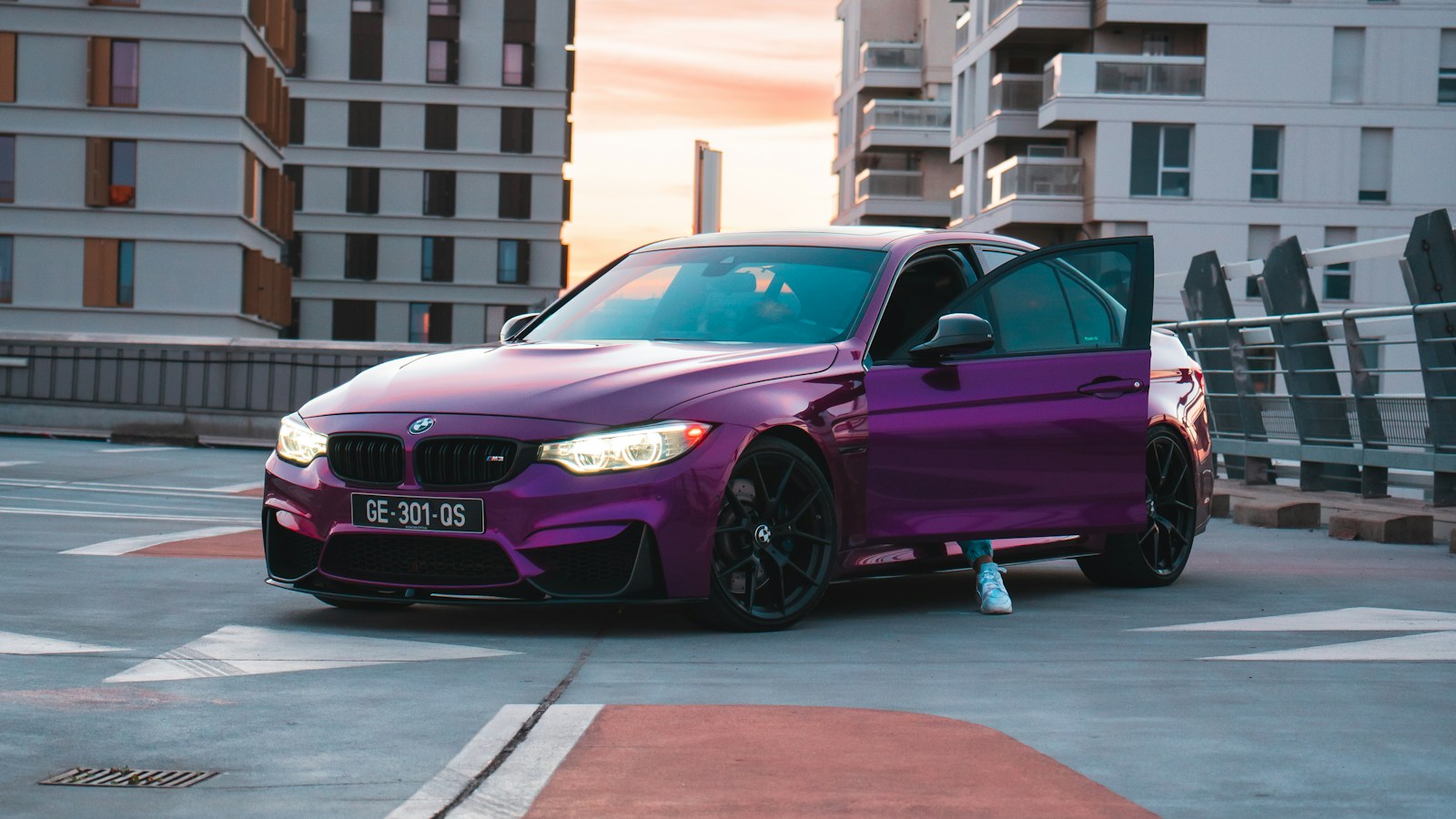
When inspecting the painted bodywork of high-end sports cars or custom hot rods, one immediately notices the jaw-dropping, liquid reflection of the panels. In contrast. When examining most modern factory-painted cars straight off showroom floors, reflections appear wavy, distorted. And visually textured&mdash. resembling the bumpy skin of an orange. This visual effect is universally known in the car finishing industry as 'orange peel'. While factory automated paint use robots apply clear coat rapidly and consistently, surface tension, rapid solvent drying. And outdoor baking cycles prevent modern clear coats from settling completely flat.
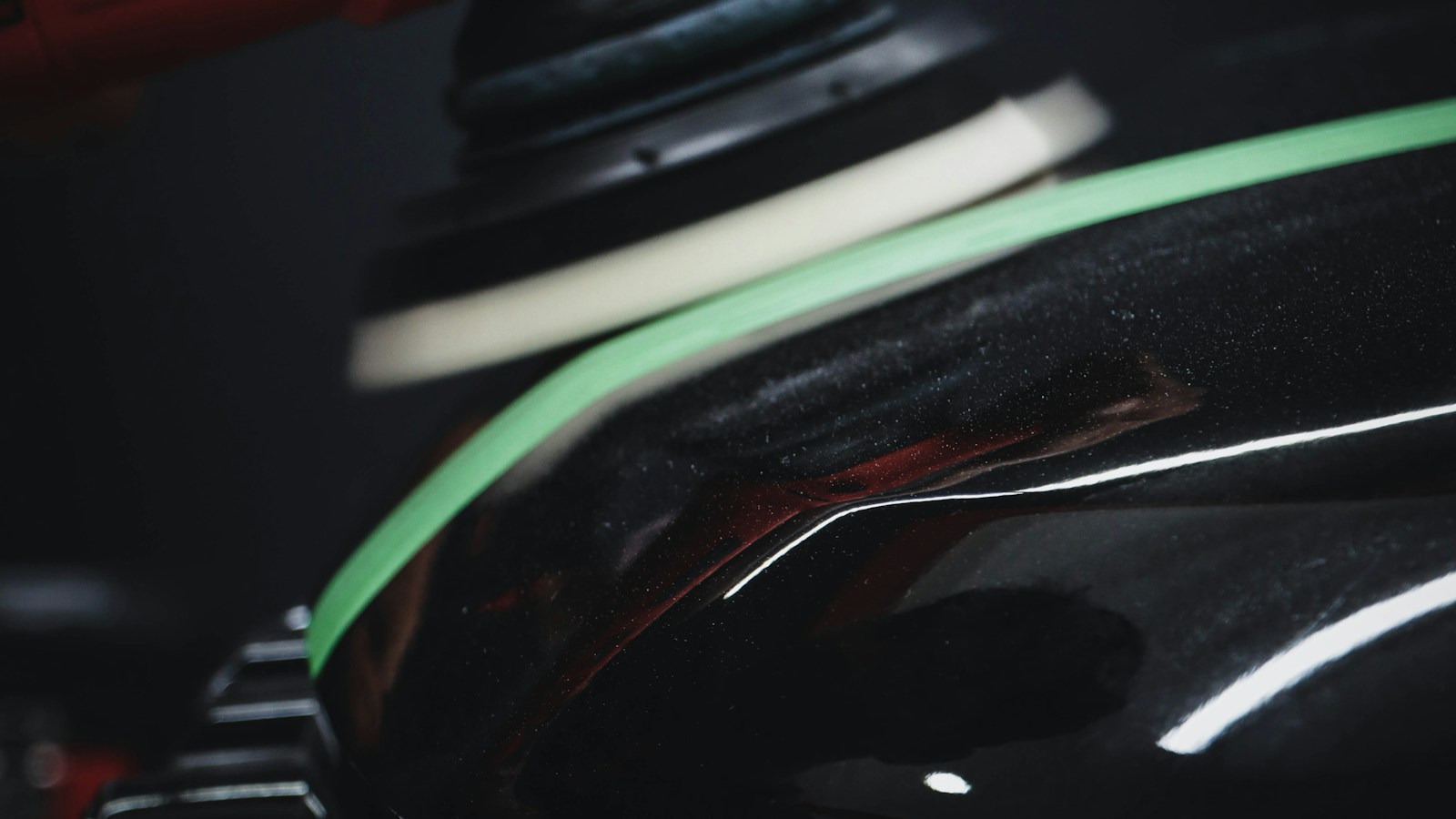
While standard machine buffing can remove swirl marks and boost gloss, standard pads conform to the bumpy contours of the clear coat. This leaves the underlying wavy texture completely unchanged. Achieving true, show-grade mirror reflections requires a precision machine process known as an orange peel removal paint correction service. using specialized non-foaming leveling discs such as denim and velvet pads, skilled master detailers shave down the tiny peaks of the clear coat without rounding defect valleys, changing wavy factory finishes into flat, razor-sharp optical mirrors.
Clear Coat Wave Heights and Denim Leveling Pad Mechanics.
To level paint texture without excessively depleting clear coat thickness, one must understand clear coat topography. Orange peel consists of alternating peaks (ridges) and valleys (troughs) across the clear coat surface, with peak-to-valley wave heights typically gauging between 2.5 and 5.0 microns. When light hits these tiny ridges, the incoming light rays reflect at varying angles. This creates optical distortion that obscures metallic flake sparkle and softens reflection edges.
Standard foam buffing pads press and mold themselves into the valleys, removing equal amounts of clear coat from both peaks and valleys and leaving the orange peel texture intact. expert orange peel leveling uses ultra-flat, non-yielding denim or velvet discs. Because denim fabric does not press into the valleys, the abrasive compound makes contact exclusively with the elevated peaks of the clear coat. By shearing away only the peaks until they match the valley floor, detailers create a flat optical plane while removing minimal clear coat, preserving vital UV inhibitors and structural paint integrity.
Clear Coat Thickness Budgets and Factory Paint Limits.
Before considering orange peel texture removal, a detailer must evaluate the car's available clear coat thickness budget. While custom show-car paint jobs can have 80 to 120 microns of clear coat applied namely to allow extensive wet sanding, standard mass-output factory paintwork is applied thin to conserve making costs.
On modern factory cars, total clear coat thickness typically measures between 35 and 45 microns. Because sunlight inhibitors migrate toward the upper 50 percent of the clear coat during factory curing, removing more than 25 percent of the total clear coat layer can compromise long-term UV resistance. expert detailers use digital gauges to map clear coat depth across every panel. This ensures texture leveling removes only the tiny peaks (2.5 to 3.5 microns) while leaving sufficient clear coat for years of outdoor care.
Denim Pad Abrasive Mechanics vs Aggressive Wet Sanding.
classic wet sanding uses silicon carbide sandpaper (1500 to 2000 grit) to shave down paint texture. While sandpaper cuts quickly. It creates deep, sharp V-shaped scratches across the paint. also, uneven hand finger pressure during wet sanding can create pressure grooves and pigtail scratches that require aggressive compounding passes to remove, depleting precious clear coat thickness.
Specialized denim leveling pads solve this problem by removing sandpaper grit altogether. Denim pads are manufactured from dense, flat cotton weave backed by a firm, unyielding cushion. detailers use denim pads with liquid micro-abrasive compounds. Because the denim fabric cannot press into the valleys of the orange peel, the fine abrasive bits grind exclusively against the elevated clear coat peaks. This shears the peaks down smoothly. This leaves an optically flat surface free of deep sandpaper scouring.
gauging Mirror Finish: sharpness of Image (DOI) and Gloss Units.
In high-end car finishing, paint quality is measured scientifically using sharpness of Image (DOI) and Gloss Units (GU). sharpness of Image measures the sharpness and clarity of a reflection. On a factory car with heavy orange peel, reflection edges appear fuzzy and distorted, typically scoring a mediocre DOI of 60 to 70 out of 100.
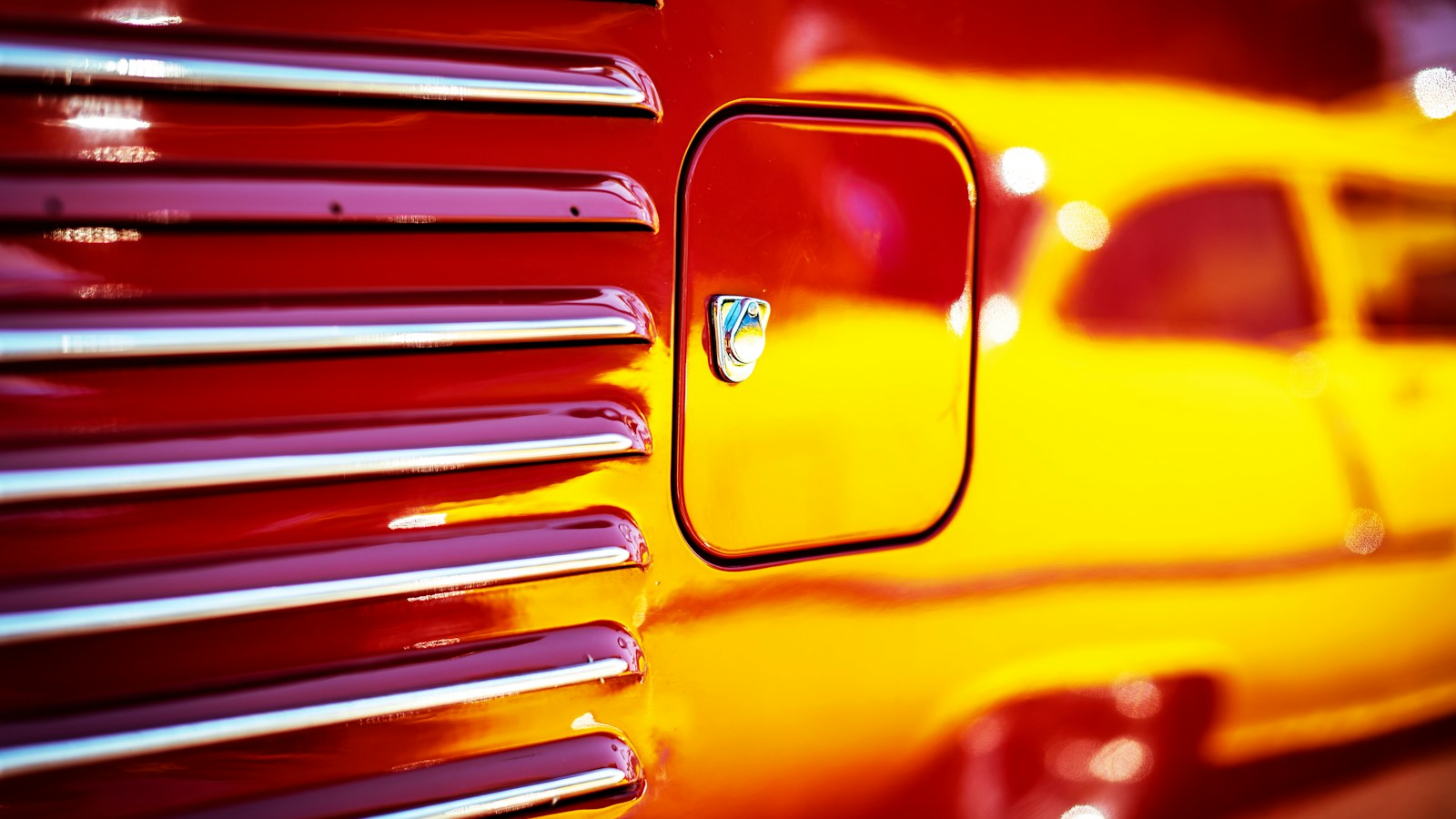
Following a expert orange peel removal paint correction, the clear coat is transformed into an optical plane. When measured with precision optical gloss meters, DOI scores jump to 92 to 98 out of 100. While Gloss Units exceed 95 GU. Reflections of overhead fluorescent lights, printed text. And surrounding architecture reflect with razor-sharp clarity, giving the car an authentic concours show-car appearance.
sharpness of Image (DOI) and bending Surface Physics.
To quantify the optical change achieved by orange peel texture removal, expert detailers examine the scientific principles of sharpness of Image (DOI) and light bending. When parallel light waves strike a perfectly flat optical plane. They reflect at uniform angles, making sharp, high-contrast reflections. Any object reflected in the paintwork appears crisp, with perfectly defined edges and true colour fidelity.
On a factory clear coat displaying heavy orange peel, the clear coat surface resembles thousands of tiny convex and concave lenses. As incoming light strikes the wavy ridges and troughs, light rays refract in varying directions. This bending chaos scatters reflection edges. This makes overhead lights and body contours appear blurry and distorted. By mechanically shaving down clear coat ridges until they align with the valley floor, orange peel correction restores a flat optical plane, elevating sharpness of Image scores to near-perfect levels.
Velvet Pad Intermediate Leveling and Jewelling Precision.
Shaving clear coat waves with denim leveling pads is only the first step in texture removal. While denim effectively cuts down paint ridges, the stiff cotton weave leaves behind uniform micro-leveling scours across the paint surface. Refining this micro-texture without introducing rounding back into the clear coat requires specialized velvet pads.
Velvet leveling pads feature a softer, ultra-dense micro-pile that conforms to the newly leveled plane, buffing away denim scours without digging into valleys. Following the velvet pass, detailers switch to dual-action polishers fitted with intermediate foam pads and jewel polishes. This final burnishing step removes any lingering machine marks. This delivers an optically flat, breathtaking mirror finish that commands attention on any show field.
Digital sound pulse Thickness Gauging on Composite Panels.
Modern power cars feature a mix of steel, aluminum, carbon fiber. And fiberglass body panels. gauging clear coat thickness on non-metallic composite panels requires advanced multi-layer sound pulse coating thickness gauges.
expert detailers calibrate sound pulse gauges to measure single clear coat, basecoat. And primer layers independently. This gives detailers absolute confidence in clear coat thickness margins before denim leveling pads touch composite panels, removing any risk of clear coat strike-through.
Summary: Unlocking True Concours Optical Reflection.
Orange peel texture removal is the pinnacle of car clear coat refinement. By using specialized denim and velvet leveling pads to shave down tiny peaks without rounding valleys, master detailers change wavy factory paint into flat, razor-sharp optical mirrors.
If you demand show-level reflections, jaw-dropping sharpness of Image. And unmatched paint clarity for your show car or luxury car, orange peel removal paint correction is the ultimate detailing service.
Orange Peel Leveling Plan and Key Takeaways.
Smooth paint looks like pure liquid glass. Razor-sharp reflections turn heads at every car show. Your car stands out with concours optical clarity. Master leveling transforms your car into a showpiece.
Do not attempt texture leveling with basic sandpaper. Coarse hand sanding causes deep pigtail scratches. Denim leveling pads shave peaks smoothly without sanding grit. Clear coats stay flat and safe.
Always verify paint thickness with digital gauges. Never level paint with thin clear coat. Keep clear coat thick enough for long-term UV care. Skilled detailers measure every panel with care.
Refine leveled paint with velvet pads and jewel polishes. Multi-stage buffing removes leveling marks. The finish becomes a flawless optical mirror. No waves or distortion remain.
Seal your mirror finish with a hardened ceramic coating. Hard quartz glass locks in optical clarity. Your show car reflection stays crisp and deep for years. You enjoy true car perfection.
How to Inspect Your Car's Paint Texture at Home.
You can easily check your car's paint texture at home using a simple test. Park your car under bright overhead lighting, such as fluorescent garage tubes. Or outdoors on a sunny day.
Look at the reflection of straight lines in your paint, such as overhead light tubes or roof rafters. If the edges of the reflected lines look wavy, bumpy. Or fuzzy like orange skin, your paint has orange peel. If the lines look straight and sharp like a bathroom mirror, your paint is optically flat.
Caring for Levelled Show Car Paintwork.
Optically flat clear coat requires careful wash hygiene to prevent swirl marks from dulling the mirror finish. Always use the two-bucket wash method with grit guards and ultra-plush microfiber wash mitts.
Dry panels using touchless warm air blowers to avoid dragging towels across the paint. Seal the leveled finish with a 10H ceramic coating to protect your flawless show-car reflection permanently.
Summary: Show-Car Mirror Paint Leveling Takeaways.
Smooth paint looks like pure liquid glass. Razor-sharp reflections turn heads at every car show. Your car stands out with concours optical clarity. Master leveling transforms your car into a showpiece.
Do not attempt texture leveling with basic sandpaper. Coarse hand sanding causes deep pigtail scratches. Denim leveling pads shave peaks smoothly without sanding grit. Clear coats stay flat and safe.
Always verify paint thickness with digital gauges. Never level paint with thin clear coat. Keep clear coat thick enough for long-term UV care. Skilled detailers measure every panel with care.
Refine leveled paint with velvet pads and jewel polishes. Multi-stage buffing removes leveling marks. The finish becomes a flawless optical mirror. No waves or distortion remain.
Seal your mirror finish with a hardened ceramic coating. Hard quartz glass locks in optical clarity. Your show car reflection stays crisp and deep for years. You enjoy true car perfection.
Wash leveled show cars with touchless foam and warm air drying. Your flat, mirror reflections will stun crowds on every sunny day.
Precision Orange Peel Removal Step-by-Step.
Orange peel texture leveling is an advanced, high-skill detailing process that demands great technique and continuous monitoring.
- Digital Multi-Point Paint Depth Mapping: sound pulse and digital eddy-current gauges map clear coat thickness across panels. Texture leveling is only performed on panels possessing sufficient clear coat thickness (typically requiring a minimum of 45+ microns of clear coat).
- Panel Masking and Edge Shielding: Panel edges, body swage lines, door handles. And plastic moldings are taped with reinforced low-tack protective tape. Because clear coat naturally flows thinner over panel ridges, edges must never be subjected to aggressive leveling discs.
- Rotary Denim Pad Leveling: working high-torque rotary polishers at low speeds (1,000 to 1,200 RPM), detailers apply denim leveling pads lubricated with specialized sub-micron leveling compounds. The process is conducted in methodical cross-hatch passes, shaving down clear coat waves while monitoring surface heat.
- Secondary Velvet Pad Refining: After primary leveling with denim, detailers switch to softer velvet leveling pads to remove leveling scour marks and begin restoring optical clarity.
- Two-Stage Dual-Action Jewelling: The leveled clear coat undergoes intermediate foam buffing followed by ultra-fine jewelling on a dual-action polisher to completely remove machine trails. This leaves an optically flat, distortion-free mirror reflection.
Comparison of Texture Leveling Techniques: Wet Sanding vs Denim Pads.
Reviewing leveling methods demonstrates why denim pad leveling has become the preferred choice over aggressive hand wet-sanding.
| Leveling Approach. | Clear Coat Depletion. | Risk of Pigtail Scratches. | Refinement Effort Required. |
|---|---|---|---|
| Hand Wet Sanding (1500&ndash. 2000 Grit). | Heavy (5.0 &ndash. 10.0+ microns). | High (Deep grit scratches &. finger pressure grooves). | very Heavy (Requires multiple aggressive compound passes). |
| Machine Daisy Disc Sanding (3000 Grit). | Moderate (3.5 &ndash. 6.0 microns). | Moderate (Pigtail swirl marks from grit breakdown). | Heavy (Requires rotary compounding to clear sanding haze). |
| Specialised Denim Pad Leveling. | Conservative (2.5 &ndash. 4.0 microns). | Zero (Uses liquid fine abrasives, no sandpaper grit). | Moderate (Quickly refined using velvet and foam finishing pads). |
| Standard Foam Pad buffing. | Minimal (<. 1.5 microns). | Zero. | Does not remove orange peel (Conforms to wavy peaks). |
Frequently Asked Questions.
Does orange peel removal void a car's factory paint warranty?.
Aggressive wet sanding that depletes clear coat excessively can compromise UV care. However, precision denim pad leveling removes only the elevated peaks of the texture, preserving over 90% of the clear coat. When sealed immediately with a certified ceramic coating, factory paintwork remains fully protected against outdoor UV degradation.
Can orange peel removal be performed on repainted panels?.
Yes, in fact, repainted panels and custom spray jobs are ideal candidates. Body shop repaints often possess thicker clear coat (60 to 100+ microns) but also suffer from heavier orange peel texture than factory paint. Leveling custom paintwork unlocks true show-car reflections.
Why don't car makers remove orange peel at the factory?.
Automated assembly plants apply paint rapidly to meet output quotas. Thicker, flatter clear coats take longer to bake, require higher outdoor control. And increase the risk of paint runs on vertical panels. makers accept moderate orange peel as a trade-off for rapid, cost-effective mass output.
Daily Driver Care Routine and Quick Tips.
Clean cars look sharp. Smooth paint shines in the sun. Clean wheels turn heads on the road. Good habits keep cars in top shape. You feel proud of your car each day. Smart drivers care for their cars with pride.
Wash your car often. Park under cool shade. Keep birds off the hood. Clean sap off doors fast. Use soft mitts on all panels. Rinse soap with clean water. Dry with soft towels. Your car stays slick and bright on every drive.
Look after cabin trims each week. Wipe seats with a soft damp rag. Vacuum floor mats on weekends. Keep windows clean inside and out. Clear glass keeps you safe on the road. Enjoy your fresh ride every single day.
Five Golden Rules for Long-Term Vehicle Care.
Park in cool spots. Hot sun fades clear coat fast. Tree sap harms fresh gloss. Bird droppings burn paint in hours. Clean marks off right away with soft cloths.
Use two buckets to wash paint. Put dirt traps in both pails. Dip soft mitts in rich foam. Wipe panels in straight paths. Rinse mitts in clean water often.
Dry cars with plush microfibre towels. Soft towels soak up drops fast. Never wipe dry panels with dry cloths. Smooth paint stays free of swirl marks.
Check tyre pressures once a month. Clean brake dust off rims often. Clean wheels make cars look fresh. Enjoy driving a clean car all year long.
Looking for pro Car Detailing in Armidale?.
Detailing Mates delivers 5-star mobile car detailing, paint restoration. And care across Armidale NSW. Explore our dedicated service packages:
- Ceramic Coating Armidale &ndash. 10H graphene quartz paint care with years of durability
- Paint Correction Armidale &ndash. Precision multi-stage swirl mark and scratch removal
- Car Steam Cleaning Armidale &ndash. High-temp interior extraction, clean &. stain removal
- Full Car Detailing Packages &ndash. Comprehensive mobile interior &. exterior changes
Book Your Armidale Detailing Service Online or visit our workshop at 95 Rusden St, Armidale NSW 2350.