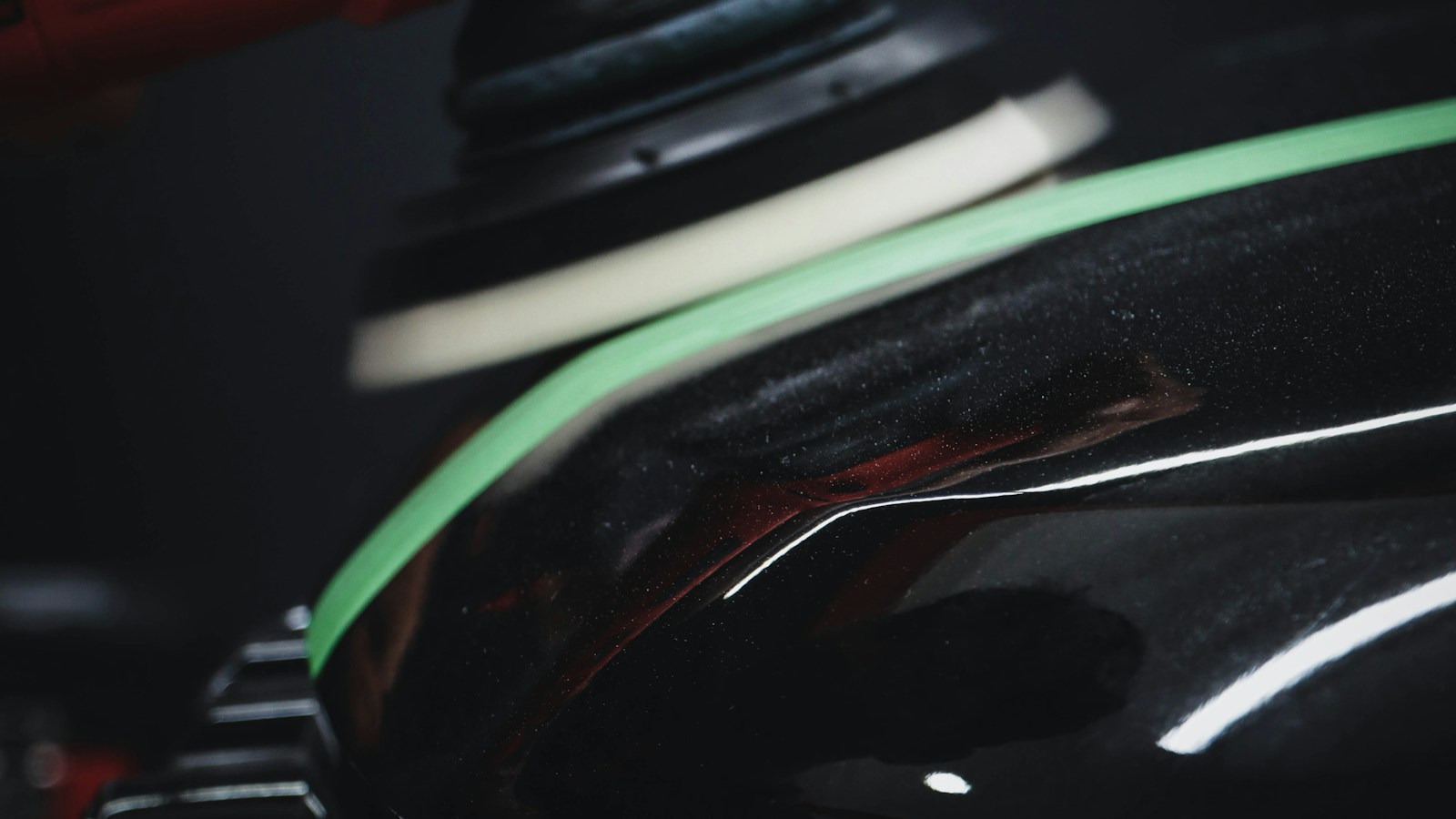
A spot wet sanding scratch repair service uses precision ultra-fine gritty discs (2000 to 5000 grit) lubricated with custom slip solution to carefully level the elevated edges of isolated clear coat scratches, clearing defects without repainting the entire car body panel.
The Optics of Deep car Paint Scratches and Clear Coat Damage.
Nothing ruins the sleek profile of a cherished car faster than an isolated, deep scratch cutting across an otherwise pristine door panel or bonnet. Whether caused by stray gravel thrown up on rural New England highways, an accidental brush against a wire fence. Or a careless shopping trolley in town, deep scratches immediately draw the eye. What makes deep scratches so visually striking is not simply the missing paint. But optical reflection bending. When light strikes a smooth, flat clear coat panel, the rays bounce back uniformly, producing rich depth and mirror gloss.
However. When an gritty object cuts into the clear coat. It displaces the acrylic resin, gouging a deep V-shaped trough while simultaneously pushing up sharp, jagged ridges of displaced clear coat along the scratch edges. When sunlight hits these elevated ridges and jagged troughs, incoming light scatters at erratic angles. This creates a harsh, bright white scar that magnifies the defect tenfold. Standard machine buffing with foam pads often fails to eradicate these sharp troughs because flexible foam seats press down into the defect, rounding off the edges rather than leveling the surface flat.
Achieving true optical removal of deep scratches without sending the car to an expensive smash repair spray booth requires an advanced, surgical technique known as a spot wet sanding scratch repair service. By introducing ultra-fine micro-gritty discs supported by unyielding sanding blocks and lubricated with pure surfactant solutions, skilled master detailers shave down the tiny ridges flush with the surrounding paint surface. This precision process restores a dead-flat optical plane, permanently erasing the scratch from sight while preserving irreplaceable original factory paintwork.
The Fingernail Scratch Assessment and Clear Coat Depth Budgets.
Before any gritty paper touches a customer's car, pro detailers conduct rigorous paint inspection to determine whether the scratch can be safely sanded and leveled. The foundational field test widely used across the car finishing industry is the fingernail assessment. By gently running a clean fingernail perpendicular across the scratch line, the detailer gauges the physical depth of the defect. If the nail glides across the scratch with minimal defence, the damage resides comfortably in the upper third of the clear coat and is an ideal candidate for spot wet sanding.
If the fingernail drops decisively into a deep groove and catches firmly against a sharp ledge, the scratch has penetrated deeply into the clear coat. If the white or grey primer substrate or bare metal is visibly exposed at the base of the scratch, complete tool leveling through sanding is impossible without causing severe clear coat burn-through. In these severe scenarios, the detailer combines localized colour-matched paint touch-up with subsequent spot wet sanding, filling the trough before micro-sanding the filled resin flat.
Alongside tactile inspection, precise reading using digital ultrasonic paint depth gauges is mandatory. Modern factory clear coats typically measure a modest 35 to 45 microns in total thickness—roughly the thickness of a single sheet of plastic cling wrap. Because sunlight radiation inhibitors settle near the top 50 percent of the clear coat during factory curing, responsible detailers follow the strict 25 percent removal ceiling rule. Spot wet sanding should remove no more than 3 to 8 microns of clear coat to clear the defect. This leaves a robust safe layer intact to shield the basecoat for years to come.
Micro-gritty Sanding Grits and custom Sanding Blocks.
Classic dry car sandpaper used in body shops is far too coarse for precision scratch repair and creates deep gouges that require excessive cutting to polish out. A pro spot wet sanding scratch repair service relies exclusively on advanced micro-gritty sanding systems engineered namely for modern car clear coats, such as Kovax Tolecut dry/wet systems and 3M Trizact structured gritty discs.
These custom micro-grits utilize precision-graded mineral bits bonded in uniform micro-pyramidal or disc structures that maintain consistent cutting depth across the entire stroke. detailers select precise grit progressions based on the severity of the defect:
- 2000-Grit Micro-grits: Deployed sparingly on heavy clear coat ridges and deep scratch edges where rapid leveling is required to flatten severe displacement.
- 2500-Grit Micro-grits: Used to refine 2000-grit marks, reducing scratch groove depth while continuing gradual surface planarization.
- 3000-Grit Structured Discs: The universal workhorse for car spot sanding, producing a remarkably uniform, satin-matt finish that flattens scratches while keeping surface hazing shallow.
- 5000-Grit Ultra-Fine Finishing Discs: The crucial transition stage that refines 3000-grit sanding haze into a semi-gloss sheen, greatly reducing the heat, machine passes. Also, clear coat removal needed during final cutting.
Equally critical is the backing tool. Detailers never sand car paint with bare fingers. As uneven fingertip force creates pronounced low spots, gouges. Also, wavy ripples across the clear coat. Instead, rigid high-density foam blocks, acrylic backing cards. Or miniature pneumatic micro-sanders are utilized. These tools distribute sanding force evenly across the target area. This ensures only elevated defect ridges are leveled.
Sanding Lubrication Dynamics and Hydroplaning Control.
Water serves as the lifeblood of safe car wet sanding. Sanding a dry clear coat causes gritty grit to clog instantly with removed clear coat dust, forming tiny, hardened clusters known as "corns" or "pigtails". These rogue clusters dig deep, unsightly spiral gouges into the paintwork that are very difficult to remove. Continuous liquid lubrication flushes abraded clear coat bits away from the contact zone instantly. This keeps the gritty surface clean and cool.
pro detailing workshops never use plain, unconditioned tap water. High mineral content in standard tap water can introduce calcium micro-crystals that scratch sensitive clear coats. Master detailers make custom wet sanding lubricants using pure deionised or distilled water mixed with custom, high-lubricity car shampoos. This custom slip solution provides vital surface glide while keeping optimal surface tension. This prevents the sanding block from either hydroplaning helplessly across the panel or grabbing violently against dry paint.
Multi-Stage cutting and Rotary Machine Refinement.
Once spot wet sanding levels the scratch completely flat, the targeted area exhibits a dull, uniform satin-matt square devoid of shine. The final, critical phase of a spot wet sanding scratch repair service involves bringing that dull sanded patch back to an indistinguishable, mirror-gloss reflection that blends seamlessly into the surrounding factory paintwork.
This optical restoration requires a disciplined two-stage or three-stage machine buffing process. First, detailers employ a rotary buffer fitted with a short-pile wool or dense cloth cutting pad paired with a heavy-cut, fine-gritty paste. The precise rotational speed of the rotary buffer generates controlled heat friction, breaking down the 3000-grit or 5000-grit micro-gritty haze and leveling remaining micro-scours in two to three passes. Next, the detailer switches to a long-throw dual-action buffer paired with a soft foam buffing pad and an ultra-fine finishing jewel polish to eradicate machine holograms, maximizing optical clarity and depth of reflection.
Step-by-Step Surgical Spot Wet Sanding Execution Protocol.
Precision spot wet sanding is an exacting craft that requires unwavering discipline, hand stability. Also, constant visual verification. At Detailing Mates in Armidale, our master detailers follow an uncompromising seven-stage protocol:
- Micro-Zone Paint Thickness Mapping: The detailer records clear coat depth at six points around the scratch using an ultrasonic digital gauge to determine the available clear coat thickness budget.
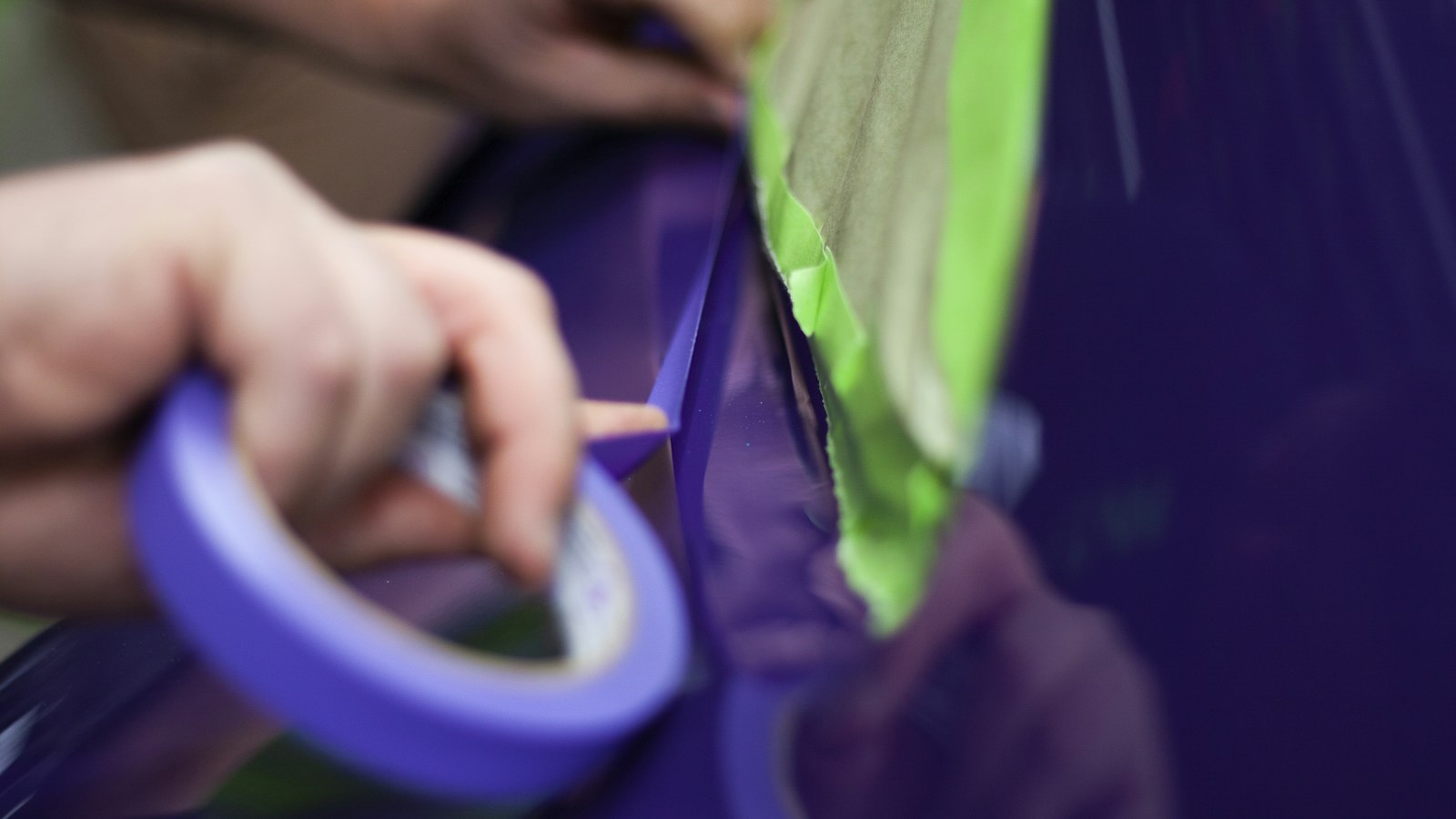
- Defect Isolation and Masking: Precision 3M car vinyl tape is placed 1.5 millimetres around the scratch line, shielding adjacent factory clear coat from unnecessary gritty contact.
- Lubricant Flooding: The target area is saturated with our high-slip deionised surfactant formula to prevent dry-friction drag.
- Micro-gritty Planar Leveling: Using a rigid acrylic sanding nib block fitted with a 3000-grit micro-gritty disc, the detailer makes featherlight, uniform strokes perpendicular to the scratch direction. Zero downward force is used; the weight of the block alone guides the gritty.
- Tactile Inspection and Squeegee Check: A soft rubber squeegee wipes away sanding slurry every four passes. This allows the detailer to inspect the defect under 5000K daylight LED inspection lamps. Once the scratch trough is level with surrounding clear coat, sanding halts immediately.
- Ultra-Fine 5000-Grit Refining: A 5000-grit structured disc makes three light circular refining passes, smoothing 3000-grit scours into an ultra-shallow satin haze.
- Rotary cutting and Jewel Finishing: A high-torque rotary buffer fitted with a 3-inch wool pad and fine paste removes sanding marks in seconds, followed by a dual-action jewel polish that brings the panel back to showroom mirror reflection.
Spot Wet Sanding gear and gritty Matrix.
| Tool / Material. | Specification / Type. | Primary daily Function. |
|---|---|---|
| Digital Paint Gauge. | Ultrasonic Ferrous / Non-Ferrous. | Accurate micron depth mapping to protect clear coat budgets. |
| Sanding Backing Nib. | High-Density Rigid polymer. | Prevents fingertip force grooving; levels peaks evenly. |
| Micro-gritty Discs. | Kovax Tolecut / 3M Trizact 3000-5000. | Ultra-consistent mineral cut depth with minimal scouring. |
| Sanding Slip Agent. | pH-Neutral Surfactant in Deionised Water. | Flushes clear coat dust; prevents gritty cluster pigtails. |
| Rotary Spot buffer. | 75mm (3-inch) Rotary Backing Plate. | High-friction heat breakdown of fine sanding haze. |
| Finishing paste. | Sub-Micron fine Aluminium Oxide. | Jewels clear coat to optical zero without filling defects. |
New England Rural Highway Driving and Paint Scratch Hazards.
Motorists navigating the New England Highway, Waterfall Way. Also, rural arterial roads around Armidale face severe, constant paint scratch hazards. Regional road care frequently involves loose blue metal gravel resurfacing. This pelts oncoming cars with sharp stones that create deep, ragged stone chips and lateral paint scratches. also, agricultural stock crates, roadside tree branches. Also, heavy farming gear frequently create deep brush gouges along the flanks of passing cars.
Ignoring deep clear coat scratches in Armidale's unique climate is perilous. The region experiences extreme heat differentials, swinging from -5°C frost in winter to over 35°C in summer. When moisture enters an unsealed scratch trough during a frosty winter night, the water freezes and expands, forcing micro-fissures wider and causing surrounding clear coat to peel from the basecoat. pro spot wet sanding levels the defect and restores a sealed, unbroken clear coat barrier that prevents moisture ingress and lifelong clear coat failure.
Micro-Pyramidal gritty Geometry and Structured Mineral Cutting.
Modern micro-grits engineered for spot wet sanding differ fundamentally from classic silicon carbide sandpapers. Advanced finishing grits, such as structured micro-pyramidal discs, feature precise geometric mineral pyramids bonded to a flexible resin film backing. Within each micro-pyramid reside thousands of tiny mineral bits graded to exact sub-micron tolerances.
As the disc glides across the lubricated clear coat, the tips of the pyramids wear away evenly, continuously exposing fresh, razor-sharp gritty mineral points. This self-sharpening mechanism ensures uniform cutting depth throughout the sanding stroke. Unlike random-grit sandpaper which leaves erratic, deep scratches, micro-pyramidal discs produce consistent, ultra-shallow scratch patterns that are effortless to paste out, minimizing heat stress and preserving precious clear coat thickness.
Feathering Scratch Margins to Prevent Visual Lens Distortions.
When an inexperienced operator sands an car scratch, a common error is concentrating gritty force exclusively along the narrow trough line. This creates a sharp depression or low spot in the clear coat. Even if the scratch is removed, light reflecting off this localized depression bends inward. This creates an unsightly optical concavity known in the trade as a "lens warping" or "bullseye defect".
Master detailers prevent optical warping by executing methodical feather-edging. The detailer begins sanding with featherlight force over a wider oval zone extending 20 to 30 millimetres beyond the scratch margins. By gradually tapering clear coat reduction from zero at the outer boundary to the required leveling depth at the scratch centre, the repaired zone flows smoothly into the surrounding panel. This creates a flawless optical plane with zero visible warping.
Post-Sanding heat Stabilization and Machine cutting Science.
Following spot wet sanding, the abraded clear coat exists in an unrefined, tiny crystalline state. cutting this zone requires strict heat discipline. The goal is to generate just enough frictional heat (typically 45°C to 55°C) to relax the acrylic clear coat polymers. This allows the micro-gritty cutting minerals to polish the 3000-grit haze flat without overheating the panel.
Detailers work in compact 30-centimetre squares, utilizing a slow machine arm speed and moderate pad force during the first two passes. As the fine gritty bits break down into finer jewel polish, pad force is gradually reduced. The result is a crystal-clear, deep mirror reflection that completely blends the repair into the factory finish.
Practical car Owner Scratch Prevention and Care Checklist.
keeping a flawless clear coat requires proactive driving habits and disciplined washing techniques. Follow this essential car care checklist:
- Keep Safe Following Distances: Maintain at least three to four seconds of stopping distance behind trucks and road trains on the New England Highway to avoid flying gravel and stone chips.
- Adopt the Two-Bucket Hand Wash Method: Always use dedicated wash buckets with grit guards—one for soapy water and one for rinsing dirty wash mitts—to prevent grinding grit across paint.
- Never Dry-Wipe Dusty Paint: Never use dry cloth cloths, feather dusters. Or your hand to wipe away road dust. As dry wiping acts like liquid sandpaper on soft clear coats.
- Trim Overhanging Garden Foliage: Keep driveway bushes, low tree limbs. Also, overhanging roses neatly pruned so they do not drag across car flanks when parking at home.
- Apply Sacrificial Ceramic care: Seal car paintwork with a certified 9H ceramic coating or paint care film (PPF) to add a durable sacrificial layer against light scratches and bird etchings.
High-Level rules for Paint Scratch Restoration.
Clean cars bring joy. Smooth paint shines bright under the sun. You feel proud when your car looks its best. Clean paint makes every drive fun. Good paint care saves you time and cash down the track. Smart drivers keep their paint in top shape with care.
Wash your car often. Use clean water and soft soap. Never wipe dry paint with dusty rags. Dry dust acts like sharp sand on soft clear coats. Keep two buckets ready for every wash. One bucket holds clean soap. The other bucket rinses your mitt clean. Dirt stays in the rinse bucket. Your wash mitt stays clean and safe on paint.
Park your car under cool shade when you can. Hot sun breaks down clear coat resins. Cold frost in winter freezes trapped water in scratch grooves. Ice expands and makes tiny cracks grow wider. When you fix a scratch early, your clear coat stays sealed tight. Clean seals keep rust away from metal panels.
Check your paint panels every month. Run clean hands over the hood. Smooth panels reflect sunlight like clean glass. If you feel rough spots, wash the car right away. Early care stops deep damage in its tracks. A well-kept car holds high trade-in value for years.
Frequently Asked Questions.
Will spot wet sanding thin my car's clear coat dangerously?.
When performed by skilled master detailers using digital paint depth gauges, spot wet sanding removes only 3 to 8 microns of clear coat—less than 20% of the factory clear layer. Over 80% of original UV inhibitors remain intact. This ensures lifelong paint durability.
Can any scratch be removed using spot wet sanding?.
Spot wet sanding can completely eradicate scratches that reside within the clear coat layer. If a scratch has gouged completely through to the white primer or bare metal, localized colour-matched paint touch-up must be used first before micro-sanding the filled resin flat.
How does spot wet sanding compare to repainting an entire body panel at a smash repairer?.
Spot wet sanding preserves the original factory baked paint finish, guarantees 100% perfect colour matching, avoids ugly overspray on adjacent panels, costs a fraction of body shop respraying. Also, can be completed in a few hours rather than days.
Action Steps for Paint Scratch Repair in Armidale.
Every scratch tells a story. Some marks come from bush trips. Other scuffs come from car park doors. No matter where scratches start, early care stops paint damage fast. Fix scratches before winter frost hits. Clean panels keep your car shining bright for miles.
Detailing Mates is here to help. Our pro shop has the right tools and gear. We check your clear coat with digital gauges. We test each panel with care. We use fine pads and soft micro-grits to level scratches flat. We polish panels back to mirror gloss.
Call our friendly team today. We take pride in our work. We love seeing cars look brand new. Visit our Armidale workshop for a free paint check. We guide you on the best care for your car. Drive with pride in a clean, glossy ride.
Pro Workshop Field Notes on Clear Coat Leveling.
Precision paint care takes real patience. Our crew tests each panel with care. We measure clear coat depth at six points. We never rush the job. Safe care keeps your clear coat thick and strong.
We work in small squares. Light strokes keep pads cool. We check our progress every thirty seconds. Soft rubber squeegees clear away sanding water. Clean inspection lights show every fine line. When the scratch vanishes, we stop sanding right away. Then we switch to fine finishing polish.
High-torque rotary buffers work with light wool pads. The buffer spins at smooth, steady speeds. Light passes melt away fine sanding marks. The panel warms up gently. The clear coat relaxes. Surface gloss returns like fresh glass.
We finish with dual-action machine buffers. Soft foam pads jewel the clear coat to a mirror sheen. We wipe panels with plush cloth towels. The paint looks deep, dark. Also, clear. No one can spot where the scratch used to be. You get true factory perfection on every curve.
Smart Car Care Habits That Save You Time and Money.
Good habits keep cars clean. Park in safe spots. Watch for stray shopping carts. Open car doors with care. Keep a safe gap from trucks on the road. Flying gravel chips soft clear coats. Fast care stops tiny paint chips from turning into rust.
Wash your car by hand on weekends. Soft foam lifts dirt fast. Rinse mitts in clean water often. Dry panels with soft towels. A clean car turns heads everywhere you drive. You feel proud of your ride every day.
Expert Paint Correction & Scratch Repair at Detailing Mates.
Have an unsightly deep scratch or gravel gouge ruining the mirror finish of your pride and joy? The master detailers at Detailing Mates specialize in surgical spot wet sanding and multi-stage machine buffing in Armidale NSW.
- Explore our multi-stage Paint Correction Services for heavy defect and scratch removal.
- Lock in flawless mirror gloss with our 10H Ceramic Coating Services for permanent UV and scratch defence.
- Combine outside revival with our complete inside and outside Detailing Package.
Book Your Free Paint Scratch Assessment or visit our Armidale workshop at 95 Rusden Street, Armidale NSW 2350.