When preparing to list a car on the Australian private market, investing in thorough pre-sale vehicle detailing is one of the most effective ways to command top dollar and prevent prospective buyers from negotiating your asking price downward. First impressions carry immense psychological weight during an inspection. A vehicle with gleaming clear coat, crisp glass, an engine bay free of accumulated road grime, and a fresh cabin immediately signals conscientious ownership. Conversely, a vehicle showing road film, unsealed rural dust in the door jambs, dulled paintwork, and stained upholstery invites aggressive lowball offers. In regional areas such as Armidale and across the New England Tablelands, local environmental challenges—ranging from severe winter frosts and fierce ultraviolet exposure to pervasive agricultural dust—leave distinct cosmetic wear that requires methodical care prior to listing.
Pre-sale vehicle detailing is a specialised multi-stage reconditioning process that systematically decontaminates, corrects, and rejuvenates an automobile's exterior and interior surfaces before sale. By eliminating accumulated road grime, swirl marks, cabin odours, and fabric stains, this targeted preparation restores cosmetic integrity, builds buyer confidence, and maximises private sale valuation.
- The Economic Value of Pre-Sale Vehicle Detailing
- Regional Environmental Challenges for Pre-Sale Vehicle Detailing in Armidale
- Paint Defect Reality Check: Correction vs Panel Shop Limits in Pre-Sale Detailing
- Step-by-Step Exterior Decontamination for Pre-Sale Detailing
- Interior Sanitisation and Deep Cleaning for Pre-Sale Car Detailing
- Engine Bay Detailing and Door Jamb Cleaning for Resale
- Service Scope Comparison: Basic Wash vs Maintenance vs Pre-Sale Detailing
- The 10-Point Pre-Sale Detailing Inspection Checklist
- Listing Photography: Showcasing Vehicle Detailing on Carsales
- Workplace Safety Standards During Pre-Sale Detailing
- People Also Ask About Pre-Sale Detailing
- Frequently Asked Questions on Pre-Sale Detailing
- Conclusion: Maximising Resale Return with Pre-Sale Vehicle Detailing
The Economic Value of Pre-Sale Vehicle Detailing
Selling a used automobile in Australia is competitive. Buyers browsing platforms like Carsales, Facebook Marketplace, and Gumtree scroll past dozens of cars in minutes. In this digital marketplace, the visual and physical condition of your vehicle dictates your results. Meticulous presentation directly influences buyer confidence. It also protects your vehicle's market value.
Most private buyers are not mechanics. As a result, they use cosmetic condition as a direct indicator of mechanical care. A car with cloudy headlights, dull paint, and dirty carpets sends warning signals. Buyers assume that an owner who neglected clean paint also skipped basic logbook oil changes and servicing. Professional presentation removes easy bargaining chips. When a car looks immaculate, buyers cannot demand large price discounts.
Industry data shows that proper vehicle preparation delivers a healthy financial return. For an average family SUV or dual-cab utility valued between $25,000 and $40,000, high-end presentation can lift final sale offers by $1,500 to $3,500 (Hypothetical market estimate: actual uplift depends on underlying mechanical health and local market supply). Professional cosmetic preparation offers a predictable, measurable boost to your asking price.
Regional Environmental Challenges for Pre-Sale Vehicle Detailing in Armidale
Cars driven in regional New South Wales face distinct conditions. Armidale and the broader New England Tablelands present tough environmental elements. High-elevation sunlight, sub-zero winter frosts, and unsealed backroads all take a heavy toll on vehicles. Preparing a car in this region requires methods tailored to rural wear.
Armidale sits roughly 1,000 metres above sea level. This high elevation results in stronger solar ultraviolet radiation. Intense UV rays degrade standard clear coats over time. Bonnets and roofs soon develop chalky oxidation and faded pigment. During winter, severe overnight frosts freeze moisture inside stone chips and tiny paint cracks. Repeated freeze-thaw cycles speed up clear coat failure if road grime remains trapped on the surface.
Rural driving also covers cars in fine basalt and granite road dust. This red dust works deep into rubber weather seals, boot gutters, and engine bay gaps. Country highways add bug splatter, cattle truck spray, and sticky eucalyptus sap. When left in hot sun, these organic acids etch into clear coat within days. A basic garden hose rinse will not remove these bonded residues. Scrubbing dry dust with a sponge will only scratch the clear coat. Proper remediation requires chemical fallout removers and gentle clay decontamination.
Paint Defect Reality Check: Correction vs Panel Shop Limits in Pre-Sale Detailing
Before booking any detailing service, vehicle owners should understand modern paintwork limits. Factory automotive paint includes an electrocoat primer, a colour base coat, and an outer clear coat. The clear coat is delicate. It typically measures only 35 to 50 microns thick, which is thinner than a piece of paper.
Machine paint correction uses dual-action polishers and fine abrasives. This process shaves away a fraction of a micron of the clear coat. It safely levels out minor wash swirls, haze, light fingernail marks behind door handles, and shallow water spots. Removing these shallow defects brings back deep optical gloss and sharp reflections.
However, detailing has clear physical limits. Polishing cannot eliminate deep gouges that penetrate through the clear coat into the primer or bare steel. A simple diagnostic is the fingernail test. If your fingernail catches inside a scratch, compounding cannot polish it out safely. Furthermore, stone chips, peeling clear coat, and paint cracking require panel shop respraying or touch-up paint. Clear boundaries ensure you spend your detailing budget on high-impact cosmetic enhancements.
Step-by-Step Exterior Decontamination for Pre-Sale Detailing
Achieving a mirror finish demands a disciplined, step-by-step sequence. Skipping straight to machine polishing over dirty paint will grind grit into the clear coat and cause damage.
1. Wheels, Tyres, and Wheel Arches in Pre-Sale Preparation
Always begin with the dirtiest parts: the wheels and wheel arches. Brake pads shed hot metallic dust that sticks to alloy surfaces. Detailers spray a pH-neutral iron dissolver that reacts with iron particles, turning bright purple as it melts brake grime away safely. Wheel arches filled with dried country mud receive high-pressure water and citrus degreaser. Tyres are scrubbed clean with stiff brushes until all brown oxidation disappears from the rubber.
2. Touchless Pre-Wash and Snow Foam
Never wipe a dry or dusty car with a sponge. Instead, apply a thick layer of high-lubricity snow foam across the whole exterior. The foam softens insect splatters and lifts loose dirt from the panels. After five minutes of dwell time, a high-pressure rinse washes away abrasive road film without anyone touching the paint.
3. Two-Bucket Contact Wash with Grit Guards
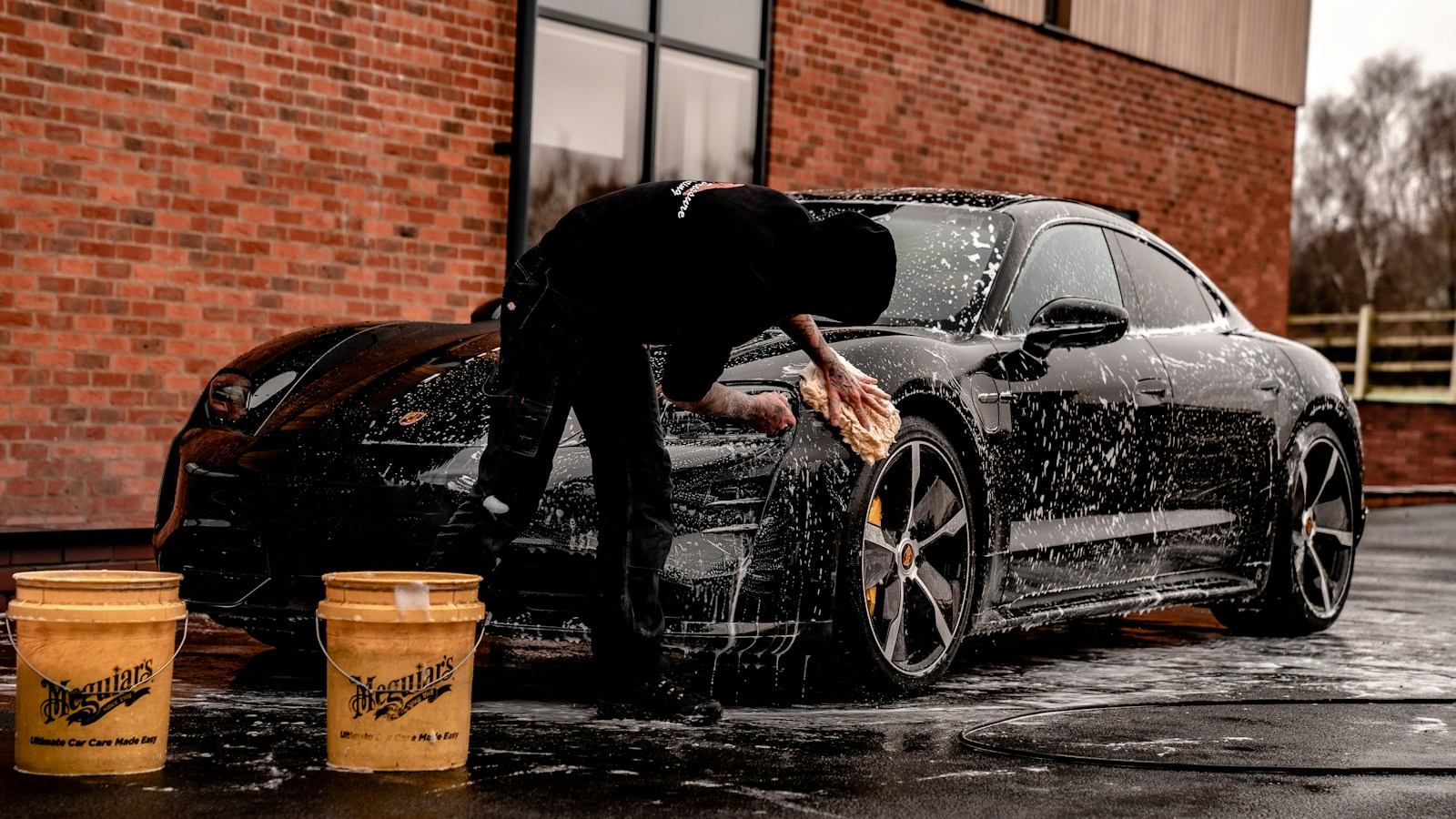
Wash the car using the two-bucket method. One bucket holds clean car shampoo, while the other holds clear rinse water. Both buckets use grit guard grilles at the bottom to trap grit below the wash mitt. Detailers wash each panel in straight lines using plush microfibre mitts. Frequent rinsing in the clean water bucket keeps dirt from scratching adjacent panels.
4. Chemical and Mechanical Paint Decontamination for Resale
Washed paint can still feel rough like fine sandpaper. This roughness comes from industrial iron fallout, tree sap, and road tar. First, spray an iron remover to melt embedded metal particles. Next, apply a tar solvent to dissolve bitumen spots. Finally, glide a lubricated automotive clay bar across the panels. The clay shears away stubborn bonded grime, leaving paint silky smooth for polishing.
5. Single-Stage Paint Enhancement Polish Before Vehicle Sale
Full multi-stage paint correction takes days and is unnecessary for most sales. A single-stage machine polish provides the best balance of cost and visual gloss. A dual-action orbital polisher with a medium foam pad removes 50% to 75% of light swirl marks. It wipes away surface oxidation and restores vivid depth to metallic paint under sunlight.
6. Paint Sealant Application in Pre-Sale Vehicle Preparation
Freshly polished paint needs protection while awaiting buyers. Applying a modern hybrid ceramic spray sealant creates a slick, water-repelling barrier. Dust wipes away easily without marring, rain beads off cleanly, and the vehicle retains its deep showroom shine throughout buyer inspections.
Interior Sanitisation and Deep Cleaning for Pre-Sale Car Detailing
While an attractive exterior attracts buyers, the cabin seals the sale. A prospective buyer sits in the driver seat, handles the controls, and smells the cabin within seconds. A clean, fresh interior gives buyers confidence that the car was treated with care.
Thorough Vacuuming and Dust Extraction for Pre-Sale Presentation
Domestic home vacuums cannot pull fine country dust and stubborn pet hair from carpet pile. Professional detailers use compressed air tools to blow trapped dirt out of air vents, seat rails, and console crevices. Powerful commercial extraction vacuums then pull all loose soil out of the cabin floor.
Fabric Hot Water Extraction for Vehicle Resale Detailing
Stained cloth seats, dirty carpets, and messy floor mats lower your car value fast. Coffee spills, sugary drinks, and muddy footprints require hot water extraction. Technicians apply fabric cleaners, gently brush the fibres, and run a heated extractor. The machine sprays hot water into the weave and instantly sucks the dirty liquid into a recovery tank. For delicate headliners, dry steam cleans surfaces without loosening fabric glue.
Leather Reconditioning in Pre-Sale Detailing
Modern car leather has a protective clear topcoat. Over time, skin oils and denim transfer make leather look shiny and greasy. Clean factory leather should always have a smooth matte finish. Detailers clean seats with gentle cleaners and soft horsehair brushes. A non-greasy conditioner with UV blockers is then applied to keep leather soft and prevent cracking.
Permanent Odour Elimination in Pre-Sale Cabin Detailing
Unpleasant cabin smells turn buyers away instantly. Lingering cigarette smoke, wet dog odour, or stale air conditioning mould can ruin an inspection. Cheap hanging air fresheners do not work because buyers suspect you are hiding bad smells. Professional detailers eliminate odours at the molecular level using ozone machines. Ozone oxidises odour molecules inside carpets, seats, and air ducts, leaving a natural, neutral cabin.
Engine Bay Detailing and Door Jamb Cleaning for Resale
Savvy buyers and mobile vehicle inspectors always open the bonnet. A dusty, oil-stained engine bay looks neglected and makes it hard to see genuine leaks.
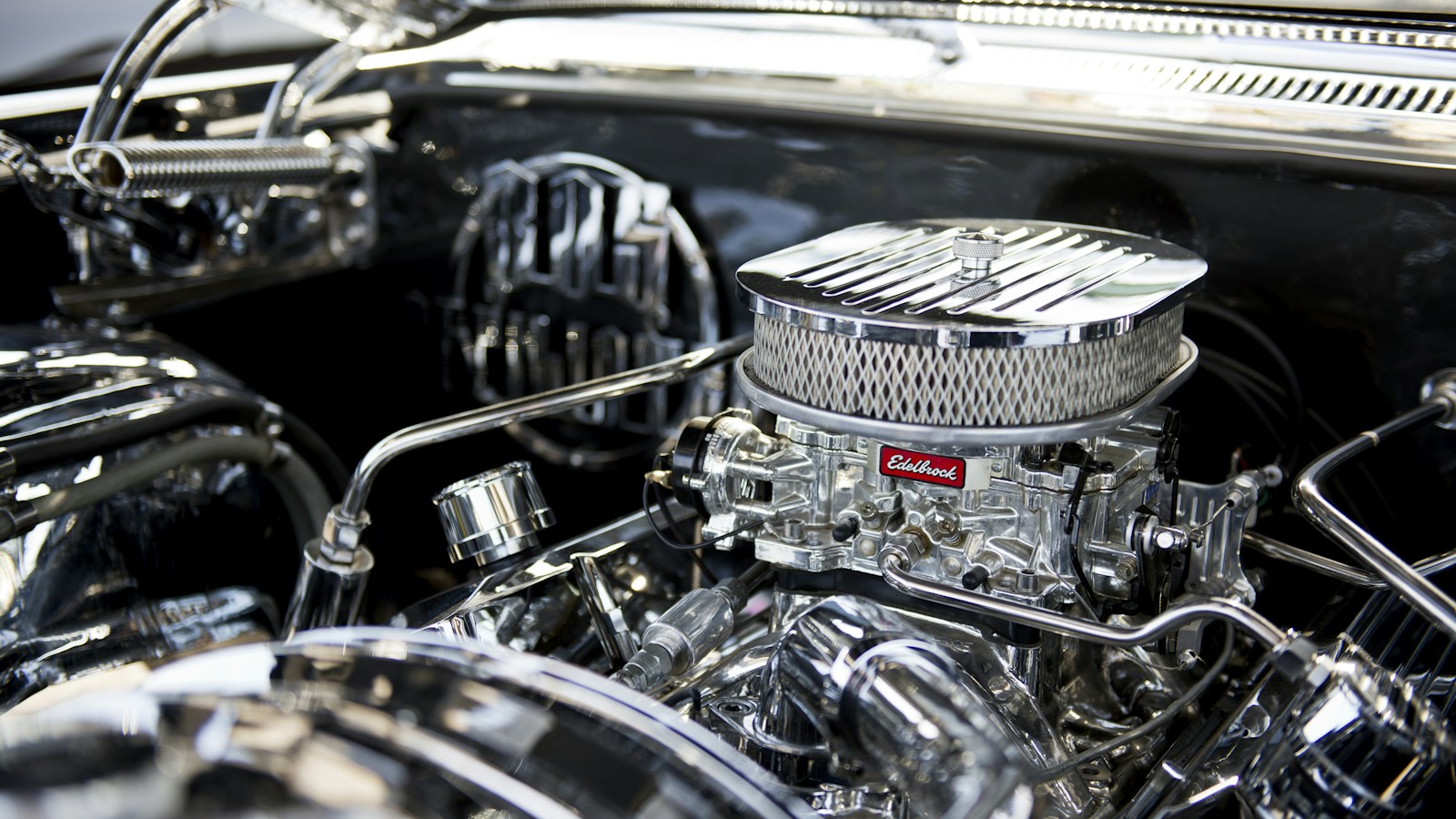
Cleaning an engine bay requires great care. Sensitive electrical sensors, alternators, and computers must be protected. Experienced detailers avoid spraying high-pressure water directly into the bay. Instead, they use mild citrus cleaners, small detailing brushes, and low-moisture steam vapor to dissolve grease safely.
After drying with warm air, all plastic covers and hoses receive a non-greasy satin dressing. This brings back a clean factory look without attracting road dust. All door frames, tailgate shuts, and fuel flaps are also degreased and sealed. When buyers open the doors, clean door jambs prove the vehicle received thorough care.
Service Scope Comparison: Basic Wash vs Maintenance vs Pre-Sale Detailing
To see why pre-sale preparation delivers such strong results, review how services compare across standard cleaning options:
| Service Feature | Drive-Through Wash | Standard Maintenance Clean | Full Pre-Sale Detailing Package |
|---|---|---|---|
| Time Invested | 10–15 minutes | 1.5–2.5 hours | 5–8+ hours |
| Exterior Wash Method | Abrasive spinning brushes | Basic hand wash with sponge | Snow foam pre-wash and two-bucket safe wash |
| Paint Decontamination | None | Basic bug wash | Full chemical iron remover and clay bar decontamination |
| Machine Paint Polishing | None (often adds scratches) | Quick spray wax | Single-stage machine polish to clear swirls and restore gloss |
| Interior Cleaning Depth | None | Quick vacuum and dash wipe | Hot water extraction, steam sanitisation, and leather care |
| Engine Bay & Door Jambs | Ignored | Quick wipe of sills | Complete degreasing, steam cleaning, and satin dressing |
| Resale Value Impact | Zero or negative due to swirls | Maintains baseline appearance | Significant gain ($1,500–$3,500+ value protection) |
The 10-Point Pre-Sale Detailing Inspection Checklist
Before publishing your online ad or welcoming your first buyer, review every item on this practical 10-point checklist:
- Alloy Wheels and Wheel Barrels: Remove all dark brake dust from spokes and inner rims. Dress tyres with a clean satin finish.
- Door and Tailgate Jambs: Clean all trapped dust, dirt, and old grease from door sills and hinges.
- Glass Clarity and Windscreen: Clean inside and outside glass. Remove the oily vinyl film that causes blinding glare in morning sun.
- Seat Crevices and Centre Console: Vacuum deep between front seats and the centre console. Remove all loose crumbs, coins, and dirt.
- Footwell Pedals and Kick Panels: Scrub rubber brake, clutch, and accelerator pedals so they look clean and feel non-slip.
- Carpet and Upholstery Stains: Extract drink spills and muddy marks from seats and carpets. Ensure fabrics dry thoroughly.
- Steering Wheel and Touchscreen: Wipe body oils and finger smudges off steering wheel leather, switches, and touchscreens.
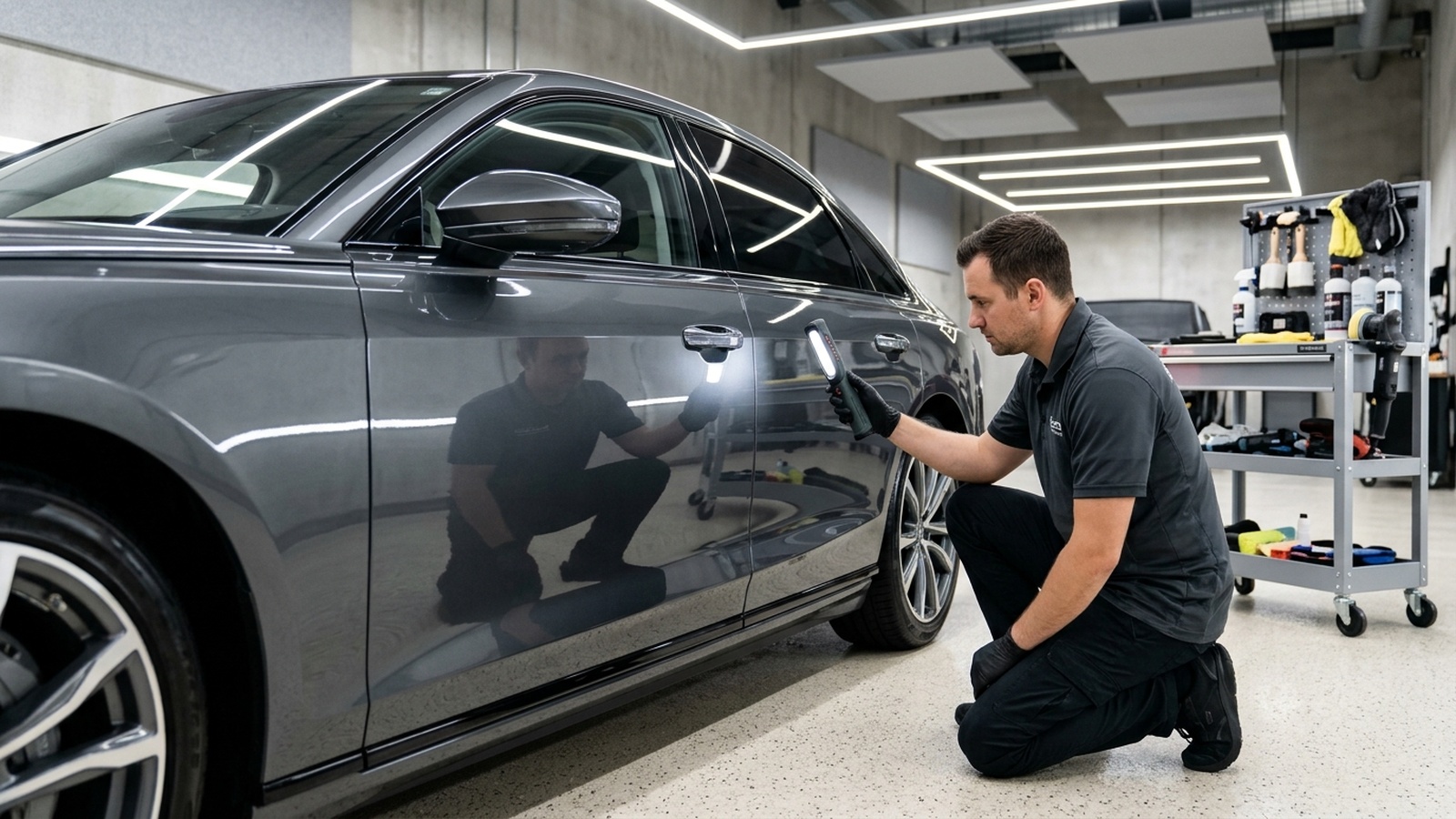
- Paint Swirls and Gloss Check: Inspect paintwork in natural sunlight. Confirm that surface haze is gone and reflections look sharp.
- Engine Bay Appearance: Degrease under-bonnet plastic covers and hoses. Keep finishes clean without sticky silicone shine.
- Fresh Cabin Air: Ensure the interior smells clean and neutral. Avoid strong artificial air fresheners that make buyers suspicious.
Listing Photography: Showcasing Vehicle Detailing on Carsales
Car preparation is only step one. Quality photography is what makes buyers click on your listing online. Even the best detail job will go unnoticed if your photos are blurry, dark, or taken in harsh midday sun.
Take your listing photos during the golden hour. The best times are early morning shortly after sunrise or late afternoon before sunset. Soft, warm sunlight flatters glossy paint reflections. It also avoids harsh white glare that washes out body lines. Park your car in a clean, quiet location with a plain background. An empty paved car park or suburban park works well. Avoid parking on overgrown grass or near rubbish bins.
Take 25 to 30 clear photos from multiple angles. Start with exterior shots: front three-quarter, side profile, and rear angles. Turn your front wheels slightly toward the camera lens to show off clean alloy wheels. Move to the interior: photograph the front seats, dashboard, clean steering wheel, odometer, rear seating, and clean boot space. Lift the boot carpet to show a clean spare wheel well. Finish with a clear picture of the tidy engine bay and stamped service books. In your ad text, mention that the car received complete pre-sale detailing. This reassures buyers that the car is ready to drive away without extra costs.
Workplace Safety Standards During Pre-Sale Detailing
Automotive detailing uses chemical cleaners, solvents, and mechanical buffers. Professional workshops follow strict workplace standards to keep operators and vehicles safe. In Australia, safety standards set by Safe Work Australia require clear Safety Data Sheets (SDS) for all detailing products. Technicians wear protective gloves, eye goggles, and masks when using strong degreasers, wheel cleaners, and ozone machines.
Environmental rules are equally vital. Under regulations from the NSW Environment Protection Authority, wash water containing oil, grease, brake dust, and soap must never run into street stormwater drains. These drains flow straight into local creeks and rivers. Compliant detailing workshops wash cars over drainage bays with oil-water separators. These systems filter out harmful chemicals before water leaves the site.
When selling a car, private sellers should also review rules from the Australian Competition and Consumer Commission regarding fair consumer sales and honest descriptions. Accurate descriptions of your vehicle build trust and prevent disputes with buyers after the sale.
If you prefer to save your weekends and leave the work to local specialists, booking professional pre-sale vehicle detailing services in Armidale guarantees that your car receives meticulous care from bumper to bumper, helping you secure the best possible sale price.
People Also Ask About Pre-Sale Detailing
Does pre-sale vehicle detailing actually increase vehicle resale value?
Yes, pre-sale car preparation consistently increases sale prices by removing cosmetic flaws that buyers use to negotiate discounts. Clear paint, a clean engine bay, and fresh upholstery prove that an owner took good care of the vehicle. This presentation often returns two to three times the detailing service cost upon final sale.
How long does a thorough pre-sale detailing package take?
A full pre-sale vehicle detailing service takes between 5 and 8 hours of work depending on vehicle size and soil levels. Large four-wheel drives, work utes with heavy red dust, or cars with extensive pet hair may require up to two days for complete paint decontamination, machine polishing, and carpet steam extraction.
What is the difference between a cut and polish and paint correction in pre-sale detailing?
A quick cut and polish often uses a fast spinning rotary pad with heavy compound. This can leave hazy buffer trails on modern paint. Modern paint correction uses smooth dual-action polishers and micro-abrasives to level clear coat flaws safely without thinning your paint.
Can pre-sale detailing eliminate stone chips and deep scratches?
No. Pre-sale detailing smooths light clear coat swirls and surface haze, but deep scratches down to the grey primer or bare metal cannot be polished away. Stone chips and deep gouges require touch-up paint or professional respraying at an automotive body shop.
Frequently Asked Questions on Pre-Sale Detailing
How far in advance of advertising should I arrange pre-sale detailing?
Book your detailing appointment one to two days before taking listing photos. This ensures the car is in top condition for photos. It also allows shampooed seats and extracted carpets time to dry completely before prospective buyers take test drives.
Is engine bay detailing safe for modern vehicles before sale?
Yes, when done by trained detailers using safe methods. Detailers cover delicate wiring, use low-pressure dry steam, and dry the bay with compressed air. You should never blast an engine bay with high-pressure garden or car wash hoses.
Should I invest in pre-sale detailing before a dealership trade-in?
Yes. Dealership trade-in valuers inspect trade-ins to calculate reconditioning costs. If your vehicle arrives clean and tidy, the dealer deducts less money for cleaning. This helps you secure a higher trade-in offer against your new car.
How do I maintain vehicle presentation between buyer inspections?
Park the car in a garage or under a carport when not in use. Keep a bottle of quick detailer spray and a clean microfibre cloth in the boot to wipe away bird droppings quickly. You can also place paper floor mats in the footwells during test drives.
What interior defects cannot be resolved through pre-sale car detailing?
Detailing cannot fix torn leather bolsters, cigarette burns through seat fabric, or sagging headliners with decayed glue backing. These physical defects require repair by an automotive motor trimmer.
Conclusion: Maximising Resale Return with Pre-Sale Vehicle Detailing
In the Australian used car market, presentation makes all the difference. When buyers inspect your vehicle, their eyes and senses guide how much they will pay. Neglecting basic preparation leaves money on the table and stretches out the selling process over frustrating weeks.
Investing in thorough pre-sale vehicle detailing turns a standard used car into an attractive purchase. By removing years of road grime, regional dust, paint swirl marks, and cabin odours, you show pride of ownership. Whether you follow this step-by-step guide at home or hire professionals, preparation pays for itself when closing the deal. Present your vehicle with pride, show its real condition, and get the solid sale price your car deserves.