Table of Contents
- Introduction
- Featured Definition
- Why Car Before and After Results Matter
- What a Car Before and After Detail Usually Includes
- Car Before and After: Interior Detailing Results
- Car Before and After: Exterior Detailing Results
- Realistic Results vs Misleading Expectations
- Mobile vs Workshop Car Before and After Detailing
- Australia-Specific Detailing Conditions
- Car Before and After Checklist Before Booking
- How Detailers Create Strong Before and After Results
- People Also Ask
- Expert Q&A
- Conclusion
Introduction
Car Before and After searches are popular in Australia because drivers want proof before booking a detailing service. A clean photo can be persuasive, but a real transformation is about more than shine. It should show careful cleaning, safe methods, realistic improvement, and clear communication about what can and cannot be fixed.
From my experience reviewing detailing outcomes, the best before and after results come from process, not shortcuts. A vehicle may look “new” in photos, yet the real value is in the details: cleaner fabrics, safer glass, brighter paint, fresher touchpoints, less grime in gaps, and better long-term maintenance.
For Australian drivers, this matters even more. Sun, dust, salt air, gum tree sap, bird droppings, road grime, kids, pets, beach sand, and worksite dirt can quickly change how a car looks and feels. Therefore, a good Car Before and After detail should be practical, honest, and suited to local conditions.
Featured Definition
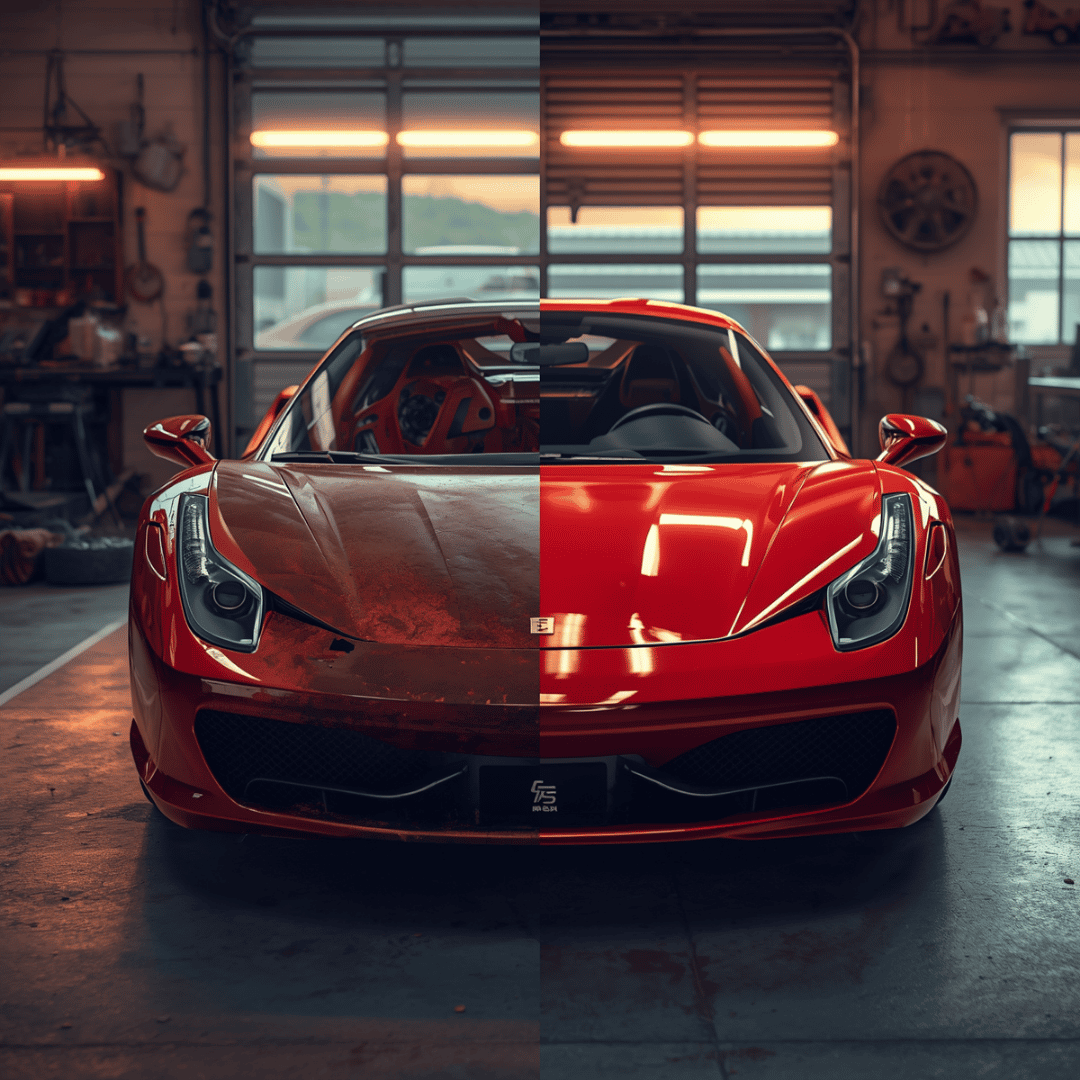
A Car Before and After shows the visible difference between a vehicle’s condition before detailing and after professional cleaning or restoration. In Australia, it often highlights interior vacuuming, stain reduction, exterior washing, paint gloss improvement, wheel cleaning, glass clarity, and realistic upgrades without promising that every scratch or stain will disappear.
Why Car Before and After Results Matter
Car Before and After results help people decide whether a detailing service is worth it. They also show the type of work a detailer performs. For example, one transformation may focus on a muddy 4WD after a weekend trip, while another may show a family SUV with food crumbs, sand, and sunscreen marks.
However, before and after photos should be judged carefully. Lighting, angles, wet paint, filters, and close-up crops can make results look better than they are. Therefore, the most useful photos show the same area, similar lighting, and clear context.
A trustworthy Car Before and After result should answer three questions:
- What was the starting condition?
- What work was actually done?
- What result was realistically achieved?
This is important because detailing is not the same as repair. Detailing can remove dirt, improve gloss, reduce stains, and protect surfaces. However, it cannot always reverse permanent damage. Deep scratches, cracked leather, faded clear coat, etched glass, worn fabric, and old dye transfer may require repair, replacement, or specialist restoration.
In Australia, consumers also have basic expectations when buying services. According to the ACCC’s consumer guarantees guidance, services should be provided with due care and skill and be fit for the purpose made known to the business. For car detailing, that means the scope should be clear, the service should be performed carefully, and claims should be realistic.
What a Car Before and After Detail Usually Includes
A Car Before and After result may come from a basic clean, a maintenance detail, a full interior and exterior detail, or a correction service. The package matters because the outcome depends on the level of work.
A basic clean may include vacuuming, washing, windows, and tyre shine. It can make a car look tidier, but it may not remove deep stains or improve paint defects.
A full detail usually goes further. It may include interior deep cleaning, fabric shampooing, leather cleaning, wheel cleaning, door jambs, bug removal, tar removal, and paint-safe finishing.
A correction or restoration service is more advanced. It may include paint decontamination, machine polishing, headlight restoration, odour treatment, or ceramic coating preparation.
Therefore, when you see a dramatic Car Before and After photo, ask what service created it. A $99 wash should not be compared with a full-day paint correction.
Car Before and After: Interior Detailing Results
Interior transformations are often the most satisfying because people live inside their cars. Seats, carpets, mats, cup holders, steering wheels, dashboards, and door trims collect daily mess.
A strong interior Car Before and After may show:
- Cleaner carpets and mats
- Reduced food crumbs and dust
- Fresher seats
- Clearer glass
- Cleaner cup holders
- Less pet hair
- Reduced stains
- Less odour
- Restored trim appearance
- Cleaner boot space
The “why” behind the process is simple. Dirt does not sit only on the surface. Sand and grit work into carpet fibres. Body oils build up on steering wheels and armrests. Sunscreen can leave white marks on trims. Drinks can dry into sticky residues. Pet hair can weave into fabric.
Because of this, detailers usually work from dry cleaning to wet cleaning. First, they remove loose dirt with vacuuming, brushing, and compressed air where available. Then, they clean surfaces with suitable products. Finally, they dry and inspect the cabin.
From my experience, the biggest interior improvement often comes from touchpoints. A steering wheel, gear selector, door handle, and centre console can look only slightly dirty in photos, yet feel completely different after careful cleaning.
Interior Stain Before and After
Stain removal is one of the most searched Car Before and After topics. However, stain results vary. Coffee, soft drink, mud, makeup, sunscreen, saltwater, and pet accidents all behave differently.
Some stains lift quickly. Others improve but remain visible. Older stains may bond with fabric fibres. Meanwhile, aggressive cleaning can damage material if the wrong product is used.
A good detailer should test, treat, extract, and reassess. They should also explain that stain removal is improvement-based, not always guaranteed.
Pet Hair Before and After
Pet hair transformations can be dramatic. Australian households with dogs often struggle with hair in carpets, seat backs, boot liners, and fabric seats.
Pet hair removal may require rubber tools, brushes, vacuuming, compressed air, and patience. Therefore, many businesses charge extra. This is reasonable because pet hair can take more time than the rest of the interior.
Odour Before and After
Odour work is harder to photograph. A car can look clean and still smell unpleasant. Smoke, food, milk spills, mould concerns, pet smells, and moisture can sit deep in fabrics or vents.
A Car Before and After result should not overpromise odour removal. Instead, it should explain the source, treatment method, and likely improvement. In some cases, cabin filters, deep extraction, ozone treatment, or repeated cleaning may be needed.
Car Before and After: Exterior Detailing Results
Exterior transformations focus on paint, glass, wheels, tyres, trims, badges, grilles, and lights. These results are often highly visual because gloss and reflections change quickly.
A typical exterior Car Before and After may show:
- Cleaner paint
- Brighter wheels
- Deeper gloss
- Removed bug splatter
- Reduced tar spots
- Cleaner glass
- Darker tyres
- Better trim appearance
- Less road grime
- Improved water beading
However, exterior detailing must be done safely. Dust, sand, and grit can scratch paint if they are wiped across the surface. Therefore, a proper process usually includes pre-rinsing, pre-washing, contact washing, safe drying, and protection.
Paint Gloss Before and After
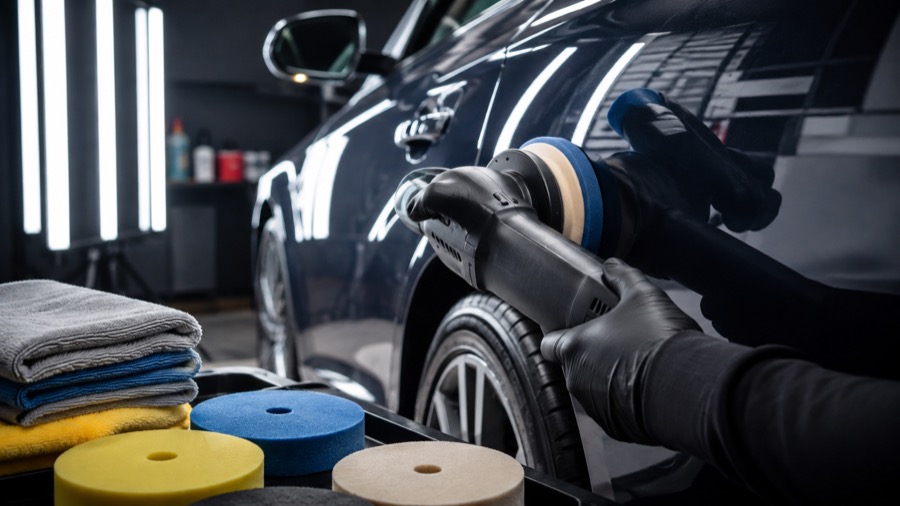
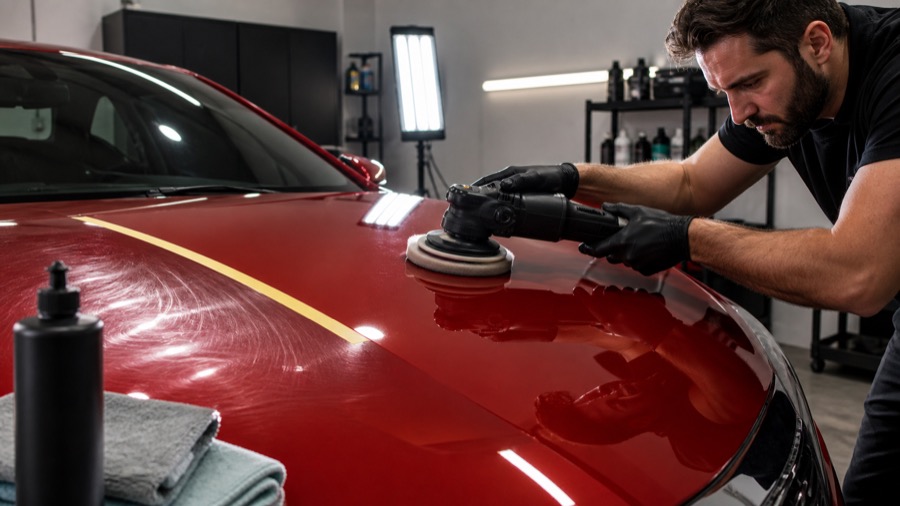
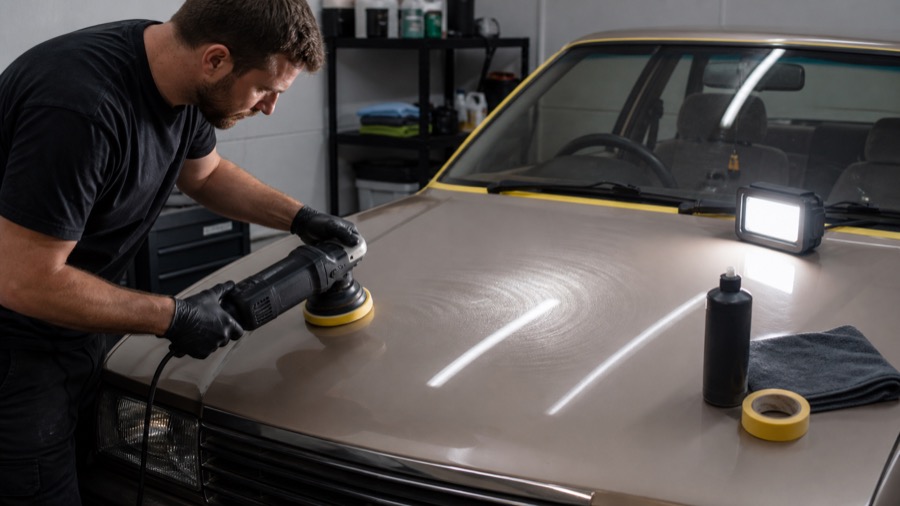
Paint gloss can improve after a wash, but deeper gloss usually comes from polishing. Washing removes dirt. Decontamination removes bonded particles. Polishing levels tiny defects in the clear coat to improve reflection.
Therefore, a shiny after photo does not always mean paint correction was done. Wet paint, shade, and camera angle can make a car appear glossier. Ask whether the service included machine polishing, hand polish, wax, sealant, or ceramic coating.
Wheels Before and After
Wheels often show a big difference because brake dust, road grime, and mud build up quickly. A quality detail may clean wheel faces, barrels, tyres, and wheel arches, depending on the package.
Still, not all marks are dirt. Some wheels have pitting, corrosion, baked-on brake dust, or clear coat damage. Detailing can improve them, but it may not restore them completely.
Headlight Before and After
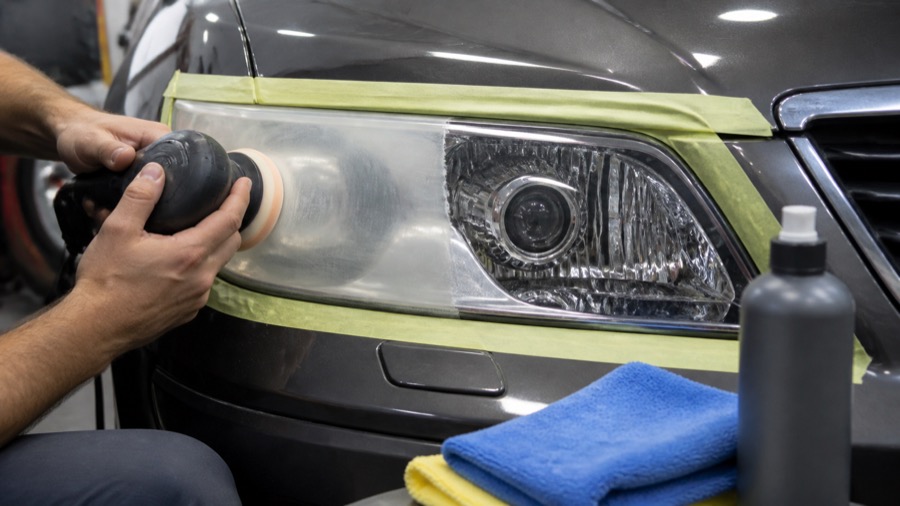
Headlight restoration can be a strong Car Before and After feature. Cloudy headlights may improve through sanding, polishing, and protective coating. However, if the damage is inside the lens or the housing is cracked, detailing may not fully fix it.
Clean lights and glass are also practical. They support visibility, which matters for daily driving. The Queensland Government’s vehicle maintenance advice explains that proper vehicle maintenance supports road safety, including areas such as tyres and general upkeep.
Realistic Results vs Misleading Expectations
Car Before and After content should be honest. Strong marketing can still be truthful, but it should not imply impossible outcomes.
A realistic detailer may say:
- “This stain improved by around 80%.”
- “Light swirls were reduced, but deeper scratches remain.”
- “The seats are cleaner, but fabric wear is still visible.”
- “The wheels are cleaner, but corrosion remains.”
- “The smell has improved, but a second treatment may help.”
These statements build trust because they explain the difference between dirt and damage.
A misleading result may rely on:
- Different lighting
- Wet paint after photos
- Heavy filters
- Cropped images
- No explanation of the service
- Claims that all scratches disappeared
- No mention of permanent marks
- No process photos
Before booking, ask to see examples similar to your car. A muddy 4WD, family SUV, prestige sedan, tradie ute, or rideshare vehicle may need different detailing methods.
Mobile vs Workshop Car Before and After Detailing
Many Australians choose mobile detailing because it is convenient. However, workshop detailing can be better for certain transformations.
| Detailing Type | Best For | Car Before and After Strength | Limitations |
|---|---|---|---|
| Mobile detailing | Maintenance details, busy households, office bookings | Great for interior cleaning, washing, wheels, and general tidy-ups | May need shade, water, power, space, and weather protection |
| Workshop detailing | Paint correction, coatings, deep restoration | Better for controlled lighting, longer jobs, and advanced tools | Requires drop-off and pickup |
| Quick wash service | Light dirt and short-term refresh | Fast visible improvement | Limited deep cleaning and limited correction |
| Specialist restoration | Heavy stains, odours, headlights, paint defects | Strong transformation potential | Higher cost and longer time |
The right choice depends on the vehicle’s condition. For example, a dusty commuter car may look excellent after mobile detailing. However, a black car with heavy swirl marks may need workshop lighting and machine polishing.
Australia-Specific Detailing Conditions
Australia’s environment shapes Car Before and After results. A detailer in Melbourne, Sydney, Brisbane, Perth, Adelaide, Hobart, Darwin, or regional Australia may deal with different conditions.
Sun and UV Exposure
Australian UV exposure can be harsh. Over time, it may contribute to faded trims, dry rubber, oxidised paint, and hot interiors. Detailing can clean and protect surfaces, but it cannot always reverse long-term UV damage.
Therefore, after results should be judged with age in mind. A ten-year-old car parked outside every day may improve greatly, but it may not look like a new vehicle.
Coastal Salt and Sea Air
Coastal vehicles often collect salt film. This can sit on paint, glass, wheels, and lower panels. Regular washing helps remove it before it builds up.
For drivers near Bondi, Wollongong, Newcastle, Gold Coast, Sunshine Coast, Geelong, Fremantle, or coastal South Australia, exterior maintenance is especially useful.
Dust, Pollen, and Road Grime
Dust is common across many Australian suburbs and regional areas. It can make paint look flat and interiors feel gritty. Also, wiping dust without lubrication can create fine scratches.
Therefore, safe washing matters. A proper Car Before and After result should be achieved with methods that protect paint, not just make the car look clean for photos.
Beach Sand and Family Use
Beach sand is one of the most common interior problems in Australia. It settles deep into mats, boot carpets, seat rails, and floor edges. Family cars also collect snacks, sunscreen, toys, pram marks, and drink spills.
As a result, interior before and after work often takes longer than expected.
Stormwater and Wash Water
Car washing can create runoff that contains detergent, oils, grime, metals, and sediment. The NSW EPA stormwater guidance says stormwater drains flow untreated to waterways and that drains are for rain. This is why responsible mobile and fixed-site detailers consider where wash water goes.
This section is general administrative and environmental information, not legal advice. Local council requirements may vary, so businesses should check their own obligations.
Car Before and After Checklist Before Booking
Use this checklist before choosing a Car Before and After detailing service in Australia.
- Identify your main goal. Decide whether you want a quick tidy-up, pre-sale presentation, odour improvement, stain reduction, paint gloss, or long-term protection.
- Send clear photos. Include seats, carpets, boot, wheels, paint, stains, scratches, and problem areas. This helps the detailer quote more accurately.
- Ask what package created similar results. Do not assume every before and after photo came from a basic detail.
- Confirm interior inclusions. Ask about vacuuming, mats, seats, plastics, leather, cup holders, glass, boot, pet hair, and stain treatment.
- Confirm exterior inclusions. Ask about pre-wash, hand wash, wheels, tyres, door jambs, tar removal, bugs, drying, wax, sealant, and polishing.
- Ask what is excluded. Common exclusions include pet hair, heavy stains, mould, smoke odour, headlight restoration, engine bay cleaning, and machine polishing.
- Check mobile requirements. Ask whether the service needs shade, water, power, driveway access, or body corporate approval.
- Ask about limitations. A professional should explain what may not fully improve, including deep scratches, worn fabric, cracked leather, and clear coat failure.
- Review the finished vehicle. Inspect under mats, seat edges, glass, wheels, mirrors, boot, cup holders, and high-touch areas.
- Ask for maintenance advice. A good detailer should explain how to keep the result cleaner for longer.
How Detailers Create Strong Before and After Results
A strong Car Before and After transformation usually follows a logical sequence. The order matters because rushing can cause missed areas or damage.
Step 1: Inspection
The detailer checks paint, stains, fabrics, trims, wheels, glass, and odours. This helps identify what is dirt, what is wear, and what may need specialist treatment.
Step 2: Dry Interior Cleaning
Dry cleaning removes loose dirt first. Vacuuming, brushing, and air tools can lift crumbs, sand, dust, and pet hair. This prevents wet cleaning from turning dry dirt into mud.
Step 3: Interior Surface Cleaning
The detailer then cleans plastics, leather, vinyl, screens, consoles, vents, switches, handles, and trims. Product choice matters because modern interiors have sensitive finishes.
Step 4: Fabric and Carpet Treatment
Seats, mats, and carpets may need shampooing, extraction, steam, or spot treatment. However, over-wetting should be avoided because moisture can cause odour or electrical issues.
Step 5: Exterior Pre-Wash
A pre-wash loosens grime before contact washing. This reduces the chance of dragging dirt across paint.
Step 6: Contact Wash
The car is washed with lubrication, clean mitts, and careful technique. This stage removes normal dirt and road film.
Step 7: Decontamination
If included, clay treatment or chemical decontamination removes bonded contaminants. This can make paint feel smoother and prepare it for polishing or protection.
Step 8: Polishing or Protection
Polishing improves gloss and reduces some defects. Protection, such as wax, sealant, or coating, helps keep the finish easier to clean.
Step 9: Final Inspection
The final inspection checks glass, mirrors, wheels, door jambs, trims, carpets, and customer priority areas. This is where small missed details are corrected.
What Makes a Car Before and After Photo Trustworthy?
A trustworthy photo shows the same area before and after. It should use similar lighting, distance, and angle. It should also explain the service level.
For example, a helpful caption might say: “Interior deep clean with fabric shampoo and pet hair removal. Some permanent staining remains.” That caption is more useful than “brand new again.”
This matters because search users want confidence. They are often deciding whether to spend money, prepare a car for sale, clean a family vehicle, or restore pride in ownership. Clear before and after examples help them choose the right service.
Car Before and After for Pre-Sale Detailing
Pre-sale detailing is one of the best uses of before and after work. A clean vehicle can create a better first impression for buyers. It may also make photos look clearer for online listings.
A pre-sale Car Before and After detail usually focuses on:
- Clean seats and carpets
- Clear windows
- Fresh smell
- Glossy paint
- Clean wheels
- Tidy boot
- Clean door jambs
- Presentable engine bay, if suitable
- Removed bugs and tar
- Reduced stains where possible
However, sellers should be honest. Detailing should improve presentation, not hide serious defects. Mechanical faults, major paint damage, rust, and accident history are outside the role of detailing.
Car Before and After for Family Cars
Family cars often produce dramatic interior transformations. This is because daily use creates layered mess. Snacks, school bags, beach gear, sports equipment, prams, sunscreen, and drink spills can all leave marks.
For families, the most useful before and after results are not always the glossiest paint shots. Instead, they are clean seat gaps, fresh mats, empty cup holders, clear windows, and a boot that feels usable again.
In my experience, regular maintenance is easier and cheaper than waiting until a vehicle becomes heavily soiled. Even a monthly vacuum and quick wipe-down can make a full detail more effective later.
Car Before and After for 4WDs and Utes
Australia has a strong 4WD and ute culture. These vehicles may deal with mud, red dirt, beach sand, gravel roads, tools, dogs, camping gear, and worksite dust.
A 4WD or ute Car Before and After may look dramatic, but it can also take significant time. Mud in wheel arches, red dust in seals, sand in carpets, and grime around trays can be stubborn.
Also, some marks may be permanent. Pinstripes from bush tracks, stone chips, tray scratches, and faded plastics may need separate repair or restoration.
Car Before and After for Rideshare and Business Vehicles
Rideshare and business vehicles need consistent presentation. Passengers and clients notice dirty seats, dusty dashboards, fingerprints, smells, and unclear windows.
For these vehicles, regular detailing is usually better than occasional rescue cleaning. A maintenance schedule can keep results stable, protect surfaces, and reduce downtime.
Business operators should also keep records of services for administration and presentation. This is not tax or legal advice, but good record keeping can support general business organisation.
Common Mistakes When Judging Before and After Results
Many people judge Car Before and After photos too quickly. Instead, look for detail.
Common mistakes include:
- Assuming shine means paint correction
- Assuming all stains were removed permanently
- Ignoring lighting differences
- Comparing different vehicle conditions
- Expecting a basic package to deliver restoration results
- Forgetting that old damage may remain
- Not checking whether protection was applied
- Not asking how long the job took
A fair comparison looks at scope, process, and result. If the starting point was severe, a 70% improvement may be excellent. If the car was already clean, a smaller visible change may still involve careful work.
People Also Ask
What does Car Before and After mean in detailing?
Car Before and After means showing a vehicle’s condition before and after detailing. It helps customers see improvements in cleanliness, gloss, stain reduction, wheel appearance, glass clarity, and overall presentation.
Are Car Before and After results always accurate?
Not always. Some results can be affected by lighting, angles, wet surfaces, or editing. Reliable examples use similar before and after angles and explain what service was performed.
Can detailing make my car look new again?
Detailing can make many cars look much cleaner and glossier. However, it cannot always fix deep scratches, worn fabric, cracked leather, rust, clear coat failure, or permanent staining.
How much does a Car Before and After detail cost in Australia?
Prices vary by vehicle size, condition, location, and service level. A light clean costs less than a full interior detail, paint correction, or ceramic coating preparation. Ask for a quote based on photos and your goals.
Is before and after detailing worth it before selling a car?
Yes, it can be worth it because buyers often judge presentation quickly. Clean seats, clear glass, glossy paint, and tidy wheels can make the vehicle more appealing, although detailing does not replace repairs or honest disclosure.
Expert Q&A
1. What should I look for in a Car Before and After gallery?
Look for similar angles, natural lighting, close-up detail, and clear descriptions. The best galleries explain whether the job was a maintenance clean, full detail, stain treatment, paint correction, or restoration.
2. Why do some stains remain after detailing?
Some stains chemically bond with fabric or damage the material. Age, heat, dye, previous cleaning attempts, and the type of spill all affect results. A professional may improve the stain without fully removing it.
3. Why does black paint show the biggest before and after difference?
Black paint reflects light strongly, so dust, swirls, and haze are more visible. After washing or polishing, black paint can look dramatically glossier. However, it also shows new marks more easily, so careful maintenance is important.
4. Should I choose mobile or workshop detailing for the best result?
Choose mobile detailing for convenience, regular cleaning, and many standard transformations. Choose workshop detailing for paint correction, ceramic coating, heavy odour treatment, or jobs needing controlled lighting and longer work time.
5. How can I keep the after result looking good longer?
Park in shade where practical, remove bird droppings quickly, vacuum regularly, wipe spills early, avoid automatic brushes, and wash with safe products. Also, consider wax, sealant, or ceramic protection if your car lives outdoors.
Conclusion
Car Before and After results are useful because they show what detailing can achieve in real conditions. However, they should be judged with context. A dramatic photo is helpful, but the real measure is the process, the honesty of the explanation, and the suitability of the service for your vehicle.
For Australian drivers, the best results come from matching the detail to the car’s use. A family SUV, rideshare sedan, coastal hatchback, tradie ute, 4WD, and pre-sale vehicle all need different levels of attention. Therefore, ask clear questions, send photos, confirm inclusions, and understand limitations before booking.
A good detail should make your car cleaner, fresher, safer to see out of, easier to maintain, and more enjoyable to drive. For practical support with your next transformation, explore trusted car detailing services for Australian vehicles.