
- red Definition
- Why Interior Exterior Inclusion Matters in Australia
- What Is Usually Included in Interior Detailing?
- What Is Usually Included in Exterior Detailing?
- Interior Exterior Inclusion Package: What to Check Before Booking
- Onsite, Mobile, and Workshop Detailing Compared
- Australia-Specific Factors That Affect Detailing
- Interior Exterior Inclusion Checklist
- Common Add-Ons and Exclusions
- How to Choose a Detailer in Australia
- People Also Ask
- Expert Q&A
- Conclusion
Introduction
Interior Exterior Inclusion is a phrase many Australians use when they want to understand exactly what is covered in a car detailing package. In simple terms, it means the service includes both the inside and outside of the vehicle, but the exact inclusions can vary a lot between detailers.
From my experience reviewing car care services and customer expectations, most confusion comes from package names. One business may call a service “full detail”, another may call it “interior and exterior detail”, and another may list only the main tasks. Therefore, it is important to compare the actual work included, not just the package title.
This guide explains what Interior Exterior Inclusion normally means in Australia, what to ask before booking, which services are often excluded, and how to choose a practical package for your vehicle.
Featured Definition
Interior Exterior Inclusion means a car detailing service covers both cabin cleaning and exterior cleaning. It usually includes vacuuming, interior wipe-downs, window cleaning, hand washing, wheel cleaning, and basic paint-safe finishing. However, deeper services such as stain removal, polishing, odour treatment, or ceramic coating may cost extra.
Why Interior Exterior Inclusion Matters in Australia
Australia’s climate is tough on vehicles. Dust, UV exposure, coastal salt, bird droppings, road grime, tree sap, sunscreen residue, and food spills can all build up quickly. As a result, regular detailing is not only about appearance. It also helps protect surfaces and keeps the vehicle more pleasant to use.
Interior Exterior Inclusion matters because it gives drivers a clear way to compare value. A package that covers only a wash and vacuum is not the same as one that includes fabric shampooing, paint decontamination, wheel arch cleaning, or leather conditioning.
Moreover, Australian consumers should expect service providers to describe what they are selling clearly. The ACCC explains Australian Consumer Law consumer guarantees, which means services should be provided with due care and skill and be fit for the purpose discussed with the business.
That does not mean every mark, scratch, stain, or smell can be removed. However, it does mean customers should receive a fair explanation of what the service can and cannot achieve.
What Is Usually Included in Interior Detailing?
Interior detailing focuses on the cabin, boot area, and touchpoints. In Australia, this is especially useful for family cars, rideshare vehicles, tradie utes, pet transport, coastal vehicles, and cars used daily in hot weather.
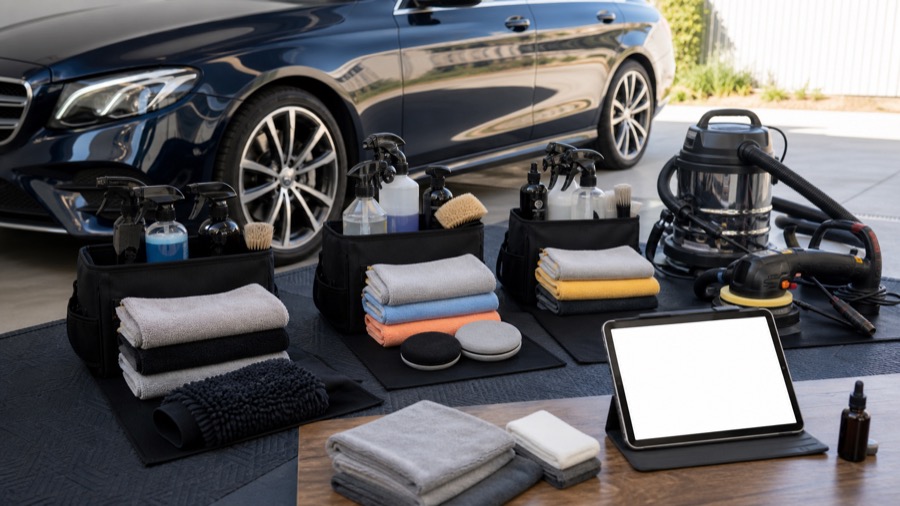
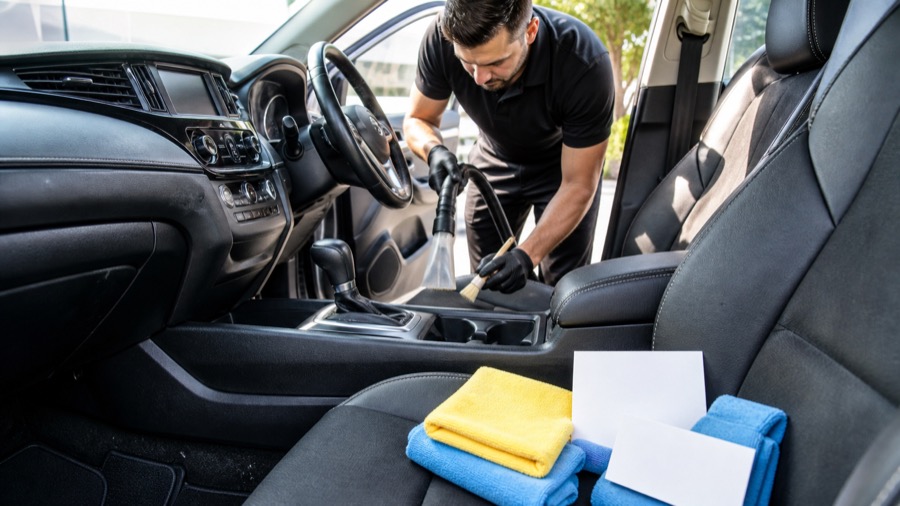
A basic Interior Exterior Inclusion package often includes the following interior tasks:
- Vacuuming seats, carpets, mats, and boot areas
- Wiping dashboard, console, door trims, and cup holders
- Cleaning interior windows and mirrors
- Dusting vents and switches
- Cleaning steering wheel, gear selector, and handbrake areas
- Removing light crumbs, dust, and loose debris
- Basic deodorising or cabin freshening
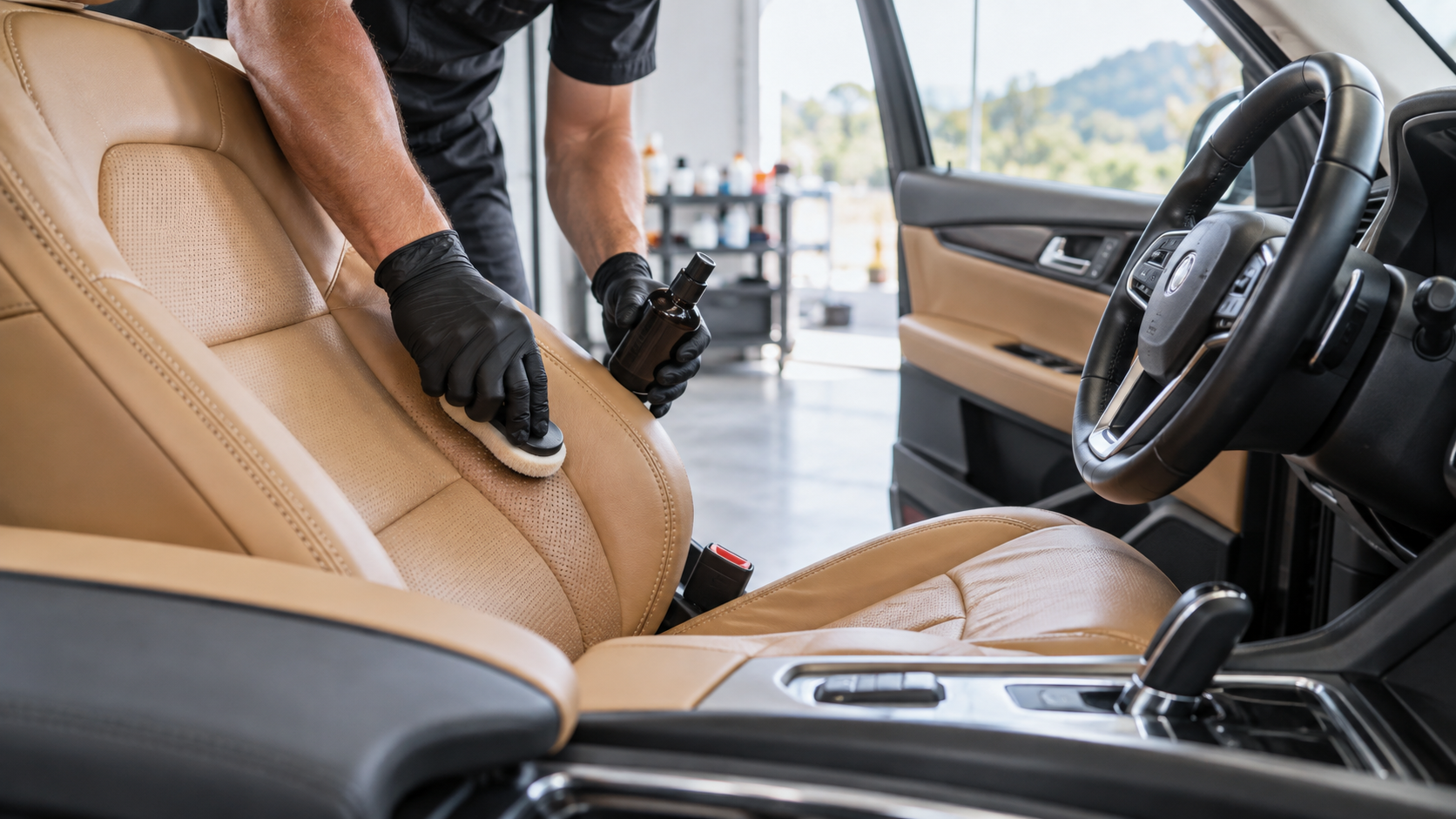
However, a deeper interior detail may go further. It may include steam cleaning, fabric shampooing, leather cleaning, leather conditioning, stain treatment, pet hair removal, and odour treatment.
The “why” is simple. Interior surfaces collect body oils, sunscreen, dust, bacteria, food residue, and moisture. Over time, these can create smells, stains, and sticky touchpoints. Therefore, good interior detailing is a controlled cleaning process, not just a quick wipe.
For example, a steering wheel may look clean but still feel shiny and slippery because of oils from hands and sunscreen. Likewise, dark carpets can hide sand and grit that slowly damage fibres. A proper detailer usually loosens debris first, vacuums carefully, then uses suitable cleaners for each material.
What Is Usually Included in Exterior Detailing?
Exterior detailing focuses on the paint, glass, wheels, tyres, trims, and visible outside surfaces. It is more technical than a simple driveway wash because paint can be scratched if dirt is dragged across the surface.
A standard Interior Exterior Inclusion package may include:
- Pre-rinse or pre-soak
- Hand wash using a paint-safe method
- Wheel face cleaning
- Tyre cleaning and dressing
- Exterior window cleaning
- Door jamb wipe-downs
- Bug and light tar removal
- Basic spray wax or sealant
- Final towel dry
The most important part is safe washing. Dust and road film can act like fine sandpaper. Therefore, a quality detailer uses lubrication, clean wash media, and proper drying towels to reduce the risk of swirl marks.
In Australia, this matters because vehicles often deal with intense sun, dusty roads, rain spots, gum tree sap, and coastal salt. Bird droppings and bug splatter should also be removed quickly because they can damage clear coat if left too long.
A more advanced exterior detail may include clay bar treatment, iron fallout removal, machine polishing, headlight restoration, trim restoration, and ceramic coating preparation. These are often not included in a basic package, so ask first.
Interior Exterior Inclusion Package: What to Check Before Booking
Before booking an Interior Exterior Inclusion service, ask for a clear inclusions list. This helps avoid disappointment and gives the detailer a fair chance to recommend the right package.
A good package description should explain:
- Whether seats are shampooed or only vacuumed
- Whether leather is cleaned and conditioned
- Whether pet hair removal is included
- Whether stains are treated or quoted separately
- Whether paint is polished or only washed
- Whether wheels are cleaned fully or just the outer faces
- Whether engine bay cleaning is included
- Whether ceramic coating or wax is included
- Whether mobile service, water, and power are included
- Whether heavily soiled vehicles cost extra
This matters because “interior and exterior” is a category, not a fixed technical standard. For example, two cars can both need interior and exterior detailing, but one may be a lightly dusty hatchback while another may be a beach-used SUV with sand, pet hair, and sunscreen marks.
From my experience, the best results happen when the customer describes the car honestly. Photos also help. A reliable detailer can then recommend the right level of service and explain any limitations.
Onsite, Mobile, and Workshop Detailing Compared
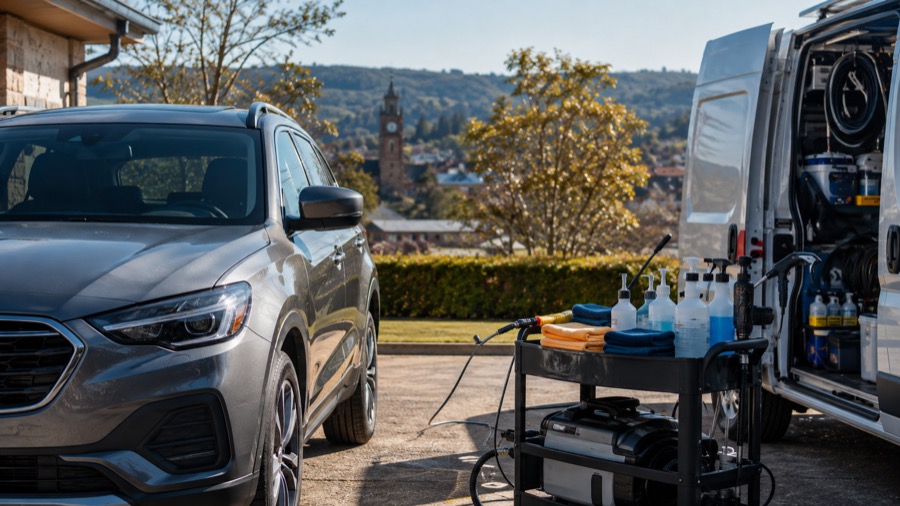
Many Australians search for Interior Exterior Inclusion because they want convenience. Mobile detailing is popular because it can be done at home or work. However, workshop detailing can be better for complex services.
| Option | Best For | Benefits | Limitations |
|---|---|---|---|
| Mobile detailing | Busy households, offices, regular maintenance | Convenient, saves travel time, suitable for many standard details | May need shade, space, water access, or power depending on provider |
| Workshop detailing | Paint correction, ceramic coating, heavy restoration | Controlled lighting, tools, drainage, and longer working time | Requires drop-off and pick-up |
| Basic car wash site | Quick exterior refresh | Fast and often cheaper | Usually less detailed, limited interior work |
| Premium full detail | Pre-sale cars, neglected interiors, long-term protection | More thorough cleaning and finishing | Costs more and takes longer |
Mobile detailing is a strong choice for regular maintenance. However, if the car needs heavy paint correction or long curing times for coating, a workshop may be more suitable.
Australia-Specific Factors That Affect Detailing
Australia’s conditions affect what should be included in a detailing package. Therefore, local context matters.
Heat and UV Exposure
The Australian sun can fade trims, dry out rubber, and make interiors uncomfortable. As a result, interior plastics, leather, and vinyl need gentle cleaning and protection. Strong cleaners can cause damage if used incorrectly, especially on modern soft-touch surfaces.
Coastal Salt
Vehicles near the coast can collect salt on glass, paint, wheels, and underbody areas. Salt can contribute to corrosion if neglected. Therefore, regular exterior washing is useful for coastal drivers in places such as Sydney, Wollongong, Gold Coast, Perth, Adelaide, and parts of regional Australia.
Dust and Road Grime
Dust is common in outer suburbs, regional roads, construction zones, and rural areas. If it is wiped dry, it can scratch paint and interior gloss trims. Therefore, safe wash methods and careful vacuuming are important.
Stormwater and Wastewater Rules
Car washing wastewater can carry detergents, oils, heavy metals, rubber particles, and sediment. The NSW EPA guidance on stormwater says washing runoff should not enter stormwater drains and should be managed through suitable wash bay or wastewater systems where required.
This is administrative and environmental guidance, not legal advice. Since local council rules can differ, professional operators should understand their local requirements and use responsible wash methods.
Visibility and Safety
Clean glass, mirrors, lights, and number plates are more than cosmetic. They support visibility and road safety. The National Heavy Vehicle Regulator vehicle standards resources show how vehicle lighting, reflectors, windows, and visibility are treated as important vehicle standards topics.
For everyday drivers, the practical point is simple. A detail should leave windows, mirrors, lights, and number plates clean and easy to see through or read.
Interior Exterior Inclusion Checklist
Use this numbered checklist before booking an Interior Exterior Inclusion service in Australia.
- Confirm the vehicle type. Tell the detailer whether it is a hatchback, sedan, SUV, ute, van, 4WD, or prestige car. Larger vehicles usually take longer.
- Describe the condition honestly. Mention pet hair, sand, stains, mould concerns, smoke smell, food spills, heavy mud, or tree sap. This helps avoid surprise charges.
- Ask what the interior includes. Confirm vacuuming, plastics, cup holders, vents, windows, boot, seat cleaning, leather care, and mat cleaning.
- Ask what the exterior includes. Confirm pre-wash, hand wash, wheels, tyres, glass, bugs, tar, door jambs, drying method, and protection.
- Check if stain removal is included. Many stains require extra time, chemical testing, and repeat treatment.
- Check if polishing is included. A wash makes paint clean. Polishing improves gloss and may reduce light swirls. They are not the same.
- Ask about protection. Basic spray wax, synthetic sealant, and ceramic coating are different products with different durability.
- Confirm mobile requirements. Ask whether the service needs shade, water, power, driveway access, or permission from a building manager.
- Request an estimated time. A proper full detail usually takes longer than a quick wash. Time can vary based on condition.
- Review after completion. Inspect glass, wheels, trims, seats, carpets, boot, and high-touch areas before the detailer leaves.
This checklist helps both sides. Customers know what they are buying, and detailers can provide a better result.
Common Add-Ons and Exclusions
A key part of understanding Interior Exterior Inclusion is knowing what may not be included. Many customers assume “full detail” means every possible service. In practice, some tasks are specialist add-ons.
Common add-ons include:
- Pet hair removal
- Deep stain extraction
- Odour treatment
- Smoke smell treatment
- Mould remediation
- Paint correction
- Ceramic coating
- Headlight restoration
- Engine bay cleaning
- Underbody rinse
- Tar and glue removal
- Overspray removal
- Water spot removal
- Leather repair
- Fabric protection
- Child seat cleaning
There is a reason these services are often separate. They take extra time, special products, and sometimes risk testing. For example, aggressive stain treatment can affect fabric colour if done incorrectly. Likewise, machine polishing requires skill because paint thickness and clear coat condition can vary.
Therefore, a transparent quote is better than a vague promise. Ask the provider to explain what is included, what is excluded, and what can be added after inspection.
How to Choose a Detailer in Australia
When choosing a detailer, look beyond price. A cheap service can be suitable for light maintenance, but it may not be enough for a neglected car. Meanwhile, a premium package may be unnecessary for a vehicle that only needs a tidy-up.
A good detailer should be able to explain:
- What products are used on leather, fabric, paint, glass, and trims
- How they reduce the risk of paint scratches during washing
- Whether they carry insurance
- Whether they offer mobile or workshop service
- What happens if a stain or mark cannot be removed
- How they manage water runoff where relevant
- What photos or inspection details they need before quoting
Also, look for clear communication. If a business says every stain will be removed or every scratch will disappear, be cautious. Detailing improves condition, but it does not reverse all wear. Deep scratches, permanent dye transfer, cracked leather, damaged clear coat, and etched water spots may need repair or specialist correction.
For Australian customers who want practical car care with clear service options, explore professional car detailing support from Detailing Mates.
Interior Exterior Inclusion for Different Vehicle Owners
Not every driver needs the same level of detailing. Therefore, match the package to the way the vehicle is used.
Family Cars
Family cars often need stronger interior attention. Crumbs, drink spills, sunscreen, sand, and child seat marks can build up quickly. For these vehicles, Interior Exterior Inclusion should ideally cover mats, cup holders, door pockets, seat gaps, boot space, and interior glass.
Rideshare Vehicles
Rideshare vehicles need regular cleaning because passengers notice smell, dust, and seat condition. A maintenance detail every few weeks may be more useful than waiting until the car becomes heavily soiled.
Tradie Utes and Work Vehicles
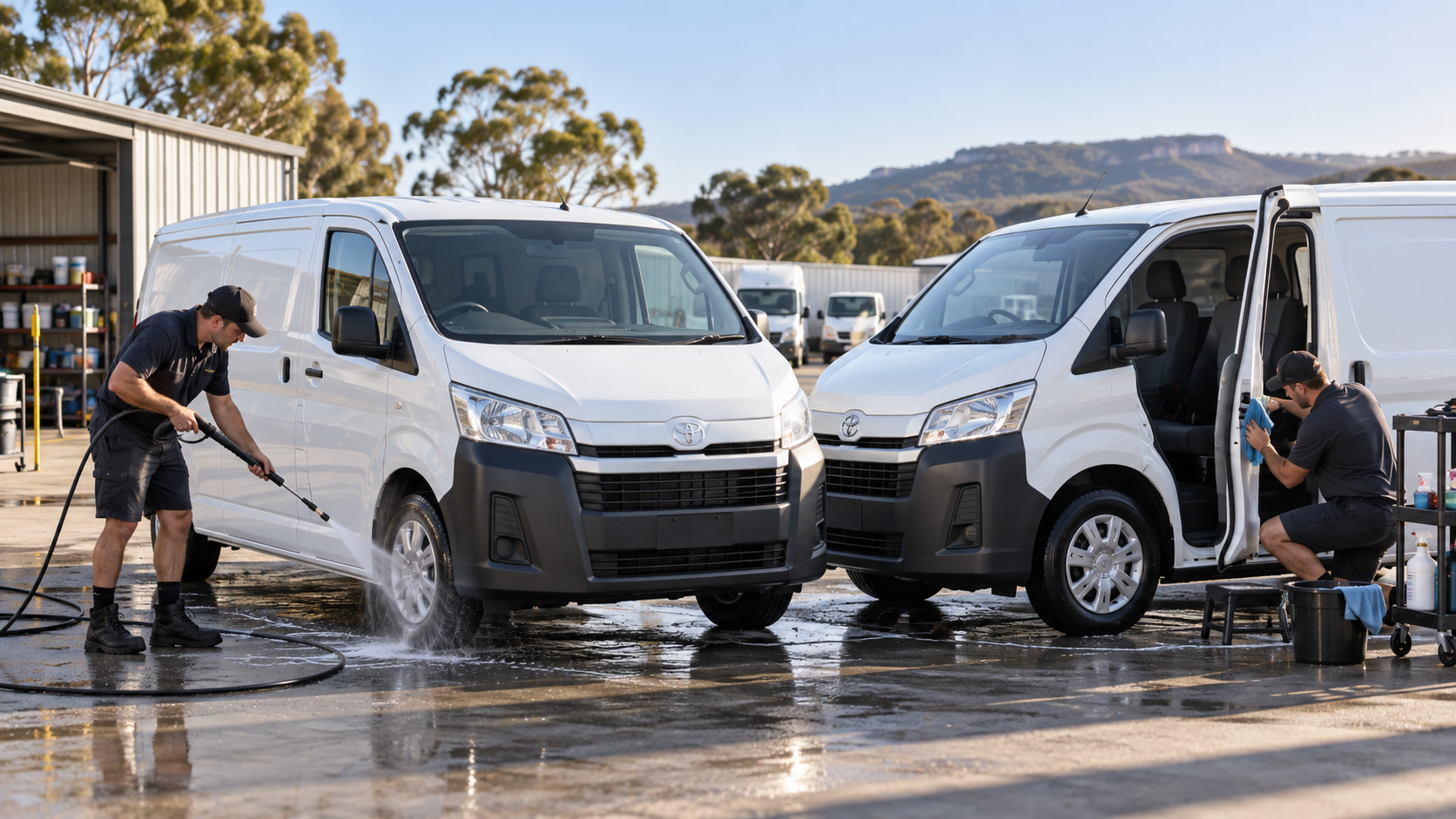
Work vehicles often collect dust, mud, adhesive residue, and tool marks. The exterior may need bug and tar attention, while the interior may need stronger vacuuming and plastic cleaning.
Coastal Vehicles
Coastal cars should be washed regularly to remove salt film. Wheel cleaning, lower panel cleaning, glass cleaning, and paint protection are especially useful.
Pre-Sale Vehicles
A pre-sale Interior Exterior Inclusion package should focus on first impressions. Buyers often inspect seats, carpets, paint gloss, wheels, lights, boot, and smells. However, be realistic. Detailing can improve presentation, but it should not hide defects or misrepresent the vehicle.
Interior Exterior Inclusion and Paint Protection
Many Australians confuse detailing with paint protection. They are related, but they are not the same.
Detailing is the cleaning and preparation process. Paint protection is the protective layer applied after cleaning. It may be a wax, sealant, or ceramic coating.
A basic Interior Exterior Inclusion package may include a short-term spray wax. This can improve gloss and water behaviour. However, ceramic coating usually requires more preparation, including decontamination and machine polishing. As a result, it is normally priced separately.
If you want protection, ask these questions:
- What type of protection is included?
- How long is it expected to last?
- Does the paint need polishing first?
- Is there a maintenance wash requirement?
- Is the product suitable for outdoor parking?
- Are there warranty conditions?
This keeps expectations realistic and avoids confusion.
Interior Exterior Inclusion and Interior Materials
Modern car interiors use many different materials. These include leather, vinyl, Alcantara-style trims, piano black plastics, rubber mats, fabric seats, touchscreen surfaces, and soft-touch dashboards.
Because of this, one cleaner should not be used everywhere. For example, leather needs pH-appropriate cleaning and conditioning where suitable. Piano black trim scratches easily, so it needs careful dust removal and soft towels. Touchscreens should be cleaned gently, not soaked.
From my experience, the safest detailers work in stages. They inspect materials first, test products where needed, and avoid over-wetting electronics or seat controls. This careful approach is especially important in newer vehicles with sensors, screens, and electric seat functions.
People Also Ask
What does Interior Exterior Inclusion mean in car detailing?
Interior Exterior Inclusion means the detailing package covers both inside and outside cleaning. It usually includes vacuuming, surface wipe-downs, window cleaning, exterior washing, wheels, tyres, and basic finishing, although deeper treatments may cost extra.
Is Interior Exterior Inclusion the same as a full detail?
Not always. Some businesses use “full detail” to mean a complete interior and exterior service, while others reserve that term for deeper work. Always check the inclusions list before booking.
How long does Interior Exterior Inclusion take in Australia?
Timing depends on vehicle size and condition. A light maintenance detail may take a few hours, while a heavily soiled SUV or 4WD can take much longer, especially if stains, pet hair, or paint issues are involved.
Does Interior Exterior Inclusion include polishing?
Sometimes, but not always. Many packages include washing and basic protection, while polishing is usually an extra service. Ask whether the package includes hand polish, machine polish, or no polishing at all.
Is mobile Interior Exterior Inclusion worth it?
Yes, mobile detailing can be worth it for regular maintenance and convenience. However, workshop detailing may be better for paint correction, ceramic coatings, and heavy restoration because the environment is more controlled.
Expert Q&A
1. What should I ask before booking an Interior Exterior Inclusion package?
Ask for a written or clearly listed breakdown of interior tasks, exterior tasks, add-ons, exclusions, time required, and mobile setup needs. Also, ask what happens if stains, scratches, or odours cannot be fully removed.
2. Can Interior Exterior Inclusion remove all stains?
No. Many stains can be improved, but some are permanent due to dye transfer, heat, chemical damage, age, or fabric wear. A good detailer should inspect the stain and explain likely results before treatment.
3. Does exterior detailing remove scratches?
Exterior detailing can remove dirt and improve gloss. However, scratch removal usually requires machine polishing or paint correction. Deep scratches that catch a fingernail may need paint repair rather than detailing.
4. How often should Australians book Interior Exterior Inclusion?
For daily drivers, every two to three months is a practical maintenance rhythm. However, beach users, rideshare drivers, families, and vehicles parked outdoors may benefit from more frequent cleaning. This is a general estimate, not a fixed rule.
5. What makes a good Interior Exterior Inclusion service trustworthy?
A trustworthy service has clear inclusions, realistic claims, suitable products, careful wash methods, and transparent pricing. It should also explain limits, such as permanent stains, deep scratches, damaged trims, or pre-existing paint defects.
Conclusion
Interior Exterior Inclusion is useful because it helps Australians compare car detailing services more clearly. However, the phrase only has value when the actual tasks are explained. A good package should cover the main cabin and exterior areas, while also making add-ons and exclusions clear.
Before booking, check whether the package includes seat cleaning, boot vacuuming, wheels, tyres, glass, door jambs, protection, stain treatment, and polishing. Also consider your vehicle’s use, location, and condition. A beach SUV, rideshare sedan, family wagon, and weekend sports car all need different levels of care.
Most importantly, choose a detailer who communicates clearly and avoids exaggerated promises. With the right Interior Exterior Inclusion package, your car can look better, feel cleaner, and stay easier to maintain in Australian conditions.