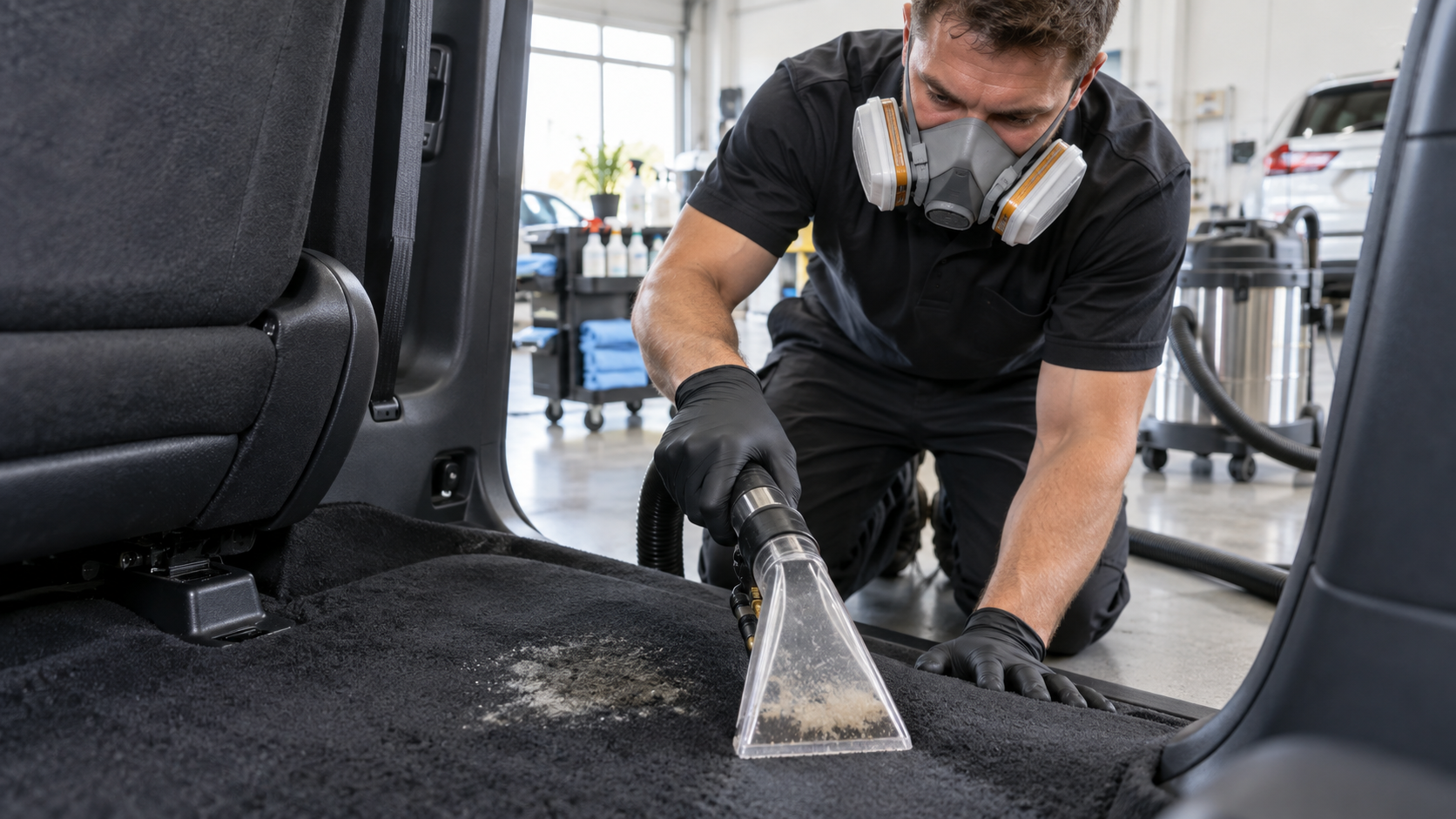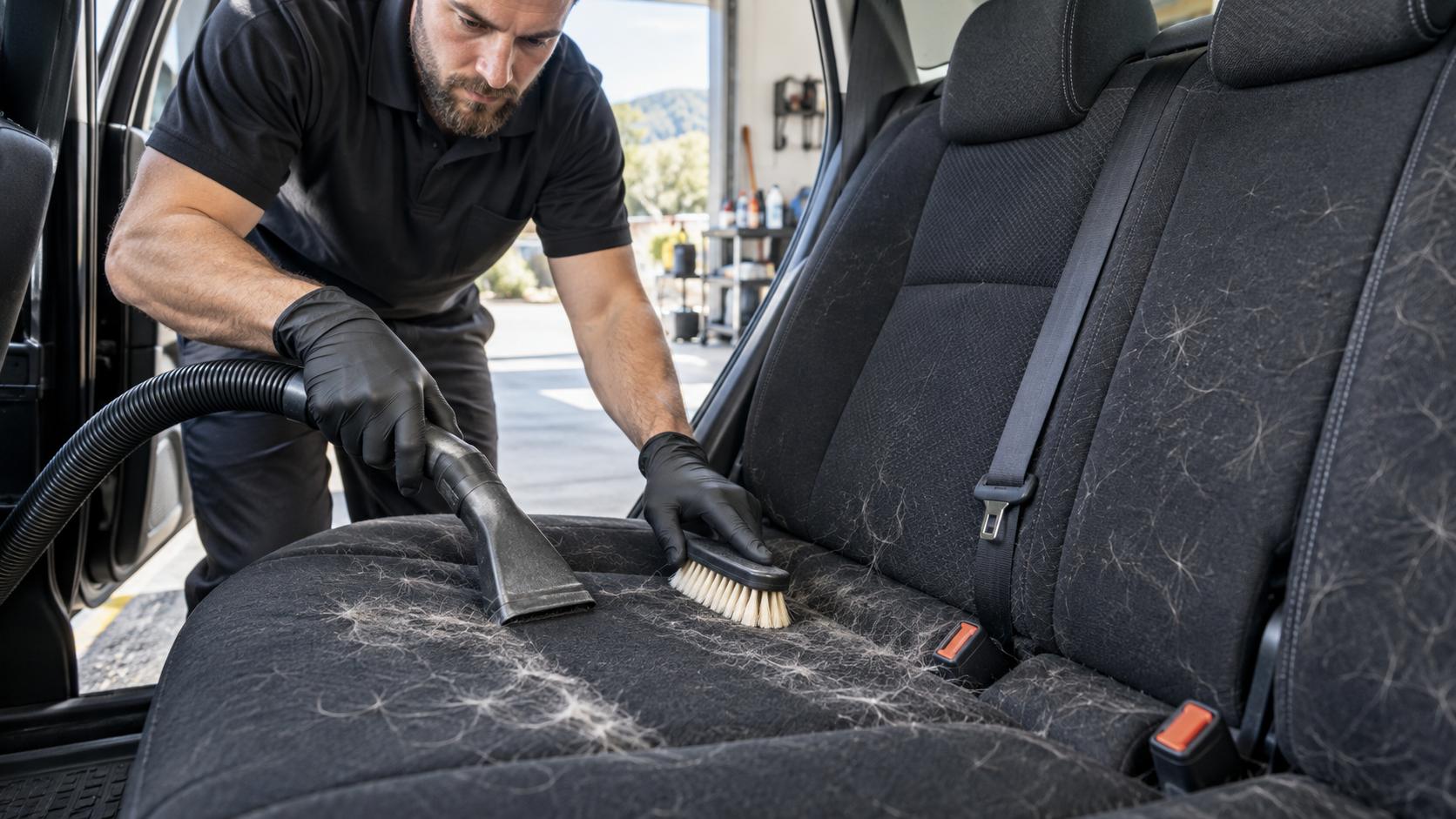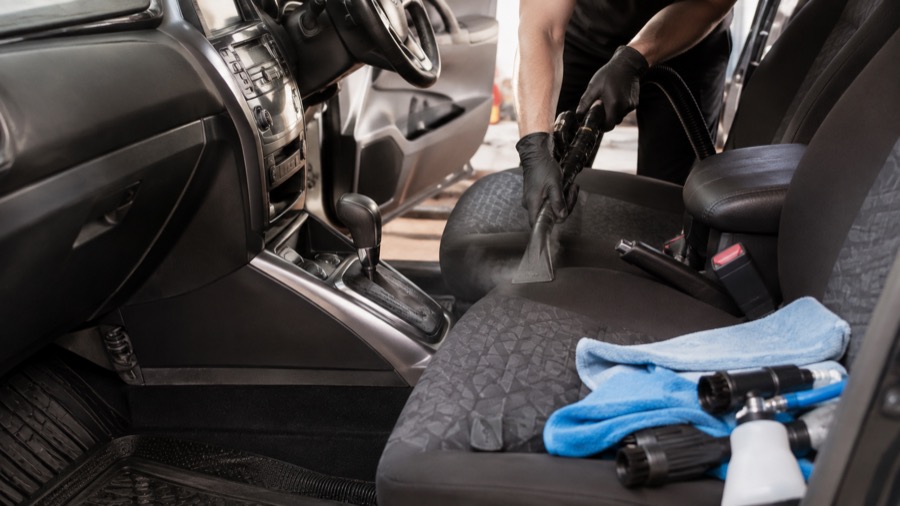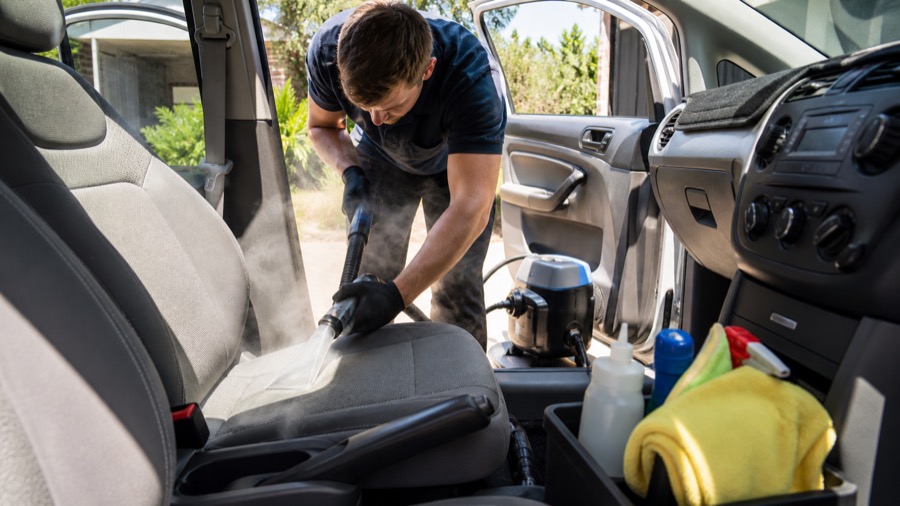

Car steam cleaning is one of the most searched car detailing services in Australia because drivers want a cleaner, fresher, and more comfortable vehicle without always relying on heavy chemicals. From my experience working with car care content and detailing service pages, Australian customers usually want three things before they book: they want to know what steam cleaning does, whether it is safe for their seats and carpets, and whether it is worth the cost.
In Australia, the need is easy to understand. Daily driving can expose your car to dust, beach sand, sweat, coffee spills, pet hair, food crumbs, rainwater, smoke, and humidity. Over time, these things settle deep into seats, carpets, mats, boot lining, cup holders, door trims, and air vents. As a result, a normal vacuum may make the car look better, but it may not remove the trapped grime or odour.
That is where steam cleaning becomes useful. It uses hot vapour to loosen dirt, soften stains, and refresh many interior surfaces. However, it is not magic. It works best when it is part of a proper detailing process that includes inspection, vacuuming, stain treatment, controlled steam use, extraction where needed, drying, and final checks.
This guide explains car steam cleaning in clear Australian English. It covers how the process works, when it is worth booking, what to ask a detailer, how it compares with shampooing, and what to consider for mobile detailing in Australia.
Table of Contents
- Featured Definition: What Is Car Steam Cleaning?
- Why Australians Search for Car Steam Cleaning
- How Car Steam Cleaning Works
- What Areas of a Car Can Be Steam Cleaned?
- Car Steam Cleaning vs Shampooing vs Basic Vacuuming
- Benefits of Car Steam Cleaning for Australian Drivers
- When Car Steam Cleaning May Not Be Enough
- The Professional Car Steam Cleaning Process
- Numbered Checklist Before Booking
- Environmental and Wastewater Considerations in Australia
- Mobile Car Steam Cleaning in Australia
- How Often Should You Steam Clean Your Car?
- People Also Ask
- Expert Q&A Section
- Conclusion
Featured Definition: What Is Car Steam Cleaning?
Car steam cleaning is a deep interior cleaning method that uses hot vapour to loosen dirt, stains, grease, and odour from car seats, carpets, mats, vents, trims, and tight areas. It can reduce the need for harsh chemicals when used correctly with vacuuming, spot treatment, extraction, and proper drying.
Why Australians Search for Car Steam Cleaning
Australian drivers often search for car steam cleaning because their vehicles deal with mixed conditions. For example, a family car in Brisbane may face humidity, school runs, food spills, and wet sports gear. Meanwhile, a vehicle in Perth may collect dust, sand, sunscreen residue, and pet hair. A work ute may need a different approach again because dirt can sit deep in floor mats and fabric.
Because of this, many people want more than a quick surface clean. They want the interior to feel fresh. They also want to remove the source of smells, not just cover them with fragrance.
Another reason is resale value. When a car interior looks and smells clean, it creates a better first impression. While steam cleaning does not guarantee a higher sale price, it can help present the car better before inspections, trade-ins, or private sales.
In addition, parents, rideshare drivers, tradies, pet owners, and people with allergies often look for deeper cleaning. This is because crumbs, dust, skin oils, pet dander, pollen, and moisture can build up in fabric and carpet fibres.
However, the right result depends on the method. A rushed steam clean can leave moisture behind. Too much heat can affect delicate materials. Therefore, a skilled process matters more than the machine alone.
How Car Steam Cleaning Works
Car steam cleaning works by using heated vapour to soften grime and help release dirt from surfaces. The heat can make stuck-on residue easier to wipe, brush, or extract. Because steam reaches small gaps, it is also useful around seat rails, stitching, buttons, cup holders, vents, and door trims.
The basic idea is simple. Heat loosens contamination. Agitation breaks it up. Vacuuming and wiping remove it. Drying finishes the job.
However, different surfaces need different care. Fabric seats can often handle controlled steam, but they may also need extraction if the fabric is heavily soiled. Leather seats need more caution because too much heat or moisture can dry, stress, or affect the finish. Electronics, switches, and screens should never be flooded with steam.
A professional detailer should adjust the approach based on the material. For example, cloth seats, Alcantara-style trims, leather, vinyl, plastic, carpet, and rubber mats all respond differently.
From my experience reviewing detailing workflows, the best results usually come from a staged approach. First, the car is inspected. Then dry dirt is removed. After that, steam is used in controlled passes, not randomly blasted across every surface. Finally, the interior is dried and checked.
What Areas of a Car Can Be Steam Cleaned?
Car steam cleaning can be used on many interior areas, but it should not be used carelessly. The aim is to clean deeply while protecting the car.
Common areas include:
- Fabric seats
- Carpet and floor mats
- Boot carpets
- Door trims
- Cup holders
- Seat rails
- Centre console gaps
- Air vent surrounds
- Dashboard plastics
- Steering wheel surfaces
- Pedal areas
- Rubber mats
- Some headliner spots, with caution
Steam is especially helpful in tight places where brushes and cloths struggle. For example, crumbs often collect beside seat rails. Sticky drink residue can sit inside cup holders. Dust can gather around buttons and trim lines. In these areas, steam can soften the grime so it can be removed more easily.
Still, some areas need care. Headliners can sag if they are over-wet or overheated. Screens can be damaged by excess moisture. Older plastics may be brittle. Leather may need cleaning and conditioning rather than strong steam. Therefore, a trained detailer should know when to use steam and when to use a gentler method.
Car Steam Cleaning vs Shampooing vs Basic Vacuuming
Car steam cleaning is not the same as shampooing. It is also not a replacement for vacuuming. Instead, each method has a different role.
| Cleaning method | Best for | Main advantage | Limitation |
|---|---|---|---|
| Basic vacuuming | Loose dust, crumbs, sand, pet hair | Fast and low-risk | Does not remove deep stains or odours |
| Shampooing and extraction | Heavily soiled fabric, carpets, food spills | Good for deep fabric cleaning | Uses more moisture and needs drying time |
| Car steam cleaning | Tight areas, light to moderate stains, odour sources, trims | Uses heat and can reduce chemical reliance | Must be controlled to avoid heat or moisture issues |
| Full interior detail | Mixed dirt, stains, odour, seats, carpets, trims | Most complete option | Takes longer and costs more |
In many cases, the best option is not one method. It is a combination. For example, a detailer may vacuum first, steam clean hard-to-reach areas, treat stains, extract fabric seats, clean plastics, and dry the car properly.
This is why customers should avoid choosing only by price. A cheap service may skip important steps. On the other hand, a more detailed service may take longer because it handles the root problem.
Benefits of Car Steam Cleaning for Australian Drivers
Car steam cleaning has several practical benefits when done correctly.
1. It Helps Loosen Deep Dirt
Steam can soften dirt that has bonded with fabric, plastic, or textured surfaces. This is useful for cup holders, seat seams, floor mats, and centre consoles. As a result, the detailer can remove grime without aggressive scrubbing.
2. It Can Reduce Chemical Use
Steam cleaning can reduce the need for strong cleaning products in some situations. This does not mean chemicals are never needed. Some stains, oils, sunscreen marks, and odours need specific products. However, steam can help limit chemical use when the contamination is not severe.
3. It Reaches Tight Interior Gaps
Australian cars often collect sand, dust, and crumbs in small spaces. Steam can help clean gaps around seat rails, buttons, vents, and gear selectors. These areas are easy to miss during a quick clean.
4. It Can Help With Odour Control
Odour often comes from bacteria, damp fabric, food residue, pet mess, smoke film, or old spills. Steam can help break down residue on contact surfaces. However, if the odour source is deep inside foam, underlay, or ventilation ducts, extra treatment may be needed.
5. It Improves Interior Presentation
A steam-cleaned interior often feels fresher because the small details are cleaner. Door trims, console gaps, mats, seats, and carpets can look more cared for. This is useful before selling a vehicle, returning a lease car, or preparing a rideshare vehicle.
6. It Can Suit Mobile Detailing
Car steam cleaning can work well in a mobile service because it can be targeted and efficient. Still, the detailer needs proper equipment, safe power access, ventilation, and a responsible approach to wastewater and moisture.
For Australian vehicle owners looking for mobile detailing support, professional mobile car detailing for cleaner interiors in Australia can be a practical option when the vehicle needs more than a quick vacuum.
When Car Steam Cleaning May Not Be Enough
Although car steam cleaning is useful, it has limits. It is important to set clear expectations.
Old stains may not fully disappear. For example, dye transfer, ink, bleach marks, rust stains, and long-term food spills can permanently affect fibres. Steam may improve the look, but it may not reverse damage.
Heavy mould also needs caution. Steam may help clean affected surfaces, but mould is usually linked to moisture. If the source of moisture remains, the problem can return. In some cases, a car may need leak checks, carpet removal, underlay drying, odour treatment, or specialist remediation.
Smoke odour can also be difficult. Cigarette smoke can settle into headliners, vents, carpets, seat foam, and plastics. A normal steam clean may reduce the smell, but it may not remove it completely. Therefore, ozone treatment, cabin filter replacement, and repeated cleaning may be discussed by some professionals.
Pet urine is another example. If urine has soaked into foam or carpet underlay, surface cleaning may not be enough. Enzyme treatment and extraction may be needed. In severe cases, replacement parts may be the only reliable fix.
Therefore, car steam cleaning should be seen as a strong cleaning method, not a guaranteed cure for every interior problem.
The Professional Car Steam Cleaning Process
A reliable car steam cleaning service should follow a clear process. This helps protect the vehicle and improve results.
Step 1: Interior Inspection
The detailer checks seats, carpets, mats, trims, stains, odour, mould signs, moisture, and sensitive materials. This step matters because different materials need different cleaning methods.
Step 2: Remove Loose Items
Personal items, rubbish, child seats, coins, papers, and boot items should be removed. This makes the cleaning safer and more complete.
Step 3: Dry Vacuuming
Before steam is used, the interior should be vacuumed carefully. Dry dirt should be removed first. Otherwise, steam can turn dust into muddy residue.
Step 4: Spot Treatment
Stains may need pre-treatment. For example, coffee, makeup, sunscreen, food, grease, and pet marks may need different products. A good detailer should not use one chemical for everything.
Step 5: Controlled Steam Cleaning
Steam is applied in controlled sections. The detailer may use cloths, brushes, and nozzles to loosen and lift dirt. They should avoid over-steaming electronics, screens, leather, and delicate trims.
Step 6: Wipe, Brush, or Extract
After steam loosens grime, the residue must be removed. This may involve microfibre wiping, soft brushes, wet extraction, or repeated vacuuming.
Step 7: Drying and Ventilation
Drying is critical. The doors may be left open in a safe area. Air movers may be used. In humid parts of Australia, drying time can be longer, especially after fabric extraction.
Step 8: Final Check
The detailer checks stains, odour, moisture, streaks, and missed areas. A quality service should leave the car clean, not damp and perfumed.
Numbered Checklist Before Booking
Before booking car steam cleaning in Australia, use this checklist.
- Check what is included. Ask whether the service includes vacuuming, steam cleaning, stain treatment, plastics, mats, boot area, and drying.
- Explain the main problem. Tell the detailer if the car has smoke odour, pet mess, mould, coffee spills, beach sand, or child-seat marks.
- Mention the seat material. Fabric, leather, vinyl, suede-style trims, and Alcantara-style materials need different care.
- Ask about drying time. This is important if you need the car the same day.
- Ask about mobile access. Mobile detailers may need space, water, power, shade, or permission to work at apartments or workplaces.
- Check wastewater handling. Runoff should not be allowed to enter stormwater drains.
- Remove valuables first. Take out documents, electronics, coins, sunglasses, child items, and personal belongings.
- Be honest about old stains. Older marks may improve but may not disappear fully.
- Avoid unrealistic guarantees. A responsible detailer should explain likely outcomes, not promise perfect results.
- Confirm the final price. Larger vehicles, heavy soil, pet hair, mould, or odour treatment may cost more.
Environmental and Wastewater Considerations in Australia
Car cleaning in Australia is not only about appearance. Wastewater matters too. Dirt from vehicles can contain oils, grease, detergents, rubber particles, metals, and road grime. If wash water flows into stormwater drains, it may reach creeks, rivers, and coastal waters.
The NSW EPA explains that wash-down water from cleaning activities, including car washing, should not enter stormwater drains and should be directed to a suitable wash bay or collection system where required. You can read the guidance here: NSW EPA stormwater guidance.
Similarly, the South Australian EPA advises that wastewater and detergents from washing cars, boats, and trailers should not flow into the stormwater system. Their public advice is available at EPA South Australia stormwater advice.
For everyday consumers, the practical point is simple. Choose a service that works responsibly. If the job involves exterior washing, degreasing, or heavy cleaning, the operator should understand how runoff is managed. If the job is mostly interior steam cleaning, moisture control still matters because the car should not be left wet inside.
Water use is also part of the bigger picture. The Australian Government notes that water-efficient products and sensible water use help reduce demand on water resources. You can see broader household water efficiency guidance at energy.gov.au water efficiency.
This section is general information, not legal advice. Wastewater rules can vary by state, council area, worksite, and business type. Therefore, operators should check the relevant local requirements, and customers should choose providers that take responsible cleaning seriously.
Mobile Car Steam Cleaning in Australia
Mobile car steam cleaning is popular because it saves time. Instead of driving to a workshop, the detailer can come to your home, workplace, or approved parking area. This is helpful for busy families, rideshare drivers, business fleets, and people preparing a car for sale.
However, mobile service needs planning. The vehicle should be parked in a safe, accessible location. There should be enough room to open doors fully. Shade is helpful, especially during hot Australian days. Good ventilation also helps the interior dry.
Apartment buildings can be tricky. Some buildings do not allow mobile washing or detailing in shared car parks. Therefore, it is smart to check building rules before booking. Workplaces may also have site rules, especially for water use, power access, or contractor access.
Mobile detailers should also explain what they bring. Some may bring water and power. Others may need access. Some focus on interiors only. Others offer a complete interior and exterior package. Therefore, confirm the service before the day.
Another practical issue is weather. Rain may not affect an interior job if there is cover, but it can make access and drying harder. High humidity can also slow drying. In summer, heat may speed drying, but it can also make interior plastics hot and uncomfortable to work on. A good technician adapts to the conditions.
Car Steam Cleaning for Families
Family cars often need deeper cleaning. Children drop snacks, spill drinks, step on seats, and leave marks from school bags or sports gear. Baby seats can also trap crumbs and moisture underneath.
Steam cleaning can help clean around seat rails, rear footwells, cup holders, door pockets, and fabric seats. However, child seats should be handled carefully. In many cases, the car seat should be removed by the owner, cleaned according to the manufacturer’s instructions, and reinstalled correctly.
For families, the most important areas are usually rear seats, carpets, mats, boot space, and air vents. These areas hold the most daily mess. If the car has milk spills or strong food odour, tell the detailer before the job. Milk odour can be hard to remove if it has soaked deep into carpet or foam.
Car Steam Cleaning for Pet Owners
Pet owners often search for car steam cleaning because pet hair and odours can be stubborn. Dog hair can weave into fabric seats and carpets. Wet dog smell can settle into mats and boot areas. Pet accidents may need more than steam.
Steam can help with surface residue and odour sources. However, pet hair removal usually needs special brushes, vacuum tools, compressed air, and patience. In addition, urine or vomit may require enzyme treatment and extraction.
If your pet travels often, consider using seat covers, boot liners, rubber mats, and washable blankets. These simple steps make future cleaning easier. They also protect the original interior from long-term damage.
Car Steam Cleaning for Rideshare and Work Vehicles
Rideshare drivers, delivery drivers, sales reps, and tradies often spend many hours in the vehicle. Because of this, interiors can collect sweat, takeaway smells, dust, receipts, drink spills, and road grime.
For rideshare drivers, a clean car can improve passenger comfort. It may also reduce complaints about smell or mess. For work vehicles, regular cleaning can support a more professional image when meeting clients or carrying passengers.
However, high-use vehicles may need more frequent cleaning than private weekend cars. A rideshare vehicle may need a light clean weekly and a deeper clean every few months. A tradie vehicle may need rubber mat cleaning, dust removal, and seat care more often.
Does Car Steam Cleaning Remove Bacteria and Germs?
Steam heat can help reduce some germs on treated surfaces when used correctly. However, customers should be careful with broad sanitising claims. Results depend on temperature, contact time, surface type, technique, and whether dirt was removed first.
In simple terms, a clean surface is easier to sanitise than a dirty one. If a seat is covered in food residue, sweat, and dust, steam alone may not be enough. The surface needs cleaning, residue removal, and proper drying.
Therefore, it is better to think of car steam cleaning as a deep cleaning method that can support hygiene. It should not be described as a guaranteed sterilisation service unless the provider has a validated process and can explain it clearly.
Does Car Steam Cleaning Remove Mould?
Car steam cleaning may help clean some visible mould from hard surfaces and fabrics, but mould needs careful handling. Mould grows when moisture is present. If a car has a leak, wet carpet underlay, blocked drains, or damp storage, the mould may return after cleaning.
For light surface mould, a detailer may inspect, vacuum with suitable filtration, treat affected areas, use controlled steam, extract where needed, and dry thoroughly. For severe mould, specialist cleaning may be required.
Do not ignore mould. It can smell bad, stain materials, and suggest a moisture issue. Also, avoid simply spraying fragrance over it. Fragrance hides the smell for a short time, but it does not fix the cause.
Does Car Steam Cleaning Remove Smoke Smell?
Car steam cleaning can reduce smoke smell, especially on surfaces that hold smoke film. These include plastics, steering wheels, door trims, windows, headliners, seats, and carpets. However, smoke odour can be difficult because it travels into vents, foam, fabric, and hidden areas.
A better smoke odour process may include deep vacuuming, steam cleaning, fabric extraction, hard-surface cleaning, glass cleaning, cabin filter replacement, and odour treatment. Even then, long-term smoke odour may need repeated work.
Therefore, ask for an honest assessment. A good detailer should explain that smoke odour can improve but may not always disappear in one visit.
How Much Does Car Steam Cleaning Cost in Australia?
Prices vary across Australia. The cost depends on vehicle size, condition, location, service inclusions, and whether the job is mobile or workshop-based.
As a general estimate, a simple interior steam clean may cost less than a full interior detail. However, heavy pet hair, mould, stains, odour, large SUVs, seven-seaters, or work vehicles may cost more. Some detailers also charge extra for biohazard cleaning, vomit, urine, or severe contamination.
When comparing quotes, do not look only at the headline price. Ask what is included. For example, one service may only steam seats and carpets. Another may include vacuuming, stain treatment, mats, trims, boot area, vents, and drying.
The best value is usually the service that matches the problem. If the car only needs a refresh, a lighter service may be enough. If the car has deep odour and stains, a full interior detail may be the better choice.
How Long Does Car Steam Cleaning Take?
Timing depends on the car and the service. A light interior steam clean may take a shorter time. A full interior detail can take several hours, especially if the vehicle has stains, pet hair, odour, or heavy dirt.
Drying time also matters. Fabric seats and carpets may need extra time if extraction is used. In humid weather, drying can take longer. Therefore, avoid booking a deep interior clean right before a long drive unless the provider confirms the car will be dry enough.
A professional should not rush the process. If too much moisture is left inside, the car may smell damp later. Good drying is part of the job.
DIY Car Steam Cleaning vs Professional Service
Some Australians consider buying a small steam cleaner and doing the job themselves. This can work for light cleaning, but there are risks.
DIY steamers may not have the same control, attachments, or cleaning power as professional equipment. Also, users may over-steam surfaces, leave fabric damp, or damage delicate trims. The biggest risk is using too much heat or moisture in the wrong area.
A professional service is usually better when the car has strong odour, stains, pet hair, mould, heavy soil, or resale preparation needs. Professionals also bring experience. They know when to steam, when to extract, when to use a chemical cleaner, and when to avoid a surface.
However, DIY maintenance is still useful. Regular vacuuming, wiping spills quickly, using mats, and airing the car can reduce the need for deep cleaning.
People Also Ask
Is car steam cleaning safe for car seats?
Yes, car steam cleaning can be safe for many car seats when the operator controls heat, moisture, and contact time. However, leather, suede-style trims, older fabrics, and damaged materials need extra care. Always tell the detailer what type of seats you have.
Does car steam cleaning remove bad smells?
It can reduce many smells by loosening and removing residue from surfaces. However, deep odours from smoke, milk, pet urine, mould, or wet underlay may need extra treatment. The source of the smell must be addressed, not just covered.
How often should I get car steam cleaning in Australia?
For a normal private car, every 6 to 12 months may be enough. However, families, pet owners, rideshare drivers, and work vehicles may need it more often. The right schedule depends on use, climate, and how quickly the interior gets dirty.
Is steam cleaning better than shampooing car seats?
Steam cleaning and shampooing solve different problems. Steam is useful for loosening grime and cleaning tight areas, while shampooing with extraction can be better for heavily soiled fabric. Many professional details use both methods.
Can mobile detailers do car steam cleaning at home?
Yes, many mobile detailers can perform car steam cleaning at your home if there is safe access and enough space. However, apartment rules, water access, power access, and weather may affect the booking. Always confirm requirements before the appointment.
Expert Q&A Section
1. Can car steam cleaning damage electronics?
Yes, it can if used carelessly. Steam should not be blasted into screens, switches, sensors, charging ports, or electronic controls. A careful detailer uses low moisture, cloth wrapping, and controlled application near sensitive areas.
2. Will car steam cleaning remove old coffee stains?
It may improve old coffee stains, but full removal is not guaranteed. Coffee can bond with fibres, especially if it has been left for months. A professional may combine steam, stain treatment, agitation, and extraction for the best result.
3. Is car steam cleaning suitable for leather interiors?
It can be used carefully on some leather surfaces, but it should not be aggressive. Leather needs gentle cleaning and, in many cases, conditioning after cleaning. Too much heat or moisture can affect the finish, especially on older or damaged leather.
4. Why does my car still smell after cleaning?
The odour source may be hidden. It could be under the carpet, inside seat foam, in the cabin filter, in air vents, or below the boot lining. In this case, surface steam cleaning may help, but deeper inspection and targeted treatment may be required.
5. Should I steam clean my car before selling it?
Yes, it can be a smart step before selling, especially if the interior has odour, stains, or visible grime. A cleaner interior can make the car feel better cared for. However, fix obvious mechanical, safety, and documentation issues as well because cleaning alone will not sell a poor-condition car.
Conclusion
Car steam cleaning is a practical option for Australian drivers who want a deeper, fresher interior. It can loosen dirt, clean tight areas, reduce some odours, and improve the feel of the cabin. However, it works best when it is done as part of a proper detailing process, not as a rushed one-step service.
The key is balance. Steam can be powerful, but it must be controlled. Seats, carpets, trims, leather, electronics, and vents all need different care. In addition, wastewater, drying, and safe access matter in Australia, especially for mobile services.
Before you book, ask what is included, explain the condition of your car, and choose a detailer who gives realistic advice. That way, you get a cleaner car and a better overall experience.
If your vehicle needs more than a quick vacuum, consider booking a professional interior detail that includes controlled car steam cleaning, stain treatment, and careful drying.