Ceramic coating protection is one of the most searched paint protection options for Australian car owners because our vehicles face strong UV exposure, heat, coastal salt, dust, bird droppings, road grime, and frequent wash damage. From my experience working around car detailing projects, most people do not want hype. They want to know what ceramic coating actually does, what it cannot do, how long it lasts, and whether it is worth paying for on a daily driver, family SUV, work ute, prestige car, or weekend vehicle.
Ceramic coating is not magic paint armour. However, when the paint is prepared correctly and the coating is maintained properly, it can make a vehicle easier to clean, improve gloss, slow down environmental wear, and add a sacrificial barrier over the clear coat. In Australia, that matters because paint is exposed to intense sunlight, hot panels, rain minerals, gum tree sap, insects, and coastal contaminants more often than many owners realise.
According to the Australian Bureau of Meteorology’s UV Knowledge Centre, UV exposure is a major environmental factor across Australia, and ARPANSA also monitors ultraviolet radiation in major Australian cities through its UV monitoring network. While these sources are focused on public UV information rather than vehicle detailing, they help explain why Australian vehicle paint and exterior plastics need sensible protection and regular care.
Table of Contents
- What Is Ceramic Coating Protection?
- Featured Definition
- Why Ceramic Coating Protection Matters in Australia
- How Ceramic Coating Works on Vehicle Paint
- Ceramic Coating vs Wax vs Sealant vs Paint Protection Film
- What Ceramic Coating Protects Against
- What Ceramic Coating Does Not Protect Against
- The Professional Ceramic Coating Process
- Numbered Checklist Before Booking Ceramic Coating
- How Long Ceramic Coating Protection Lasts
- Ceramic Coating Maintenance in Australian Conditions
- Who Should Consider Ceramic Coating Protection?
- People Also Ask
- Expert Q&A
- Conclusion
What Is Ceramic Coating Protection?
Ceramic coating protection is a liquid protective coating applied to a vehicle’s exterior paint, wheels, glass, or trim. Once cured, it forms a hard, slick, transparent layer over the surface. This layer helps reduce contamination bonding, improves water behaviour, and makes routine washing easier.
Most automotive ceramic coatings use silica-based chemistry, often described as SiO₂-based. In simple terms, the coating bonds to the clear coat and creates a smooth, hydrophobic surface. “Hydrophobic” means water tends to bead and roll away more easily. As a result, dirt, dust, and grime often have less grip on the paint.
However, ceramic coating protection should not be confused with full scratch-proof protection. It is best understood as a premium paint protection layer, not a replacement for safe washing, proper storage, or careful driving.
Featured Definition: Ceramic Coating Protection
Ceramic coating protection is a transparent liquid layer applied to vehicle paint to help resist UV exposure, road grime, bird droppings, water spots, and light chemical contamination. It improves gloss and makes washing easier, but it does not make the car scratch-proof or maintenance-free.
Why Ceramic Coating Protection Matters in Australia
Australia is tough on vehicle paint. In coastal suburbs, salt air can settle on paint, glass, wheels, and chrome. In inland areas, dust and dry heat can leave abrasive particles across the bodywork. In cities, vehicles deal with brake dust, road film, construction dust, tree sap, and tight parking spaces.
Also, the Australian sun is a serious factor. The Bureau of Meteorology advises Australians to pay attention to UV Index forecasts and use combined protection measures for people exposed to UV; for cars, the same environmental reality explains why paint protection, shaded parking, and regular cleaning are practical choices rather than vanity upgrades.
From my experience, many Australian vehicle owners only think about paint protection after the paint starts looking dull, rough, or covered in water marks. However, ceramic coating protection works best before the paint becomes heavily damaged. It is easier to protect good paint than to restore neglected paint.
Common Australian Paint Stress Factors
Australian cars often face:
- High UV exposure in summer
- Hot panels after outdoor parking
- Coastal salt near beach areas
- Dust and red dirt in regional areas
- Bird droppings from outdoor parking
- Gum tree sap and pollen
- Bug splatter on highways
- Hard water spotting after washing
- Poor wash methods at automatic car washes
Because of these conditions, ceramic coating protection can be especially useful for people who keep vehicles outside, drive long distances, park under trees, or want easier cleaning after weekend trips.
How Ceramic Coating Works on Vehicle Paint
A modern car’s paint system usually includes primer, colour coat, and clear coat. The clear coat is the top transparent layer that gives gloss and protection. Ceramic coating protection is applied on top of that clear coat.
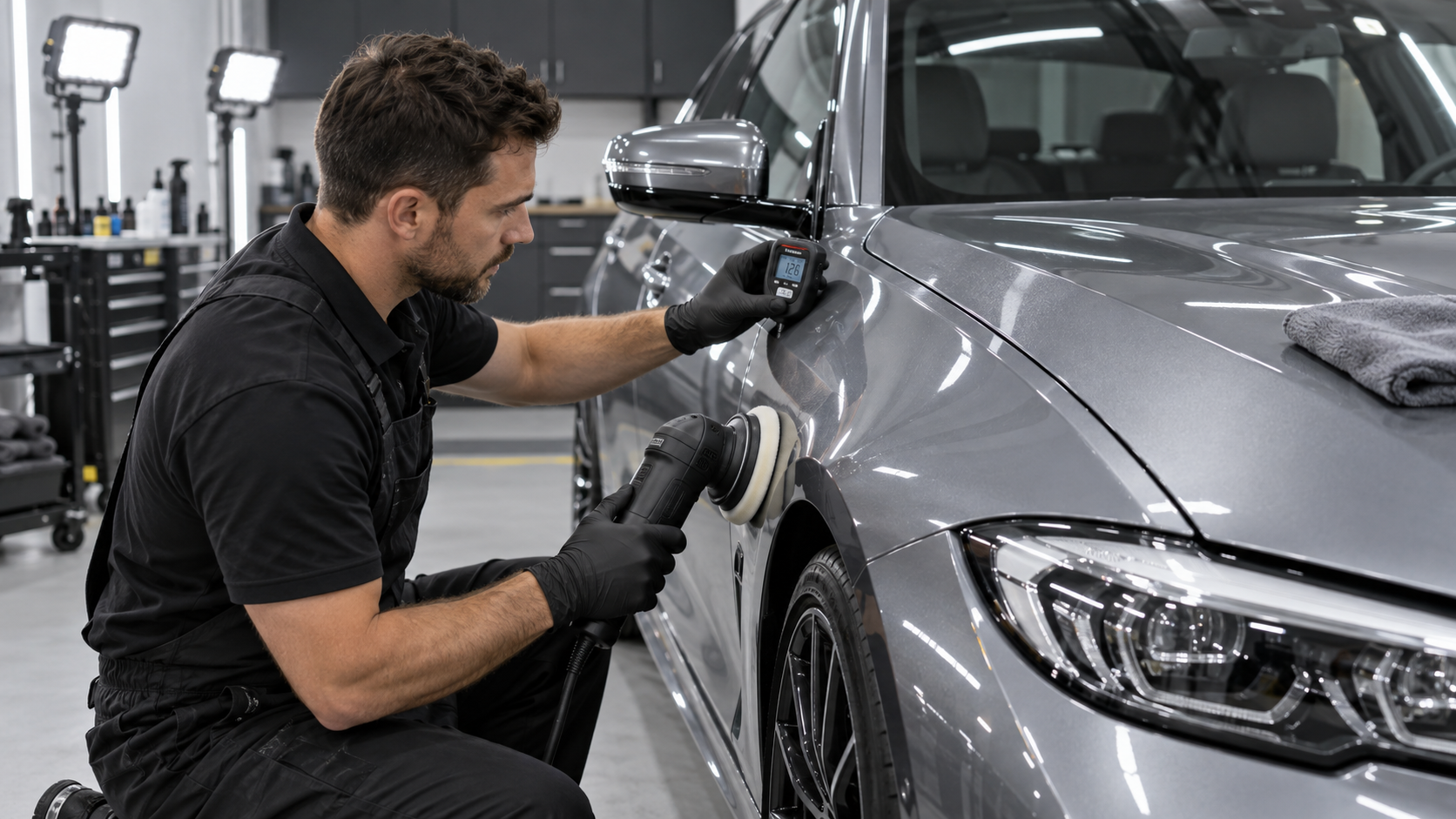
Before application, the paint must be washed, decontaminated, and often machine polished. This matters because ceramic coating locks in the condition of the surface underneath. If swirl marks, oxidation, water spots, or haze remain, the coating will not hide them properly.
Once applied, the coating cures into a thin protective layer. This layer is slicker than bare clear coat, so contaminants have less chance to cling strongly. Therefore, washing becomes easier, drying can be faster, and the paint can stay glossier for longer when properly maintained.
Why Preparation Matters So Much
Preparation is often the difference between a coating that performs well and one that disappoints. A vehicle may look clean from a distance, but the paint can still hold bonded contaminants such as iron particles, tar, sap, and mineral deposits.
A proper ceramic coating process usually includes:
- Pre-wash to loosen dirt
- Contact wash with safe wash methods
- Iron fallout removal
- Tar or adhesive removal if needed
- Clay treatment when appropriate
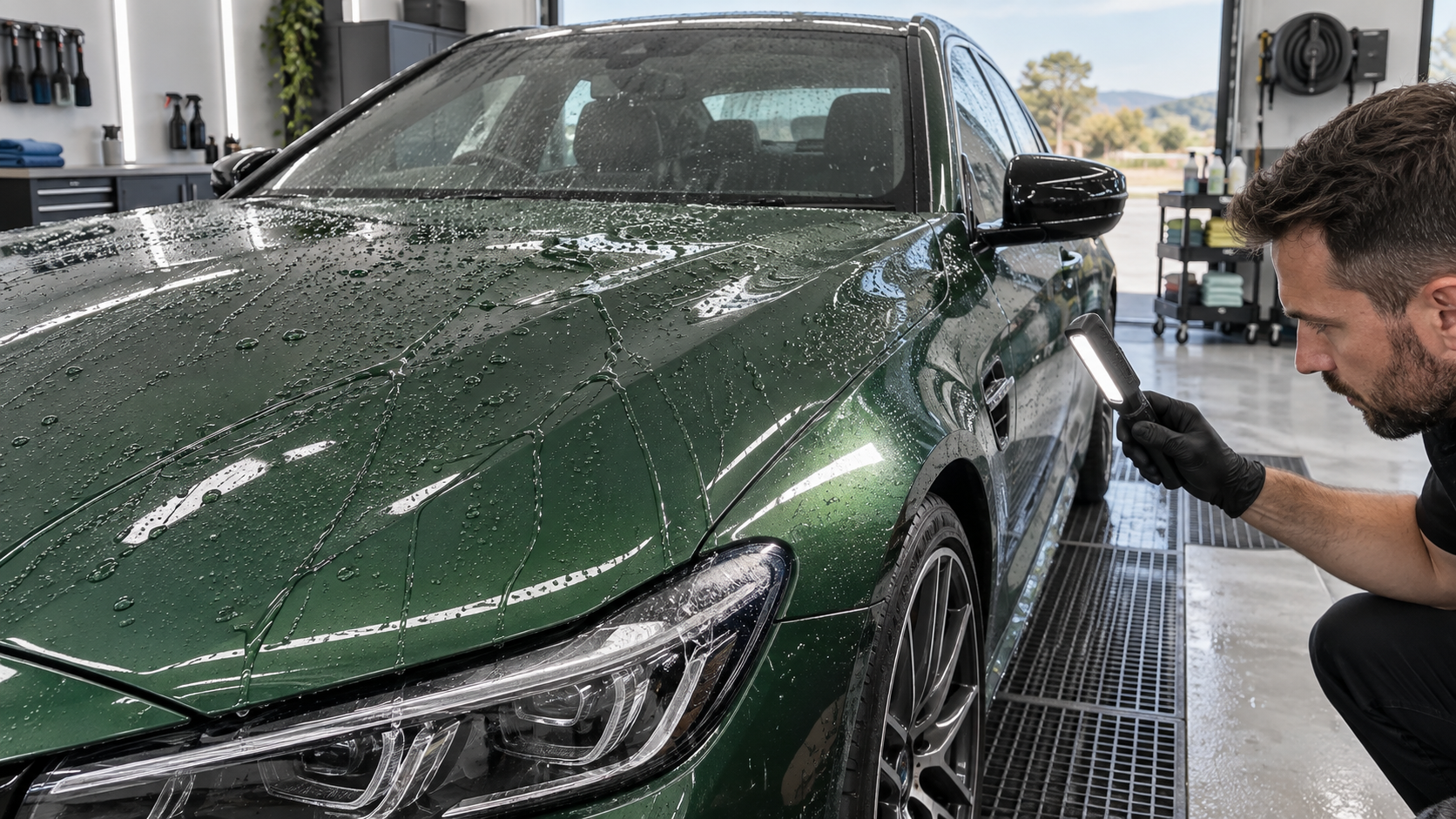
- Paint inspection under lighting
- Paint correction or enhancement polish
- Panel wipe before coating
- Controlled coating application
- Curing time away from water
This is why professional ceramic coating protection costs more than a simple wash and wax. The coating product matters, but the preparation and installation skill matter even more.
Ceramic Coating vs Wax vs Sealant vs Paint Protection Film
Many car owners compare ceramic coating with wax, synthetic sealants, and paint protection film. Each option has a place. However, they are not the same.
| Protection Type | Main Benefit | Typical Durability Estimate | Best For | Limitations |
|---|---|---|---|---|
| Car wax | Warm gloss and short-term shine | Weeks to a few months | Budget shine before sale or events | Low durability, needs frequent reapplication |
| Paint sealant | Synthetic protection and slickness | A few months to around a year | Daily drivers needing affordable protection | Less durable than many ceramic coatings |
| Ceramic coating protection | Gloss, hydrophobic behaviour, easier cleaning, chemical resistance | Often 1–5 years depending on product and care | Owners wanting longer-term paint protection | Needs proper prep and maintenance |
| Paint protection film | Physical impact resistance | Often several years depending on film and care | High-impact areas such as bonnet, bumper, mirrors | Higher cost, visible edges possible |
Ceramic coating protection sits between simple wax and paint protection film. It gives stronger surface protection than wax or basic sealant. However, it does not absorb stone chips like film.
What Ceramic Coating Protects Against
Ceramic coating protection is helpful because it gives the clear coat a sacrificial barrier. This does not mean nothing can damage the car. Instead, it means many contaminants interact with the coating first rather than directly with the clear coat.
UV and Oxidation Support
Ceramic coatings can help reduce the effect of UV exposure on painted surfaces. However, no coating completely stops sun damage forever. In Australia, shaded parking, regular washing, and good maintenance still matter.
Because ARPANSA maintains UV measurement sites across major Australian cities, it is clear that UV is a regularly monitored environmental factor, not a minor concern. For car owners, that supports a practical approach: protect the paint early and avoid letting contaminants bake onto hot panels.
Bird Droppings and Bug Splatter
Bird droppings and bug splatter can be acidic. When they sit on hot paint, they may stain or etch the clear coat. Ceramic coating protection gives you more defence, but you should still remove droppings quickly.
The coating can make removal easier. Nevertheless, leaving contamination for days in summer can still cause damage.
Road Grime and Traffic Film
Daily driving leaves a thin film of oils, dust, rubber particles, brake dust, and pollution on the car. Ceramic coating protection helps reduce how strongly this grime bonds to paint. As a result, maintenance washing can be easier.
Water Behaviour
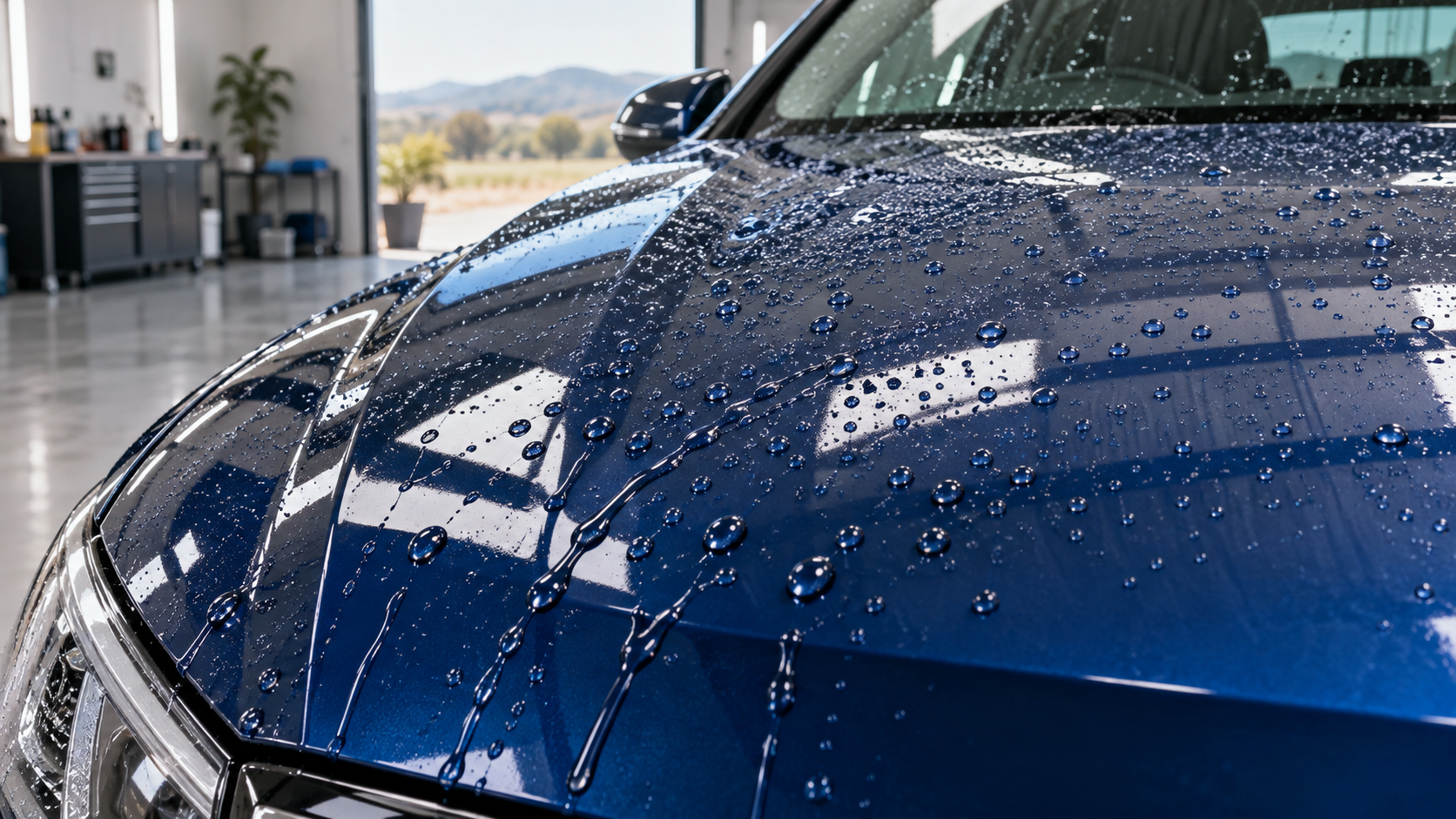
A well-maintained ceramic coating creates strong water beading and sheeting. This looks good, but the practical benefit is easier drying and less dirt sticking to panels. However, water beads can still dry into mineral spots if hard water is left on the vehicle under sun.
Gloss and Depth
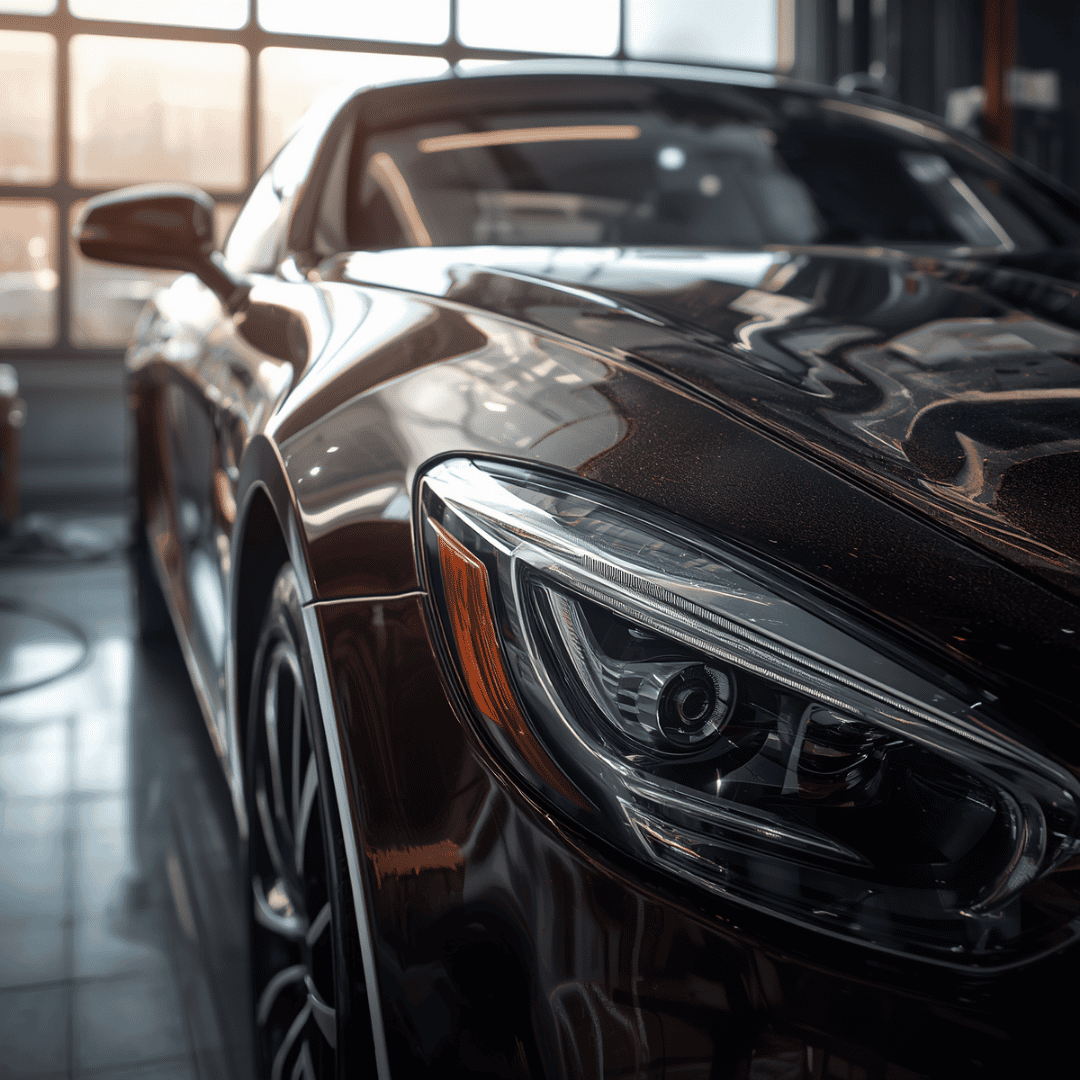
Ceramic coating protection can enhance gloss because the surface becomes smoother and more reflective. However, the biggest visual improvement usually comes from paint correction before coating. If the paint is polished well, the coating helps preserve that finish.
What Ceramic Coating Does Not Protect Against
A trustworthy ceramic coating article must explain the limits clearly. Ceramic coating protection is useful, but it does not make a vehicle invincible.
It does not fully protect against:
- Stone chips
- Deep scratches
- Car park dents
- Poor washing with dirty sponges
- Automatic brush car wash damage
- Heavy water spot etching
- Long-term neglect
- Clear coat failure on already damaged paint
Also, ceramic coating does not mean you never need to wash the car. In fact, coated cars still need regular washing. The difference is that washing is usually easier and safer when the coating is healthy.
The Professional Ceramic Coating Process
A professional ceramic coating process is more detailed than many people expect. From my experience, customers are often surprised that the coating application itself is only one part of the job. The real value is in the inspection, preparation, paint correction, and aftercare advice.
Step 1: Vehicle Inspection
First, the detailer inspects paint condition, panel defects, contamination, previous polish marks, and existing protection. This helps decide whether the vehicle needs a light enhancement polish or a deeper correction.
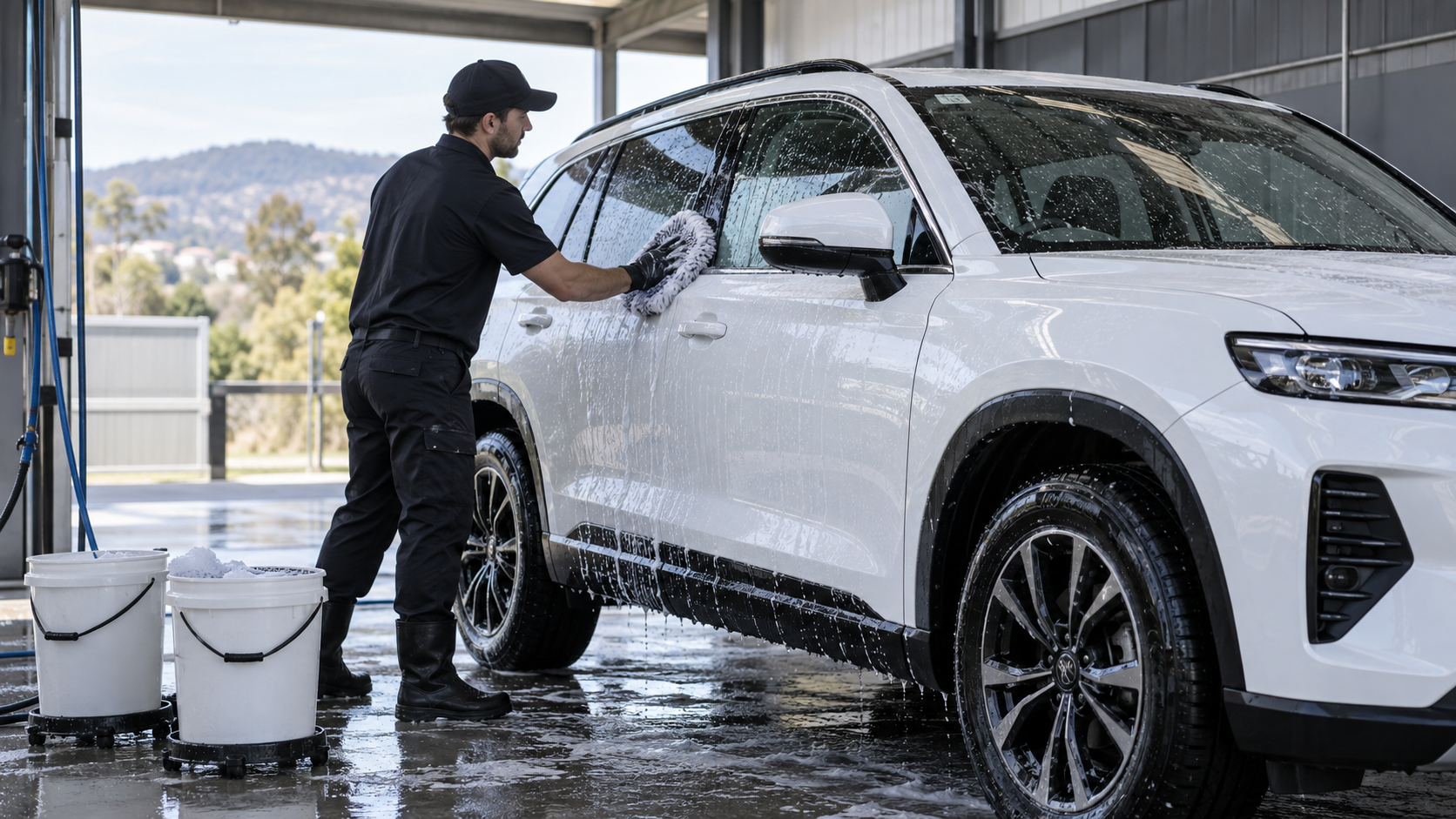
Step 2: Safe Wash
Next, the car is safely washed to remove loose dirt. A pre-wash foam or rinse may be used first. Then, a contact wash is completed with clean mitts and correct wash technique.
Step 3: Chemical Decontamination
After washing, iron fallout remover may be used to dissolve brake dust and metal particles. Tar remover may also be used if the vehicle has road tar, adhesive residue, or heavy grime.
Step 4: Clay Treatment
If the paint still feels rough, clay treatment can remove bonded contaminants. However, clay can cause light marring, so polishing may be needed afterwards.
Step 5: Paint Correction or Enhancement
This is where gloss is restored. Paint correction removes or reduces swirl marks, haze, oxidation, and fine defects. For newer vehicles, a single-stage enhancement may be enough. For older or darker vehicles, more correction may be needed.
Step 6: Panel Wipe
Before applying ceramic coating protection, polishing oils must be removed. A panel wipe helps create a clean surface so the coating can bond properly.
Step 7: Coating Application
The coating is applied in small sections, allowed to flash, then levelled with towels. This step requires controlled technique. If coating is not levelled correctly, high spots or streaks may appear.
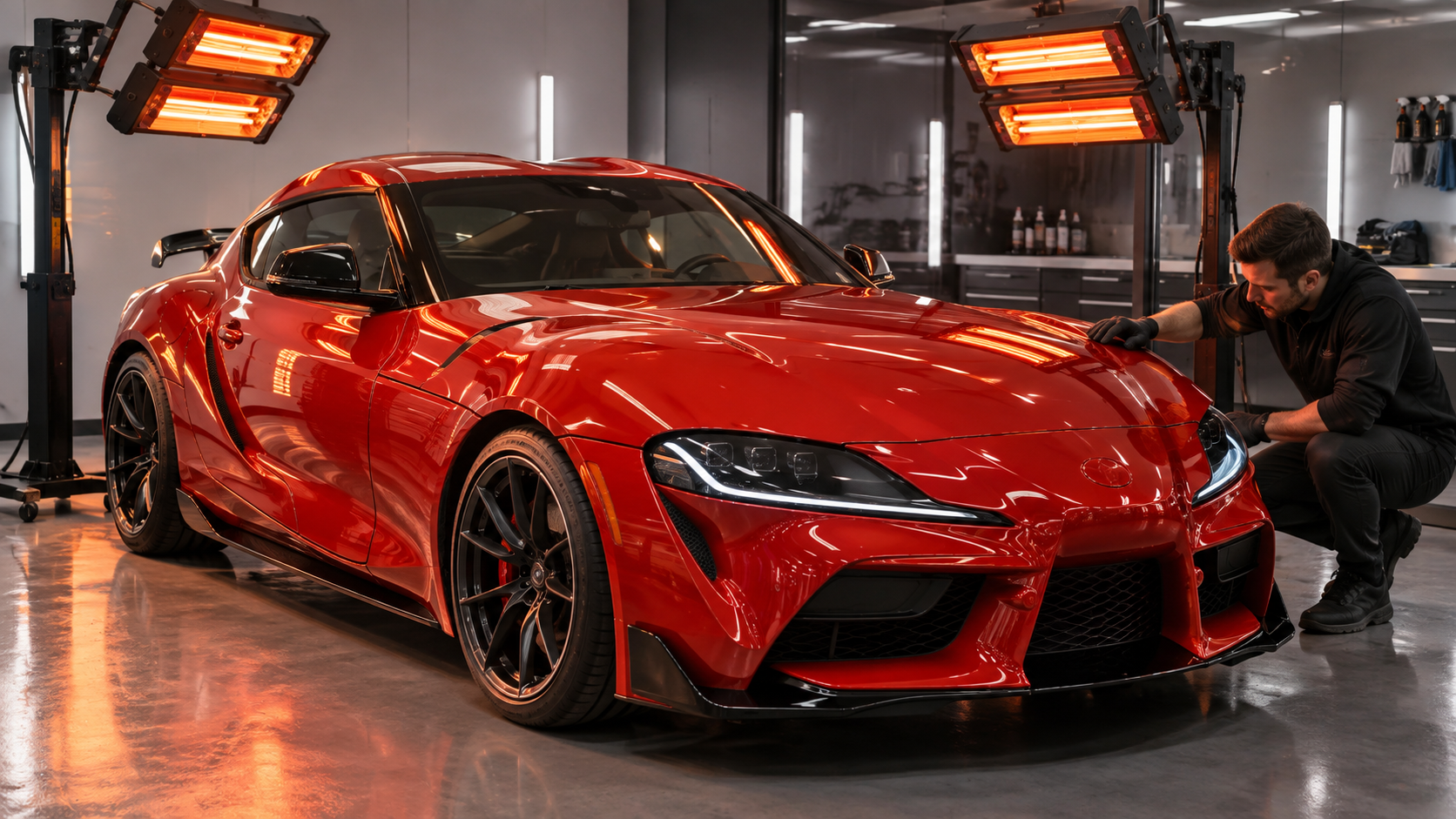
Step 8: Curing
Finally, the coating needs time to cure. During the early curing period, the car should avoid rain, washing, sprinklers, and heavy contamination where possible.
Numbered Checklist Before Booking Ceramic Coating Protection
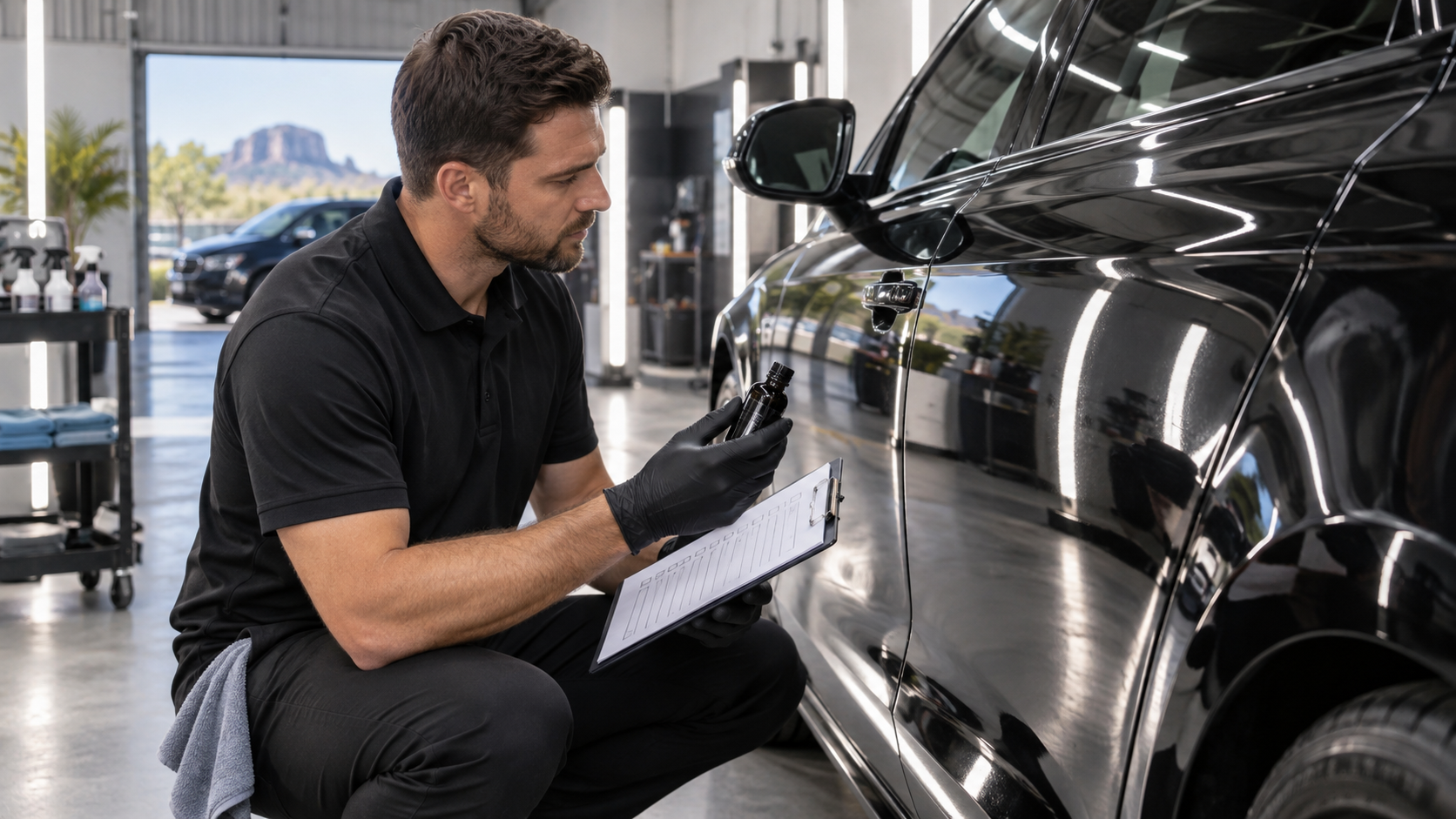
Use this checklist before choosing ceramic coating protection in Australia:
- Check your paint condition first. Look for swirl marks, fading, water spots, and scratches in sunlight.
- Ask what preparation is included. A cheap coating without proper prep may not perform well.
- Confirm whether paint correction is included. Coating over dull paint will not create a premium finish.
- Ask about coating durability realistically. Treat durability claims as estimates, not guarantees.
- Check aftercare instructions. You need to know when you can wash the car and what products to use.
- Avoid automatic brush washes. They can add swirl marks even on coated vehicles.
- Plan safe washing at home. Use pH-neutral shampoo, clean mitts, and soft drying towels.
- Consider your parking conditions. Outdoor parking under trees may need more frequent maintenance.
- Understand warranty wording. Read what is covered, what maintenance is required, and what is excluded.
- Choose value, not just the lowest price. Good coating work depends on preparation, skill, and honesty.
How Long Ceramic Coating Protection Lasts
The lifespan of ceramic coating protection depends on product quality, preparation, application, climate, washing habits, and storage. A daily driver parked outside in Brisbane, Perth, Sydney, Melbourne, Adelaide, or regional Australia may experience more wear than a garage-kept weekend car.
As a general estimate, consumer-grade coatings may last around one to two years with good care. Professional coatings may last longer, often several years, depending on the system used and maintenance. However, these are estimates. Real-world durability changes based on how the vehicle is used.
Signs Your Coating Is Still Working
A healthy ceramic coating often shows:
- Strong water beading
- Easy washing
- Slick paint feel after cleaning
- Less dirt sticking after rain
- Good gloss after drying
- Faster removal of bugs and grime
Signs Your Coating Needs Maintenance
Your coating may need maintenance if:
- Water lies flat on panels
- The car feels rough after washing
- Dirt sticks more than before
- Drying becomes harder
- Gloss looks muted
- Water spots remain after washing
Sometimes the coating is not gone. It may simply be clogged with contamination. A proper decontamination wash can often restore performance.
Ceramic Coating Maintenance in Australian Conditions
Ceramic coating protection works best when it is maintained. Fortunately, maintenance is not difficult if you use the right routine.
Wash the vehicle every two to four weeks if it is a daily driver. If it is parked near the beach, under trees, or in dusty areas, wash it more often. Also, remove bird droppings and bug splatter as soon as possible.
Use a pH-neutral car shampoo. Avoid dishwashing liquid, harsh degreasers, dirty sponges, and abrasive towels. After washing, dry the vehicle with clean microfibre drying towels or a safe air blower.
Recommended Maintenance Routine
For Australian car owners, a practical routine looks like this:
- Rinse loose dirt first
- Use a foam pre-wash where possible
- Wash with the two-bucket method or multiple clean mitts
- Use pH-neutral shampoo
- Rinse thoroughly
- Dry with soft microfibre towels
- Remove bugs and droppings quickly
- Use a ceramic-safe maintenance spray if recommended
- Book periodic decontamination if the paint feels rough
Also, avoid washing the car in direct sunlight. Hot panels can cause shampoo and water to dry too quickly, which increases the risk of spotting.
Who Should Consider Ceramic Coating Protection?
Ceramic coating protection is suitable for many Australian drivers, but it is not necessary for everyone.
It is a strong option for:
- New car owners who want to protect paint early
- People who park outdoors
- Owners of black, dark blue, or dark grey vehicles
- Family SUVs exposed to daily use
- Work utes that collect dust and road grime
- Prestige and performance vehicles
- Drivers near coastal areas
- People who want easier washing
- Owners planning to keep the car long term
However, it may not be the best investment if the vehicle already has failing clear coat, severe peeling, or heavy damage that needs repainting. In those cases, correction or coating may improve appearance, but it cannot repair failed paint.
Ceramic Coating Protection and Consumer Expectations
In Australia, services must be provided with due care and skill under consumer guarantee principles. The ACCC explains that consumer guarantees apply when people buy products and services, and these rights are separate from any extra warranty a business may offer. This is useful to understand when reading coating warranty claims, although it should be treated as general administrative information, not legal advice.
For plain guidance, the ACCC’s consumer rights and guarantees page is a helpful reference for Australian consumers reviewing service promises, product descriptions, and warranty language.
As a buyer, you should ask clear questions before booking:
- What exact service is included?
- Is paint correction included?
- How many coating layers are applied?
- What surfaces are coated?
- What maintenance is required?
- What can void the warranty?
- Is the durability claim an estimate or written guarantee?
This helps prevent misunderstanding and keeps expectations realistic.
Cost Factors for Ceramic Coating Protection in Australia
Ceramic coating prices vary widely across Australia. A small hatchback with good paint will usually cost less than a large SUV with neglected paint. Also, a quick enhancement package will cost less than multi-stage paint correction.
Major price factors include:
- Vehicle size
- Paint condition
- Level of paint correction
- Coating brand and durability
- Number of coated surfaces
- Mobile vs studio service
- Wheel, glass, and trim add-ons
- Labour time
- Aftercare package
Be cautious with very cheap offers. A low price may mean limited preparation, no paint correction, quick application, or low-durability product. On the other hand, the highest price is not automatically the best. The best value is a clear service with honest expectations.
Ceramic Coating for New Cars
Many new car owners ask whether a new car needs ceramic coating protection. The answer depends on the paint condition and how the vehicle will be used.
New paint is not always perfect. Dealership washing, transport film removal, storage dust, and pre-delivery cleaning can leave swirl marks or light defects. Therefore, a new vehicle should still be inspected before coating.
For new cars, the ideal process is usually:
- Safe wash
- Chemical decontamination
- Light machine polish if needed
- Panel wipe
- Ceramic coating application
- Correct curing and aftercare
This gives the coating a clean surface and helps preserve the new-car look.
Ceramic Coating for Used Cars
Used cars often benefit from ceramic coating protection after paint correction. If the paint is dull, swirled, or rough, polishing can make a major difference before coating.
However, expectations must be realistic. Deep scratches, stone chips, oxidation, and previous poor repairs may not disappear completely. A good detailer should explain what can be improved and what will remain.
For older vehicles, the coating helps protect the corrected finish. It also makes future washing easier, which reduces the chance of adding new swirl marks.
People Also Ask: Ceramic Coating Protection in Australia
Is ceramic coating protection worth it in Australia?
Yes, ceramic coating protection can be worth it in Australia if you want easier washing, stronger gloss, and added protection against UV exposure, road grime, bird droppings, and water spotting. However, it is most worthwhile when the paint is prepared correctly and the vehicle is maintained properly.
Does ceramic coating stop scratches?
No, ceramic coating does not fully stop scratches. It may help reduce very light wash marring, but poor washing, dirty towels, automatic brush washes, and sharp contact can still scratch the paint.
How long does ceramic coating protection last?
Ceramic coating protection can last from around one year to several years, depending on the coating type, preparation, climate, parking, washing routine, and maintenance. Any lifespan should be treated as an estimate unless clearly supported by written warranty terms.
Can I wash my car after ceramic coating?
Yes, but not immediately. Most coatings need an initial curing period, so you should follow the installer’s aftercare instructions before washing. After that, use pH-neutral shampoo and soft microfibre towels.
Is ceramic coating better than wax?
Ceramic coating is generally more durable than wax and offers better hydrophobic behaviour and chemical resistance. However, wax is cheaper and easier to apply, so it may suit owners who only want short-term shine.
Expert Q&A: Ceramic Coating Protection
1. Can ceramic coating protection prevent water spots?
Ceramic coating can reduce how strongly water and minerals bond to the paint, but it cannot fully prevent water spots. If hard water dries on hot panels, mineral deposits can still mark the surface. Therefore, drying the vehicle properly is important.
2. Should I polish my car before ceramic coating?
In most cases, yes. Polishing improves gloss and removes defects before the coating is applied. Since ceramic coating protection locks in the surface condition, paint correction or enhancement is often recommended before application.
3. Can ceramic coating be applied to wheels and glass?
Yes, many coating systems include options for wheels, glass, and exterior trim. Wheel coatings can help reduce brake dust bonding, while glass coatings can improve water behaviour. However, each surface needs the correct product and preparation.
4. Why does ceramic coating sometimes fail early?
Early failure can happen because of poor preparation, incorrect application, short curing time, harsh chemicals, automatic car washes, or lack of maintenance. In many cases, the coating may also be clogged rather than fully failed.
5. Is ceramic coating suitable for cars parked outside?
Yes, ceramic coating protection is often useful for cars parked outside because they face more UV, dust, rain, bird droppings, and tree sap. However, outdoor vehicles need regular washing and faster contamination removal to maintain the coating.
Conclusion
Ceramic coating protection is a smart option for many Australian car owners who want better gloss, easier washing, and a stronger barrier against everyday environmental contamination. It is especially helpful in Australia because vehicles deal with high UV exposure, hot weather, coastal salt, dust, road grime, bird droppings, and frequent outdoor parking.
However, the best results come from realistic expectations. Ceramic coating is not scratch-proof, stone-chip-proof, or maintenance-free. It performs best when the paint is properly prepared, the coating is applied correctly, and the owner follows a safe washing routine.
For car owners who want professional exterior care and practical paint protection guidance, explore mobile car detailing and paint protection services from Detailing Mates and choose a service based on your vehicle condition, driving habits, and long-term care goals.