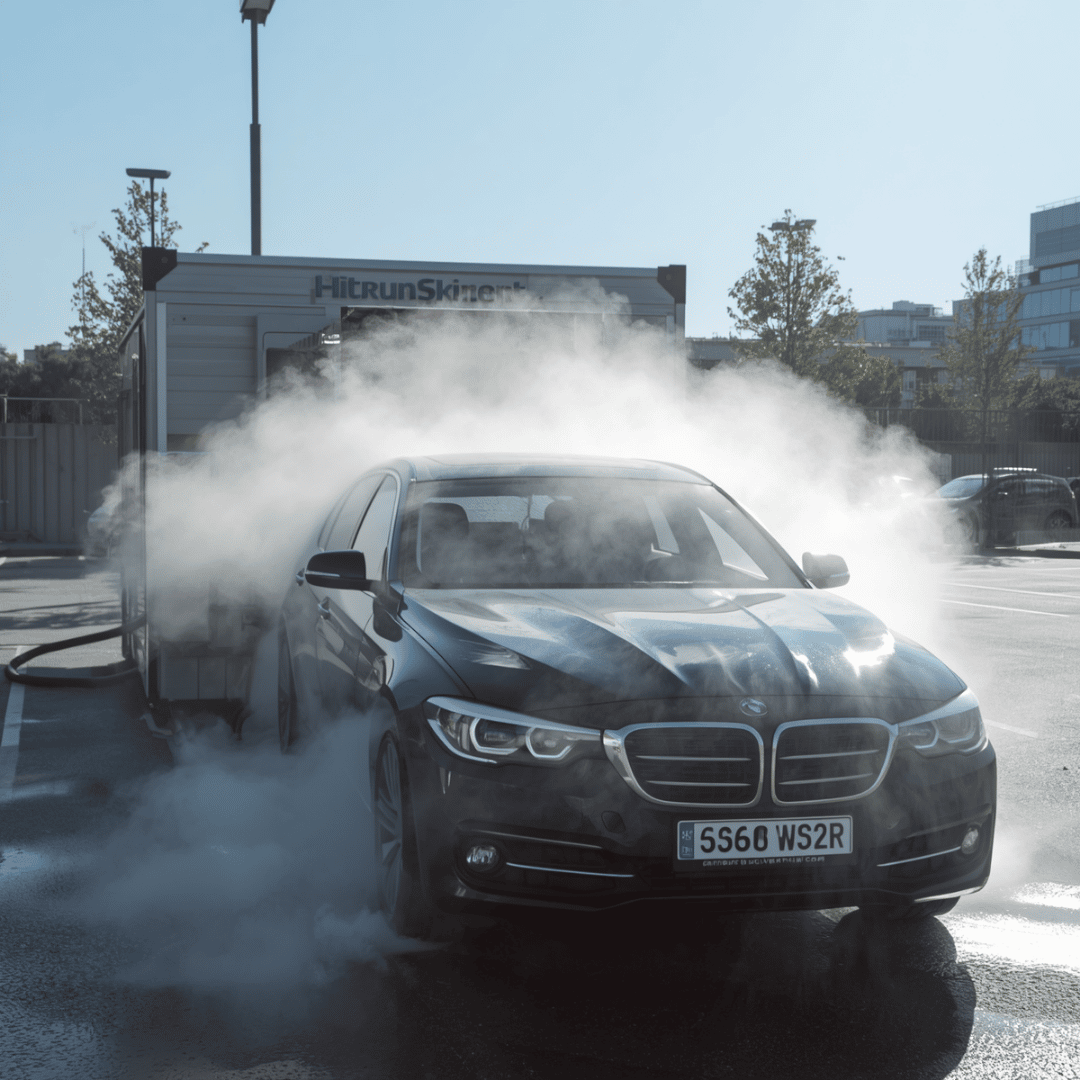
Mobile steam car cleaning is becoming a popular choice across Australia because drivers want a convenient, low-water way to clean their vehicles without spending hours at a car wash. From my experience working around car detailing projects, many customers are not only looking for a shiny finish. They also want cleaner seats, less odour, fewer stains, safer product use, and a service that comes to their home or workplace.
Australia’s climate also makes car care more important. Dust, UV exposure, coastal salt, bird droppings, tree sap, mud, pet hair, and food spills can quickly affect a vehicle’s appearance and comfort. Therefore, steam cleaning is useful because it combines heat, pressure, and moisture to loosen dirt without flooding the car interior.
However, mobile steam car cleaning is not magic. It works best when used correctly, with the right tools, safe techniques, and realistic expectations. In this guide, you will learn what it is, how it works, when it is suitable, what to ask before booking, and how Australian drivers can choose a reliable mobile car cleaning service.
Table of Contents
- What Is Mobile Steam Car Cleaning?
- Why Mobile Steam Car Cleaning Is Popular in Australia
- How Steam Cleaning Works on Cars
- Mobile Steam Car Cleaning vs Other Car Cleaning Methods
- Interior Steam Cleaning: Seats, Carpets, Mats, and Odours
- Exterior Steam Cleaning: Paint, Wheels, Badges, and Tight Areas
- Is Steam Cleaning Safe for Every Vehicle?
- Environmental and Water-Use Considerations in Australia
- What to Expect During a Mobile Steam Car Cleaning Appointment
- Checklist Before Booking a Mobile Steam Car Cleaning Service
- Common Mistakes to Avoid
- People Also Ask
- Expert Q&A
- Conclusion
Featured Definition: What Is Mobile Steam Car Cleaning?
Mobile steam car cleaning is a vehicle cleaning service where a trained detailer uses heated steam to loosen dirt, grime, stains, and odours at your location. It can clean interiors, carpets, seats, vents, wheels, trims, and tight areas while using less water than many traditional washing methods.
What Is Mobile Steam Car Cleaning?
Mobile steam car cleaning is a detailing method that uses steam vapour to clean different parts of a vehicle. Instead of relying only on buckets of water, strong detergents, or high-pressure washing, steam cleaning uses heat and controlled pressure to break down dirt.
In simple terms, the steam softens grime. Then, the detailer wipes it away using microfibre towels, brushes, extraction tools, or safe interior cleaning methods. As a result, the process can be effective for both visible dirt and hidden build-up.
For example, steam can help clean:
- Fabric seats
- Leather seats when used carefully
- Carpets and floor mats
- Door trims
- Dashboard areas
- Cup holders
- Air vents
- Seat rails
- Boot areas
- Wheel faces and tight gaps
- Badges and exterior crevices
However, good technique matters. Too much heat or too much steam in one place can be risky for delicate materials. Therefore, professional mobile steam car cleaning should involve controlled steam use, correct distance, suitable towels, and proper drying.
Why Mobile Steam Car Cleaning Is Popular in Australia
Mobile steam car cleaning is growing in Australia because it solves three common problems: time, convenience, and water use.
First, many Australians are busy. Between work, school runs, weekends, pets, and travel, it is not always easy to visit a car wash. A mobile service comes to your driveway, apartment car park, office, or approved parking area. Therefore, the customer saves travel time.
Second, Australian vehicles often face tough conditions. In coastal areas, salt air can leave residue. In regional areas, dust and mud can build up quickly. In cities, pollution, road film, and food spills are common. Because of this, a deeper cleaning method can be useful.
Third, water use matters in Australia. The Australian Government Bureau of Meteorology Water Restrictions explains that water restrictions vary by state, territory, local council, and water agency, so car owners should check local rules before washing vehicles.
This does not mean steam cleaning is always exempt from local rules. Instead, it means customers and service providers should understand local requirements. In many cases, steam cleaning can reduce water usage compared with a traditional hose wash, but wastewater and runoff still need to be managed responsibly.
How Steam Cleaning Works on Cars
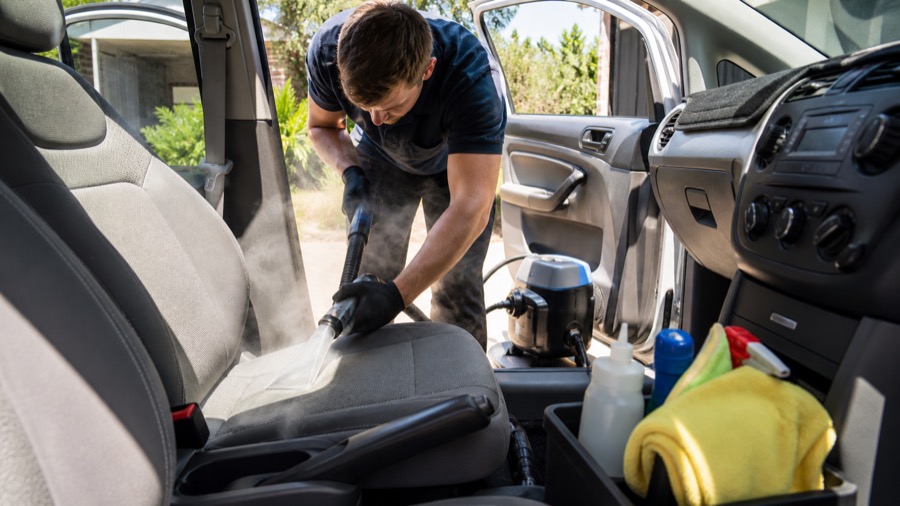
Steam cleaning works through heat, moisture, and pressure. The machine heats water until it becomes steam. Then, the steam is released through a nozzle, brush attachment, or detail tool.
The heat helps soften grease, dust, sticky spills, and grime. Meanwhile, the pressure helps move dirt away from surfaces. After that, the detailer removes the loosened dirt with microfibre towels, vacuuming, or extraction.
From my experience, the best results usually come from a step-by-step process, not from steam alone. For example, a professional detailer may first vacuum the interior, then pre-treat stains, then steam clean, then wipe, then dry the area.
This layered approach gives a better finish because each step removes a different type of contamination.
Why Heat Helps
Heat can make oily grime softer. It can also loosen sticky residue around cup holders, buttons, and door pockets. Because of this, steam is useful for areas where normal wiping does not reach properly.
However, heat must be controlled. Some plastics, adhesives, electronics, and soft-touch trims can be sensitive. Therefore, professional mobile steam car cleaning should never involve blasting steam carelessly into switches, screens, sensors, or open electrical areas.
Why Low Moisture Matters
A common problem with poor interior cleaning is over-wetting. If carpets or seats become too wet, they can take a long time to dry. In some cases, trapped moisture may create odours.
Steam cleaning uses moisture, but a good operator controls how much is applied. As a result, the interior can often dry faster than heavily soaked shampoo cleaning. Still, drying depends on weather, airflow, fabric type, stain depth, and how much moisture was used.
Mobile Steam Car Cleaning vs Other Car Cleaning Methods
Not every vehicle needs the same cleaning method. Sometimes, steam is ideal. Sometimes, a traditional wash, shampoo extraction, or paint-safe hand wash is better. Therefore, it helps to compare the options.
| Cleaning Method | Best For | Main Benefit | Limitation |
|---|---|---|---|
| Mobile steam car cleaning | Interiors, vents, trims, stains, odours, tight areas | Convenient and low-water when done correctly | Needs skilled handling around delicate parts |
| Traditional hand wash | Regular exterior washing | Good for routine paint cleaning | Can use more water and may create runoff |
| Pressure washing | Mud, wheels, underbody areas | Fast removal of heavy dirt | Too much pressure can damage sensitive areas |
| Shampoo extraction | Deep fabric stains and wet spills | Strong for carpets and cloth seats | Longer drying time if overused |
| Waterless wash | Light exterior dust | Very convenient | Not ideal for heavy mud or gritty dirt |
As shown above, mobile steam car cleaning is not just “another car wash.” It is closer to a detailing method. It is especially useful when the goal is a cleaner interior, improved freshness, and detailed work in small spaces.
Interior Mobile Steam Car Cleaning
Interior steam cleaning is one of the main reasons people search for this service in Australia. Cars are used daily, so interiors collect sweat, dust, food crumbs, sunscreen, pet hair, sand, coffee spills, and odours.
Steam can help clean many interior surfaces, but each material needs a different approach.
Fabric Seats
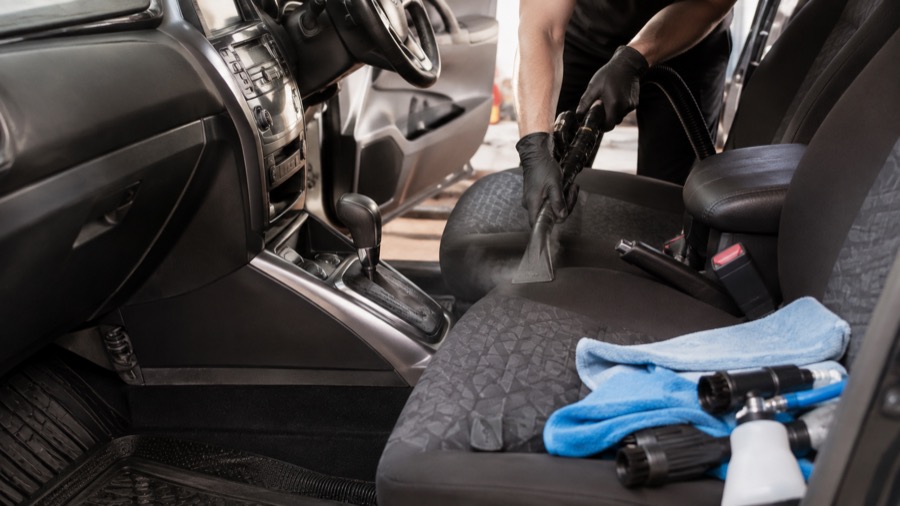
Fabric seats can hold sweat, dust, drink spills, and odours. Steam helps loosen dirt from the fibres. Then, the area can be wiped or extracted.
However, deep stains may not disappear completely in one clean. For example, old coffee, ink, dye transfer, and long-term water stains can be difficult. A professional should explain this before starting.
Leather Seats
Leather needs care. Steam can be used lightly on some leather surfaces, but too much heat can dry or damage leather. Therefore, the detailer should use controlled steam, soft brushes, and leather-safe products.
After cleaning, leather may also need conditioning. This helps maintain softness and reduces the dry feel that can happen after cleaning.
Carpets and Floor Mats
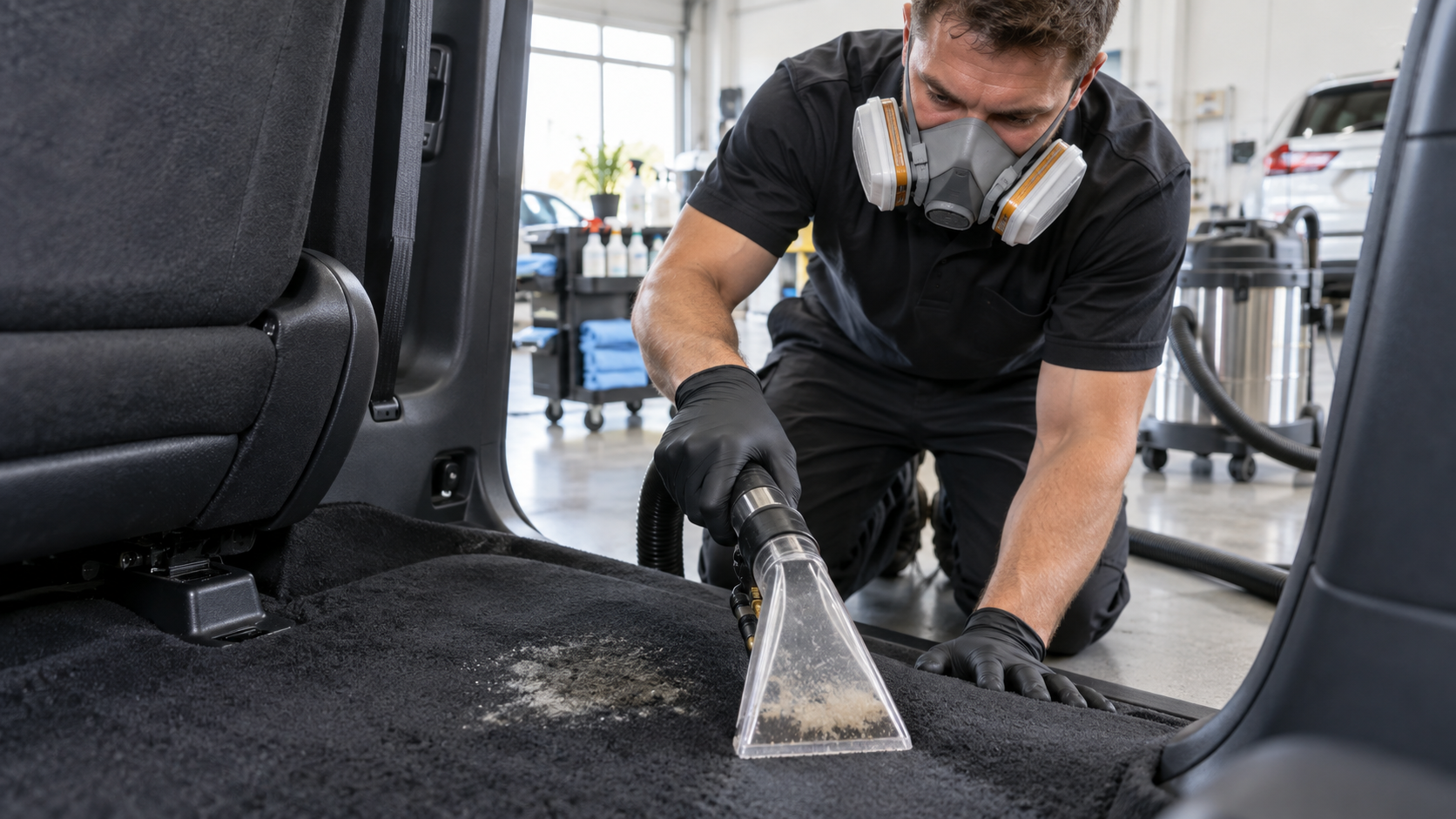
Car carpets collect sand, dirt, mud, and food. Steam helps soften build-up, especially around pedals and footwells. For heavy dirt, vacuuming and brushing should happen first.
Rubber mats are often easier to clean. Fabric mats may need deeper treatment, especially if they smell damp.
Dashboard and Console
Steam can clean textured plastics, buttons, cup holders, and tight gaps. However, this is where skill matters most. Steam should not be forced into electronics, screens, ports, or controls.
A safer method is to steam the cloth or brush first, then clean the surface with controlled contact. This reduces risk while still improving the finish.
Air Vents
Air vents collect dust and odours. Steam can help loosen dirt around vent fins, but it should be used carefully. The goal is to clean the surface and reachable areas, not push moisture deep into the system.
For strong air-conditioning odours, a separate AC treatment may be needed.
Exterior Mobile Steam Car Cleaning
Although many people associate steam with interiors, it can also support exterior detailing. It is useful for tight areas where grime builds up, such as badges, mirrors, door handles, window trims, and fuel caps.
However, exterior steam cleaning should still follow paint-safe methods. Dirt should not be dragged across paint. Microfibre towels must be clean. Heavily contaminated cars may need pre-rinsing or extra lubrication.
Paintwork
Steam can loosen dirt and road film, but it should not replace safe washing principles. If the car is covered in gritty dirt or mud, wiping too early may cause swirl marks.
Therefore, the detailer should assess the paint first. On dusty cars, careful steam and towel work may be suitable. On muddy cars, a different approach may be safer.
Wheels and Tyres
Wheels collect brake dust, road grime, and oily residue. Steam can help loosen grime around spokes, wheel nuts, and tight corners. However, strong wheel cleaners may still be required for baked-on brake dust.
Badges and Crevices
This is where steam performs well. Badges, emblems, boot gaps, grille areas, and trim edges are hard to clean with a normal cloth. Steam can loosen dirt in these small spaces, making the final detail look sharper.
Is Mobile Steam Car Cleaning Safe for Every Vehicle?
Mobile steam car cleaning is safe for many vehicles when performed by a trained detailer. However, it is not automatically safe for every surface or situation.
For example, caution is needed with:
- Old or loose headliners
- Peeling tint
- Damaged leather
- Loose trims
- Aftermarket electronics
- Sensitive screens
- Open switches
- Weak adhesives
- Old paint protection film
- Flaking paint
- Fresh paint repairs
Therefore, a good detailer should inspect the car first. They should also ask about known issues, recent repairs, ceramic coatings, interior damage, or electrical problems.
From my experience, customers appreciate honesty. It is better to say “this stain may improve but not fully disappear” than to promise a perfect result.
Environmental and Water-Use Considerations in Australia
Australia has strong reasons to care about water use and stormwater pollution. Vehicle washing can carry oil, grease, detergents, dust, mud, and other contaminants into drains. The EPA Victoria guidance on stormwater pollution from the auto industry notes that pollutants such as oil, grease, and detergents can wash into stormwater drains and harm waterways.
This is important because stormwater usually flows to local waterways, not to a treatment plant. Therefore, even mobile operators need to think about where water and residue go.
The Australian Car Wash Association commercial operating regulations states that commercial car wash sites must comply with local by-laws and water authority guidelines, including wastewater requirements and water-use reduction.
For mobile steam car cleaning, the key lesson is simple: use less water, control runoff, avoid careless detergent use, and follow local requirements. This is administrative and environmental guidance, not legal advice. Businesses should check local council, state, water authority, and site-specific rules when needed.
What to Expect During a Mobile Steam Car Cleaning Appointment
A professional mobile steam car cleaning appointment should feel organised. The detailer should not simply arrive and start blasting steam everywhere.
A typical process may include the following steps:
- Vehicle inspection
- Customer discussion about stains, smells, and expectations
- Setup of steam machine, vacuum, towels, and products
- Dry vacuuming of interior areas
- Pre-treatment of stains where needed
- Steam cleaning of selected surfaces
- Wiping, brushing, or extraction
- Exterior spot cleaning or steam detailing if included
- Final interior dressing or protection if part of the package
- Final inspection with the customer
The exact process depends on the service package. A basic interior refresh will not be the same as a deep detail. Likewise, a heavily used family SUV will need more time than a lightly used sedan.
Numbered Checklist Before Booking Mobile Steam Car Cleaning
Use this checklist before booking a service. It helps you choose the right provider and avoid confusion.
- Confirm what is included. Ask whether the service includes seats, carpets, mats, boot, vents, dashboard, exterior, wheels, or only selected areas.
- Ask about stain expectations. Old stains, dye transfer, mould marks, and chemical damage may improve but not fully disappear.
- Check water and power needs. Some mobile detailers bring their own setup, while others may need access to power or water.
- Ask about runoff control. This matters in driveways, apartment car parks, office sites, and shared spaces.
- Confirm drying advice. Ask how long seats or carpets may take to dry after cleaning.
- Mention sensitive areas. Tell the detailer about damaged leather, loose trim, broken switches, tint issues, or recent repairs.
- Check location access. Make sure there is enough safe space around the vehicle.
- Review pricing clearly. Ask if pet hair, heavy stains, mould, sand, or extra-large vehicles cost more.
- Ask about products used. This is useful if you have children, pets, allergies, or sensitive materials.
- Inspect the car before payment. A professional detailer should allow a final walk-through.
Mobile Steam Car Cleaning for Families
Families often benefit from mobile steam car cleaning because children can make cars messy quickly. Food crumbs, milk spills, juice stains, sand, sunscreen, and sticky fingerprints are common.
Steam helps in small areas like cup holders, seat rails, child-seat zones, and door pockets. However, child seats should usually be cleaned according to the manufacturer’s instructions. A detailer should not soak or heat child-seat straps unless the seat maker allows it.
For family cars, it is also helpful to remove personal items before the appointment. This saves time and gives the detailer better access.
Mobile Steam Car Cleaning for Pet Owners
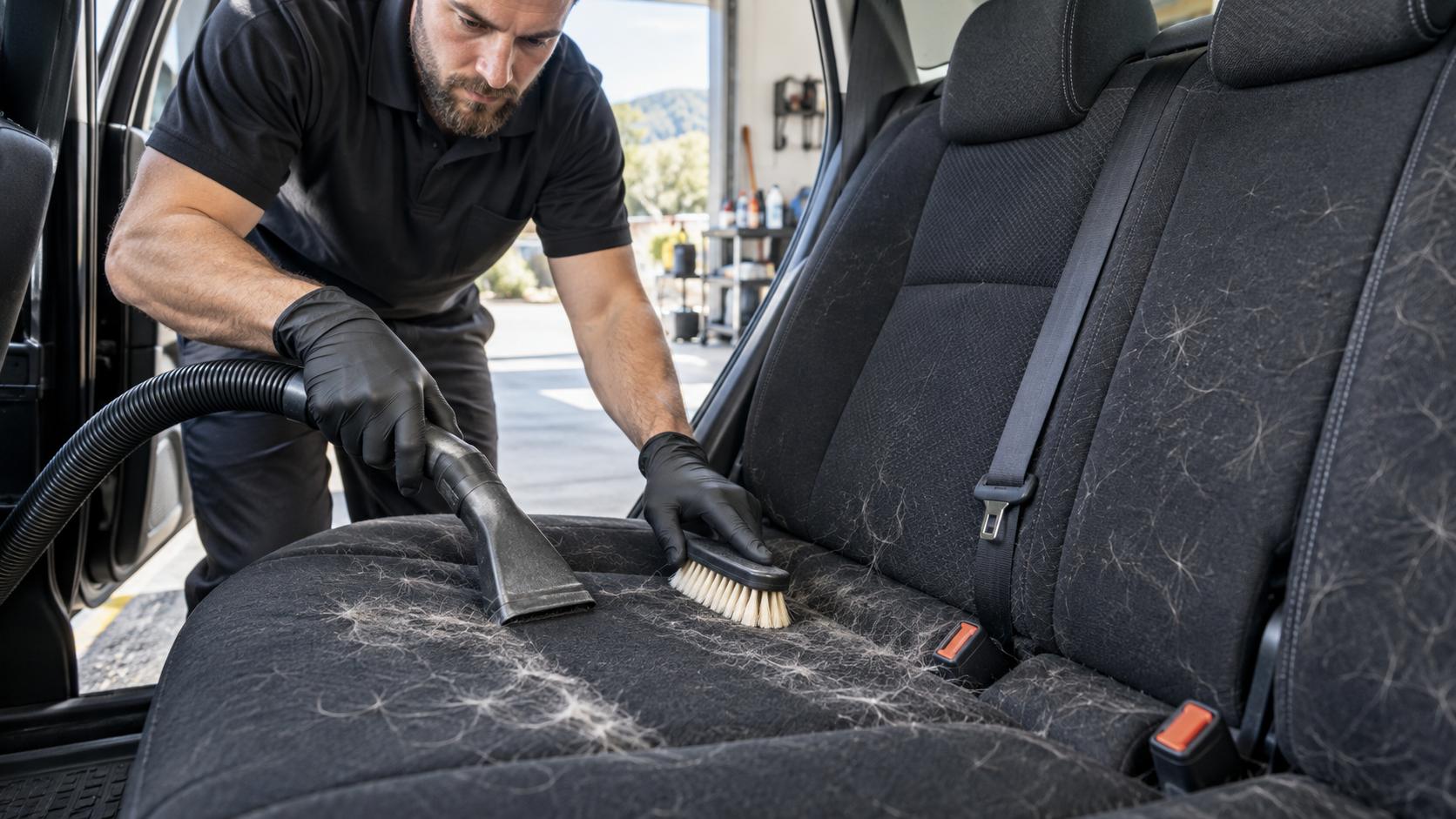
Pet owners often deal with hair, smell, drool, and dirt. Steam cleaning can help freshen the interior, especially after vacuuming and brushing. However, pet hair can be difficult to remove from some carpets because it becomes trapped in the fibres.
Therefore, pet hair removal may require special tools and extra time. Many detailers charge extra for heavy pet hair because it is labour-intensive.
Steam may also help reduce odours, but it may not remove deep urine smells if the liquid has soaked into foam or underlay. In such cases, enzyme treatment or deeper extraction may be needed.
Mobile Steam Car Cleaning for Rideshare and Work Vehicles
Rideshare drivers, sales teams, tradespeople, and mobile professionals often need clean vehicles because the car is part of their business image. A dirty interior can affect customer comfort and brand trust.
Mobile steam car cleaning is useful because it can be booked around work hours. For example, a vehicle can be cleaned at home before a shift or at the workplace during downtime.
However, work vehicles may need stronger cleaning if they carry tools, food, equipment, pets, or passengers daily. Regular maintenance cleaning is usually easier and cheaper than waiting until the car becomes heavily soiled.
Mobile Steam Car Cleaning for Coastal Areas
Many Australian drivers live near coastal areas. Salt air, sand, sunscreen, and beach gear can affect interiors and exteriors. Sand is especially difficult because it gets into carpets, seat rails, and boot corners.
Steam can help loosen dirt in tight spaces, but dry vacuuming is still important first. If sand is present, the detailer should remove as much dry material as possible before applying moisture. Otherwise, the sand can become harder to extract.
Common Mistakes to Avoid
Mobile steam car cleaning works well when done properly. However, poor technique can cause problems.
Mistake 1: Using Too Much Steam on Electronics
Steam should not be pushed into screens, buttons, ports, or electrical controls. A safer approach is to steam a cloth or brush, then wipe the area carefully.
Mistake 2: Skipping the Vacuum Stage
Steam should not replace vacuuming. Loose dust, sand, hair, and crumbs should be removed first. Otherwise, the cleaning process becomes slower and less effective.
Mistake 3: Expecting Every Stain to Disappear
Some stains are permanent. For example, dye transfer, bleach damage, sun fading, and old chemical marks may not fully come out. A good detailer should explain this before starting.
Mistake 4: Cleaning Paint Without Checking Dirt Level
Steam can clean exterior areas, but heavy grit must be handled carefully. Wiping gritty paint can cause scratches. Therefore, paint-safe technique is essential.
Mistake 5: Ignoring Drying
Even low-moisture cleaning needs drying time. After cleaning, leave windows slightly open if safe, use airflow, and avoid covering damp seats.
How Often Should You Book Mobile Steam Car Cleaning?
The right frequency depends on how you use your car.
For a lightly used personal car, a deep interior steam clean every 3 to 6 months may be enough. For family cars, pet vehicles, rideshare cars, and work vehicles, monthly or bi-monthly maintenance may be more practical.
However, these are estimates, not fixed rules. A car used daily with children and pets will need more care than a weekend car parked in a garage.
A smart approach is to combine regular light cleaning with occasional deep steam cleaning. This keeps the vehicle fresher and helps prevent stains from becoming permanent.
Choosing a Mobile Steam Car Cleaning Provider in Australia
When choosing a provider, look beyond price. Cheap cleaning can become expensive if the operator damages trim, leaves carpets wet, or uses unsafe methods.
A reliable provider should be able to explain:
- What equipment they use
- What surfaces can and cannot be steamed
- How they handle stains
- How they manage runoff
- What is included in each package
- Whether they are insured
- What results are realistic
- How long the service will take
You can also check reviews, before-and-after examples, and service descriptions. For local vehicle cleaning support, explore professional mobile car detailing services in Australia and choose a package that matches your vehicle condition and cleaning goals.
People Also Ask
Is mobile steam car cleaning good for car interiors?
Yes, mobile steam car cleaning can be very useful for interiors because it helps loosen dirt, stains, and odours from seats, carpets, mats, trims, and tight areas. However, delicate surfaces need controlled heat and careful technique.
Does steam cleaning use less water than normal car washing?
In many cases, yes. Steam cleaning can use less water than traditional hose washing because it relies on heated vapour rather than large volumes of water. However, actual water use depends on the equipment, process, and service package.
Can steam cleaning remove bad smells from a car?
Steam cleaning can reduce many odours caused by dirt, food spills, sweat, pets, and damp carpets. However, deep odours from mould, urine, smoke, or liquid trapped under carpets may need extra treatment.
Is steam cleaning safe for leather car seats?
It can be safe when done carefully, but leather should not be overheated or over-wetted. A professional should use controlled steam, soft tools, and leather-safe aftercare.
Can mobile steam car cleaning be done at an apartment?
Often yes, but it depends on access, parking rules, power availability, water restrictions, and body corporate rules. Always confirm the location requirements before booking.
Expert Q&A About Mobile Steam Car Cleaning
1. What is the difference between steam cleaning and shampoo cleaning?
Steam cleaning uses heated vapour to loosen dirt and grime, while shampoo cleaning uses cleaning solution and moisture to wash fabric surfaces. Steam is often lower moisture, while shampoo extraction may be better for deep fabric contamination. In many cases, professionals combine both methods for better results.
2. Will mobile steam car cleaning damage my paint?
It should not damage paint when performed correctly. However, if the vehicle has heavy grit, mud, or sand, the detailer must avoid dragging dirt across the surface. Safe towels, proper technique, and paint assessment are important.
3. Can steam cleaning remove mould from a car?
Steam may help clean visible mould on some surfaces, but mould can be a health and moisture issue. If mould is widespread or caused by leaks, the source must be fixed first. Severe mould may need specialist treatment rather than a normal detail.
4. How long does mobile steam car cleaning take?
A basic interior steam clean may take around 1 to 2 hours, while a deeper clean can take several hours. The time depends on vehicle size, condition, stains, pet hair, sand, and the package selected. This is an estimate only.
5. Should I remove my belongings before the detailer arrives?
Yes. Remove personal items, rubbish, child seats if possible, work gear, coins, chargers, and valuables. This helps the detailer clean more thoroughly and reduces the chance of items being misplaced.
Conclusion
Mobile steam car cleaning is a practical option for Australian drivers who want a cleaner vehicle without the inconvenience of visiting a car wash. It is especially useful for interiors, tight spaces, odours, pet mess, family cars, rideshare vehicles, and regular maintenance cleaning.
However, the best results come from proper technique. Steam should be controlled, surfaces should be assessed, stains should be explained honestly, and water or runoff should be managed responsibly.
For Australian car owners, the main benefit is balance. You get convenience, detailed cleaning, and a lower-water method when compared with many traditional approaches. Therefore, if your vehicle needs a fresh, cleaner, more comfortable interior, mobile steam car cleaning is worth considering as part of your regular car care routine.