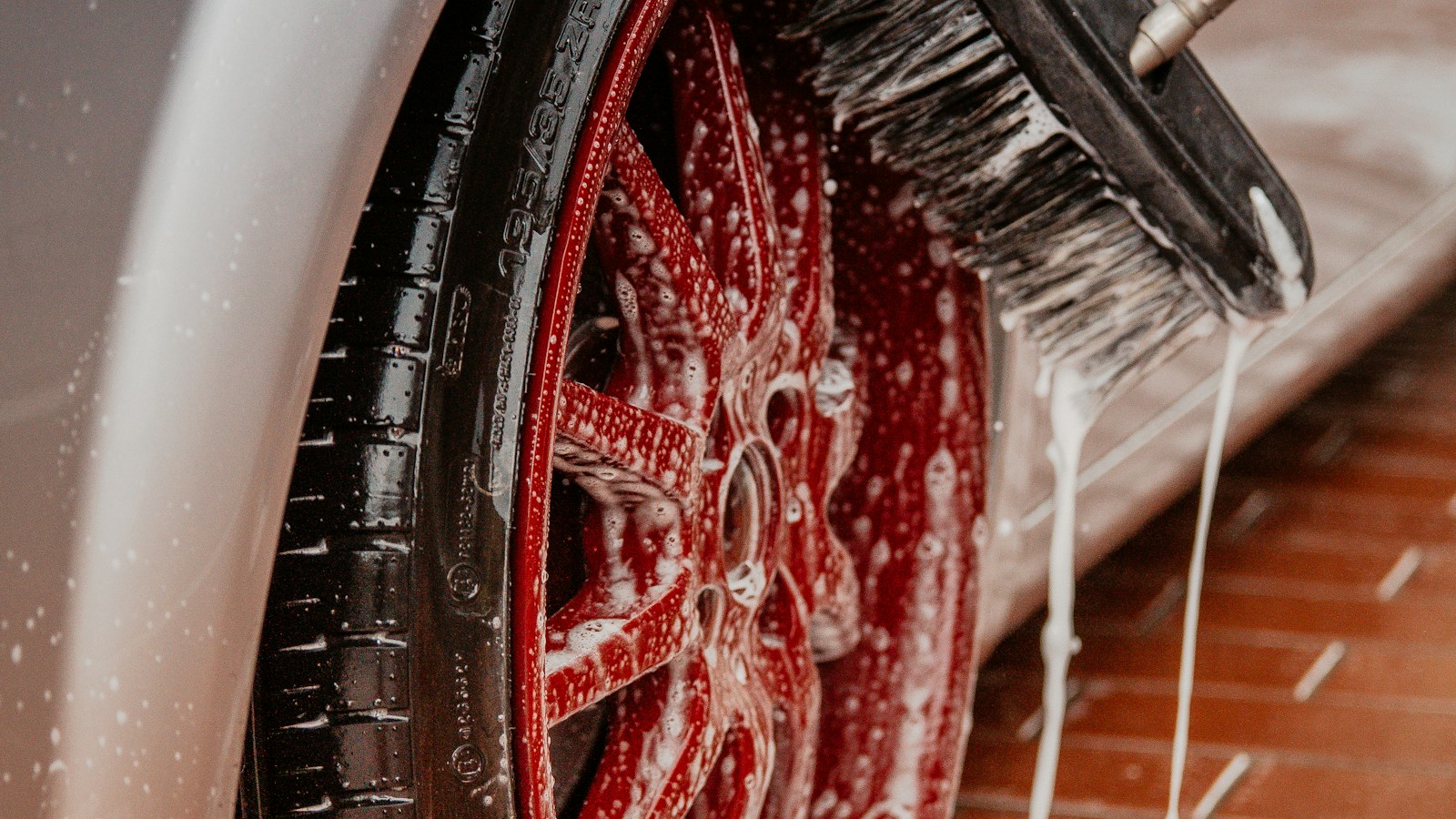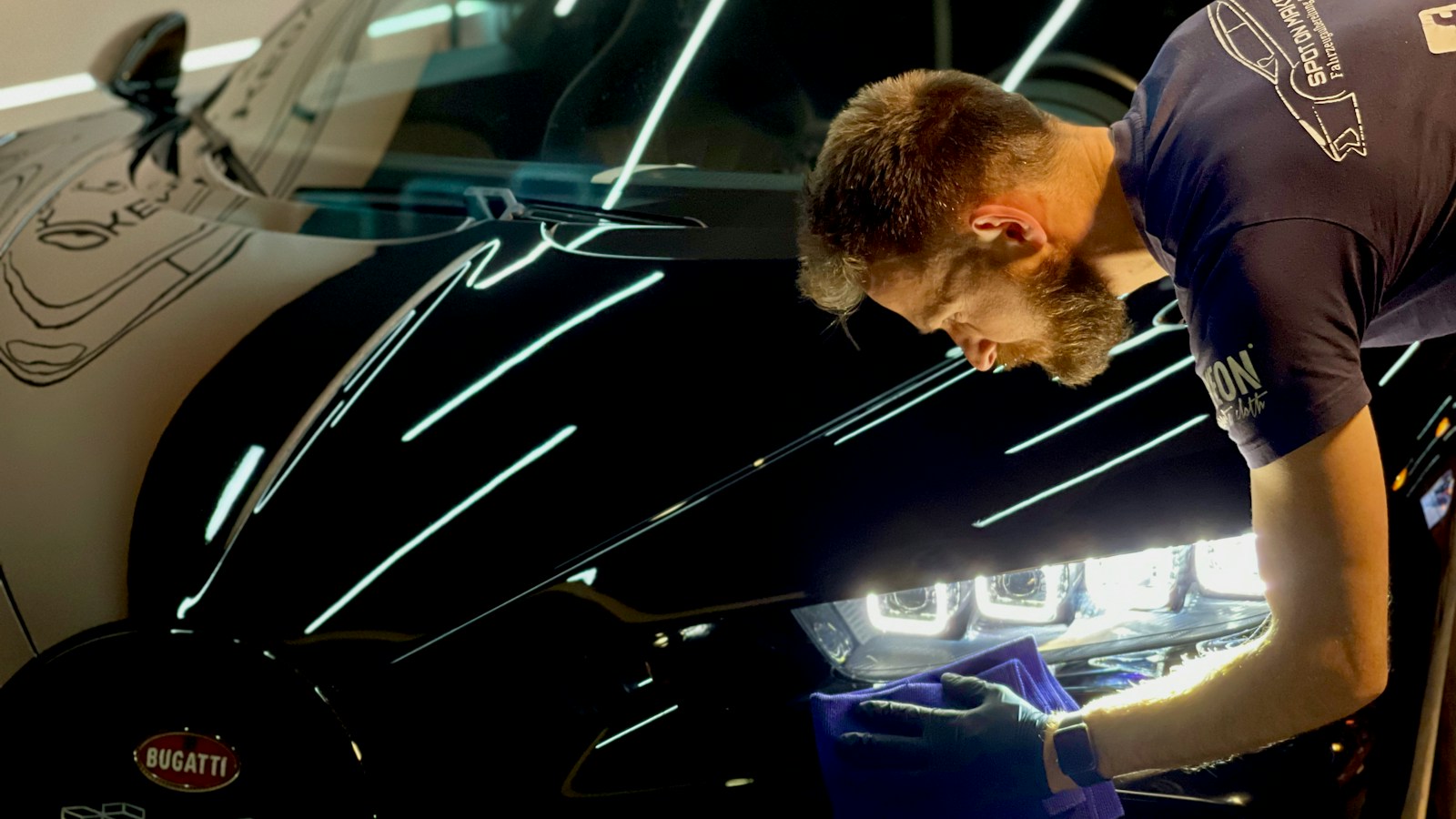
While nano-ceramic coatings provide unrivaled chemical resistance and gloss. understanding ceramic coating water spot prevention is critical to prevent aggressive trapped minerals from etching pristine vehicle paintwork. Ceramic coatings are celebrated for their extreme water beading traits. forming high contact angles that cause rainwater to gather into tight spheres. However. when vehicle owners neglect ceramic coating water spot prevention. droplets containing trapped mineral. chalk. And industrial atmospheric salts evaporate under intense sunlight. focusing heat like tiny magnifying lenses and baking mineral scale directly into the quartz matrix.
this specialised procedure is a specialized maintenance methodology that stops mineral calcification and clear coat etching on coated paintwork. By using spot-free deionised water rinses, applying sacrificial hydrophobic spray toppers, and performing prompt acid-based mineral decontamination, detailers keep ceramic coatings clean and streak-free.
Table of Contents.
- The Physics of slick Beading vs Mineral drying.
- Classifying Water Spot Severity: Stage 1 Deposits vs Stage 2 Etching.
- Hard Water and Regional Borehole Hazards Across Australia.
- Chemical Mineral cleaning vs Abrasive Machine Polishing.
- Sacrificial Spray Sealants and Silica Barrier Maintenance.
- The 7-Step ceramic coating water spot prevention Protocol.
- Water Quality Comparison: Tap vs Rainwater vs pure Pure Water.
- Essential Coated Vehicle Mineral Prevention Checklist.
- Managing High-Altitude Solar Baking and Rain in Armidale.
- People Also Ask About Ceramic Water Spotting.
- Frequently Asked Questions.
- Long-Term slick Clarity and Coating care Summary.
The Physics of slick Beading vs Mineral drying.
There is a deep scientific paradox inherent in ceramic paint protection: the very slick properties that make a ceramic coating visually satisfying also increase its weakness to water spotting. A high-quality ceramic coating exhibits water contact angles between 105 and 115 degrees. When rain or sprinkler spray falls on the panel. surface tension forces the water into tall. spherical beads rather than allowing it to sheet flat across the panel.
If the vehicle is parked under direct sunlight or hot wind before these beads roll off. the water volume evaporates rapidly from the perimeter inward. As the liquid evaporates. trapped minerals. primarily mineral carbonate. chalk sulphate. And silicate salts. become concentrated in the shrinking droplet. Eventually. the droplet reaches complete saturation. depositing a solid ring of white mineral crust. Engaging pro vehicle detailing maintenance packages ensures that sacrificial slick toppers are applied periodically. This prevents mineral crusts from establishing molecular bonds with the underlying ceramic coat.
Classifying Water Spot Severity: Stage 1 Deposits vs Stage 2 Etching.
Detailers classify water spot damage into two distinct pathological stages. each requiring a fundamentally different technical cleanup approach:
Stage 1 (Mineral Scale Deposits): These are superficial crystalline mineral salts sitting resting atop the ceramic coating. Because the minerals have not yet bonded with or burned into the surface. they appear as cloudy white circular rings. Stage 1 deposits can be safely trapped and wiped away using mild acid-based chemical mineral removers without abrading the ceramic coating.
Stage 2 (Sub-Surface Chemical Etching): If mineral deposits are left on vehicle paint under hot sunlight. a chemical reaction occurs. Rainwater frequently carries absorbed sulphur dioxide and nitric oxides. creating mildly acidic moisture. Combined with intense solar heat. this acid solution dissolves the outer silica layer of the ceramic coating and bites into the underlying clear coat. creating tiny craters. Stage 2 etching cannot be washed away with chemicals. it requires machine polishing. This removes both the etching and the ceramic coating. demanding a complete re-coating of the panel.
Hard Water and Regional Borehole Hazards Across Australia.
Municipal water supplies and rural water catchments across Australia exhibit vast differences in total trapped solids (TDS). In many regional farming districts. town water supplies and garden irrigation systems rely on underground aquifers and boreholes. Bore water often contains astronomical mineral hardness levels exceeding 400 parts per million (PPM) of trapped mineral. iron. And limestone salts.
Water quality monitoring guidelines published by NSW climate Protection Authority emphasize that groundwater salinity and mineral hardness can cause rapid scale buildup on metallic and painted structures. Washing a vehicle with un-softened bore water. or parking within reach of automatic lawn sprinklers. will coat an entire vehicle in severe Stage 1 and Stage 2 water spots within a single sunny afternoon.
Chemical Mineral cleaning vs Abrasive Machine Polishing.
When mineral spots first appear on a coated vehicle. the instinctive reaction of many owners is to grab a machine polisher or aggressive cutting compound. This is a severe mistake. Machine compounding mechanically removes the protective ceramic coating. instantly stripping away the vehicle's gloss and chemical barrier.
The correct. non-abrasive approach relies on chemical chelation. pro detailers use specialized acidic water spot removers formulated with organic acids (such as acetic. citric. And phosphoric acid complexes) buffered between pH 2.5 and 4.0. When applied to cool paintwork. these acid ions react with alkaline mineral and chalk carbonates. converting insoluble mineral crusts into water-soluble liquid salts that rinse away effortlessly. leaving the chemically resistant ceramic coating completely undamaged.
Sacrificial Spray Sealants and Silica Barrier Maintenance.
The most effective strategy for this specialised procedure is maintaining an active "sacrificial layer." High-end ceramic coatings are inherently high in surface energy. This can attract certain mineral particulates. To counteract this. chemical manufacturers engineer sacrificial spray sealants infused with siloxane polymers. fluoropolymers. Or synthetic carnauba emulsions.
When misted across clean. coated paintwork every two to three months. this sacrificial layer bonds to the top of the ceramic quartz coating. If mineral-laden water evaporates on the vehicle. the minerals deposit onto the easily replaceable sacrificial spray layer rather than burning into the permanent ceramic coating beneath. During the subsequent wash. the sacrificial layer is cleaned or replenished. keeping the primary ceramic coat in pristine factory condition.
The 7-Step ceramic coating water spot prevention Protocol.
Adhering to a disciplined washing protocol bonds that wash water never dries on panels to form mineral scale.
- Never Wash on Hot Panels or in Direct Sun: Always perform washing in a shaded bay. an enclosed wash garage. Or during early morning or late afternoon hours when metal panels are cool to the touch.
- Utilise pure (Pure Water) Rinsing: Connect an inline filtration (DI) resin filtration vessel to your pressure washer. Water filtered to 0 TDS contains zero trapped minerals and can dry on paint without leaving a single spot.
- Pre-Treat with Foam Lubricant: Blanket the vehicle in a pH-neutral snow foam to soften outdoor dust and minimize contact friction during the hand wash.
- Work Panel-by-Panel: In warm weather. wash and rinse one panel at a time. never allowing soapy wash water to begin evaporating on adjacent bodywork.
- Employ Forced-Air Drying: Blow standing water beads out of crevices. mirror housings. window gaskets. And grille slats using a warm. filtered automotive touchless air blower.
- Blot with High-GSM Drying Towels: Absorb remaining water droplets immediately using an ultra-absorbent 1,000+ GSM twisted-loop microfiber drying towel misted with a slick drying aid.
- Apply Sacrificial Ceramic Boosters: After drying. wipe down the vehicle with a dedicated SiO2 silica maintenance spray to reinforce the sacrificial slick barrier.
Water Quality Comparison: Tap vs Rainwater vs pure Pure Water.
Understanding the mineral traits of different water sources explains why filtration technology is essential for ceramic coating care.
| Water Source Metric. | Municipal Town Tap Water. | Natural Atmospheric Rainwater. | pure (0 TDS) Pure Water. |
|---|---|---|---|
| Total trapped Solids (TDS). | Moderate to High (100–350 PPM). | Low to Moderate (15–60 PPM). | Absolute Zero (0 PPM). |
| Primary Mineral Content. | mineral carbonate. chalk. chlorine. | trapped dust. nitric acid. soot. | None: all mineral ions removed. |
| Spotting Potential. | High: dries into hard white crusts. | Moderate: leaves dirty organic rings. | Zero: evaporates completely streak-free. |
| Acid Etching Risk. | Moderate: alkaline salts etch clear coat. | High: outdoor acids etch coatings. | Zero: completely non-reactive pure H2O. |
| Need for Immediate Drying. | Mandatory: must be towel-dried instantly. | High: should be washed off after storms. | Optional: can air-dry in sun without spots. |
| Recommended Detailing Role. | Initial pre-washing and heavy foaming. | Outdoor driving exposure. | Final rinse and streak-free spot-free wash. |
Essential Coated Vehicle Mineral Prevention Checklist.
Follow this checklist to keep your ceramic protected vehicle completely free of stubborn mineral spotting throughout the year.
- Avoid Lawn Sprinklers: Never park near residential or commercial automatic irrigation sprinklers. This often pump high-mineral groundwater.
- Post-Rain Maintenance Rinse: After driving in heavy rain. perform a quick pure-water rinse or touchless wash to remove airborne pollution before the sun emerges.
- Use a Dedicated Drying Aid: Always mist a slick. silica-based quick detailer onto wet panels before drying to lubricate the towel and encapsulate hard water minerals.
- Clean Door Jamb Water Traps: Open all doors. the bonnet. And the boot lid after washing to dry hidden sill channels where trapped water seeps onto lower skirts.
- Perform Quarterly Chemical Decon: Wash with a dedicated acidic mineral remover shampoo once every three months to strip invisible tiny salt films.
- Keep Microfibers Clean: Wash drying towels with a dedicated microfiber detergent. never use fabric softeners. This leave water-repelling oils in the towels.
- Seek pro Acid Bath if Spotted: If light water spots appear. visit an accredited detailing pro for chemical cleaning before spots etch into clear coat.
Managing High-Altitude Solar Baking and Rain in Armidale.
Maintaining coated vehicles in regional Northern Tablelands locations like Armidale requires vigilant mineral management. Because Armidale is situated approximately 1,000 metres above sea level. the solar sunlight and infrared sun rays index is greatly more intense than in coastal regions. When afternoon summer thunderstorms pass over the tablelands. raindrops left on vehicle bonnets and horizontal boots are subjected to intense solar heating within minutes of the clouds clearing.
This high-altitude solar sun rays acts like an industrial baking lamp. accelerating water drying and superheating mineral deposits against the ceramic quartz matrix. also. many rural properties around the New England region use private rainwater tanks that build up airborne agricultural dust and limestone roof silt. Adhering to strict ceramic coating water spot prevention protocols. including using pure pure water for the final rinse and applying sacrificial SiO2 boosters. safeguards vehicles against severe regional mineral etching.
People Also Ask About Ceramic Water Spotting.
Why does my ceramic coated car get water spots so easily?
Ceramic coatings create high surface tension that forces water into tall. round beads. While this creates intense slick water roll-off. any beads that remain on horizontal panels act like tiny lenses. When the water evaporates. concentrated mineral salts are left behind in distinct circular spots.
Can water spots ruin a ceramic coating permanently?
Yes. if left untreated. If mineral water spots are baked into the coating by sunlight. the acids in the water can etch through the ceramic layer and bite directly into the underlying clear coat. Fixing this requires machine polishing. This removes the ceramic coating and requires re-application.
Will vinegar remove water spots from a ceramic coating?
Diluted white vinegar (a 5% acetic acid solution) can dissolve fresh Stage 1 mineral deposits safely without harming a fully cured ceramic coating. However. pro acidic automotive water spot removers are much more effective because they contain specialized surfactants that prevent dislodged minerals from scratching the paint during wiping.
How do you wash a ceramic coated car without getting water spots?
Always wash in the shade on cool panels. use a pure pure water final rinse with zero TDS. And dry the vehicle immediately using high-velocity forced air combined with plush microfiber drying towels and an SiO2 drying aid.
Frequently Asked Questions.
Does warranty cover water spots on ceramic coatings?
Most ceramic coating manufacturer warranties clearly exclude water spot etching from warranty coverage. Manufacturers consider water spotting an outdoor maintenance hazard that must be prevented through proper owner washing and drying habits.
How often should I use an acidic water spot remover?
Acidic mineral removers should be used only as a corrective treatment when visible spotting occurs. Or as a preventative deep-cleansing wash every three to six months. They are not intended for weekly routine washing.
Can I ceramic coat over existing water spots?
No. absolutely not. Ceramic coating over water spots seals the mineral deposits permanently beneath the glass layer. making them impossible to remove without machine compounding off the entire coating. All water spots must be chemically or abrasively eliminated before coating application.
What is the difference between hard water spots and acid rain spots?
Hard water spots are alkaline mineral salt deposits left behind by evaporating groundwater or tap water. Acid rain spots are chemical etchings caused by atmospheric industrial pollutants (nitric and sulphuric acids) dissolving into rainwater. This chemically burn clear coat paint.
Are ceramic spray sealants better at preventing water spots than pro coatings?
Some polymer and sealant spray sealants produce lower water contact angles (water sheeting rather than tight beading). This allows water to drain off flat panels more easily. reducing the formation of standing droplets. Using a spray sealant as a topper over a pro ceramic coating provides the ultimate hybrid defense.
pro detailers also consult Bureau of Meteorology regional drying and climate records to bond high technical standards.
pure Rinsing Solutions for Rural Borehole Water.
Car detailing in regional areas frequently involves washing vehicles with hard water drawn from private dams or underground boreholes. Bore water often carries extreme levels of trapped mineral. limestone. And iron salts. When hard water dries on a warm vehicle bonnet. white mineral crusts form within minutes.
Protecting ceramic coatings against mineral scale requires effective water filtration. outdoor water quality standards from the NSW climate Protection Authority and climate data from the Bureau of Meteorology document the high mineral salinity common in inland groundwater catchments. Never wash a coated vehicle with unfiltered bore water under direct sunlight.
The gold standard solution for rural detailers is an inline filtration (DI) resin filtration vessel. DI resin vessels filter tap water down to absolute zero total trapped solids (0 TDS). Rinsing a vehicle with pure zero-TDS water allows you to rinse panels completely without fear of mineral spotting. even in warm weather.
If you must wash with municipal tap water. always dry the vehicle immediately. Use a high-velocity touchless air blower to push water out of window trims. mirror housings. And grille slats. Follow up with a plush microfiber drying towel misted with a slick silica spray sealant.
Keep your coating clean. Rinse paint with pure water. Sacrificial spray toppers block mineral scale fast. Clean coatings bead water like glass. Hard water won't etch your ceramic shield. Glossy panels shine bright on sunny highway drives. Drive safe on country roads. Love your car every day. Clean coatings last for years. Safe care brings peace of mind.
Good mineral care is fast. Wash panels in the cool shade. Work one door at a time. Dry wet drops with care. Clean coatings stay slick in winter and summer. Clean quartz never clouds or spots. You enjoy tight water beading on every rainy drive. Spotless cars stay stunning. Water beads run away fast. Look after your pride and joy.
Preserving your ceramic coating protects your vehicle investment. A sparkling. spot-free finish reflects maximum sunlight and maintains flawless depth. pro mineral prevention keeps your paint protection performing at peak efficiency for years to come.
Pure Water Systems for Hard Water cleaning.
Hard municipal tap water and regional bore water contain heavy levels of trapped mineral and chalk minerals. When hard water dries on a warm vehicle panel. mineral scale bakes onto the surface within minutes.
Using a filtration (DI) pure water filter system is the ultimate solution for streak-free washing. DI resin tanks filter tap water down to absolute zero total trapped solids (0 TDS). eliminating all mineral spotting risks.
Always wash your vehicle in a shaded bay when panels are cool to the touch. In warm weather. wash and rinse one panel at a time. never allowing soapy water to begin evaporating on adjacent bodywork.
Dry your vehicle immediately after rinsing using a warm. touchless air blower and plush microfiber drying towels. Blowing water out of window trims. side mirrors. And grille slats stops hidden drips from creating water spots later.
Spotless paintwork reflects light with blinding clarity. Clean ceramic coatings bead water like liquid mercury. Smooth panels stay slick and stain-free through changing seasons. You enjoy effortless cleaning on every wash day. Smart owners prevent water spots with pride.
Water spot care is simple and smart. Wash in the cool morning shade. Use pure water for the final rinse. Dry panels with soft drying towels. The ceramic coat stays flawless for years. You win on every drive.
Work with care. Take your time. Clean cars look great. Pros love this work. You win on every drive. Fast work brings peace of mind. Take pride in your ride. Park in the cool shade. Clean details bring true joy on every road trip. Drive safe on dirt roads. Love your car every day. Clean surfaces last for years. Safe care brings peace of mind. Keep your car clean. Wipe panels with soft cloths. Use mild soap. Pat dry with clean towels. Fast work brings joy. You win on every trip.
Good car care is easy. Clean seams once a month. Use a soft brush. Lift dirt out of corners with care. Wipe away road film with mild soap. Clean trim stays smooth in winter and summer. Clean surfaces never trap grit or dampness. You enjoy true luxury on every country mile. Clean cars stay fresh. Dirt runs away fast. Look after your pride and joy.
Drive safe on country roads. Love your car every day. Clean cars last for years. Safe care brings peace of mind. Look after your car with pride. Good habits pay off big. Smart drivers clean cars with pride.
Long-Term slick Clarity and Coating care Summary.
Mastering ceramic coating water spot prevention is the vital discipline that protects your vehicle's gloss and slick performance over the long term. By combining zero-TDS pure water rinsing. rapid forced-air drying. prompt chemical mineral cleaning. And sacrificial silica booster layers. vehicle owners preserve their ceramic investments against aggressive outdoor minerals across challenging Australian climates.