Modern passenger cars, SUVs. And dual-cab utes feature extensive exterior unpainted black plastic mouldings across wheel arches, bumper fascias, side mirrors. And scuttle panels. When vehicle owners seek to preserve these exterior plastics from weather degradation, applying a specialized ceramic coating on unpainted plastic trim treatment delivers lasting protection that halts fading and restores deep satin colour. In regional New South Wales, including Armidale and across the New England Tablelands, intense high-altitude UV radiation and seasonal frost cycles leach natural plasticisers rapidly. Understanding how dedicated trim ceramic formulas bond to porous polypropylene and acrylonitrile butadiene styrene (ABS) ensures your vehicle retains crisp, factory-fresh contrast for years.
ceramic coating on unpainted plastic trim is a specialized nano-silica formula that penetrates porous exterior polypropylene and ABS plastics. It restores deep satin black pigment, seals against UV oxidation, stops white chalking. And creates a water shedding chemical shield lasting 2 to 3 years without greasy silicone runoffs.
- The Chemistry of Plastic Fading: UV Radiation and Plasticiser Loss.
- Why Silicone Dressings Fail: Greasy Residues and Rain Runoff.
- How Ceramic Coatings Bond to Porous Polymers and Restore Rich Colour.
- Armidale High-Altitude UV Hazards: Stopping White Chalking.
- Chemical Resistance: Wax Stains, Tree Sap. And Diesel Splashes.
- Comparison Table: Trim Dressings vs Heat Guns vs Ceramic Trim Coatings.
- The 8-Step Plastic Trim Ceramic Coating Protocol.
- Protecting Textured Plastics vs Smooth Matte Plastics.
- Safe Work Australia Guidelines for Trim Degreasing Chemistry.
- Long-Term Trim upkeep and Washing Advice.
- People Also Ask About ceramic coating on unpainted plastic trim.
- Frequently Asked Questions on Exterior Plastic Care.
- Conclusion: Restoring Contrast and Curb Appeal.
The Chemistry of Plastic Fading: UV Radiation and Plasticiser Loss.
Modern car bumpers, wheel arch claddings. And windscreen scuttle panels are manufactured from unpainted thermoplastics, primarily polypropylene (PP) and acrylonitrile butadiene styrene (ABS). During manufacturing, chemical plasticisers and carbon black pigments are blended into the polymer chains to provide flexibility and uniform dark coloration.
However, unpainted plastics lack the clear coat lacquer protection found on car sheet metal. When exposed to sunlight, short-wave UV light rays penetrate directly into the polymer matrix, initiating photo-oxidative degradation.
UV radiation breaks carbon-carbon polymer bonds, causing plasticisers to migrate to the surface where they evaporate. As plasticisers leach out, the plastic becomes brittle, dry. And microscopically porous.
Without natural oils, the surface begins to scatter light erratically. The rich black finish fades into an unsightly, chalky white-grey appearance that makes even late-model vehicles look neglected and aged.
Halting this degradation requires sealing the porous plastic structure. Investing in pro premium ceramic coating on unpainted plastic trim locks in essential plasticisers while erecting an tight barrier against solar UV rays.
Why Silicone Dressings Fail: Greasy Residues and Rain Runoff.
When plastic trim turns grey, the old DIY response is to apply cheap retail trim dressings containing silicone oils or petroleum distillates. While these dressings offer instant gratification by temporarily darkening the plastic, they cause long-term headaches.
Silicone dressings do not bond chemically with the plastic. They merely form a greasy, oily liquid film on the surface. Because the film is sticky, it acts like a magnet for airborne dust, sand. And pollen.
When driving on unsealed country roads, fine dust embeds itself into the oily dressing, creating a dirty, smeared mess that is hard to wash clean.
Furthermore, silicone dressings are water-soluble. The first time it rains, the dressing washes off completely, running down adjacent painted doors and leaving unsightly greasy streaks on your clear coat.
Within two to three weeks, the plastic is back to its faded grey state, requiring endless reapplications that speed up polymer drying.
How Ceramic Coatings Bond to Porous Polymers and Restore Rich Colour.
Dedicated trim ceramic coatings operate on at root different chemical principles from both silicone dressings and standard paint coatings. They feature low-viscosity, high-penetration liquid siloxanes engineered specifically for porous polymers.
When applied to clean plastic, the tiny nano-silica molecules penetrate deep into the porous cellular structure of the plastic. The coating fills tiny voids, replacing lost plasticisers with durable inorganic silicon dioxide (SiO2).
As the liquid penetrates, it restores the refractive index of the surface. Diffused light scattering is eliminated, restoring deep, rich black colour saturation with a factory-correct satin finish. never greasy or artificially shiny.
As the siloxane formula cures via atmospheric moisture, it cross-links into a permanent, semi-flexible ceramic shell. This shell bonds covalently to the plastic structure, locking in the rich colour and providing multi-year UV defence.
Because the coating is fully dry and non-sticky, it repels dirt and will never wash off or run down painted panels in the rain.
Armidale High-Altitude UV Hazards: Stopping White Chalking.
Vehicles operating in Armidale and across the New England Tablelands endure heightened outdoor stress. Situated about one thousand metres above sea level, the regional atmosphere is thinner, filtering out less solar UV radiation than at sea level.
This elevated UV index speeds up exterior plastic oxidation much. Vehicles parked outdoors in northern NSW often show severe chalking and plastic bleaching in less than three years from new.
Applying a high-grade ceramic trim restoration coating includes active UV-absorbing compounds within its inorganic silica matrix. These compounds absorb and dissipate UV energy safely, shielding vulnerable polymer chains beneath.
Additionally, Armidale's sub-zero winter frosts cause plastics to contract. While summer sun causes rapid thermal expansion. A dedicated trim ceramic coating possesses the exact thermal flexibility required to expand and contract without cracking or flaking.
Chemical Resistance: Wax Stains, Tree Sap. And Diesel Splashes.
Beyond UV radiation, exterior plastics face constant chemical hazards. A common detailing disaster is accidentally touching unpainted textured trim with old carnauba waxes or buffing compounds.
Abrasive polishes and white wax residues embed themselves into the textured micro-pores, leaving chalky white stains that are notoriously hard to scrub out. A ceramic-coated trim is immune to wax staining. polishes simply wipe away cleanly.
Furthermore, diesel drips around fuel filler necks and splash zones on utes can chemically stain unsealed plastic. The dense chemical resistance of a cured ceramic layer prevents fuels and degreasers from leaching into the plastic.
Sticky eucalyptus tree sap, crushed bug splatters. And acidic bird droppings are also prevented from etching into the polymer, ensuring effortless upkeep washing.
Comparison Table: Trim Dressings vs Heat Guns vs Ceramic Trim Coatings.
The comparative analysis below demonstrates why ceramic coating is the definitive solution for car trim:
| Restoration Method. | lifespan Lifespan. | Appearance Quality. | Structural Impact on Plastic. |
|---|---|---|---|
| Silicone Trim Dressing. | 1 to 3 weeks (washes off in rain). | Greasy, high-gloss shine, attracts dust. | None. surface layer dries out polymers. |
| Heat Gun Blowtorch Method. | 2 to 6 months (temporary effect). | Uneven, tiger stripes, blotchy patches. | Destructive. draws final oils out, makes plastic brittle. |
| Ceramic Trim Coating. | 2 to 3+ years verified lifespan. | Rich OEM satin finish, 100% dry to touch. | guard. replenishes and seals polymer matrix. |
The 8-Step Plastic Trim Ceramic Coating Protocol.
Achieving a permanent bond on exterior plastics demands thorough chemical cleaning. pro detailers follow an exacting eight-step protocol:
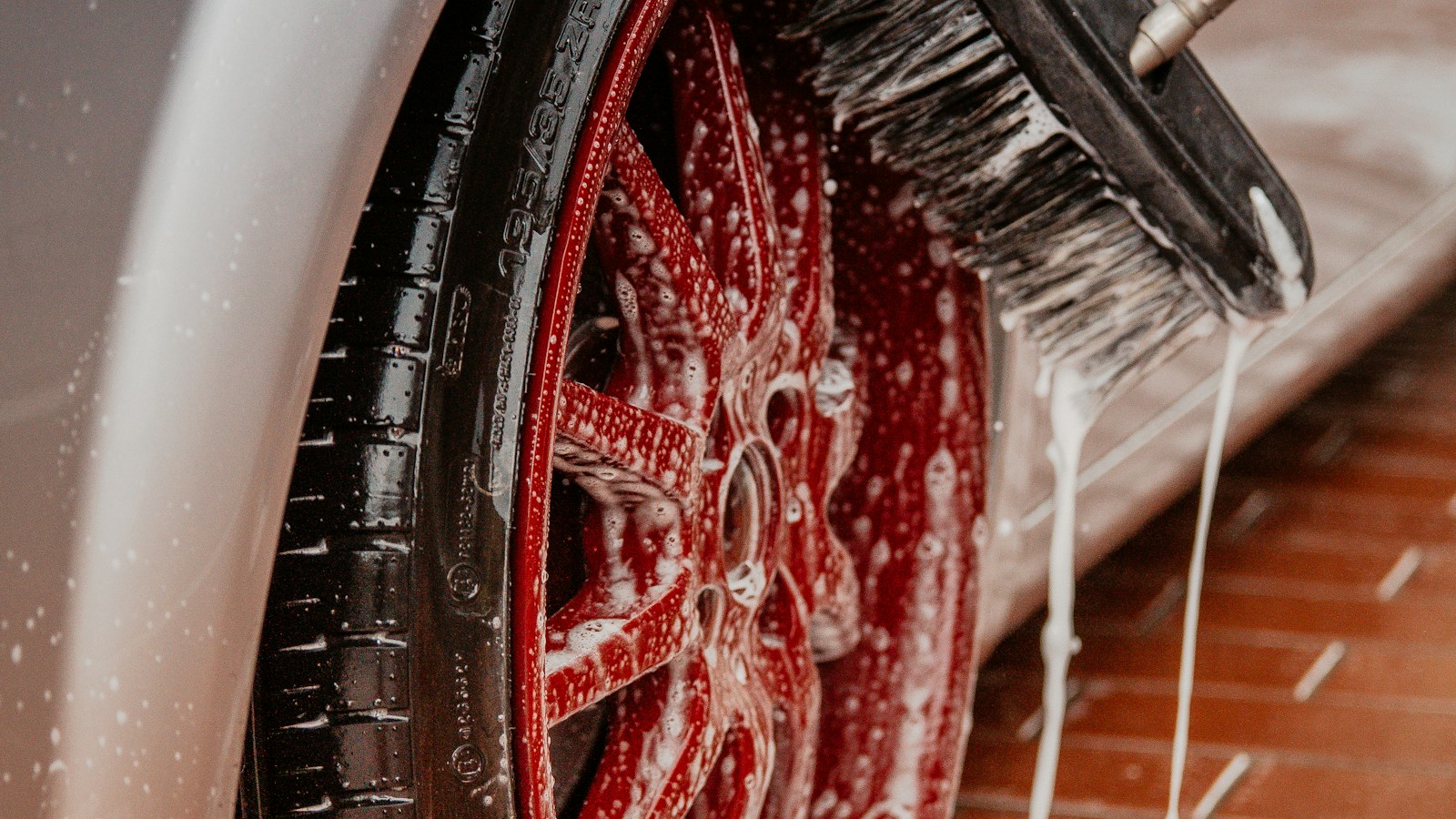
- Alkaline Degreasing Pre-Wash: Scrub trim with a stiff bristle brush and high-alkaline citrus degreaser to strip old silicone dressings and road grime.
- High-Pressure Pure Water Rinse: Thoroughly blast all plastic crevices to remove dislodged dirt and degreaser residues.
- Oxidation Scrubbing (Melamine Foam): On severely oxidized grey trim, gently scrub with an ultra-fine melamine foam pad lubricated with soapy water to remove chalky dead plastic layers.
- Deionised Final Rinse and Air Blowout: Rinse with pure zero-TDS water and blow dry all honeycomb grilles and weather seals completely using compressed air.
- Dual Isopropyl Alcohol Panel Wipe: Wipe all plastic surfaces twice with pure isopropyl alcohol to remove every trace of residual road film or body oils.
- Masking Adjacent Paintwork: Apply low-tack car masking tape along painted panel edges to prevent coating accidental transfer.
- Precision Applicator Coating: Saturate a lint-free foam or suede applicator and massage ceramic trim formula evenly into textured grains.
- Leveling Buff: After three to five minutes, lightly buff the surface with a short-nap microfibre towel to remove excess formula and establish a uniform satin finish.
Protecting Textured Plastics vs Smooth Matte Plastics.
Modern vehicles feature different types of exterior plastics requiring subtle application adjustments. Pebbled or textured polypropylene trim (common on ute wheel arches and side steps) possesses high surface porosity.
Textured plastics absorb ceramic coatings readily, often requiring two generous coats applied twenty minutes apart to satisfy the porous polymer matrix.
Smooth unpainted plastics (such as window pillar trims and gloss-free bumper inserts) have lower surface porosity. On smooth surfaces, apply the coating in thin, precise cross-hatch passes and level off at once within two minutes to prevent iridescent rainbow smearing.
Safe Work Australia Guidelines for Trim Degreasing Chemistry.
Restoring oxidized exterior trim requires heavy-duty chemical degreasers, solvent alcohol wipes. And strong silane resins. pro detailers adhere strictly to standards enforced by Safe Work Australia.
Heavy alkaline degreasers can cause chemical skin burns and eye damage if splashed. pros wear chemical-resistant nitrile gloves and full-seal safety goggles during the scrubbing phases.
Silane carrier solvents evaporate rapidly, releasing volatile organic vapours. Detailing bays must maintain adequate mechanical ventilation to protect pros from solvent inhalation.
Used applicator sponges and leveling towels saturated with ceramic resins must be soaked in water before disposal to eliminate exothermic spontaneous combustion risks.
Long-Term Trim upkeep and Washing Advice.
Once your vehicle's plastics are sealed with a ceramic coating, upkeep is remarkably simple. The non-stick water shedding surface prevents dirt from anchoring into the textured grains.
Wash your trim alongside your painted bodywork using the standard two-bucket method with a pH-neutral car wash shampoo. Avoid aggressive brush scrubbing, as gentle microfibre wiping is all that is required.
Never spray retail silicone dressings or aerosol tire shines over ceramic-coated trim. Silicone additives will merely attract dust and mask the pristine water shedding finish.
Every six to twelve months, wipe the trim down with a dedicated silica spray sealant to refresh water-beading power and maintain peak UV defence.
pro detailers also consult Transport for NSW tools safety standards to ensure all workshop procedures meet regional safety codes.
People Also Ask About ceramic coating on unpainted plastic trim.
Can you put ceramic coating on black plastic trim?.
Yes, dedicated trim ceramic coatings are formulated specifically for unpainted exterior black plastics. They penetrate porous polymers to restore deep black colour and provide multi-year UV and chemical protection.
Does ceramic coating permanently fix faded plastic?.
While no treatment lasts forever, a pro ceramic trim coating delivers the longest-lasting restoration available, typically lasting two to three years or longer before requiring re-application, vastly outlasting silicone dressings.
Is using a heat gun on faded trim safe?.
No, using a heat gun or blowtorch on faded plastic is destructive. While heat draws remaining natural oils to the surface for temporary colour, it depletes the plastic's internal oils, making it brittle and causing severe chalking months later.
Can you apply normal paint ceramic coating to plastic trim?.
Standard paint ceramic coatings can be applied to some plastics. But dedicated trim coatings are far superior. Trim coatings contain higher active solids and specialized carrier solvents engineered to penetrate porous plastics without leaving white chalky streaks.
Frequently Asked Questions on Exterior Plastic Care.
What causes black plastic car trim to turn grey?.
Black plastic turns grey primarily due to UV (UV) radiation from sunlight. UV rays break chemical bonds in the plastic, causing natural oils and plasticisers to evaporate, leaving behind a brittle, light-scattering white surface.
How long does ceramic coating take to dry on plastic trim?.
The coating dries to the touch within one to two hours. But requires twenty-four hours to cure before exposure to rain. Full chemical cross-linking and maximum hardness develop over seven days.
Can ceramic coating restore severely oxidized white plastic?.
Yes. But severely oxidized plastic must first be scrubbed with a fine melamine pad and degreaser to remove dead, chalky polymer flakes before applying the ceramic coating.
Will ceramic trim coating make my plastic look shiny or greasy?.
No, dedicated trim ceramic coatings restore a rich, factory-correct OEM satin black appearance. It is completely dry to the touch and contains zero sticky silicone oils.
Can I wash my car normally after coating the trim?.
Yes, after the initial seven-day curing period, wash the trim normally using pH-neutral car shampoo and soft microfibre wash mitts.
Long-Term Plastic Care for Regional Country Utes.
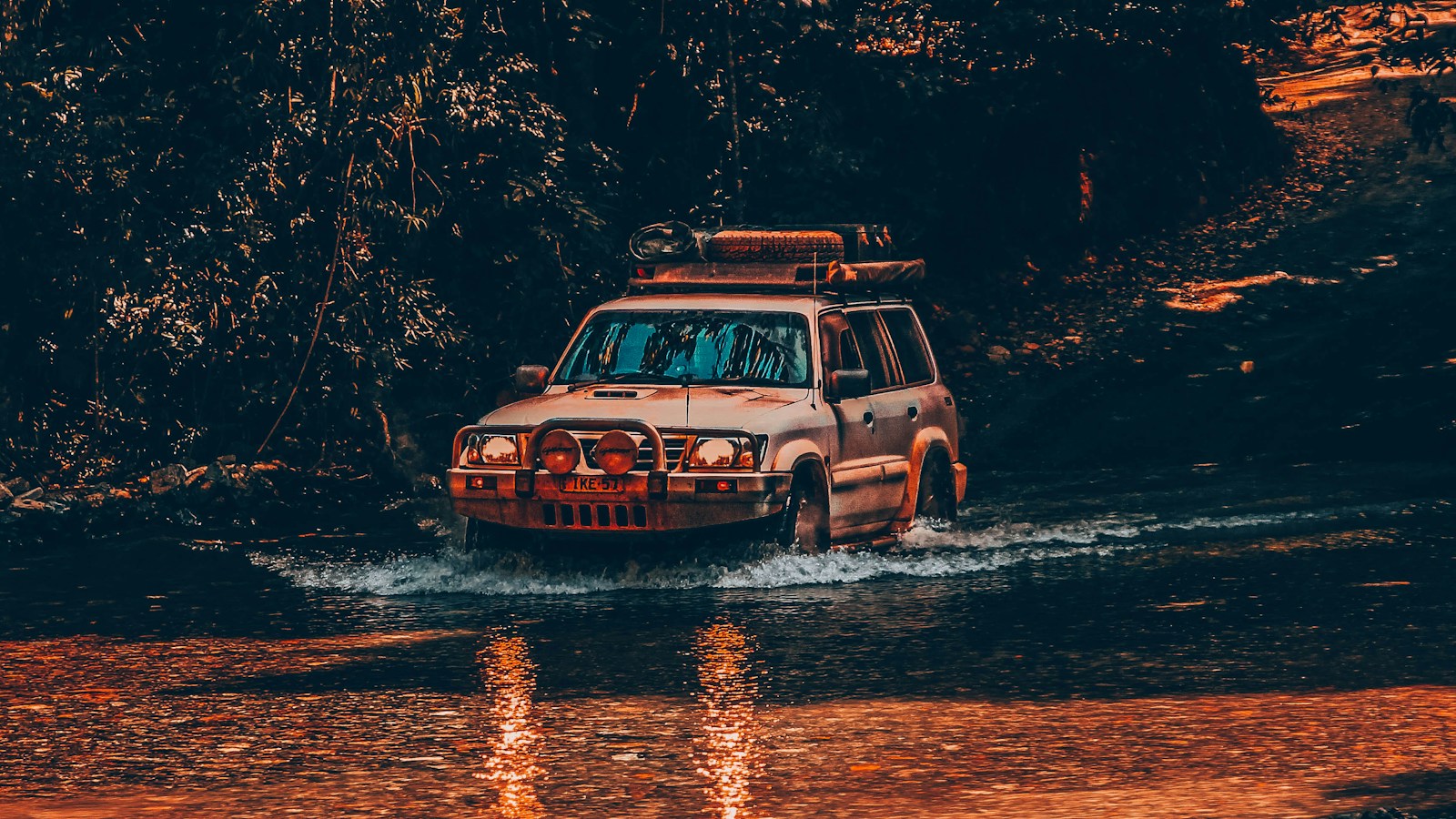
Dual-cab utes work hard on country farms. Plastic flares and bumper trims take a beating from dirt and sun every single day.
A good ceramic coat keeps plastic trim black and fresh. It stops ugly white chalking before it starts. The trim stays dark and rich with zero greasy dressings.
Wash your plastic trim with mild car soap and a soft cloth. Never spray cheap silicone dressings on the coated plastic. Clean plastic looks sharp and lasts for the life of your ute.
Drive safe on dirt roads. Love your car every day. Clean trim lasts for years. Strong sun won't hurt the black plastic. Heavy rain slips right off the flares. Thick mud can't stick to slick panels. Wash day is quick and fun. Rims stay bright in the sun. Black tyres look rich and clean. Safe care brings peace of mind.
Keep your ute clean. Rinse dirt with fresh water. Use soft towels. Dry panels with no streaks. Fast work brings peace of mind.
Clean plastics frame the whole truck. Black trim makes paint colours pop. Good care pays off on farm utes. Dark trim looks fresh for years. You save cash on new parts.
Wash off mud after bush runs. Wipe trim dry with a soft cloth. Never use harsh bleach or acid. Mild soap is all you need. Safe care keeps your rig in top shape.
Take pride in your ride. Park in the cool shade. Rinse off road dust with a hose. Dry with a clean towel. A clean ute brings true joy on every bush trip.
Dark flares guard your truck doors from flying rocks. Deep black bumpers look brand new. Clear coat stays safe from trail rub. Soft seals stay fresh and tight in the heat. Smart drivers keep their rigs clean and neat.
Rinse farm dirt off every week. Wash with gentle care. Dry with clean rags. Enjoy the open road with total peace of mind on every trip.
Clean trucks turn heads on the street. Black trim makes paint shine bright. Dirt drops away like water. Safe care saves time on wash day. You drive with pure joy and pride.
Conclusion: Restoring Contrast and Curb Appeal.
Exterior black plastic trim provides the vital visual contrast that frames your vehicle's styling. When allowed to fade into chalky grey, it undermines the appearance of even the cleanest vehicle.
Applying pro ceramic coating on unpainted plastic trim permanently breaks the cycle of temporary silicone dressings and rapid UV fading. It replenishes lost plasticisers and locks in rich satin colour under an impenetrable silica shield.
For motorists across Armidale and northern New South Wales, sealing your vehicle's plastics preserves showroom contrast, value. And pride of ownership in every season.