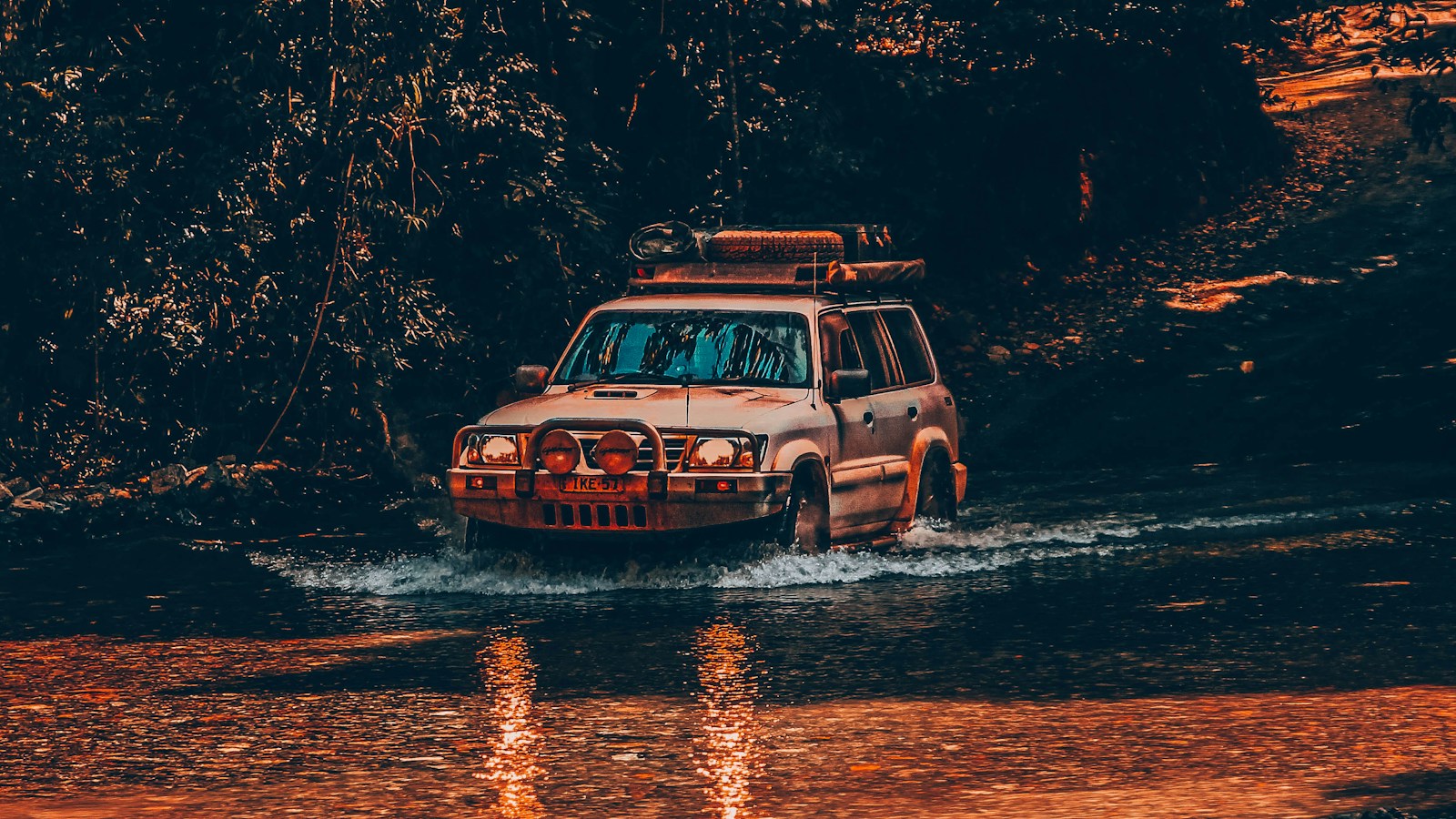
Australian four-wheel drive owners take immense pride in their vehicles, piloting them through punishing bush tracks, red desert sands. And rugged mountain terrains. When outdoor adventurers seek to defend their four-wheel drive against harsh outdoor destruction, applying pro ceramic coating for 4wd vehicles creates a resilient barrier against trail scratches, baked mud. And unsealed road dust. In regional areas such as Armidale and throughout the New England high country, 4WD utes and off-road wagons regularly encounter narrow bush tracks, cattle truck road film. And freezing winter frost. Understanding how high-lifespan nano-ceramic formulas protect clear coats on off-road rigs ensures your pride and joy remains in pristine condition no matter where adventure leads.
ceramic coating for 4wd vehicles is an ultra-durable, high-solid guard barrier formulated to resist off-road bush pin-striping, red dust staining. And coastal salt spray. Its slick 110-degree water shedding surface stops heavy clay mud from cementing to paintwork, cutting wash times from hours to minutes.
- The Harsh Realities of the Australian Bush: Pin-Stripes and Red Dust.
- How Ceramic Coatings Resist Bush Pin-Striping and Branch Friction.
- Effortless Mud Washability: Stopping Heavy Clay From Cementing.
- Coastal Sand Driving and Salt Spray Corrosion Defence.
- Protecting 4WD Accessories: Powder-Coated Bull Bars, Canopies. And Flares.
- Comparison Table: Unprotected Paint vs Standard Wax vs Heavy-Duty 4WD Ceramic.
- The 9-Step 4WD Ceramic Coating job Process.
- High-Altitude Armidale Hazards: Mountain Frost and Cattle Truck Film.
- Safe Work Australia Guidelines for Lifted 4WD Detailing Safety.
- Post-Trip Washing Rules: Cleaning Up After Weekend Adventures.
- People Also Ask About ceramic coating for 4wd vehicles.
- Frequently Asked Questions on Off-Road Vehicle Protection.
- Conclusion: Adventure-Ready Paint Protection for Every Track.
The Harsh Realities of the Australian Bush: Pin-Stripes and Red Dust.
Taking a modern four-wheel drive off the beaten track is one of the great Australian pastimes. However, modern 4WDs. such as Toyota LandCruisers, Hiluxes, Ford Rangers. And Isuzu D-Maxes. cost between sixty thousand and over one hundred and twenty thousand dollars.
Driving down overgrown regional fire trails exposes glossy factory paintwork to narrow scrub brush. Stiff eucalyptus branches, tea tree limbs. And acacia thorns scrape aggressively along vehicle flanks, carving unsightly "bush pin-stripes" into the clear coat.
Furthermore, regional exploration involves traversing unsealed tracks covered in fine, iron-rich red clay and basalt dust. This abrasive dust settles into every crevice, window sill. And panel gap.
When red dust is baked by burning Australian sunshine, iron minerals leach into soft clear coats, leaving permanent orange-red staining that standard car shampoo cannot remove.
Investing in pro heavy-duty ceramic coating for 4wd vehicles equips your rig with a sacrificial glass shield that resists branch abrasions and prevents mineral dust staining.
How Ceramic Coatings Resist Bush Pin-Striping and Branch Friction.
A major concern for off-roaders is whether ceramic coatings can genuinely prevent bush pin-striping. To understand the mechanism, one must examine friction coefficients and clear coat indentation physics.
When an overgrown tree branch drags across unprotected paint, friction catches the soft factory clear coat (rated at 2H to 3H pencil hardness). The branch gouges a physical trough into the clear coat, scattering light and creating a visible white pin-stripe.
A pro ceramic coating elevates surface hardness to verified 9H while imparting an exceptionally low coefficient of dynamic friction. The surface becomes super-slick liquid glass.
When light scrub branches brush against a ceramic-coated 4WD, they cannot gain mechanical traction on the paint. Instead of catching and gouging the clear coat, the branches glide effortlessly across the slick barrier.
While heavy, sharp logs with structural tree weight will still dent metal or gouge through any coating, common trail-side brush pin-striping is reduced by up to eighty percent.
Effortless Mud Washability: Stopping Heavy Clay From Cementing.
Anyone who has navigated wet tracks after rain knows the nightmare of cleaning baked clay mud. Australian red and black soil mud contains fine colloidal clays and organic silts that bond tenaciously to vehicle panels.
As the exhaust and transmission heat up the underbody and panels, the clay bakes dry. Trying to scrub dry clay off bare paintwork acts like sandpaper, inflicting severe swirl marks and micro-marring.
A ceramic coating imparts extreme water shedding water repellency, achieving water contact angles exceeding one hundred and ten degrees. The low surface energy prevents mud and clay from forming a mechanical bond with the clear coat.
Instead of cementing to the paint, mud rests loosely on top of the ceramic glass shield. When you return home from an off-road trip, ninety percent of caked mud blasts away effortlessly with a simple high-pressure water rinse.
You can wash an entire mud-encrusted four-wheel drive in under twenty minutes without aggressive sponge scrubbing, saving hours of weekend labour.
Coastal Sand Driving and Salt Spray Corrosion Defence.
Many Australian four-wheel drivers head to coastal beaches. such as Stockton Beach, Fraser Island. Or coastal NSW tracks. to drive on sand dunes. Beach driving subjects vehicles to strong ocean salt spray and abrasive quartz sand.
Fine sand particles blown by coastal winds scour vehicle paintwork. While atomised sea salt settles across body panels, roof racks. And door jambs. Salt and moisture trigger galvanic corrosion, oxidising paint and attacking bare metal hinges.
A cured ceramic coating forms an inorganic, non-porous barrier of silicon dioxide (SiO2) that is chemically impervious to salt corrosion across the pH 2 to pH 12 spectrum.
Salt spray cannot penetrate to the clear coat or metal substrates beneath. After a weekend on coastal sand, a thorough fresh-water rinse lifts all salt deposits completely clean, preserving your vehicle's resale value.
Protecting 4WD Accessories: Powder-Coated Bull Bars, Canopies. And Flares.
A true off-road rig is more than just painted metal. Australian four-wheel drives are fitted with steel or aluminium bull bars, fiberglass or aluminum ute canopies, extended wheel arch flares. And textured roof racks.
These accessories endure constant outdoor punishment. Black powder-coated bull bars oxidise rapidly under intense sun, turning chalky and grey. While crushed highway insect splatters bake into the metal.
pro detailers coat all exterior 4WD accessories with high-lifespan ceramic formulas. Powder-coated bull bars and brush rails regain deep, rich satin black appearance and become immune to insect acid etching.
Smooth painted canopies and wide plastic wheel arch flares are sealed, ensuring consistent water-beading power and UV defence across the entire rig.
Comparison Table: Unprotected Paint vs Standard Wax vs Heavy-Duty 4WD Ceramic.
The comparative data below outlines the practical differences across off-road operating conditions:
| power Feature. | Unprotected Factory 4WD. | old car Wax. | Heavy-Duty 4WD Ceramic Coating. |
|---|---|---|---|
| Bush Branch Scratch Defence. | Severe pin-striping into soft 2H clear. | Zero resistance. branches scrape wax off. | High slickness. deflects light brush. |
| Red Dust Staining Resistance. | High. red minerals bake into clear coat. | Poor. dust embeds into sticky wax. | Complete barrier. red dust rinses off. |
| Clay Mud Wash Effort. | Exhausting. requires heavy scrubbing. | Moderate. stripped by first mud wash. | Touchless high-pressure water rinse. |
| Salt Spray Corrosion Shield. | None. salt attacks paint & fasteners. | Temporary (2 to 4 weeks). | Permanent inorganic seal for 5+ years. |
| lifespan Under Hard Use. | Continuous clear coat degradation. | Melts at 60C under summer heat. | Withstands 400C heat & off-road grit. |
The 9-Step 4WD Ceramic Coating job Process.
Coating a large four-wheel drive requires heavy-duty prep and specialized workshop tooling:
- Chassis and Undercarriage High-Pressure Wash: Blast subframe rails, wheel arches. And suspension linkages with warm water to remove all embedded off-road dirt.
- Alkaline High-Foam Body Pre-Wash: Blanket vehicle in heavy citrus snow foam to dissolve traffic film, tree sap. And road oils.
- Chemical Iron Fallout cleaning: Treat wheels and lower panels with iron dissolver to eliminate embedded brake particles from heavy towing.
- Mechanical Clay cleaning: Clay bar all panels to remove bonded rail dust, tar splatters. And mineral tree resin.
- Multi-Stage Machine Paint Correction: Compound and polish panels using dual-action polishers to remove existing bush pin-stripes, wash swirls. And oxidation.
- Pure Isopropyl Alcohol Panel Wipe: Degrease all surfaces twice to strip residual buffing lubricants, leaving surgically clean clear coat.
- Heavy-Duty Base Ceramic Application: Apply high-solid 9H ceramic coating across body panels, flares. And bull bars in controlled cross-hatch strokes.
- water shedding Topcoat Layering: Apply secondary slick topcoat to maximize water contact angles and dirt-shedding capabilities.
- Infrared Thermal Lamp Curing: Bake all panels under short-wave infrared lamps at seventy degrees Celsius to lock in molecular bonds before track use.
High-Altitude Armidale Hazards: Mountain Frost and Cattle Truck Film.
Driving throughout the New England region exposes four-wheel drives to unique regional hazards. In Armidale, sub-zero winter heats coat parked 4WDs in thick sheets of white frost.
When frosted 4WDs head out onto unsealed gravel roads, the freezing moisture turns airborne dust into a thick grinding paste. A ceramic-coated vehicle sheds melted frost rapidly, keeping panels clean and dry.
Furthermore, regional highways frequently carry heavy livestock transport road trains. Livestock trucks aerosolize acidic effluent, cow urine. And road grime into a corrosive spray that coats following vehicles.
This biological effluent eats into bare clear coats in days, causing permanent cloudy etching. A chemical-resistant ceramic coating blocks biological acids completely, allowing easy touchless wash removal.
Safe Work Australia Guidelines for Lifted 4WD Detailing Safety.
Detailing lifted four-wheel drives fitted with suspension lifts, roof-top tents. And oversized tyres presents specific workplace hazards governed by Safe Work Australia.
pros working on raised vehicle roofs must use compliant work platforms and scaffolding conforming to AS/NZS 1892 standards to prevent falls from height. Standing on vehicle tyres or door sills is strictly prohibited.
When operating high-pressure water blasters on heavy clay underbodies, operators wear face shields, heavy rubber aprons. And steel-capped safety boots to prevent high-pressure water injection injuries.
Adequate eye protection complies with AS/NZS 1337.1 to shield eyes from flying gravel and dislodged rock debris during chassis wash downs.
Post-Trip Washing Rules: Cleaning Up After Weekend Adventures.
Maintaining your coated 4WD after a weekend in the bush is straightforward when following basic guidelines:
Never take a mud-caked 4WD through an automated brush wash. The heavy rotating nylon bristles will grab coarse sand and drag it across your paintwork, inflicting catastrophic scratches.
Always pre-rinse the vehicle thoroughly with a pressure washer to knock off heavy mud cakes before touching the paint with a wash mitt. Use the two-bucket method with grit guards and a pH-neutral car shampoo.
After washing, blow dry the vehicle using filtered warm air to prevent water pooling in roof rack brackets and snorkel joints. Apply a silica booster spray every few months to keep water roll-off speeds at peak power.
pro detailers also consult Transport for NSW off-road vehicle standards to ensure all workshop procedures meet regional safety codes.
People Also Ask About ceramic coating for 4wd vehicles.
Is ceramic coating worth it on a 4WD?.
Yes, ceramic coating is one of the most practical investments for a 4WD. It prevents minor bush pin-striping, stops red dirt from staining clear coats, protects against coastal salt corrosion. And cuts mud cleaning time by more than half.
Does ceramic coating stop bush pin-stripes?.
Ceramic coatings much reduce light bush pin-stripes caused by flexible scrub and grass by creating an ultra-slick, low-friction surface that branches glide over. However, heavy, rigid tree limbs with physical force can still gouge paint.
Can ceramic coating be applied to powder-coated bull bars and canopies?.
Yes, pro ceramic coatings bond exceptionally well to powder-coated steel and aluminium bull bars, roof racks. And canopies, preventing UV fading and making bug removal effortless.
How long does ceramic coating last on an off-road vehicle?.
A high-quality, professionally installed ceramic coating on an active 4WD typically lasts three to five years, depending on the severity of off-road use, washing frequency. And upkeep care.
Frequently Asked Questions on Off-Road Vehicle Protection.
Can red dirt stain ceramic coated paint?.
No, the dense, non-porous silica glass barrier prevents red dirt minerals and iron oxides from penetrating into the clear coat. Red dust washes off easily with high-pressure water and pH-neutral soap.
Should I ceramic coat or PPF my 4WD?.
The ideal strategy is combining both: install Paint Protection Film (PPF) on high-impact frontal zones (front bumper, bonnet. And mirror caps) to stop stone chips. And apply ceramic coating across the entire vehicle to resist scratches, mud. And UV rays.
Can ceramic coating be applied over snorkel and plastic flares?.
Yes, specialized trim ceramic coatings protect snorkels, plastic wheel arch flares. And side steps from chalking and fading under intense Australian sunlight.
How soon after coating can I take my 4WD off-road?.
If cured with short-wave infrared heat lamps, the vehicle can be driven at once. But avoid exposing it to heavy mud or washing it with soap for seven days to allow full chemical cross-linking.
Will pressure washers damage my ceramic coating?.
No, high-pressure washers will not damage cured ceramic coatings when kept at a safe distance (thirty centimetres). In fact, high-pressure rinsing is the recommended touchless method for removing caked mud.
Easy 4WD Cleaning After Big Weekend Bush Trips.
Coming home from a weekend in the bush is great. But cleaning caked clay mud off your 4WD can take all Sunday afternoon.
A slick ceramic coat cuts your wash time in half. Heavy clay mud cannot stick to the glass-like shell. Most of the mud blasts off with a simple pressure wash.
A quick foam wash leaves your paint bright and clean. You spend less time scrubbing and more time planning your next off-road trip.
Drive safe on dirt roads. Love your car every day. Clean 4WDs last for years. Strong heat won't hurt the coat. Mud can't stick to slick panels. Wash day is quick and fun. Alloy rims stay bright in the sun. Black tyres look rich and clean. Safe care brings peace of mind.
Keep your rig clean. Rinse dirt with fresh water. Use soft towels. Dry panels with no streaks. Fast work brings peace of mind.
Clean 4WDs turn heads on the street. Mud rolls off like water. Tough clear coat stops bush marks. Good care keeps your rig strong for years. You drive with pure pride on every track.
Take pride in your ride. Park in the cool shade. Rinse off road dust with a hose. Dry with a clean towel. A clean rig brings true joy on every bush trip.
Clean paint stays tough. Salt spray slips right off. Mud drops away with zero scrub. You save time on wash day. You hit the tracks with true joy and power.
Clean rigs run fast. Red dust wipes right off with no marks. Bush branches slide by with no scratches. You enjoy the wild tracks with zero stress.
Conclusion: Adventure-Ready Paint Protection for Every Track.
Exploring the rugged landscapes of Australia should be filled with excitement, not anxiety over damaging your vehicle's costly paintwork.
By investing in pro ceramic coating for 4wd vehicles, you equip your rig with an invisible, rock-hard shield that deflects trail branches, sheds heavy mud. And seals out corrosive red dust and coastal salt.
Whether tackling regional tracks around Armidale or embarking on a cross-country desert expedition, heavy-duty ceramic protection keeps your four-wheel drive looking rugged, clean. And ready for the next adventure.