Modern power vehicles and daily drivers alike generate immense amounts of corrosive brake dust that quickly degrades alloy wheel surfaces. When seeking long-term protection for costly factory or aftermarket rims, discovering the real ceramic wheel coating benefits provides car owners with an effective defence against sintered metallic debris and high-heat oxidation. Across regional New South Wales, including Armidale and the New England Tablelands, alloy wheels face extreme road grit, mud. And agricultural debris that bake onto wheels during long country drives. Understanding how ceramic wheel formulas bond to rim barrels and calipers helps motorists maintain pristine wheels with minimal cleaning effort.
ceramic wheel coating benefits include extreme thermal resistance up to 800C, barrier protection against corrosive sintered metallic brake dust. And intense water shedding repelling. By bonding a glass-hard SiO2 shell to alloy faces, inner barrels. And brake calipers, it prevents pit corrosion and makes wheel cleaning fast using only pH-neutral shampoo.
- The Destructive Nature of Sintered Metallic Brake Dust.
- Thermal Stability: Why Wheels Need Specialist 800C Formulas.
- Inner Barrel and Brake Caliper Protection: Wheels-Off Detailing.
- Acid Resistance: Eliminating Harsh Wheel Cleaners.
- water shedding Self-Cleaning: Repelling Dirt on Regional Roads.
- Comparison Table: Wheel Wax, Polymer Sealants. And Ceramic Coating.
- The 9-Step pro Wheels-Off Ceramic Coating Checklist.
- Long-Term upkeep: Safe Wheel Washing Protocols.
- NSW EPA Water Safety: Keeping Runoff Free from Toxic Acids.
- Regional Hazards: Armidale Winter Frost and Country Road Tar.
- People Also Ask About ceramic wheel coating benefits.
- Frequently Asked Questions on Wheel Ceramic Protection.
- Conclusion: Protecting Your Wheel Investment for the Long Haul.
The Destructive Nature of Sintered Metallic Brake Dust.
Every time you press your vehicle's brake pedal, semi-metallic or ceramic brake pads clamp against cast iron or carbon composite brake rotors. This intense friction creates heats exceeding five hundred degrees Celsius at the pad-rotor interface.
This extreme heat shears tiny flakes of hot cast iron rotor material and shredded pad binding resin. These glowing hot metallic particles are propelled outward onto your alloy wheels. a process known in engineering as "sintering."
When glowing metallic shards strike bare alloy wheel clear coat, they melt directly into the clear coat layer. As the particles cool, they anchor themselves permanently within the clear coat matrix.
Exposed to rain, road moisture. And oxygen, these embedded iron flakes at once begin to oxidise. As iron rusts, it expands up to four times its original volume, fracturing surrounding clear coat and creating micro-craters.
Over months of unsealed driving, this chemical reaction causes pitting, dullness. And permanent yellow-orange rust staining that permanently ruins alloy wheel finishes.
Investing in pro specialist ceramic wheel coating shields rims from hot sintered brake dust, keeping factory clear coats pristine.
Thermal Stability: Why Wheels Need Specialist 800C Formulas.
A frequent mistake made by amateur detailers is applying standard paint ceramic coatings or synthetic waxes to alloy wheels. Standard car paint coatings are formulated to withstand heats up to one hundred and fifty degrees Celsius.
While that is sufficient for vehicle bonnets and body panels, it is entirely inadequate for wheels. Heavy braking down winding country descents or mountain roads can heat wheel hubs and rims well beyond two hundred and fifty degrees Celsius.
Under these thermal extremes, organic waxes melt and evaporate in minutes. While standard paint sealants breakdown within weeks. Dedicated wheel coatings are engineered with dense inorganic silica resin matrices capable of withstanding heats exceeding eight hundred degrees Celsius.
This great thermal stability ensures the coating remains rock-hard and tight, even during aggressive track driving or prolonged heavy towing down steep tableland hills.
Because the coating does not soften under heat, glowing brake dust particles cannot melt into the surface. Instead, they bounce harmlessly off the glass barrier.
Inner Barrel and Brake Caliper Protection: Wheels-Off Detailing.
Most car washes only clean the outer spoke faces of a wheel, leaving the deep inner barrels completely neglected. Over time, thick cakes of baked brake dust, road tar. And gravel sludge accumulate inside the barrel.
In high-end detailing workshops, pros perform a full "wheels-off" detailing service. The vehicle is safely hoisted on hydraulic lifts. And each wheel is removed to allow complete 360-degree access.
The inner barrel, spoke reverse channels, valve stems. And painted brake calipers are chemically cleaned, machine polished. And sealed with high-heat ceramic coating.
Protecting brake calipers prevents the vibrant factory gloss paint (such as Brembo red, gold. Or acid green) from turning dull, chalky. And blackened by brake dust.
Coating inner barrels also prevents corrosive road grime from unbalancing wheels. Thick mud and sintered iron buildup inside barrels can cause highway-speed wheel vibrations.
Acid Resistance: Eliminating Harsh Wheel Cleaners.
Unprotected alloy wheels plagued by baked-on brake dust often force owners to rely on aggressive, acid-based wheel cleaners containing hydrofluoric or phosphoric acid. While acids dissolve iron buildup, they inflict serious long-term damage.
Acidic cleaners erode wheel clear coats, etch polished aluminium lips, stain chrome lug nuts. And oxidise raw brake rotor hats. Furthermore, acidic runoff seeping into brake caliper seals can degrade rubber dust boots.
One of the premier ceramic wheel coating benefits is that it renders harsh acidic wheel cleaners obsolete. The ultra-slick, low-surface-energy ceramic layer prevents brake dust from forming a mechanical bond with the wheel.
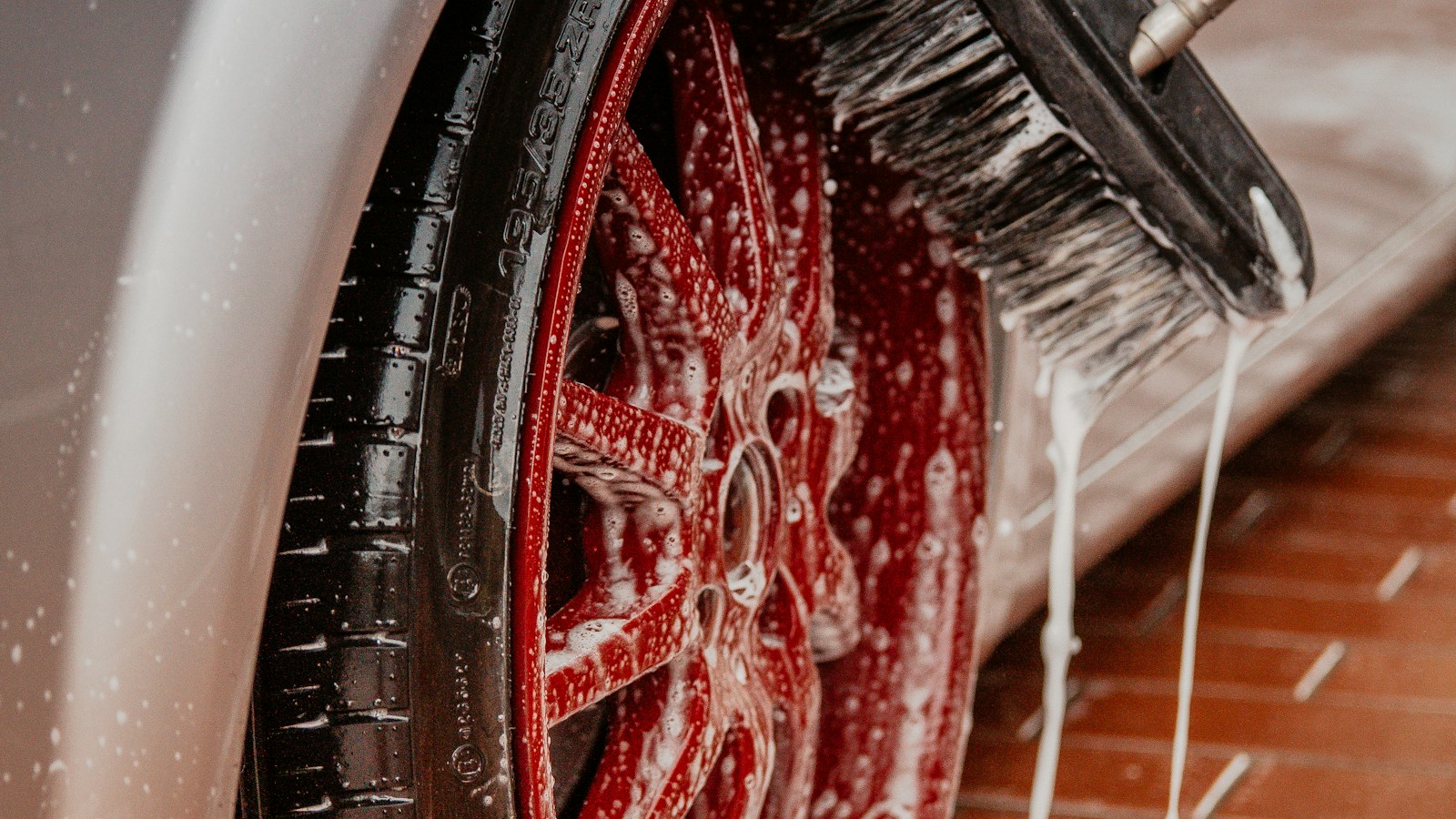
Because brake dust simply sits suspended on the ceramic glass shield, it rinses off effortlessly using nothing more than a high-pressure water jet and mild, pH-neutral car wash shampoo.
Eliminating aggressive chemicals protects wheel clear coats, brake components. And workshop hardware from premature corrosion.
water shedding Self-Cleaning: Repelling Dirt on Regional Roads.
Ceramic coatings impart extreme water shedding water repellency, achieving water contact angles exceeding one hundred and five degrees. When water strikes a coated wheel, it beads into tight, nearly spherical droplets.
As the wheel rotates at highway speeds, centrifugal force flings these beaded water droplets outward. The rolling droplets encapsulate loose road dust, gravel silt. And light brake soot, carrying them off the wheel naturally.
This water shedding self-cleaning effect keeps coated wheels looking noticeably cleaner between routine upkeep washes, even after driving through wet, dirty conditions.
Furthermore, the super-slick surface drastically reduces the time required to wash wheels. Detailers and car owners can clean all four wheels in under ten minutes without aggressive scrubbing.
The smooth surface also prevents road bitumen splatters and organic tree resins from cementing themselves to rim faces.
Comparison Table: Wheel Wax, Polymer Sealants. And Ceramic Coating.
Comparing wheel protection options highlights the distinct advantages of high-heat ceramic coatings:
| power factor. | car Wheel Wax. | Polymer Spray Sealant. | High-Temp Ceramic Wheel Coating. |
|---|---|---|---|
| Maximum heat Limit. | 60C to 80C (melts during driving). | 120C to 150C (breaks down quickly). | 750C to 850C (extreme heat stability). |
| Chemical Resistance Range. | pH 6 to pH 8 (stripped by soaps). | pH 4 to pH 10 (moderate lifespan). | pH 2 to pH 13 (acid and alkaline immune). |
| lifespan Lifespan. | 2 to 4 weeks under daily driving. | 2 to 3 months. | 2 to 3+ years verified protection. |
| Sintered Dust Prevention. | None. hot iron melts into wax. | Minimal protection against hot particles. | Complete barrier. rejects hot iron flakes. |
| Cleaning Effort Required. | High. requires agitation and cleaners. | Moderate. requires dedicated mitts. | Extremely low. touchless pressure rinse. |
The 9-Step pro Wheels-Off Ceramic Coating Checklist.
Achieving multi-year lifespan on alloy wheels requires an exacting nine-step prep and application protocol:
- Vehicle Lift and Torque Audit: Safely elevate vehicle using designated chassis jack points, loosen lug nuts. And remove all four wheels.
- High-Pressure Degreasing Pre-Rinse: Blast outer faces and inner barrels with high-pressure warm water to dislodge loose gravel, mud. And road film.
- Chemical Iron cleaning: Soak wheels in a pH-neutral reactive iron remover, allowing chemistry to turn deep purple as it dissolves embedded brake dust.
- Citrus Tar and Bitumen Removal: Dissolve stubborn road tar splatters and adhesive wheel weight residues using specialised car solvent removers.
- Full Barrel and Caliper Hand Agitation: Agitate crevices, lug nut recesses, spoke backs. And brake calipers using non-scratch barrel brushes and ultra-soft horsehair detailing brushes.
- Machine buffing Clear Coats: Polish spoke faces and inner barrels with micro-rotary polishers and finishing pads to eliminate minor wash swirls and maximise gloss.
- Solvent Degreasing Panel Wipe: Thoroughly wipe every surface with pure isopropyl alcohol to remove all buffing oils, leaving raw clear coat.
- High-Temp Ceramic Application: Apply high-heat ceramic coating uniformly across spokes, inner barrels, centre caps. And brake calipers using suede applicators.
- Short-Wave Infrared Heat Curing: Bake coated wheels under infrared heat lamps at seventy degrees Celsius for twenty minutes to achieve rapid molecular cross-linking.
Long-Term upkeep: Safe Wheel Washing Protocols.
Even with a premium ceramic coating, washing technique matters. To ensure maximum longevity and prevent unnecessary marring, follow proper wheel upkeep practices.
Always allow wheels and brake components to cool completely before washing. Spraying cold water onto boiling-hot brake rotors can cause rotor warping and thermal shock cracking.
Use a dedicated wheel wash bucket separate from your paint wash bucket. Wheel grime contains abrasive metallic particles. dipping your paint wash mitt into wheel wash water introduces severe swirl risks to your bodywork.
Rinse wheels thoroughly with a pressure washer first to remove ninety percent of loose brake dust. Then, use a soft microfibre wheel mitt soaked in pH-neutral car wash soap to wipe spokes gently.
Dry wheels with a dedicated microfibre drying towel or filtered warm air blower to prevent mineral water spotting from hard tap water.
NSW EPA Water Safety: Keeping Runoff Free from Toxic Acids.
Applying ceramic coatings to wheels delivers significant outdoor benefits. In New South Wales, vehicle washing runoff is regulated under outdoor protection guidelines managed by the NSW space Protection Authority (EPA).
Commercial acid wheel cleaners contain hazardous chemical compounds that threaten aquatic ecosystems if allowed to enter storm drains untreated. Stormwater drains discharge directly into local creeks, rivers. And wetlands without filtration.
By sealing wheels with a ceramic coating, vehicle owners eliminate the need for toxic acid-based cleansers entirely. Rims wash clean using standard biodegradable shampoos or pure water.
pro detailing workshops also use wastewater collection pits, oil-water separators. And water recycling systems to ensure wash effluent complies with strict municipal outdoor standards.
Regional Hazards: Armidale Winter Frost and Country Road Tar.
Driving throughout the New England region subjects vehicle wheels to unique regional stresses. During Armidale winters, sub-zero overnight heats freeze moisture on roads, leading to road salting and chemical anti-icing treatments.
Corrosive anti-icing salts seep into unprotected wheel spoke crevices, accelerating galvanic corrosion between steel lug studs and aluminium wheel hubs. A ceramic coating creates an tight seal against salt corrosion.
In summer, regional highway resurfacing projects leave fresh bitumen spray and road tar across country lanes. Tar splatters stick tenaciously to unsealed alloy, baking on under hot exhaust and brake heat.
A ceramic-coated wheel repels road bitumen effortlessly. Tar splatters wipe away cleanly without aggressive scraping or abrasive scrubbing, preserving pristine wheel aesthetics.
pro detailers also consult Safe Work Australia PPE standards to ensure all workshop procedures meet regional safety codes.
People Also Ask About ceramic wheel coating benefits.
Is it worth ceramic coating car wheels?.
Yes, ceramic coating wheels is one of the most cost-effective detailing upgrades available. It prevents permanent brake dust pitting, stops corrosive road salts. And reduces wheel washing time from thirty minutes to under five minutes per wash.
Does ceramic wheel coating stop brake dust?.
Ceramic wheel coating does not stop brake pads from producing dust during braking. But it stops brake dust from sticking or melting into the wheel's clear coat. Dust washes off effortlessly with a light pressure rinse.
Can ceramic coating be applied to matte or satin finish wheels?.
Yes, dedicated matte ceramic coatings protect satin and matte alloy wheels without adding unwanted gloss or shine, preserving the original factory look while delivering complete chemical and brake dust defence.
How long does ceramic coating last on alloy rims?.
A professionally applied, high-heat ceramic wheel coating typically lasts two to three years or longer, depending on annual mileage, driving habits. And upkeep wash frequency.
Frequently Asked Questions on Wheel Ceramic Protection.
Can I ceramic coat diamond-cut or polished aluminium wheels?.
Yes, ceramic coatings bond exceptionally well to diamond-cut, clear-coated. And bare polished aluminium wheels. Coating diamond-cut wheels is particularly advantageous because it prevents the dreaded "white worm" corrosion beneath the clear coat.
Do I have to remove the wheels from the car to coat them?.
While faces can be coated on the car, a "wheels-off" service is strongly recommended. Removing the wheels ensures thorough cleaning, machine buffing. And coating of the inner barrels, spoke rears. And brake calipers.
Can I use wheel acid on ceramic coated wheels?.
No, there is no need to use acid cleaners on coated wheels. And doing so can slowly degrade the coating over time. Always use gentle, pH-neutral car wash soaps and soft microfibre wash mitts.
Will ceramic coating prevent curb rash?.
No, ceramic coatings do not protect against physical curb impacts, heavy gouging. Or abrasive scraping against concrete gutters. It is a chemical and heat barrier, not an impact armor.
How soon after coating can I drive the car?.
If wheels are cured with short-wave infrared heat lamps, the car can be driven at once after re-job. For air-cured coatings, allow at least twenty-four hours before exposing wheels to wet driving conditions.
Fast and Easy Wheel Cleaning on Weekend Mornings.
No one likes spending an hour scrubbing dirty car wheels. Hot brake dust turns silver rims into an ugly brown mess in days. It is hard work to scrub clean.
A ceramic wheel coat changes all that. Hot dust cannot stick to the slick glass coat. Most of the dirt rinses off with a simple hose spray.
A quick wipe with soapy water leaves your rims bright and clean. You can finish all four wheels in under five minutes. That leaves you more time to enjoy your weekend.
Clean wheels make your whole car look sharp and fresh. It is one of the best upgrades you can give your pride and joy.
Rims shine bright in the sun. Clean alloy turns heads on the street. Wash day is quick and fun.
Drive safe on dirt roads. Love your car every day. Clean rims last for years. Strong heat won't hurt the coat. Mud can't stick to slick rims. Wash day is quick and fun. Alloy rims stay bright in the sun. Black tyres look rich and clean. Safe care brings peace of mind.
Defending Your Wheels from Mud and Farm Track Acids.
Country roads in northern New South Wales are full of rural hazards. Wet farm tracks throw up thick clay mud and acidic cow manure onto your rims.
Old manure and road salts eat into raw alloy clear coat fast. They cause ugly white rust spots under the paint that cannot be polished out.
A tough ceramic layer blocks manure acids completely. Mud and manure wash right off with plain water. Your alloy rims stay bright, clean. And rust free for years.
Drive through muddy paddocks with no stress. Tough ceramic glass stops manure burn. A quick hose off leaves your wheels spotless.
Keep your wheels clean and safe. Strong rims last the life of your truck. Good care pays off on every country mile.
Rinse dirt with fresh water. Use soft towels. Dry rims with no spots. Fast work brings peace of mind.
Conclusion: Protecting Your Wheel Investment for the Long Haul.
Alloy wheels represent both a major financial investment and a defining styling element of any modern vehicle. Yet, their close proximity to boiling brake rotors leaves them vulnerable to severe chemical etching and sintered iron destruction.
Capitalising on the proven ceramic wheel coating benefits. from 800C heat tolerance and acid immunity to effortless upkeep washing. ensures your rims remain in showroom condition for years.
Whether navigating rural New England highways or city commutes, pro wheel ceramic protection preserves the appearance, value. And structural integrity of your vehicle's wheels.