Driving safely during torrential Australian downpours demands crystal-clear optical clarity through your vehicle's front glass. When motorists search for superior wet-weather visibility, applying a pro ceramic glass coating windscreen treatment delivers unmatched water repellency that keeps rain, road grime. And morning frost from blinding drivers. In regional areas such as Armidale and throughout the New England Tablelands, unpredictable mountain weather, dense fog. And sub-zero winter mornings present continuous driving challenges. Understanding how ceramic glass formulas chemically cross-link with silica glass surfaces enables drivers to travel with heightened safety and confidence.
ceramic glass coating windscreen application is a high-lifespan water shedding treatment that chemically bonds silicon dioxide molecules to car glass. It creates an extreme water-repelling barrier with a 115-degree contact angle, causing rainwater to bead and fly off at 60 km/h, cutting night glare and stopping wiper judder.
- The Physics of Wet-Weather Vision: Light Distortion and Hydrophobics.
- Chemical Bonding to Silica Glass: True Ceramics vs Silicone Rain Sprays.
- Preventing Wiper Judder and Chatter: Surface Tension and Friction.
- Night Driving Safety: Slashing Oncoming Headlight Glare.
- Sub-Zero Frost and Ice Repellency: Armidale Winter power.
- Comparison Table: Bare Glass, Retail Rain Repellent. And Ceramic Glass Coating.
- The 8-Step Windscreen prep and Coating Protocol.
- Extending Windscreen Wiper Blade Life: Reducing Abrasive Friction.
- Transport for NSW Road Safety: Driver Visibility Standards.
- Safe Work Australia Guidelines for Glass buffing Chemistry.
- People Also Ask About ceramic glass coating windscreen.
- Frequently Asked Questions on Windscreen Ceramic Treatments.
- Conclusion: Crystal-Clear Vision for Every Australian Highway.
The Physics of Wet-Weather Vision: Light Distortion and Hydrophobics.
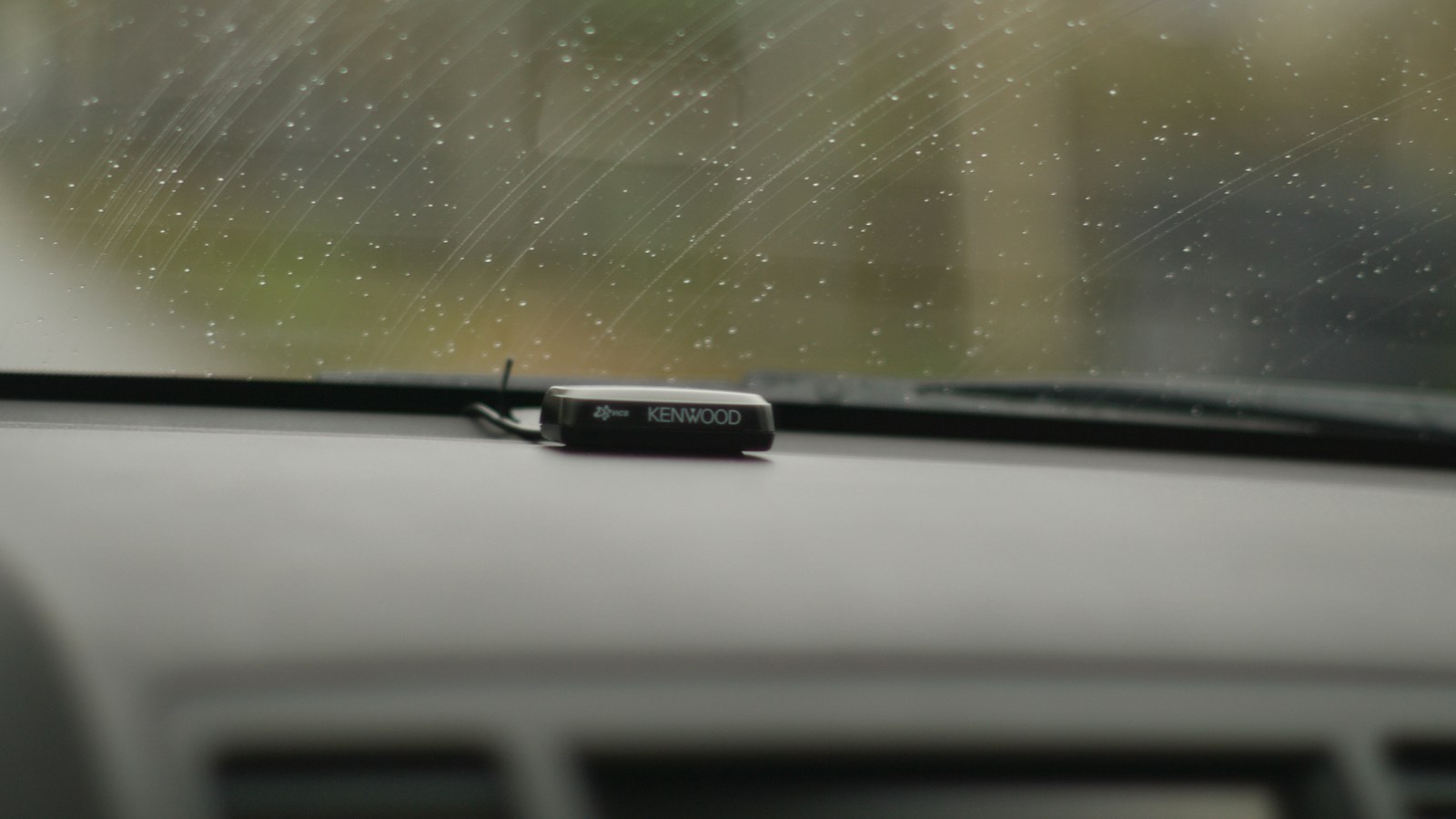
When rain strikes an untreated car windscreen, water does not bead up neatly. Instead, surface tension causes rainwater to flatten out into an irregular, uneven liquid film across the glass.
This uneven water sheet acts as an unpredictable optical lens. As oncoming headlight beams, streetlights. And traffic signals pass through this distorted liquid layer, light rays bend irregularly in every direction.
This optical light bending creates blinding glare, optical halos. And severe visual distortion that delays driver reaction times. In heavy rain, drivers struggle to identify lane markings, pedestrians. And braking vehicles ahead.
Applying a specialized ceramic glass coating windscreen treatment alters the surface energy of the glass at root. The coating elevates the water contact angle from a sluggish sixty degrees to an extraordinary one hundred and fifteen degrees.
At this extreme contact angle, water can no longer flatten into a continuous film. Instead, raindrops form tight, nearly spherical beads that rest lightly on tiny surface peaks.
To skill ultimate driving safety in heavy rain, booking a pro premium ceramic glass windscreen treatment transforms wet-weather driving into an effortless skill.
Chemical Bonding to Silica Glass: True Ceramics vs Silicone Rain Sprays.
Motorists frequently ask how commercial ceramic glass coatings differ from cheap spray-on rain repellents sold at service stations. The difference lies in molecular chemical bonding.
Retail rain repellent sprays use silicone oils, fluoropolymers. Or paraffin waxes. These organic compounds merely sit on top of the glass via weak van der Waals forces, forming a temporary surface film.
Because these retail sprays lack chemical bonding, wiper blades physically scrape the soft silicone layer off the glass within two to four weeks. As the coating breaks down, it smears into a greasy, cloudy film when wipers operate.
A true ceramic glass coating uses functionalized fluorinated silanes and liquid silicon dioxide (SiO2) dissolved in fast-flashing alcohol solvents. When applied to surgically clean glass, silane molecules undergo a chemical condensation reaction with the silica in the glass.
This reaction forms permanent covalent siloxane (Si-O-Si) chemical bonds. The ceramic coating does not merely sit on the glass. it becomes an integral part of the glass surface itself.
This covalent chemical bond withstands continuous mechanical wiper blade abrasion, harsh washer fluid solvents. And intense solar UV exposure for up to two years.
Preventing Wiper Judder and Chatter: Surface Tension and Friction.
One common complaint associated with low-quality rain repellents is wiper judder or "chatter." Judder occurs when a rubber wiper blade skips and bounces across the windscreen, creating annoying squeaking noises and streaking.
Judder is caused by uneven surface friction. Soft silicone sprays create high friction coefficients in some areas and low friction in others, catching the edge of the rubber squeegee.
pro ceramic glass coatings include fluorocarbon nanoparticles that create an ultra-low, perfectly uniform coefficient of dynamic friction across the entire glass surface.
When paired with clean, pliable wiper blades, the rubber squeegee glides smoothly and silently across the glass. Detailers also clean and treat the rubber wiper blades themselves to eliminate dry spots.
The result is whisper-quiet wiper work with zero blade skipping, judder. Or streaky wiping arcs.
Night Driving Safety: Slashing Oncoming Headlight Glare.
Night driving during rainstorms is universally recognized as one of the most hazardous driving conditions in Australia. Modern LED and high-intensity discharge (HID) headlights on oncoming vehicles emit intense blue-white light.
When this harsh light strikes an untreated, rain-smeared windscreen covered in road traffic film, the light scatters across the cabin, momentarily blinding the driver.
Because a ceramic glass coating forces rainwater into tight spheres, wind rushing over the windscreen at speeds above sixty kilometres per hour effortlessly blows droplets upward off the glass.
At highway speeds, the aerodynamic roll-off is so efficient that drivers frequently do not even need to activate their windscreen wipers. The glass remains optically clear and transparent.
Furthermore, the ultra-smooth ceramic matrix prevents oily road traffic film from adhering to the glass, eliminating the greasy haze that exacerbates night-time headlight glare.
Sub-Zero Frost and Ice Repellency: Armidale Winter power.
In high-altitude regional locations like Armidale. There elevations exceed one thousand metres, winter mornings bring freezing heats down to minus six degrees Celsius and thick frost sheets.
On bare car glass, morning dew settles into tiny glass pores. When the heat drops below freezing, the water freezes inside the pores, bonding ice tenaciously to the windscreen.
Motorists often spend ten to fifteen minutes scraping at stubborn ice with plastic scrapers, risking scratched glass and freezing fingers. On a ceramic-coated windscreen, the low surface energy prevents ice from anchoring into the glass pores.
Because the ice cannot form a mechanical bond, frost scrapes off effortlessly in seconds with minimal pressure. In many cases, simply turning on the vehicle's defroster allows the entire sheet of frost to slide off cleanly.
The coating also repels freezing rain, sleet. And muddy slush tossed up by trucks on regional highways.
Comparison Table: Bare Glass, Retail Rain Repellent. And Ceramic Glass Coating.
The table below summarizes power differences between factory glass, retail sprays. And commercial ceramic glass coatings:
| power Metric. | Untreated Factory Glass. | Retail Silicone Rain Spray. | pro Ceramic Glass Coating. |
|---|---|---|---|
| Water Contact Angle. | 45 to 60 degrees (sheeting water). | 90 to 100 degrees (initial beading). | 110 to 118 degrees (extreme round beading). |
| Aerodynamic Roll-Off Speed. | Does not roll off. stays sheeted. | 80 km/h to 90 km/h. | 55 km/h to 65 km/h. |
| lifespan / Wiper Resistance. | Permanent baseline (bare glass). | 2 to 4 weeks under wiper friction. | 12 to 24 months (thousands of wiper cycles). |
| Night Glare Reduction. | Poor. high distortion in rain. | Moderate. can cause cloudy hazing. | great. optically clear non-smear. |
| Winter Frost De-Icing Ease. | hard. ice bonds into glass pores. | Moderate. stripped by scraping. | Effortless. ice slides off in solid sheets. |
The 8-Step Windscreen prep and Coating Protocol.
Ceramic coatings require surgically clean glass to form covalent bonds. pro detailers follow an eight-step application sequence:
- Chemical Glass Cleaning and Degreasing: Strip road grease, bugs. And tree sap using specialized car glass cleaners.
- Mechanical Razor Blade Scraping: Hold a stainless-steel razor blade at a thirty-degree angle with lubricant to slice away stubborn bonded mineral scale and paint overspray.
- Chemical Iron Fallout Dissolution: Treat windscreen with iron remover to dissolve embedded metallic particles thrown up from road traffic.
- Cerium Oxide Glass Machine buffing: Machine polish glass using cerium oxide paste on a felt or rayon glass pad to shave away mineral etching and create a virgin silica plane.
- Residue Wash and Pure Water Rinse: Thoroughly wash away buffing slurry and rinse with zero-TDS deionised water.
- Alcohol Solvent Panel Prep Wipe: Wipe windscreen twice with high-strength isopropyl alcohol to strip all residual oils, leaving glass completely sterile.
- Cross-Hatch Ceramic Coating Application: Apply liquid ceramic glass coating using lint-free cotton applicator pads in tight, overlapping cross-hatch passes.
- Two-Stage Microfibre Leveling Buff: Buff off flashed coating haze within three to five minutes using short-nap microfibre towels to achieve perfect optical clarity.
Extending Windscreen Wiper Blade Life: Reducing Abrasive Friction.
Wiper blades fail primarily because of friction and abrasive wear. Untreated windscreens become pitted with tiny stone chips, mineral water deposits. And rough airborne grit.
Every time a rubber wiper blade drags across this rough surface, tiny flaws act like sandpaper, tearing small notches along the delicate rubber wiping edge. These tears cause streaking and water chatter.
By filling tiny glass depressions with an ultra-slick, rock-hard ceramic layer, a ceramic glass coating windscreen creates a frictionless surface for wiper blades.
Rubber blades glide effortlessly across the glass without dragging or tearing. This reduced friction extends wiper blade lifespan by up to three times, saving vehicle owners money on frequent wiper replacements.
Furthermore, because rainwater blows off aerodynamically at highway speeds, drivers use their wipers far less frequently overall.
Transport for NSW Road Safety: Driver Visibility Standards.
Clear visibility is not merely a comfort feature. it is a vital legal and road safety need. In New South Wales, vehicle safety standards administered by Transport for NSW mandate that windscreens must provide an unobstructed, undistorted view of the road.
Pitted, scratched. Or heavily etched windscreens fail annual pink slip roadworthy checks because they impair driver vision under direct sunlight and headlights.
Machine buffing car glass with cerium oxide prior to ceramic coating restores optical clarity, smoothing out light haze and etching to meet strict roadworthy standards.
Sealing polished glass with a ceramic barrier ensures that road grit, insects. And chemical fallout cannot easily re-pit the glass, maintaining compliance with safety rules year after year.
Safe Work Australia Guidelines for Glass buffing Chemistry.
pro glass restoration involves specialized buffing compounds and volatile chemical solvents. Detailers adhere to workplace safety rules governed by Safe Work Australia.
Cerium oxide buffing slurries generate fine mineral mist when spun by rotary machine polishers. pros wear guard P2 dust respirators and full-seal safety goggles to prevent eye and lung irritation.
During the alcohol degreasing and coating application phases, nitrile gloves protect skin from solvent exposure. Vapours from silane carrier solvents require adequate mechanical cross-flow ventilation within the detailing bay.
Proper waste containment ensures buffing runoff does not enter municipal stormwater drains, complying with Australian workplace and outdoor standards.
People Also Ask About ceramic glass coating windscreen.
Does ceramic coating on windscreen cause wiper chatter?.
When high-grade ceramic coatings are professionally applied to thoroughly polished, cleaned glass, they do not cause wiper chatter. Chatter only occurs if the glass was not polished properly before coating or if low-quality silicone products were used.
How long does ceramic coating last on a windscreen?.
A professionally applied ceramic glass coating typically lasts between twelve and twenty-four months on a windscreen subjected to daily wiper use. And up to three years on side and rear windows.
Can you ceramic coat a cracked or chipped windscreen?.
It is recommended to repair rock chips or replace cracked windscreens before applying a ceramic coating. The heat generated during machine glass buffing can cause existing cracks to spread across the panel.
Does ceramic glass coating make ice easier to remove?.
Yes, ceramic coating prevents winter frost and ice from anchoring into tiny glass pores. Ice slides off effortlessly with a defroster or light plastic scraper without aggressive gouging.
Frequently Asked Questions on Windscreen Ceramic Treatments.
Can I apply paint ceramic coating to my windscreen?.
No, standard paint ceramic coatings should not be applied to windscreens. Paint coatings contain resins that can cause severe wiper judder, smearing. And optical hazing on glass. Always use a dedicated glass ceramic formula.
What speed does water start flying off the windscreen?.
With a pro ceramic glass coating, water droplets typically begin rolling off aerodynamically at speeds between fifty-five and sixty-five kilometres per hour, depending on the slope angle of the vehicle's windscreen.
Can I use regular windscreen washer fluid with a ceramic coating?.
Yes. But avoid cheap washer fluids with harsh ammonia or heavy solvents. Use high-quality, pH-neutral windscreen washer concentrates that clean grime without degrading the water shedding ceramic layer.
Will ceramic glass coating stop stone chips?.
No, ceramic coatings do not protect glass from high-velocity stone chip impacts. While it hardens the surface slightly against fine micro-scratches, physical stone chip protection requires dedicated glass protection films.
How do I clean my windscreen after it has been coated?.
Clean your coated windscreen using a dedicated car glass cleaner and a waffle-weave microfibre towel. Avoid abrasive scrub pads. And periodically wipe your wiper blade squeegees with a damp cloth to remove grit.
Safe Driving in Heavy Mountain Rain and Dense Fog.
Driving through the mountains around Armidale can be scary in bad storms. Thick clouds drop over the hills and rain pours down in sheets.
A ceramic glass coat keeps your windscreen clear and bright. Raindrops do not spread out into a blurry sheet of water. Instead, they roll off the glass fast as you drive.
You can see the road, the white lines. And oncoming cars with ease. Your eyes do not get tired from squinting through blurry glass.
Clear vision keeps your family safe on every drive. It gives you total confidence in the worst storm.
Rain beads up and flies away. Night glare drops to near zero. You see what lies ahead in all weather.
Drive safe on wet roads. Clear glass lasts for years. Rain slips right off the screen. Wipers glide smooth with no noise. Night glare drops fast. Safe views bring peace of mind on dark roads.
Fast Winter Morning Starts Without Freezing Fingers.
Winter in Armidale brings thick white frost to car glass. Scraping frozen ice off a bare windscreen is cold, slow work on early mornings.
Ice cannot grip tight to a ceramic coated glass pane. Start your car engine and blow warm air on the screen. The ice sheet turns to water and slides right off.
You can drive away in two minutes with a clear view. No scraping, no scratched glass. And no cold hands. It is the easiest way to start a cold winter day.
Ice slides away like silk. Warm air does all the work. You get to work on time with zero stress.
Wipers glide smooth on the slick glass. No judder, no squeak. And no smears. Clear glass makes every drive a joy.
Rinse dirt with clean water. Wipe glass with soft towels. Keep vision clear and bright on every country road.
Conclusion: Crystal-Clear Vision for Every Australian Highway.
Navigating torrential downpours on dark country roads requires uncompromising optical clarity. By forming a permanent covalent bond with car silica glass, a ceramic glass coating windscreen treatment transforms wet-weather driving from a stressful hazard into a safe, controlled skill.
From shedding heavy rain at highway speeds without wipers to slashing oncoming headlight glare and making winter frost removal effortless, ceramic glass protection delivers tangible everyday safety benefits.
For drivers throughout Armidale and northern New South Wales, investing in pro glass ceramic protection ensures every journey is accompanied by crystal-clear, confidence-inspiring vision.