Investing in a high-grade ceramic paint protection package gives your vehicle a stunning glass-like shine and incredible dirt-shedding hydrophobics. However, preserving those water-beading qualities requires adopting a disciplined ceramic coating maintenance wash routine to keep traffic film and mineral deposits from degrading the guard layer. In regional New South Wales, including Armidale and the New England Tablelands, vehicles regularly encounter harsh highway road film, red basalt dust, eucalyptus sap. And freezing winter frost. Understanding how to wash a ceramic-coated car using safe, touch-minimizing techniques ensures your vehicle maintains showroom gloss and extreme water repellency year after year.
ceramic coating maintenance wash routine is a bi-weekly two-bucket hand wash protocol using pH-neutral shampoo, snow foam pre-washes. And plush microfibre wash pads. It eliminates abrasive wash marring, cleans road traffic film. And rejuvenates water shedding contact angles using periodic silica spray sealants without stripping the ceramic layer.
- Why Coated Cars Still Require Regular Washing: Clogged Pores.
- The Three Wash Phases: Touchless Pre-Wash, Contact Wash. And Pure Drying.
- Selecting the Right Car Shampoo: pH-Neutral vs Gloss Enhancers.
- The Two-Bucket Wash Method With Dual Grit Guards.
- Touchless Air Drying vs Plush Microfibre Drying Towels.
- Comparison Table: Automated Washes vs old Hand Wash vs Pro upkeep Routine.
- The 10-Step Ceramic Coating upkeep Wash Checklist.
- Periodic cleaning: Fixing Clogged Coatings with Iron Removers.
- Silica Top-Up Sprays: Maintaining 110-Degree Contact Angles.
- Armidale outdoor Factors: Tableland Frost and Rural Red Dust.
- People Also Ask About ceramic coating maintenance wash routine.
- Frequently Asked Questions on Coated Car Care.
- Conclusion: Protecting Your Detailing Investment.
Why Coated Cars Still Require Regular Washing: Clogged Pores.
One of the most persistent myths in car detailing is that a ceramic coating makes a vehicle "upkeep-free." Unscrupulous dealerships often imply that a coated car never needs washing or that rain alone will keep it spotless.
In reality. While a ceramic coating is exceptionally slick and low-energy, it cannot defy the laws of physics. Everyday driving coats vehicle panels in tiny layers of airborne road traffic film, unburned diesel soot, brake dust. And industrial fallout.
Over several weeks of neglected washing, this oily film deposits inside the tiny valleys of the ceramic matrix. This dirt "clogs" the coating surface, causing water beading to flatten out and disappear.
The coating is not gone. it is simply buried beneath a layer of road grime. Implementing a structured ceramic coating maintenance wash routine lifts this film safely, unmasking the water shedding ceramic layer beneath.
Regular washing ensures the coating's self-cleaning properties operate at maximum efficiency, keeping your car looking brilliant with minimal effort.
For drivers who prefer expert care, booking regular pro upkeep wash detailing bonds your ceramic coating remains pristine and unclogged.
The Three Wash Phases: Touchless Pre-Wash, Contact Wash. And Pure Drying.
Detailing pros divide safe vehicle washing into three distinct, non-negotiable phases: the pre-wash phase, the contact wash phase. And the drying phase.
The pre-wash phase is entirely touchless. Detailers apply thick snow foam using a pressure washer foam cannon to loosen and encapsulate road dirt before a single wash mitt touches the paint.
The contact wash phase is where cleaning occurs. Using two buckets equipped with grit guards, the pro glides plush microfibre wash pads across panels in straight lines, using zero downward pressure.
The drying phase removes residual rinse water without inducing friction. Using filtered warm air blowers or ultra-plush twisted-loop microfibre drying towels, moisture is lifted effortlessly.
Adhering strictly to these three phases prevents ninety-nine percent of wash-induced swirl marks and light scratching.
Selecting the Right Car Shampoo: pH-Neutral vs Gloss Enhancers.
The chemistry of your car wash soap plays a decisive role in maintaining ceramic coatings. Many commercial car shampoos sold in supermarkets contain cheap silicone oils, liquid waxes. Or heavy gloss enhancers.
While these additives might make an untreated car look temporarily shiny, they are disastrous for ceramic coatings. The synthetic waxes and oils coat the ceramic layer, masking its natural hydrophobics and attracting dust.
Always select a pure, pH-neutral car wash shampoo free from added waxes, silicones. Or gloss agents. Pure shampoos feature high lubrication and advanced surfactants that rinse away completely clean with zero residue.
For vehicles coated with ceramic protection, a clean-rinsing shampoo leaves the virgin silica surface exposed, allowing the natural water contact angle to bead rain freely.
The Two-Bucket Wash Method With Dual Grit Guards.
The two-bucket wash method is the cornerstone of safe car washing. Using a single bucket is the fastest way to cover your paintwork in hideous swirl marks.
In a single-bucket wash, you dunk your wash mitt into soapy water, wipe a panel. And dunk it right back into the same bucket. The abrasive grit you just wiped off your car is now suspended in the soapy water, ready to be ground back into the next panel.
The two-bucket system uses one bucket strictly for fresh soapy water (the "Wash Bucket") and a second bucket containing plain fresh water (the "Rinse Bucket"). Both buckets feature radial grit-guard inserts at the bottom.
After wiping a panel, the detailer dunks the dirty mitt into the Rinse Bucket, rubbing it vigorously against the grit guard to dislodge dirt particles. The dislodged grit settles beneath the guard, trapped at the bottom.
The clean mitt is then dipped into the Wash Bucket to reload fresh, uncontaminated soap solution before touching the vehicle again.
Touchless Air Drying vs Plush Microfibre Drying Towels.
Drying is the phase where most amateur detailers accidentally scratch their clear coat. Dragging an old chamois or stiff beach towel across dry paintwork creates instant marring.
The safest drying method for ceramic-coated vehicles is touchless forced air drying. Because ceramic coatings are intensely water shedding, water beads sit loosely on the surface.
Using a handheld warm-air car blower, detailers blow water beads effortlessly off panels, out of door mirrors. And from behind badge crevices. Zero physical contact means zero risk of scratching.
If forced air is unavailable, use a massive 1200 GSM twisted-loop microfibre drying towel. Lay the towel flat across the panel and gently draw it toward you by its corners, allowing the thirsty fibres to wick water without pressure.
Comparison Table: Automated Washes vs old Hand Wash vs Pro upkeep Routine.
Evaluating washing methods clearly demonstrates why pro upkeep routines are essential for coated cars:
| upkeep Method. | Swirl Mark Risk. | Chemical Impact on Coating. | water shedding Preservation. |
|---|---|---|---|
| Automated Brush Wash. | Severe. abrasive nylon brushes ruin paint. | High. aggressive caustics strip coatings. | Destroys water beading in 1 to 2 washes. |
| Single-Bucket Driveway Wash. | High. sponges grind recycled dirt. | Moderate. dish soaps dry out rubber seals. | Waxy soaps mask water shedding contact angles. |
| Pro Two-Bucket Routine. | Virtually zero. touchless pre-wash & guards. | Zero. pH-neutral pure lubricants. | Maintains 110-degree beading indefinitely. |
The 10-Step Ceramic Coating upkeep Wash Checklist.
Follow this proven ten-step workflow every two to three weeks to keep your ceramic protection in showroom condition:
- Park in Complete Shade: Position vehicle out of direct sunlight and verify that all exterior panels and brake rotors are cool to the touch.
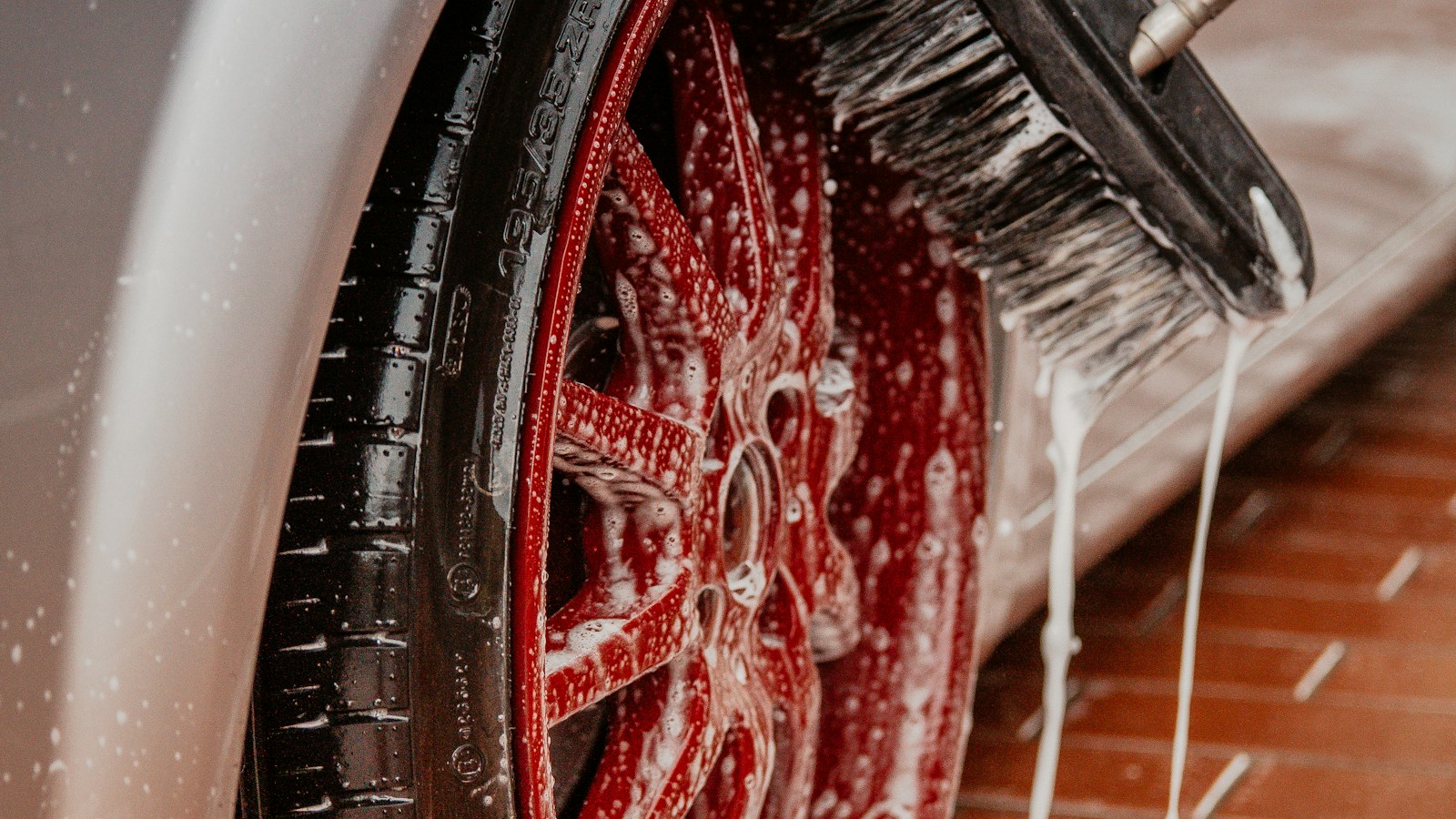
- Dedicated Wheel Cleaning First: Clean wheels, tyres. And arches using dedicated wheel buckets, soft barrel brushes. And pH-neutral wheel cleaner.
- High-Pressure Pre-Rinse: Blast the vehicle with a high-pressure washer from top to bottom to dislodge loose sand, dirt. And heavy road grit.
- Snow Foam Blanket Application: Coat entire vehicle in a rich layer of pH-neutral snow foam and allow it to dwell for five minutes to encapsulate traffic film.
- Secondary High-Pressure Rinse: Thoroughly rinse away the dirty foam blanket, carrying encapsulated road dust down the driveway.
- Two-Bucket Hand Wash: Wash vehicle panel by panel from the roof downward using two buckets with grit guards and plush microfibre mitts in straight lines.
- Final Sheet-Rinsing: Remove spray nozzle and rinse with a gentle stream of free-flowing water to encourage the water shedding coating to sheet off ninety percent of surface water.
- Touchless Air or Towel Drying: Dry panels using a warm-air blower or pat dry gently with a 1200 GSM edgeless microfibre towel.
- Door Jambs and Glass Wipe: Open doors to wipe clean jambs, sills. And window channels using a damp microfibre cloth.
- Quarterly Silica Spray Top-Up: Apply a light mist of SiO2 silica ceramic booster spray every three months to replenish the sacrificial topcoat.
Periodic cleaning: Fixing Clogged Coatings with Iron Removers.
Every three to six months, even the most meticulously maintained vehicle can begin to show sluggish water beading on lower doors and rear bumpers. This occurs because embedded metallic brake dust and industrial fallout chemically fuse to the surface.
Do not attempt to scrape off this dirt with a mechanical clay bar. old clay bars can leave fine marring on coated clear coats.
Instead, perform a "chemical cleaning wash." After washing the car, spray a pH-neutral iron fallout remover across the lower panels. The chemical dissolves iron particles into water-soluble complexes, turning deep purple as it works.
Rinse thoroughly with high pressure. The embedded iron flakes wash away cleanly without friction, instantly restoring dramatic water beading and surface slickness.
Silica Top-Up Sprays: Maintaining 110-Degree Contact Angles.
While base ceramic coatings are engineered to last several years, their extreme surface tension and water shedding contact angles naturally undergo wear from friction and road wash.
To keep water beading like day one, detailers apply a silica spray sealant (often called a ceramic booster) every three to four months. These sprays contain a light strength of silicon dioxide (SiO2) in an aqueous suspension.
After washing and drying, mist the booster lightly onto a microfibre towel and spread it evenly across one panel at a time. Flip the towel to a dry side and buff to a dazzling mirror shine.
The spray sealant bonds to the ceramic layer beneath, acting as a sacrificial wear barrier that keeps water roll-off speeds and dirt repellency at absolute peak power.
Armidale outdoor Factors: Tableland Frost and Rural Red Dust.
Maintaining a coated car in Armidale involves dealing with unique regional outdoor challenges. In winter, sub-zero nights coat vehicles in heavy frost and freezing moisture.
Never pour boiling water over a frosted windscreen or coated bonnet. Thermal shock can shatter glass and stress clear coats. Allow the car's heater to warm panels gently, letting the slick ceramic coating shed melted frost naturally.
In summer, unsealed rural dirt roads kick up fine, abrasive red dust. If left sitting on paintwork under burning sun, fine minerals can bake into surfaces.
A quick touchless pressure rinse once a week between full washes prevents red dust from building up, keeping your vehicle looking immaculate across the New England region.
pro detailers also consult NSW space Protection Authority water runoff rules to ensure all workshop procedures meet regional safety codes.
pro detailers also consult Safe Work Australia chemical safety standards to ensure all workshop procedures meet regional safety codes.
People Also Ask About ceramic coating maintenance wash routine.
How often should you wash a ceramic coated car?.
You should wash a ceramic coated car every two weeks for daily drivers. If the vehicle is parked indoors and driven infrequently, a monthly wash is typically sufficient to keep surface pores free from traffic film.
Can you go through a touchless car wash with ceramic coating?.
While touchless car washes avoid brush scratching, they use harsh, highly alkaline chemical detergents (pH 11 to 13) to dissolve dirt. Frequent use of touchless car washes will gradually degrade ceramic coatings over time. Gentle hand washing is far superior.
Do I need to wax my car after ceramic coating?.
No, you should never apply old paste or carnauba wax over a ceramic coating. Wax creates a sticky, low-lifespan layer that masks the ceramic coating's natural hydrophobics and attracts dirt. Use silica (SiO2) booster sprays instead.
What should I do if water stops beading on my coated car?.
If water stops beading, the coating is likely clogged with road traffic film or embedded iron fallout. Perform a thorough pre-wash, wash with a clean-rinsing shampoo. And apply a chemical iron remover to de-clog the ceramic pores.
Frequently Asked Questions on Coated Car Care.
Can I use normal dishwashing soap to wash my ceramic coated car?.
Never use household dishwashing soap. Dish detergent contains harsh degreasers that dry out rubber door seals, strip plastic trim plasticisers. And leave surfactant films on ceramic coatings. Always use pH-neutral car shampoo.
Is a snow foam cannon really necessary?.
While not strictly mandatory, a foam cannon is highly recommended. It creates a thick blanket of suds that encapsulates and softens abrasive road dirt, allowing you to rinse off the bulk of grime before touching the paint with a wash mitt.
Can I clay bar my ceramic coated car?.
Avoid using old aggressive clay bars on a ceramic coated car, as abrasive clay can produce fine marring that dulls the finish. Use chemical cleaning sprays (iron and tar removers) or ultra-fine liquid clay alternatives instead.
How long should I wait before washing my newly coated vehicle?.
Wait at least seven full days before washing a newly coated vehicle with shampoo. While the coating dries to the touch in hours, it requires seven to ten days to complete full chemical cross-linking and reach maximum hardness.
What type of wash mitt is safest for ceramic coatings?.
Ultra-plush synthetic microfibre wash pads or high-pile lambswool wash mitts are the safest. Avoid cheap yellow foam sponges. This trap abrasive grit against their flat surfaces and cause severe swirl marks.
Weekend Washing Tips for Coated Cars in Northern NSW.
Washing your car on a sunny weekend is fun. But good habits keep the ceramic layer fresh and bright. Never wash panels in direct hot sun.
Hot sunlight bakes soap suds onto the clear coat before you can rinse. That leaves ugly water spots that are hard to clean off.
Park in the cool shade. Rinse off dirt with plenty of water first. Use two buckets with grit guards to keep dirt off your wash mitt.
Dry the panels with warm air or a soft towel. Pat the paint dry with zero hard rubbing. Clean habits keep your car looking like new for years.
Drive safe on dirt roads. Love your car every day. Clean paint lasts for years. Strong sun won't hurt the clear coat. Heavy rain slips right off the glass. Thick mud can't stick to slick panels. Wash day is quick and fun. Rims stay bright in the sun. Black tyres look rich and clean. Safe care brings peace of mind.
Keep your car clean. Rinse dirt with fresh water. Use soft towels. Dry panels with no streaks. Fast work brings peace of mind.
Clean wheels make a car look sharp. Clear glass keeps your view bright. Good car care pays off big when you sell. Smart drivers keep their cars clean and fresh.
Conclusion: Protecting Your Detailing Investment.
A pro ceramic coating delivers industry-leading gloss, chemical defence. And water repellency. But its long-term power rests entirely in your hands.
By adopting a disciplined ceramic coating maintenance wash routine. anchored by two-bucket washing, pH-neutral shampoos, touchless drying. And periodic silica boosters. you protect your vehicle against premature wear.
Whether navigating rural New England highways or urban commutes, proper upkeep washing ensures your vehicle continues to turn heads with showroom radiance for years to come.