Modern luxury and family vehicles feature leather upholstery that endures continuous friction, body sweat, dye transfer from denim jeans. And intense solar heat. When vehicle owners seek to revive aging hides, executing pro leather car seat restoration and conditioning procedures restores the factory supple feel and elegant matte appearance without creating a slippery, artificial shine. In regional Australia across Armidale and northern New South Wales, dry high-altitude air and intense UV exposure speed up clear coat drying on top-coated car leathers. Understanding how modern clear coat-coated car leather differs from raw equestrian hide ensures motorists clean and nourish car seats safely.
leather car seat restoration and conditioning deep-cleans body sebum, blue jean dye transfer. And ground-in dirt from modern clear coat topcoats. Using pH-neutral foaming cleansers and water-based fluoropolymer conditioners, it restores supple elasticity, eliminates greasy shine. And protects against UV cracking for 6 to 12 months.
- Understanding Modern car Leather: clear coat Topcoats.
- Why Shiny Leather Is Actually Dirty Leather: Body Sebum and Friction.
- The Dangers of Oil-Based Conditioners and Heavy Saddle Soaps.
- Dye Transfer Removal: Tackling Blue Jeans and Workwear Stains.
- Deep Cleaning Leather Perforations and Ventilated Seat Vents.
- Comparison Table: old Saddle Soaps vs Modern Water-Based Leather Systems.
- The 8-Step Leather Seat Restoration and Conditioning Protocol.
- Preventing Bolster Creasing and Entry/Exit Abrasion.
- Safe Work Australia Guidelines for Interior Chemical Safety.
- Armidale Climate Factors: High UV Radiation and Winter Dryness.
- People Also Ask About leather car seat restoration and conditioning.
- Frequently Asked Questions on Leather Upholstery.
- Conclusion: Preserving Interior Luxury and Comfort.
Understanding Modern car Leather: clear coat Topcoats.
A common misconception among car owners is that car leather behaves like equestrian saddles, boots. Or heavy baseball gloves. Those old leather goods are vegetable-tanned, porous. And absorbent, requiring heavy animal fats like neat's-foot oil or beeswax to stay supple.
Modern car leather (found in ninety-five percent of vehicles from Ford and Toyota to BMW and Mercedes-Benz) is chromium-tanned and covered with a micro-thin clear coat clear coat finish.
This clear coat acts as a durable lacquer shield. It protects the dyed leather hide from spilled coffee, liquid staining. And everyday abrasion. In practical terms, when you clean your modern car seat, you are cleaning a clear coat clear coat. not raw raw cowhide.
Because the leather is sealed beneath clear coat, heavy oils and fatty conditioners cannot penetrate into the hide. Instead, oil-based balms sit on top of the clear coat, creating an unappealing greasy film that attracts abrasive dirt.
To preserve original factory quality, scheduling pro premium interior leather restoration ensures your seats are cleaned with modern, topcoat-safe chemistry.
Why Shiny Leather Is Actually Dirty Leather: Body Sebum and Friction.
When vehicles leave the factory showroom, new leather seats have a completely flat, non-reflective matte finish. The surface feels soft, velvety. And dry to the touch.
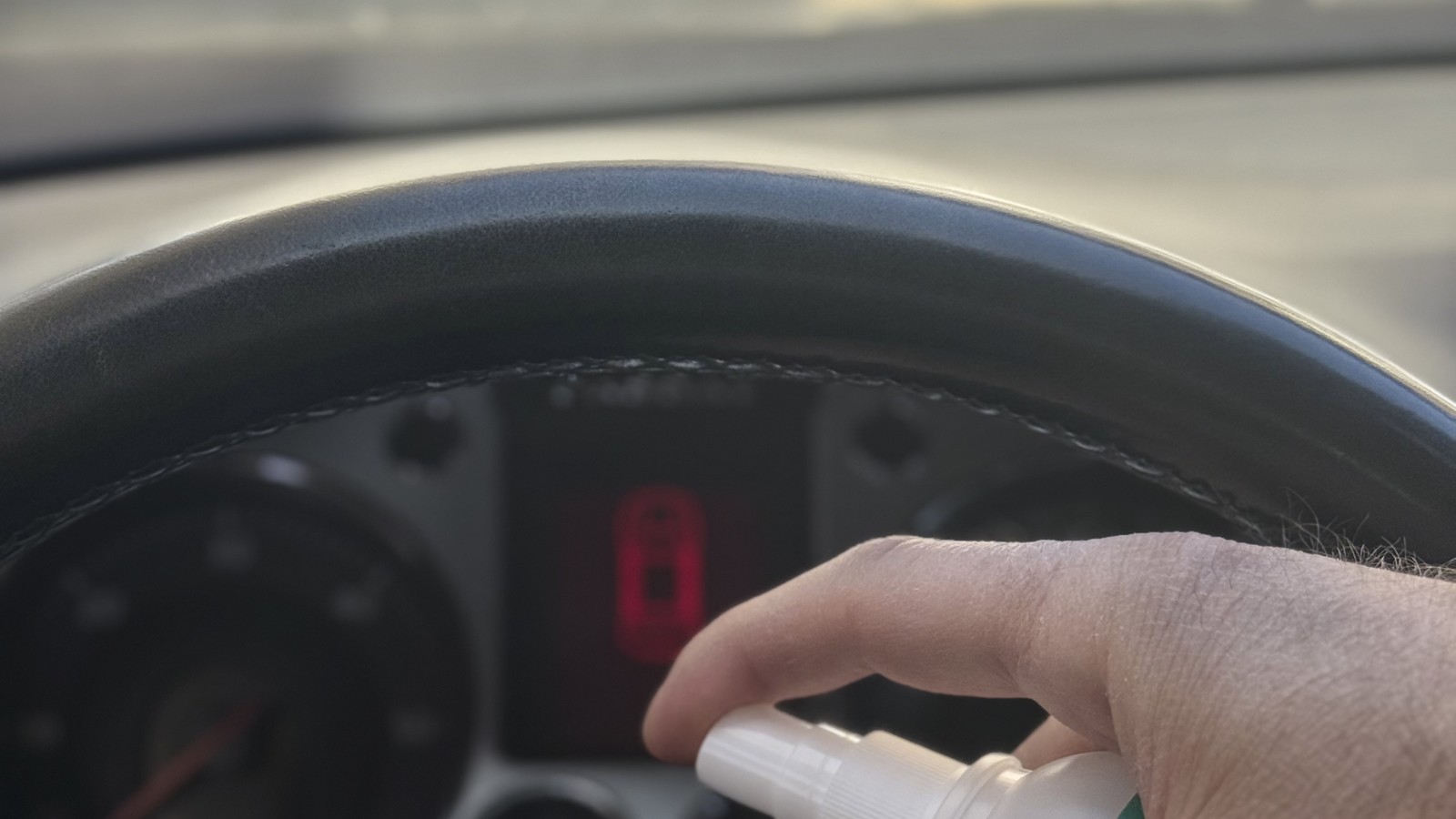
Over months of daily commuting, occupants transfer natural human body oils, skin sweat, suntan lotions. And ambient grime onto the seat surface. As passengers slide across seats, clothing friction buffs these sebum oils into the clear coat clear coat.
This oil buffing effect creates a glossy, slick, greasy appearance that many owners mistakenly associate with "conditioned" leather. In reality, shiny leather is dirty leather.
The layer of trapped body oil acts as an abrasive grinding paste. Trapped dust particles grind against the clear coat every time you sit down, accelerating micro-cracking along seat seams and bolsters.
Thorough cleaning with specialized foaming leather cleansers dissolves this hardened oil layer, instantly returning the leather to its factory-correct matte appearance.
The Dangers of Oil-Based Conditioners and Heavy Saddle Soaps.
Old-school car enthusiasts frequently recommend saddle soap, mink oil. Or heavy lanolin creams for car leather. Applying these old products to modern car upholstery causes severe damage.
Saddle soaps are heavily alkaline, often carrying a pH between 9 and 10. High alkalinity gradually strips and hydrolyses the delicate clear coat clear coat, causing it to flake and peel prematurely.
Furthermore, heavy animal fats cannot evaporate or penetrate the clear coat. The oils pool inside stitching perforations. There they rot and soften high-tensile nylon sewing threads.
Over time, the softened threads break under passenger weight, leading to costly upholstery seam splits. Modern car leather conditioners are formulated with water-based fluoropolymers and micro-emulsions.
These modern water-based conditioners hydrate the clear coat without leaving oily residues, preserving seam thread integrity and preventing dye transfer.
Dye Transfer Removal: Tackling Blue Jeans and Workwear Stains.
Light-coloured car leathers. such as cream, ivory, beige. And light grey. are notoriously vulnerable to dye transfer from indigo denim jeans and dark cotton workwear.
When moist denim rubs against leather bolsters, indigo dye molecules migrate into the porous micro-structure of the clear coat topcoat. If left untreated for months, the dye permanently stains the clear coat.
Amateur detailers often scrub dye stains aggressively with magic erasers or solvent alcohol wipes. This practice shears away the guard clear coat, exposing raw pigment underneath and creating permanent discoloured patches.
pro detailers use dedicated leather dye transfer removers. These mild chemical surfactants dissolve indigo dye bonds gently, allowing the dye to be wiped away without abrading the clear coat.
Once cleaned, detailers apply a fluoropolymer leather barrier coating that blocks future dye penetration for up to twelve months.
Deep Cleaning Leather Perforations and Ventilated Seat Vents.
Modern luxury vehicles and premium dual-cab utes frequently feature ventilated or heated seats with thousands of tiny laser-cut perforations across the cushion and backrest.
Cleaning perforated leather requires specialized techniques. Spraying liquid cleaners directly onto perforated seats causes dirty liquid to flood through the holes into the internal foam cushions and heating elements.
Trapped liquid inside the seat cushion fosters mold growth, produces sour odours. And can short out electronic fan motors. Detailers always apply leather cleaners as dense, low-moisture foam onto soft horsehair detailing brushes.
The pro agitates the foam across the surface gently, lifting dirt from the grain while preventing moisture from dripping into ventilation holes.
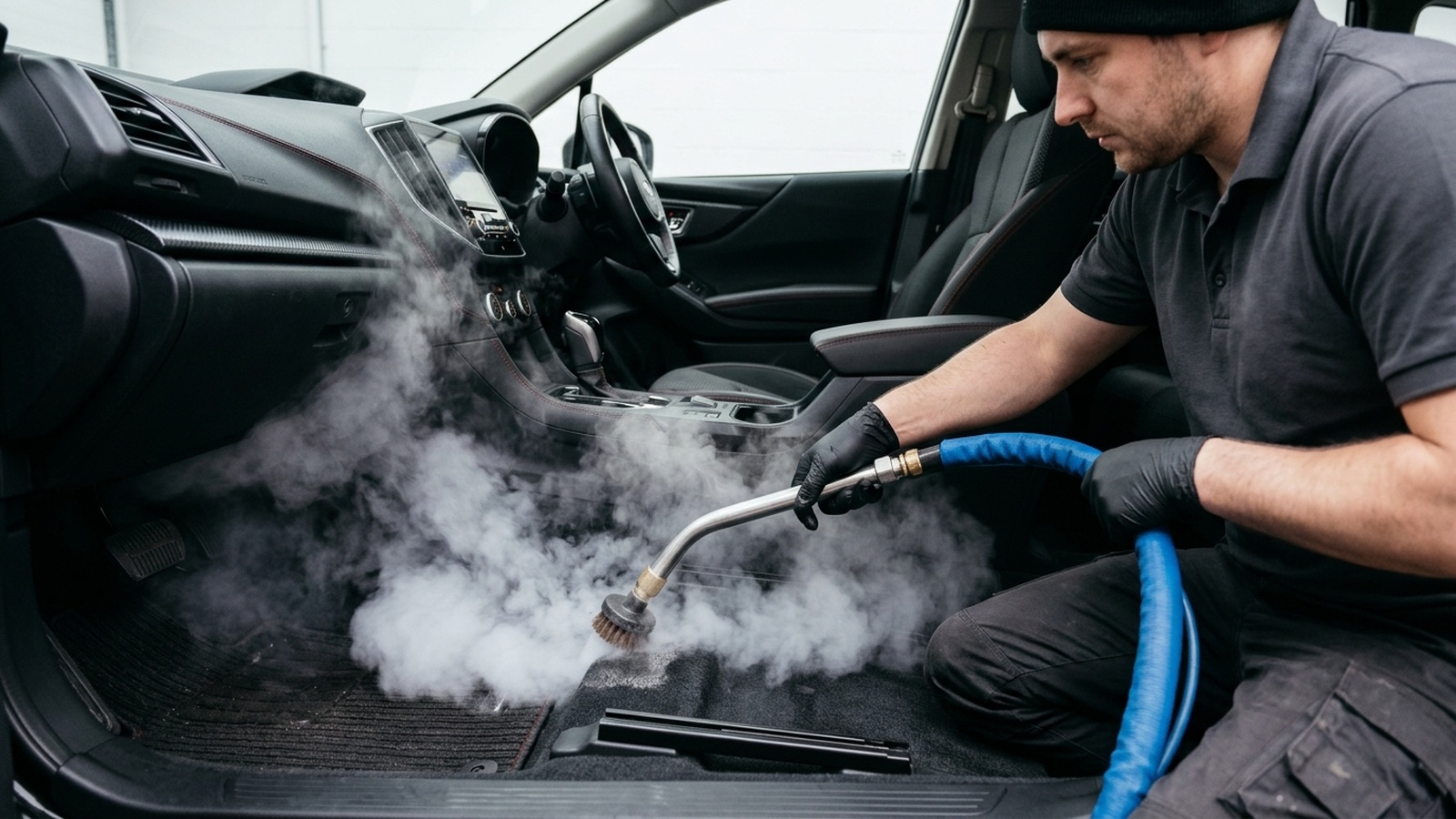
A high-power vacuum fitted with a soft silicone nozzle is then used to extract loose debris and residual foam from the perforations safely.
Comparison Table: old Saddle Soaps vs Modern Water-Based Leather Systems.
Evaluating leather care chemistries reveals stark differences in safety and power:
| Product Attribute. | old Saddle Soap / Mink Oil. | Silicone Vinyl Dressings. | Modern Water-Based Leather Systems. |
|---|---|---|---|
| pH Balance. | High alkaline (pH 9 to 10). | Neutral to slightly alkaline. | Strictly pH 6.5 to 7.0 (Topcoat-safe). |
| Finished Appearance. | Greasy, sticky, high shine. | Artificial plastic gloss, slippery. | 100% Factory OEM matte, non-greasy. |
| Impact on Stitching. | Rots nylon threads, causes seam tears. | Attracts grit into stitch holes. | Clean-evaporating, zero thread damage. |
| Dust Adhesion. | Extremely high. sticky dust magnet. | High. static-attracting oily film. | Zero. anti-static dry barrier. |
| UV and Dye Transfer Defence. | None. magnifies solar heat. | Minimal. temporary silicone shield. | High active UV inhibitors & dye barriers. |
The 8-Step Leather Seat Restoration and Conditioning Protocol.
pro car detailers execute a disciplined eight-step sequence to restore leather seats to showroom condition:
- Thorough Dry Vacuuming: Vacuum all seat seams, bolsters. And perforations using a soft horsehair brush attachment to dislodge loose grit.
- Low-Moisture Foam Application: Dispense dedicated pH-neutral leather shampoo as thick foam onto a soft natural horsehair detailing brush.
- Gentle Circular Agitation: Work the foam into the leather grain using light, overlapping circular motions to emulsify body sebum and grime.
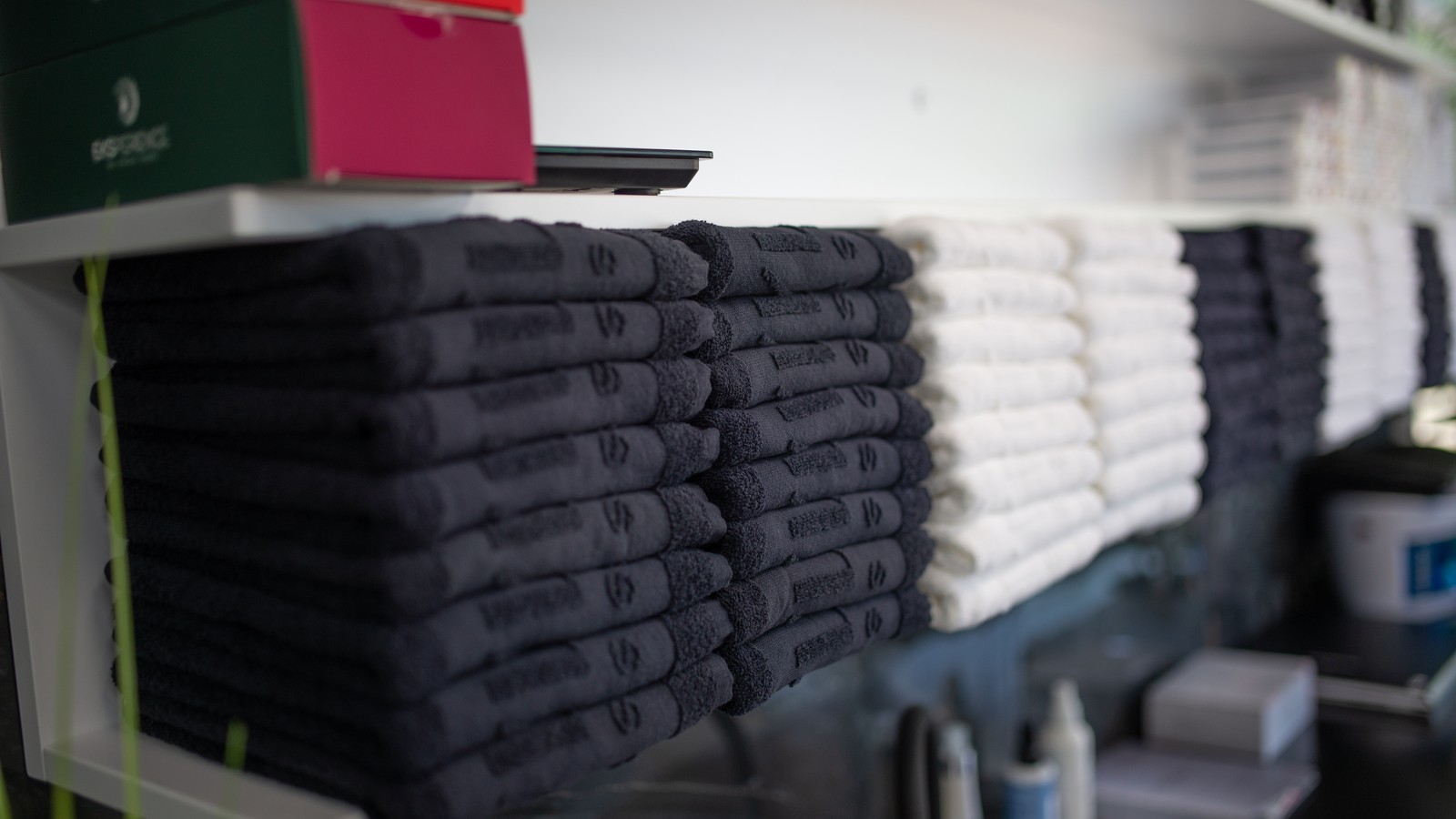
- Microfibre Wipe and Extraction: at once wipe away lifted dirt and foam using a clean, slightly damp microfibre towel before the soil can re-deposit.
- Targeted Dye Transfer Treatment: Apply specialized dye transfer solvent to stubborn blue jean stains, allowing chemistry to dissolve the pigment gently.
- Purified Water Neutralisation Wipe: Wipe the entire seat with a microfibre cloth dampened with deionised water to remove all surfactant residue.
- Air Drying and check: Allow the seats to dry completely under warm air blowers and inspect under high-CRI check lighting to confirm uniform matte texture.
- Water-Based Barrier Coating Application: Apply a light, even coat of fluoropolymer leather shield to protect against future UV fading, dye transfer. And friction wear.
Preventing Bolster Creasing and Entry/Exit Abrasion.
The exterior side bolsters on driver's seats endure extreme mechanical friction. Every time a driver enters or exits the vehicle, their body rubs heavily across the raised cushion bolster.
Over time, this continuous shearing force stretches the leather, producing deep wrinkles and creases. If the leather is dry and unconditioned, the clear coat inside the crease lines fractures, exposing bare leather fibers.
Applying a water-based fluoropolymer conditioner reduces the coefficient of dynamic friction across the bolster surface. Clothing glides smoothly over the leather rather than grabbing and dragging the clear coat.
Furthermore, modern conditioners contain humectant moisturizers that maintain optimal moisture balance within the hide, keeping the leather pliable and resistant to stress cracking.
Safe Work Australia Guidelines for Interior Chemical Safety.
Detailing vehicle cabins involves operating within enclosed spaces with limited natural airflow. Detailers follow workplace safety rules managed by Safe Work Australia.
Interior leather cleansers must be free from toxic volatile organic compounds (VOCs), glycol ethers. And aggressive solvents that produce hazardous fumes inside confined cabins.
pros wear nitrile gloves to prevent transdermal chemical absorption during prolonged scrubbing phases. Detailing bays use continuous cabin air extraction fans to ensure adequate ventilation.
All cleaning products must comply with national chemical safety data sheet (SDS) needs, ensuring complete occupant safety once the vehicle is returned to the customer.
Armidale Climate Factors: High UV Radiation and Winter Dryness.
Vehicles driven throughout Armidale and the New England Tablelands endure severe outdoor stressors that affect interior leather.
In summer, elevated altitude results in intense UV radiation penetrating through side window glass. Unprotected leather heats up to seventy degrees Celsius, causing rapid clear coat oxidation and premature fading.
In winter, sub-zero overnight heats followed by dry mountain air leach moisture from vehicle interiors. Running the cabin heater continuously further dries the air, accelerating leather stiffening.
Adopting regular leather upholstery care and conditioning every six months provides essential UV filters and moisture rule, ensuring leather stays supple and crack-free in all seasons.
pro detailers also consult Transport for NSW interior cabin standards to ensure all workshop procedures meet regional safety codes.
People Also Ask About leather car seat restoration and conditioning.
How often should you condition leather car seats?.
In Australian climates, leather car seats should be deep cleaned and conditioned every three to six months. Vehicles parked outdoors or driven daily benefit from quarterly treatments to prevent UV degradation and dye transfer.
Why are my leather seats shiny?.
Shiny leather seats are dirty with human body oils, skin sweat, suntan lotions. And ground-in dirt that have been buffed into the clear coat by clothing friction. Clean, healthy leather always has an OEM matte finish.
Can cracked leather car seats be restored?.
Minor surface micro-creases can be softened and hydrated to prevent further damage. However, deep physical cracks where the leather has torn through the clear coat and hide require pro leather filler, sanding. And colour re-dyeing.
Is baby wipes safe for leather car seats?.
No, baby wipes should never be used on leather car seats. Baby wipes contain oils, moisturisers. And mild alcohols that leave sticky residues on the clear coat, accelerating dirt attraction and breaking down the guard lacquer.
Frequently Asked Questions on Leather Upholstery.
Can I use household leather cleaner on my car seats?.
No, furniture and household leather cleaners are formulated for absorbent aniline or semi-aniline leathers and often contain heavy oils. car leathers are clear coat-coated and require specialized water-based car cleansers.
How do I remove sunscreen stains from black leather seats?.
Sunscreen contains zinc oxide and titanium dioxide that leave stubborn white chalky stains. Apply a specialized foaming leather cleaner with a horsehair brush, agitate gently. And wipe clean with a warm, damp microfibre towel.
Will conditioning leather make it slippery?.
Modern water-based leather conditioners and ceramic leather coatings do not make seats slippery. They dry to a 100% non-greasy, tactile OEM matte finish with natural grip.
What is the difference between leather and leatherette/vinyl?.
Genuine leather is animal hide topped with a clear coat. While leatherette (vinyl or synthetic leather like MB-Tex or Sensatec) is 100% synthetic PVC or clear coat fabric. Both require water-based cleaning and UV protection.
Can ceramic coating be applied to leather car seats?.
Yes, specialized flexible ceramic leather coatings provide outstanding protection against dye transfer, liquid spills. And UV fading, lasting twelve to twenty-four months with zero greasy residue.
Simple Habits for Clean Leather Seats in Northern NSW.
Living in the country brings warm sun and open roads. But hot days in Armidale can dry out leather seats fast. Clear coats on car seats need gentle care to stay soft.
Wipe down your leather seats with a damp cloth every two weeks. Pick up loose dust and body oils before they get ground into the grain. Never use household soap or greasy balms on car seats.
Water based creams keep the top clear coat soft and pliable. They stop side bolsters from cracking when you get in and out. Clean leather feels great and looks brand new for years.
Drive safe on dirt roads. Love your car every day. Clean seats last for years. Strong sun won't crack the hide. Drink spills wipe right off the surface. Dark jeans won't stain the leather. Soft seats feel great on long road trips. Safe care brings peace of mind.
Keep your car clean. Wipe leather with damp cloths. Use mild soap. Pat dry with soft towels. Fast work brings peace of mind.
Take pride in your ride. Park in the cool shade. Clean seats bring true joy on every road trip. You win on every drive.
Good leather care is easy. Clean seams once a month. Use a soft horsehair brush. Lift dirt out of perforated holes with care. Vacuum up crumbs with low suction. Soft leather stays smooth in winter and summer. Clean hide never smells musty or old. You enjoy true luxury on every country mile.
Keep kids snacks in check. Wipe sticky juice spills fast. Soft cloths save your seats from ugly stains. Clean leather protects your car trade-in value. Smart drivers keep their cockpits clean and fresh every single day.
Clean leather adds high value to your vehicle. Buyers inspect seats first when buying used luxury cars. Supple hides with no tears or shiny spots earn top dollar. Pro care keeps your car interior smelling sweet, clean. And elegant for years to come.
Soft leather makes long drives relaxing. Your back stays cool on hot summer days. Clean seats reflect high personal standards. You enjoy total comfort in your vehicle cabin every single day of the year.
Conclusion: Preserving Interior Luxury and Comfort.
Your vehicle's leather seating represents the primary tactile touchpoint between you and your driving skill. Keeping it in showroom condition requires recognizing that modern car leather is a clear-coated material demanding modern care.
By moving away from greasy old oils and embracing pro leather restoration and conditioning, you eliminate unsightly shine, prevent bolster cracking. And preserve supple luxury.
For drivers throughout Armidale and northern New South Wales, disciplined leather upkeep ensures your vehicle's interior remains a sanctuary of elegance, comfort. And value for years to come.