The passenger cabin of a modern motor vehicle is an enclosed greenhouse subjected to punishing thermal cycles and unfiltered solar sun rays. When vehicle owners seek to protect their dashboards, door cards. And console trims from premature wear, applying a high-grade car interior plastic UV protectant creates an invisible shield against chalky fading and catastrophic structural cracking. In regional New South Wales, including Armidale and across the New England Tablelands, high height of over one thousand metres intensifies solar UV index levels much. Understanding how modern water-based polymer protectants nourish synthetic interior rubbers prevents costly dashboard replacements and preserves factory satin beauty.
car interior plastic UV protectant is a water-based emulsion made with active hindered amine light stabilisers (HALS) and UV absorbers. It penetrates vinyl, polypropylene. And dashboard plastics, blocking solar sun rays, stopping plasticiser evaporation. And preventing dashboard cracking with a 100% non-greasy, anti-static satin finish.
- The Greenhouse Effect: Cabin heats Exceeding 85 Degrees Celsius.
- How Solar sun rays Evaporates Internal soft oils (Outgassing Fog).
- The Dangers of Cheap Petroleum Distillates and High-Gloss Silicone Sprays.
- Water-Based Formulas and HALS UV Blockers: The Science of Non-Greasy Care.
- Dashboard Glare and Driving Safety: Why Matte Finishes Are Mandatory.
- Comparison Table: Cheap Silicone Sprays vs Natural Beeswax vs Pro Water-Based UV Shields.
- The 7-Step Interior Plastic Protection Protocol.
- Caring for Modern Soft-Touch Plastics and Textured Vinyl.
- Safe Work Australia Guidelines for Cabin Air Quality and Low VOCs.
- Armidale High-Altitude Sun and Sub-Zero Thermal Cycles.
- People Also Ask About car interior plastic UV protectant.
- Frequently Asked Questions on Interior Plastic Care.
- Conclusion: Protecting Your Cabin Investment for the Long Haul.
The Greenhouse Effect: Cabin heats Exceeding 85 Degrees Celsius.
Parked in the Australian sun, an automobile transforms into a high-speed solar thermal oven. Solar short-wave sun rays passes easily through laminated windscreens and tempered side glass, striking dark dashboard vinyl, instrument clusters. And door cards.
As these interior components absorb solar energy, they re-radiate thermal heat as long-wave infrared sun rays. Long-wave infrared cannot pass back out through car glass, trapping intense heat inside the cabin.
On a thirty-two degree summer day in northern New South Wales, ambient cabin air heats quickly climb past sixty-five degrees Celsius. More critically, dark black dashboards absorb thermal energy directly, with surface heats regularly exceeding eighty-five degrees Celsius.
This blistering heat acts as an intense chemical catalyst. Thermal stress speeds up polymer breakdown and dries out interior materials at an alarming rate.
Shielding your dashboard from this extreme thermal space requires specialized surface chemistry. Booking a pro interior car detailing UV restoration treatment ensures all cabin surfaces are fortified against heat and solar wear.
How Solar sun rays Evaporates Internal soft oils (Outgassing Fog).
car dashboards and door trims are manufactured from flexible polyvinyl chloride (PVC), thermoplastic polyurethanes (TPU). And polypropylene (PP). To make these rigid polymers pliable, makers blend chemical soft oils (typically phthalates or trimellitates) into the polymer mix.
When exposed to intense heat and UV sun rays, these chemical soft oils break their intermolecular bonds with the plastic polymer chains.
The soft oils migrate to the surface and evaporate into the cabin air. a chemical process known in car engineering as "outgassing."
Have you ever noticed an oily, hazy film that coats the inside of your front windscreen, requiring endless wiping? That oily film is evaporated plasticiser gas condensing onto the cooler windscreen glass.
As soft oils escape, the dashboard loses its structural elasticity. The vinyl becomes hard, brittle. And shrinks. Eventually, stress fractures appear, radiating across the dashboard in jagged, unrepairable cracks.
The Dangers of Cheap Petroleum Distillates and High-Gloss Silicone Sprays.
When car owners notice a dry dashboard, their instinctive reaction is often to grab an inexpensive aerosol dashboard shine from a service station. Applying these cheap solvent-based dressings is the worst thing you can do for your vehicle's interior.
Cheap interior sprays rely on dimethicone silicone oils and petroleum solvent carriers. The petroleum solvents act as chemical strippers, dissolving remaining natural soft oils and accelerating the outgassing process.
While the silicone oil leaves an intensely shiny, wet-look finish, that shine is an illusion. The oily film is sticky and acts like flypaper, trapping airborne dust, sand. And pet dander.
Under summer sun, the silicone layer acts like a magnifying glass, focusing thermal energy into the plastic. Within weeks, the dashboard is drier and more brittle than before use.
Water-Based Formulas and HALS UV Blockers: The Science of Non-Greasy Care.
pro interior protectants are engineered on entirely different chemical foundations. High-grade formulas (such as aerospace-grade 303 Protectant, CarPro Perl. Or Koch-Chemie Top Star) are 100% water-based micro-emulsions free from petroleum solvents.
These advanced protectants include specialized chemical compounds known as Hindered Amine Light Stabilisers (HALS) alongside active organic UV absorbers.
HALS compounds operate at the molecular level, scavenging and neutralising harmful free radicals generated when solar UV photons strike plastic polymers. By terminating free radical reactions, HALS prevents polymer chain scission.
Active UV absorbers intercept incoming UV rays (both UVA and UVB spectrums), converting harmful solar energy into harmless, low-level thermal heat that dissipates naturally.
Because the formula is water-based, it penetrates into the plastic's tiny pores rather than sitting on top as grease. It leaves a dry, non-sticky, anti-static OEM satin finish that naturally repels dust.
Dashboard Glare and Driving Safety: Why Matte Finishes Are Mandatory.
Beyond preserving plastic longevity, maintaining a non-reflective matte finish on your dashboard is a vital driving safety need.
When a dashboard is coated in shiny silicone dressing, direct sunlight striking the glossy vinyl bounces upward, reflecting a glaring mirror image of the dashboard onto the inside of the windscreen.
This blinding optical shine cuts forward visibility much, particularly when driving toward the morning or afternoon sun. Drivers struggle to see pedestrians, cyclists. And oncoming hazards through the shine.
A true car interior plastic UV protectant restores a factory-correct, low-sheen matte finish. Diffused light shine ensures zero windscreen glare, keeping your driving vision crystal-clear.
Comparison Table: Cheap Silicone Sprays vs Natural Beeswax vs Pro Water-Based UV Shields.
Evaluating interior conditioning products highlights the clear superiority of pro water-based UV protectants:
| Product Category. | UV Protection tools. | Surface Finish. | Impact on soft oils. |
|---|---|---|---|
| Aerosol Silicone Shines. | None. petroleum oils magnify heat. | Greasy, high-gloss glare, dust magnet. | Destructive. leaches soft oils fast. |
| Natural Beeswax Balms. | Low. melts under 60C summer heat. | Sticky, warm satin, attracts pollen. | Neutral. sits on surface without bonding. |
| Pro Water-Based UV Shield. | great. active HALS & UV absorbers. | 100% Dry OEM matte, anti-static. | Preserves and seals internal soft oils. |
The 7-Step Interior Plastic Protection Protocol.
pro detailing workshops achieve long-lasting protection by following a disciplined seven-step sequence:
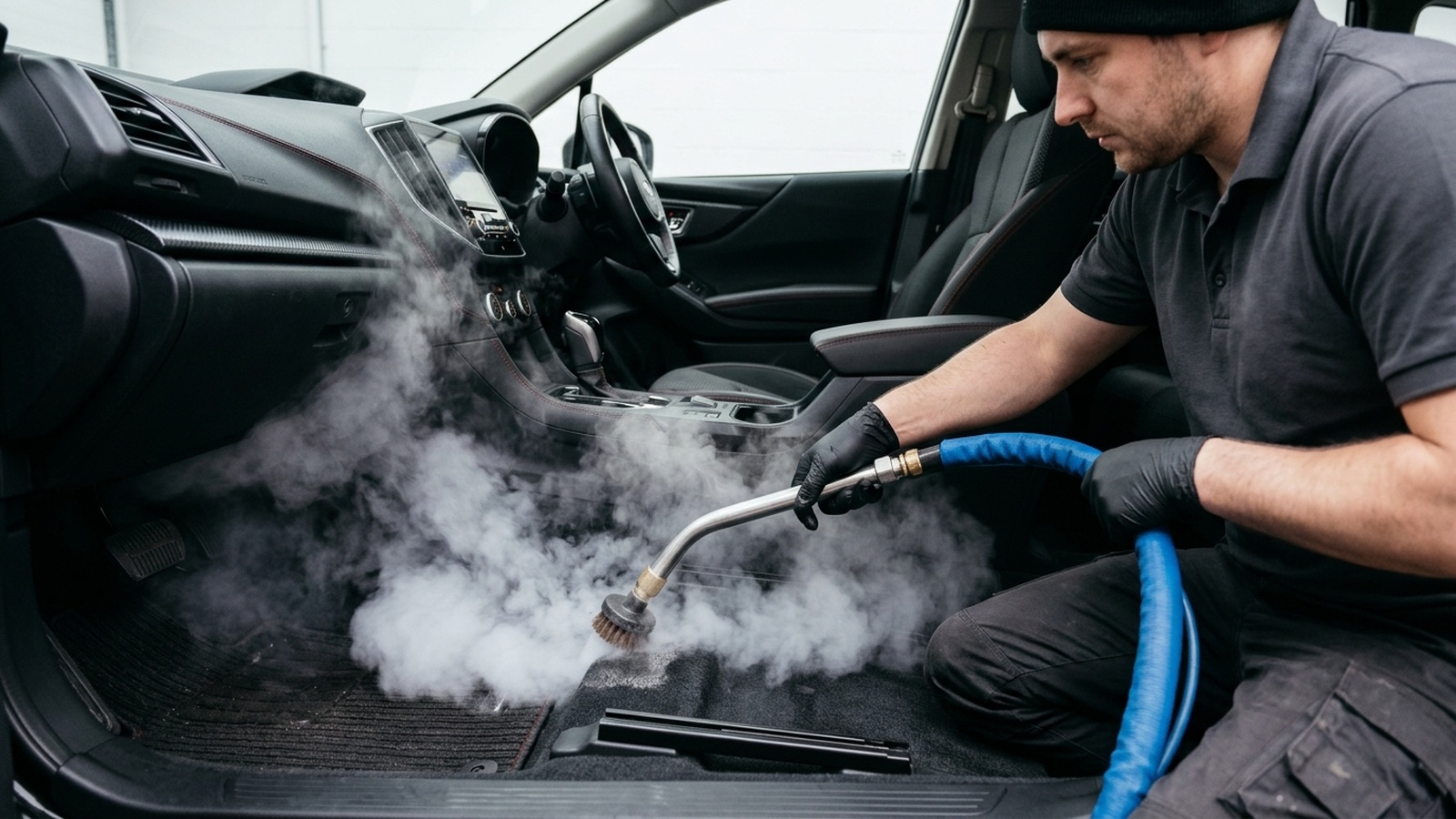
- Dry Dust Extraction: Use soft horsehair detailing brushes paired with a HEPA vacuum to extract loose dust from air vents, crevices. And dashboard seams.
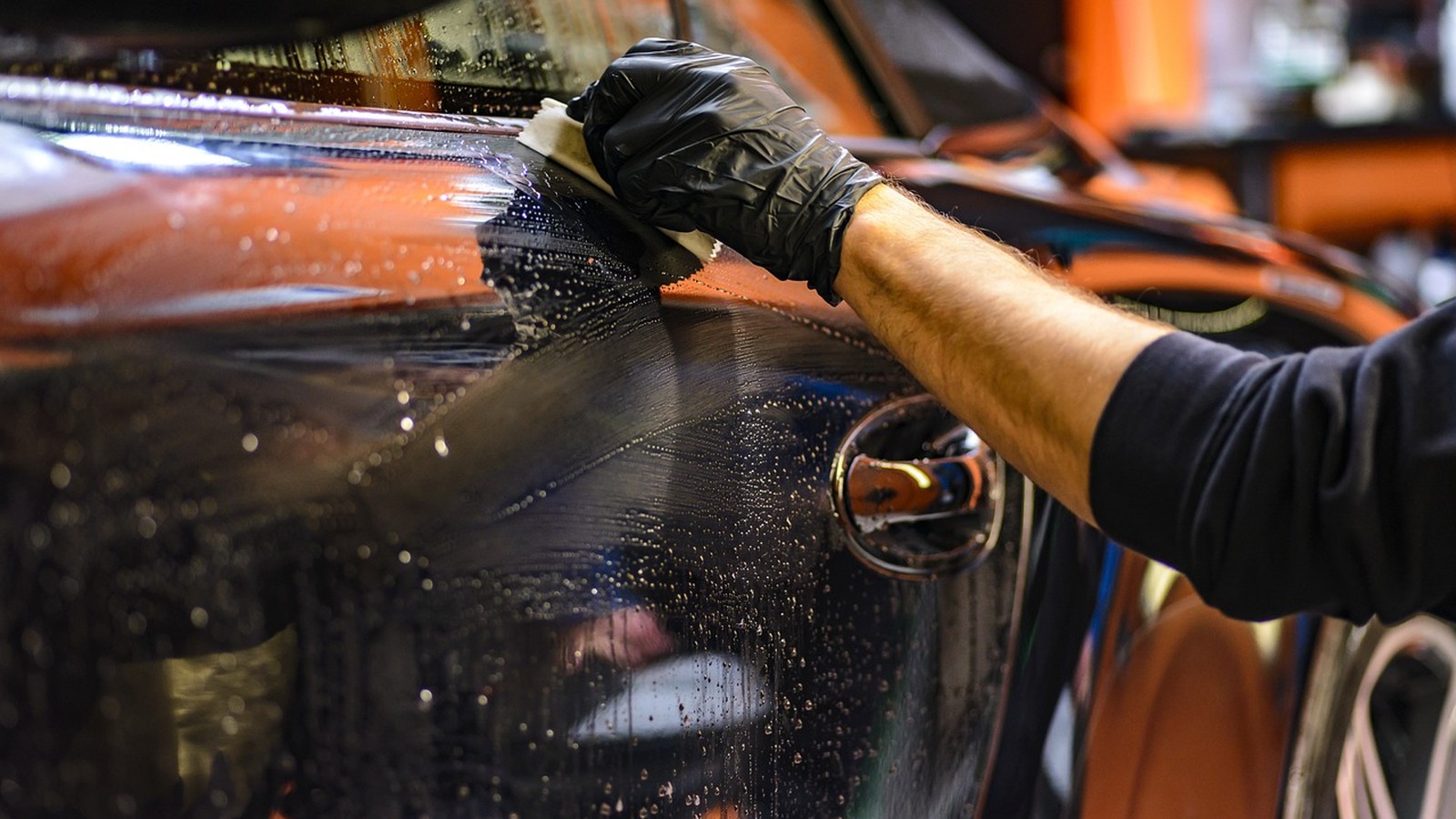
- Gentle Interior Cleaning Wipe: Mist a dedicated, residue-free interior cleaner onto a microfibre towel and wipe all plastic surfaces to remove body oils and fingerprints.
- Textured Grain Agitation: On heavily soiled door sills and steering wheel surrounds, agitate cleaner using a soft bristle brush to lift grime out of the plastic grain.
- Damp Microfibre Neutralisation Wipe: Wipe all cleaned plastics with a towel dampened with pure water to remove all remaining cleaning surfactant residue.
- Complete Air Drying: Allow panels to dry completely. applying protectants over wet plastic dilutes the active HALS polymers.
- Precision Protectant use: Spray water-based UV protectant onto a plush microfibre applicator pad (never spray directly onto the dashboard to avoid glass overspray) and spread evenly across all plastic and vinyl trim.
- Final Buff to Matte: After two minutes, buff the surface with a dry, clean microfibre towel to level off excess formula and establish a uniform, non-greasy matte finish.
Caring for Modern Soft-Touch Plastics and Textured Vinyl.
Modern luxury vehicles and premium dual-cab utes feature specialized "soft-touch" matte rubber coatings across dashboards, window switches. And center console bezels.
These soft-touch coatings are notoriously fragile. Harsh alkaline cleaners or solvent-based dressings cause the soft coating to break down chemically, turning into a sticky, gooey mess that peels off in black flakes.
Always use mild, pH-neutral, solvent-free protectants on soft-touch surfaces. Gentle water-based conditioning preserves the velvet-soft tactile feel without breaking down the delicate clear coat coating.
Safe Work Australia Guidelines for Cabin Air Quality and Low VOCs.
Because motorists spend hours enclosed within vehicle cabins, interior detailing products must meet strict health standards enforced by Safe Work Australia.
Interior protectants must carry low volatile organic compound (VOC) ratings and be free from hazardous glycol ethers, formaldehyde. Or heavy artificial fragrances.
Low-VOC water-based protectants ensure that once the vehicle is returned to the customer, occupants are not breathing toxic chemical fumes, protecting respiratory health for children and allergy sufferers.
Armidale High-Altitude Sun and Sub-Zero Thermal Cycles.
Operating a vehicle in Armidale and throughout the New England Tablelands exposes interior plastics to extreme outdoor challenges. At an altitude of roughly one thousand metres, solar UV sun rays is much more intense than at sea level.
Furthermore, Armidale experiences massive diurnal heat swings. On winter days, a vehicle dashboard can freeze to minus two degrees Celsius overnight, then heat up to forty-five degrees Celsius under midday sun.
This rapid cycling between thermal contraction and expansion places severe stress on plastics. Applying a high-grade car interior plastic UV protectant every three to four months maintains polymer flexibility, stopping thermal stress cracking permanently.
pro detailers also consult NSW Health sun safety and UV protection guidelines to ensure all workshop procedures meet regional safety codes.
People Also Ask About car interior plastic UV protectant.
How do I protect my car dashboard from sun cracking?.
Park in shaded areas or use a reflective folding windscreen sunshade, clean plastics regularly with pH-neutral interior cleaner. And apply a dedicated water-based UV protectant containing HALS absorbers every three to six months.
Does ceramic coating work on interior plastic?.
Yes, specialized interior ceramic coatings bond to vinyl, plastic. And leather, providing multi-year UV protection, liquid spill repellency. And anti-static dust defence with a factory matte appearance.
Is Armor All bad for car dashboards?.
old solvent-based silicone dressings can speed up long-term plasticiser outgassing and leave greasy, dust-attracting films that reflect blinding glare on windscreens. Modern water-based protectants are vastly superior and safer.
Why does my windscreen get an oily film on the inside?.
That oily film is caused by soft oils outgassing from your plastic and vinyl dashboard under solar heat. The evaporated plasticiser gas condenses onto the cooler glass, creating a stubborn greasy film.
Frequently Asked Questions on Interior Plastic Care.
How often should I apply interior UV protectant?.
Apply interior UV protectant every three to four months in Australia for vehicles parked outdoors. Garaged vehicles driven infrequently can be treated every six months.
Can I use interior protectant on touchscreens or instrument gauge plastic?.
No, avoid applying protectants to navigation screens or clear instrument cluster plastics. Clean electronic screens using dedicated electronic screen cleaners and ultra-soft optical microfibre cloths.
Will UV protectant fix an already cracked dashboard?.
No protectant can physically heal cracked plastic. A protectant will prevent existing cracks from spreading further. But repairing cracks requires pro plastic welding and re-texturing.
Does window tint protect interior plastic from UV rays?.
Yes, quality car window tint blocks up to 99% of harmful UV rays. However, window tint does not block infrared heat completely. cabin heats can still reach 70C, meaning chemical UV protectants are still essential.
How do I remove sticky residue from deteriorating soft-touch plastic?.
Clean the sticky soft-touch plastic gently with isopropyl alcohol (diluted 50/50 with water) and a microfibre towel to dissolve the degraded top lacquer, then protect the bare plastic with water-based protectant.
Long-Term Dashboard Care Under Intense Australian Sun.
High height across the New England Tablelands means stronger UV sun rays throughout the year. At one thousand metres above sea level, sunlight carries extra solar energy that quickly dries out car interior plastics.
Unprotected dashboards lose essential soft oils when parked under direct midday sun. The vinyl turns brittle, chalky. And prone to ugly stress cracks across airbag seams. Applying a quality water based blocker maintains factory flexibility.
Always use a reflective windscreen sunshade whenever parking outside in summer. A sunshade cuts cabin heats by up to thirty degrees Celsius. Lower heat protects instrument clusters, touchscreens. And dashboard panels from thermal expansion stress.
Avoid greasy silicone dressings that leave a high gloss sheen. Shiny dashboards create dangerous windscreen glare on sunny highway drives. Greasy dressings also outgas under heat, leaving a hazy chemical film on the inside of the windscreen.
Protect your dash every month. Wipe plastic with clean towels. Matte surfaces look rich and clean. Sun won't fade your car interior. Fresh cockpits feel great on long road trips. Drive safe on dirt roads. Love your car every day. Clean plastics last for years. Safe care brings peace of mind.
Keep your car clean. Wipe consoles with soft cloths. Use mild interior cleaner. Pat dry with clean towels. Fast work brings peace of mind. Take pride in your ride. Park in the cool shade. A clean dash brings true joy on every road trip. You win on every drive.
Good plastic care is easy. Clean vents once a month. Use a soft horsehair brush. Lift dirt out of textured seams with care. Wipe away finger smudges with mild soap. Matte vinyl stays smooth in winter and summer. Clean trim never smells like fake chemicals. You enjoy true luxury on every country mile.
Caring for interior trim protects your car resale value. Used car buyers inspect dashboards at once for sun fading and cracks. A rich, satin cockpit proves the car was parked under cover or treated with expert care. Pro care keeps your vehicle interior looking brand new.
A fresh cabin makes daily commuting relaxing. You enjoy clear visibility through clean glass and a refined, glare-free dashboard view. High quality UV protection preserves your vehicle interior for years to come.
Drive safe on sunny roads. Love your car every day. Clean consoles last for years. Safe care brings peace of mind.
Clean trim looks brand new. Sun heat can't crack the dash. Matte vinyl stays soft and rich. Wipe off dust with damp cloths. Fast care saves cash. Fresh cockpits bring true joy. Park in cool shade. Sun blockers guard your ride. Soft trim lasts for life. Smart drivers protect their car interior with pride.
Love your car. Keep vents free of dust. Wipe screens with soft cloths. Drive safe on hot days. Your car stays crisp, fresh. And cool.
Sun care is quick and fun. Clean panels make you smile. You win on every drive. Hot sun can not hurt tough trim. Good balms keep plastic soft. Black panels stay dark and deep. No cracks form on top lids. The car feels brand new. Fast wipes do the job right. You enjoy peace of mind on hot summer days.
Stay cool on the road. Look after your pride and joy. Clean cockpits bring pure joy to every family trip.
Conclusion: Protecting Your Cabin Investment for the Long Haul.
Your vehicle's interior cabin is where you spend every minute of your driving journey. Allowing dashboards and door trims to fade, chalk. And crack undermines comfort, aesthetics. And resale value.
By bypassing greasy silicone shines and investing in pro car interior plastic UV protectant treatments, you fortify interior plastics against extreme Australian sun, halt plasticiser evaporation. And maintain factory-fresh elegance.
For drivers throughout Armidale and northern New South Wales, disciplined interior protection ensures your vehicle cabin remains an inviting, glare-free. And luxurious sanctuary for years to come.