Every time you operate a motor vehicle on modern roads, semi-metallic brake friction and railway freight traffic release millions of tiny, red-hot iron particles into the atmosphere. When car owners notice rough, sandpaper-like textures or tiny orange rust specks across white and silver paintwork, deploying a dedicated car paint iron fallout remover chemical solution becomes essential to dissolve embedded ferrous contaminants safely. In regional New South Wales, including Armidale and along major transit corridors like the New England Highway, vehicles encounter intense brake fallout from heavy livestock transports and rural rail crossings. Understanding how reactive chemical cleaning neutralises sub-surface iron particles prevents permanent clear coat pitting and rust staining.
car paint iron fallout remover is a pH-neutral chemical decontaminant containing sodium thioglycolate that reacts with embedded ferrous iron particles. It turns bright purple as it converts insoluble sintered brake dust into water-soluble iron complexes, dissolving contaminants out of clear coat pores without abrasive mechanical friction.
- The Origin of Ferrous Fallout: Sintered Brake Dust and Rail Dust.
- How Embedded Iron Expands, Rusts. And Pits Clear Coat.
- The Chemical Reaction: Why Sodium Thioglycolate Turns Deep Purple.
- Chemical Dissolution vs Mechanical Clay Barring: Preventing Marring.
- Wheel cleaning: Cleaning Inner Barrels and Painted Calipers.
- Comparison Table: Iron Fallout Remover vs Acid Cleaners vs Clay Bars.
- The 8-Step Iron cleaning Protocol.
- heat and Dwell Time Management: Preventing Chemical Staining.
- Safe Work Australia Guidelines for Chemical and Respiratory Safety.
- Regional Risks: Armidale Freight Corridors and Heavy Towing.
- People Also Ask About car paint iron fallout remover.
- Frequently Asked Questions on Chemical Fallout Removal.
- Conclusion: Restoring Pure, Smooth Paintwork.
The Origin of Ferrous Fallout: Sintered Brake Dust and Rail Dust.
To understand why chemical cleaning is necessary, one must identify where ferrous fallout originates. Modern car braking systems rely on semi-metallic and low-metallic friction pads clamping against cast-iron brake rotors.
During heavy braking, friction heats exceed four hundred degrees Celsius. tiny shavings of cast-iron rotor material are sheared off as glowing, red-hot metallic embers.
These airborne iron particles strike the vehicle's paintwork, melting directly into the porous clear coat clear coat. As they cool, the particles anchor themselves permanently inside the paint.
A second major source is "rail dust". fine iron particles released by freight train braking. This settle across vehicles transported by rail or parked near regional railway lines.
Industrial manufacturing plants, metal fabrication workshops. And construction sites also release airborne iron dust that bonds tenaciously to car surfaces.
For complete paint cleaning, scheduling pro expert chemical paint cleaning removes embedded iron before permanent pitting occurs.
How Embedded Iron Expands, Rusts. And Pits Clear Coat.
Once hot iron particles anchor into car clear coat, an insidious destructive cycle begins. Exposed to atmospheric moisture, oxygen. And rain, the iron particles begin to oxidise.
In basic chemistry, when iron oxidises into iron oxide (rust), it undergoes volumetric expansion, swelling up to four times its original physical size.
As the iron particle expands inside the clear coat, it exerts immense physical stress on surrounding paint polymers. The swelling particle micro-fractures the clear coat, creating tiny fissures and craters.
Over months of exposure, these craters allow moisture and road salts to penetrate down to the base colour coat and bare sheet metal. On white, silver. And light grey vehicles, this oxidation reveals itself as thousands of tiny yellow-orange rust spots (often mistaken for rail dust or rust spots in the metal).
If left untreated, embedded iron causes permanent paint pitting that requires extensive machine cutting or costly repainting.
The Chemical Reaction: Why Sodium Thioglycolate Turns Deep Purple.
The remarkable effectiveness of pro chemical iron fallout removal lies in its specialized chemical formula. The active ingredient in high-grade fallout removers is sodium thioglycolate or ammonium thioglycolate.
When sprayed onto dirty paintwork, the thioglycolate solution penetrates into clear coat pores, reacting with ferric iron (Fe3+) and ferrous iron (Fe2+) particles.
The chemical reaction forms an iron-thioglycolate chelate complex. This chelation reaction transforms insoluble, solid metallic iron into a water-soluble chemical complex.
As the chemical reaction proceeds, the transparent liquid undergoes a dramatic color-change transformation, turning deep royal purple or blood red.
This purple bleeding effect provides visual confirmation that embedded iron particles are dissolving safely into liquid form, ready to be rinsed away with water.
Chemical Dissolution vs Mechanical Clay Barring: Preventing Marring.
Historically, detailers removed bonded iron fallout using mechanical car clay bars. While clay bars are effective at shearing off surface contaminants, they carry inherent risks when used on heavy iron buildup.
A clay bar physically shears off only the top protruding portion of the iron particle, leaving the oxidized root embedded deep inside the clear coat pore. The root continues to rust beneath the surface.
Furthermore, as the clay bar drags sharp iron particles across the paint, it can inflict fine micro-marring and swirl marks that require machine buffing to rectify.
A chemical iron fallout remover dissolves the entire iron particle from the root out, liquefying it completely without abrasive mechanical friction.
Detailers always perform chemical iron cleaning first to dissolve metallic particles, reserving clay bars for remaining organic contaminants like tree sap and overspray.
Wheel cleaning: Cleaning Inner Barrels and Painted Calipers.
While iron fallout affects vehicle bonnets, roofs. And tailgates, alloy wheels endure the highest strength of sintered metallic brake dust.
Brake dust cakes onto wheel spoke faces, inside deep inner barrels. And across painted brake calipers. Unsealed alloy wheels develop ugly orange rust stains and permanent pit corrosion.
Applying iron fallout remover to cool alloy wheels dissolves baked-on brake dust effortlessly. Within two to three minutes, the wheels bleed deep purple as years of sintered iron melt away.
Because quality fallout removers are pH-neutral (pH 6.5 to 7.5), they are completely safe for painted calipers, clear-coated alloy rims, chrome lug nuts. And carbon ceramic brake rotors.
Comparison Table: Iron Fallout Remover vs Acid Cleaners vs Clay Bars.
Evaluating cleaning methods highlights why chemical iron removers are the safest modern solution:
| cleaning Method. | Iron Root Removal. | Paint Swirl Risk. | pH Safety Level. |
|---|---|---|---|
| Harsh Hydrofluoric Acid. | Rapid. dissolves metal chemically. | Low (chemical action). | Extremely Dangerous (pH 1 to 2. etches glass). |
| old Clay Bar Alone. | Partial. shears top only, leaves root. | Moderate to High. abrasive friction marring. | Neutral (requires clay lubricant). |
| pH-Neutral Iron Remover. | 100% Complete. dissolves root chelate. | Zero. 100% touchless chemical action. | Safe (pH 6.5 to 7.5. safe for paint & glass). |
The 8-Step Iron cleaning Protocol.
pro workshops execute a controlled eight-step sequence to clean paintwork safely:
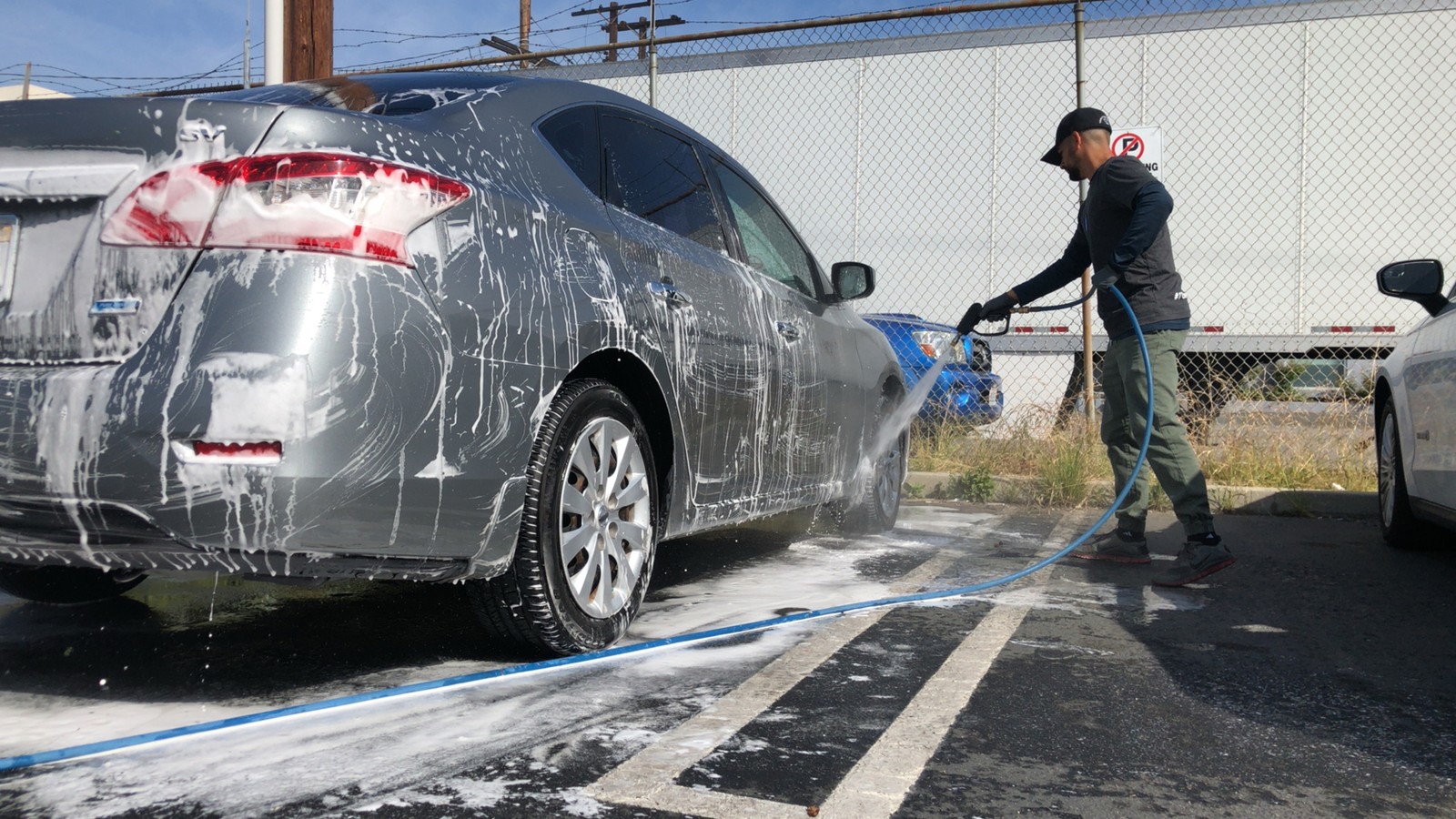
- Full Contact Wash and Rinse: Wash vehicle thoroughly using the two-bucket method to remove all road grime, dust. And oily surface film.
- Panel Cool-Down and Shaded Setup: Verify panels are completely cool to the touch and out of direct sunlight to prevent premature chemical drying.
- Chemical Iron Spray Application: Mist iron fallout chemical dissolver generously across all exterior painted panels, glass. And wheels.
- Three to Five-Minute Dwell Time: Allow solution to dwell undisturbed, observing panels as the reactive formula turns deep purple.
- Gentle Foam Pad Agitation (Optional): On severely dirty vehicles, gently spread the purple chemical with a damp microfibre wash pad to ensure complete coverage.
- High-Pressure Pure Water Blast: Thoroughly blast all panels, door jambs. And wheel arches with high-pressure water to flush away dissolved iron complexes.
- Secondary Shampoo Wash: Perform a quick secondary wash with car shampoo to neutralise any lingering thioglycolate chemical residue.
- Pure Water Sheet Rinse and Dry: Rinse with clean water and dry with plush microfibre towels, revealing completely smooth, cleaned clear coat.
heat and Dwell Time Management: Preventing Chemical Staining.
While pH-neutral iron removers are exceptionally safe on car paint, proper dwell time management is essential. The active thioglycolate formula must never be allowed to dry completely on vehicle panels.
If allowed to bake dry under direct sunlight, the purple iron chelate complex can dry into stubborn dark stains that require machine buffing to remove.
Always work in the shade on cool panels. In hot Australian summer conditions, treat one or two panels at a time, allowing a two to three-minute dwell time before thoroughly rinsing.
Avoid spraying iron removers onto single-stage (lacquer) vintage paints without clear coat or unlacquered smart-repair touch-up paints without testing in an inconspicuous spot first.
Safe Work Australia Guidelines for Chemical and Respiratory Safety.
Iron fallout removers contain sulphur-bearing thioglycolate compounds characterized by a distinctive, strong sulphur odour. Detailers adhere to workplace health rules enforced by Safe Work Australia.
pros must operate in well-ventilated wash bays equipped with active mechanical air extraction. In enclosed areas, pros wear half-mask respirators fitted with organic vapour and acid gas cartridges.
Nitrile chemical gloves protect hands from skin irritation. While full-seal safety goggles prevent chemical mist from entering the eyes during spraying.
Wash effluent containing dissolved iron chelates must be directed through municipal trade waste interceptor pits conforming to local water authority guidelines.
Regional Risks: Armidale Freight Corridors and Heavy Towing.
Driving throughout the New England region exposes vehicles to heightened ferrous dirt. Heavy freight traffic on the New England Highway and frequent towing of horse floats and cattle trailers place immense stress on vehicle braking systems.
Continuous heavy braking down mountain descents throws glowing metallic dust across vehicle sills and rear tailgates. In Armidale, regional bore water used in rural sprinklers also contains high dissolved iron content, leaving orange mineral scale across vehicle sides.
Performing a bi-annual chemical iron cleaning wash removes heavy brake fallout and bore water rust stains, preserving clear coat health and preventing costly repainting.
pro detailers also consult Transport for NSW road safety guidelines to ensure all workshop procedures meet regional safety codes.
People Also Ask About car paint iron fallout remover.
What does iron fallout remover do to car paint?.
Iron fallout remover chemically reacts with tiny embedded iron particles (sintered brake dust and rail dust), turning purple as it dissolves them into water-soluble liquid that rinses away safely, without scratching the clear coat.
How often should you use iron remover on your car?.
For daily drivers in Australia, use an iron fallout remover every three to six months. Or prior to applying new waxes, sealants. Or ceramic coatings. power vehicles with large brake rotors benefit from quarterly treatments.
Can iron fallout remover damage car paint or plastic?.
High-quality, pH-neutral iron removers will not damage factory clear coats, glass. Or plastic trim when used correctly and rinsed before drying. Do not let the product dry on hot panels under direct sunlight.
Why does iron remover smell like rotten eggs?.
The distinctive pungent smell comes from active sulphur-based thioglycolate compounds. This are essential for breaking the chemical bonds of solid iron oxides and converting them into water-soluble complexes.
Frequently Asked Questions on Chemical Fallout Removal.
Can I use iron remover on wheels and paint?.
Yes, quality iron removers are formulated for use on both painted car body panels and factory clear-coated alloy wheels, painted calipers. And glass.
Do I need to clay bar if I use iron remover?.
Using iron remover eliminates the vast majority of rough metallic dirt. However, a clay bar may still be needed to remove non-ferrous bonded contaminants like tree sap, road tar. And paint overspray.
Will iron remover strip my ceramic coating?.
No, quality pH-neutral iron fallout removers will not strip genuine ceramic coatings. In fact, detailers use iron removers periodically to de-clog ceramic coating pores and restore water-beading power.
What happens if iron remover dries on my car?.
If allowed to dry, it can leave dark purple chemical spots. If this happens, at once re-wet the area with fresh iron remover or car shampoo, agitate gently with a wet microfibre cloth. And rinse thoroughly.
How can I tell if my car has iron fallout?.
Wash your car, place your hand inside a thin plastic sandwich bag. And glide your fingertips lightly across the paint. If the surface feels rough like fine sandpaper. Or if you see tiny orange specks on white paint, iron fallout is present.
Stopping Brake Dust Rust on Regional Towing Rigs.
Heavy towing down steep tableland hills heats up brake pads fast. Glowing iron sparks fly off rotors and weld into white door paint.
You cannot wash those iron specks off with normal car soap. Spraying an iron remover dissolves the metal from the clear coat in minutes.
The clear fluid turns royal purple as it melts the metal. Rinse with high pressure water and your paint is completely smooth again. Regular care stops ugly orange rust dots before they start.
Drive safe on dirt roads. Love your car every day. Clean paint lasts for years. Strong heat won't hurt the coat. Rain slips right off the glass. Thick mud can't stick to slick panels. Wash day is quick and fun. Rims stay bright in the sun. Black tyres look rich and clean. Safe care brings peace of mind.
Keep your car clean. Rinse dirt with fresh water. Use soft towels. Dry panels with no streaks. Fast work brings peace of mind.
Clean wheels make a car look sharp. Clear paint keeps your pride bright. Good car care pays off big when you sell. Smart drivers keep their cars clean and fresh.
Chemical iron spray is safe for paint and wheels. It cleans brake soot from alloy barrels with zero hard scrubbing. Rims look brand new in minutes. Purple fluid rinses clean with water. Your paint stays bright, clean. And rust free for years.
Use iron spray twice a year on daily drivers. power cars love quarterly care. Clean paint reflects sunlight with deep gloss and zero orange specks.
Decontaminating paintwork chemically protects modern waterborne clear coats. When iron particles dissolve completely, paint pores close up tight. Waxes and sealants bond ten times stronger to clean paint. Your vehicle stays slick, glossy. And completely protected against rust pitting.
Towing horse floats, trade trailers. Or caravans places heavy strain on vehicle brakes. Metallic brake dust showers over lower sills on every trip. A quick bi-annual chemical cleaning keeps white paint pristine and alloy wheels gleaming like new.
Removing embedded iron particles restores factory smoothness to exterior paintwork. The car feels silky to the touch after washing. Gloss levels increase noticeably as clear coat optical light bending is restored. Regular chemical care stops rust pitting and keeps your vehicle in showroom condition across regional New South Wales.
Safe chemical cleaning takes less than twenty minutes per vehicle. Simply spray, observe the purple bleeding action. And rinse with pure water. Your clear coat remains healthy, smooth. And fully protected against corrosion.
Clean paint stays bright in the sun. Chemical iron spray saves hours of hard claying. Your clear coat remains pure, smooth. And completely rust free.
Conclusion: Restoring Pure, Smooth Paintwork.
Embedded iron fallout represents an invisible, corrosive threat that quietly degrades car clear coats from the inside out.
Deploying a pro car paint iron fallout remover neutralises sintered metallic particles safely and completely, stopping rust pitting before it compromises your vehicle's sheet metal.
For motorists across Armidale and northern New South Wales, routine chemical iron cleaning ensures your vehicle retains glass-smooth paintwork, brilliant gloss. And lasting structural protection.