Behind every swirl-free mirror shine and flawless ceramic coating use lies an indispensable detailing asset: high-power microfibre towels. When detailing enthusiasts and pro operators invest in premium edgeless plush towels, adopting proper microfibre towel care for car detailing practices ensures delicate split-polyester fibers remain ultra-soft, absorbent. And free from paint-scratching dirt. In regional Australia across Armidale and northern New South Wales, hard mineral water, unsealed road dust. And improper laundry detergents can turn costly microfibre towels into stiff, abrasive sandpaper within a few wash cycles. Understanding the polymer physics of microfibre care protects your car paintwork from wash-induced marring and extends towel lifespan indefinitely.
microfibre towel care for car detailing requires washing split polyamide/polyester towels at 40C using dedicated liquid microfibre detergent without fabric softeners, bleach. Or powdered soaps. Low-heat tumble drying or clean indoor line drying preserves delicate electrostatic wedge fibres, preventing clear coat scratching.
- The tiny Anatomy of Split Microfibre: Polyamide vs Polyester.
- GSM Ratings and Weave Types: Plush, Pearl, Waffle. And Twisted-Loop.
- The Fatal Laundry Mistakes: Fabric Softeners, Bleach. And Powdered Soap.
- Heat Damage: Why Boiling Water and High-Heat Dryers Melt Microfibres.
- Segregation Protocols: Never Mix Wheel, Engine. And Paint Towels.
- Comparison Table: Household Laundry Habits vs Dedicated Microfibre Care.
- The 8-Step Microfibre Washing and Drying Protocol.
- Boiling Water Restoration: Recovering Stiff, Clogged Towels With Vinegar.
- Safe Work Australia Guidelines for Workshop Laundry Safety.
- Regional Factors: Armidale Hard Water and Mineral Buildup.
- People Also Ask About microfibre towel care for car detailing.
- Frequently Asked Questions on Detailing Towel upkeep.
- Conclusion: Protecting Your Paintwork Tools for Flawless Results.
The tiny Anatomy of Split Microfibre: Polyamide vs Polyester.
To understand why microfibre towels require specialized laundering, one must examine their molecular construction. Detailing microfibre is an engineered blend of two synthetic polymers: polyester (typically 70% to 80%) and polyamide (nylon, 20% to 30%).
Polyester provides structural strength and mechanical scrubbing power. While polyamide provides great water absorbency and electrostatic attraction. The defining feature of high-grade detailing microfibre is that the fibers are mechanically "split" during manufacturing.
A single microfibre strand is one-hundredth the diameter of a human hair. When split under high pressure, the fiber cross-section resembles an asterisk or pie chart with tiny wedges.
These tiny wedges act like millions of tiny squeegees. When wiped across car paint, the wedges scoop up dust, buffing compound residue. And ceramic liquid, channeling the particles deep into internal voids away from the clear coat.
If towels are washed improperly, these tiny wedges become clogged or melted, transforming a soft towel into an abrasive cloth that inflicts severe swirl marks.
To skill swirl-free results, scheduling a pro premium paint correction and exterior detail bonds your car is touched only with surgically clean, pristine microfibre towels.
GSM Ratings and Weave Types: Plush, Pearl, Waffle. And Twisted-Loop.
Microfibre towels are classified by their weight in grams per square metre (GSM) and their specific weave pattern, each designed for distinct detailing tasks:
300 to 350 GSM Pearl Weave: Tight, closed-loop, low-pile weave. Ideal for leveling ceramic coatings and wiping away oily buffing compounds, as the firm weave provides high mechanical bite without linting.
400 to 500 GSM Edgeless Plush: Medium-to-high pile plush microfibre. The fluffy, open fibers cushion spray detailers, waterless washes. And quick detailer sprays, safely encapsulating light dust.
350 to 450 GSM Waffle Weave: Distinctive textured pockets resembling a breakfast waffle. Engineered specifically for car glass, waffle weave glides with low friction and absorbs glass cleaner without streaking.
1000 to 1400 GSM Twisted-Loop: Massive, ultra-dense drying towels featuring long twisted yarn loops. A single twisted-loop towel can absorb over three litres of water, drying an entire large SUV touchlessly in minutes.
The Fatal Laundry Mistakes: Fabric Softeners, Bleach. And Powdered Soap.
Laundering detailing microfibre alongside regular household clothing is the fastest way to ruin your towels. Three household laundry products are fatal to microfibre:
Fabric Softeners (Liquid and Dryer Sheets): Fabric softeners work by depositing a thin, waxy coating of silicone and quaternary ammonium compounds over fabric fibers to make them feel soft. When applied to microfibre, the waxy coating clogs the tiny split wedges. The towel loses 100% of its water absorbency and smears grease across paintwork.
Powdered Laundry Detergents: Powder detergents frequently fail to dissolve completely in warm wash water. Undissolved detergent granules become trapped inside the microfibre wedges, transforming the towel into abrasive sandpaper that scratches clear coat.
Chlorine Bleach: Bleach is a harsh oxidizer that chemically dissolves polyamide (nylon) fibers. Bleached microfibre becomes brittle, sheds heavy lint. And loses structural integrity.
Heat Damage: Why Boiling Water and High-Heat Dryers Melt Microfibres.
Microfibre is made of synthetic polymers (polyester and polyamide). Both materials are plastics with relatively low melting points.
Polyamide fibers begin to soften and deform at heats above sixty degrees Celsius (60C). When exposed to boiling water or high-heat tumble dryer cycles, the tiny split fiber tips melt and fuse together.
Melted microfibre loses its soft, plush hand-feel, developing a rough, crispy, scratchy texture. Once microfibre tips melt, they can never be un-melted. the towel becomes permanent scrap material that will instantly scratch paint.
Always wash detailing towels in cool or warm water (maximum 40C) and tumble dry on the "Air Fluff" or lowest possible heat setting.
Segregation Protocols: Never Mix Wheel, Engine. And Paint Towels.
Cross-dirt is a catastrophic risk in microfibre management. A towel used to clean black brake dust from alloy wheels or grease from door jambs picks up tiny metallic shards.
If you wash dirty wheel towels in the same washing machine load as your plush paint drying towels, metallic brake dust transfers from towel to towel in the wash water. Your plush drying towel is now dirty with razor-sharp metal particles.
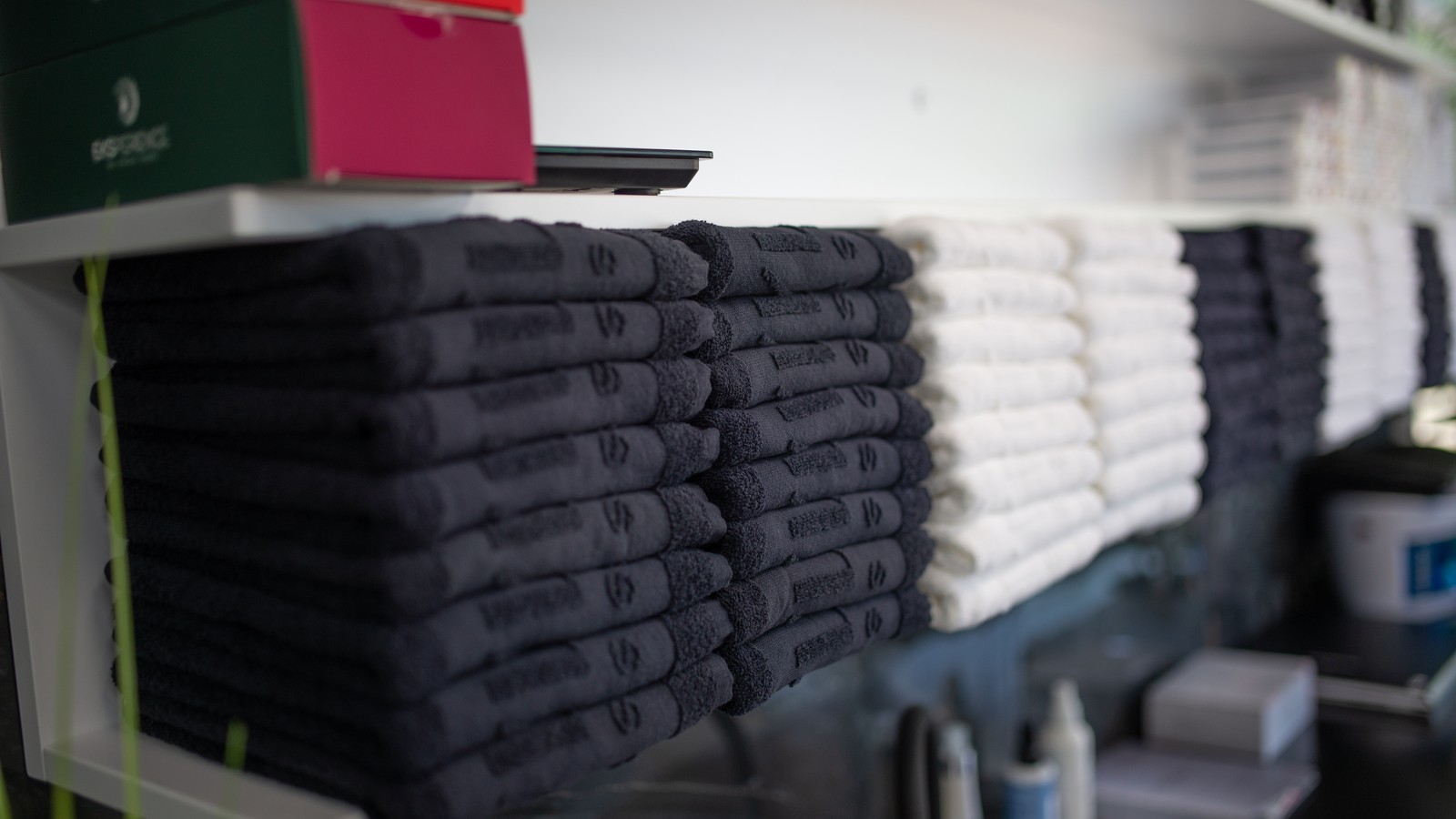
pro detailers implement strict color-coded segregation protocols. Dedicated bins separate towels into distinct tiers: Tier 1 (Paint Buffing & Drying), Tier 2 (Interior & Leather). And Tier 3 (Wheels, Exhausts & Engine Bays).
Each tier is washed in separate, dedicated machine cycles to eliminate cross-dirt risks completely.
Comparison Table: Household Laundry Habits vs Dedicated Microfibre Care.
Evaluating laundry methods highlights why dedicated microfibre care is mandatory for swirl-free detailing:
| Laundry factor. | Standard Household Washing. | pro Microfibre Protocol. |
|---|---|---|
| Detergent Type. | Powdered soap or pods with fabric softener. | Dedicated liquid microfibre wash (no scent/softener). |
| Water heat. | Hot cycle (60C to 90C. melts fiber tips). | Warm or Cool (30C to 40C safe limit). |
| Rinse Cycle Additive. | Commercial liquid fabric softener. | White distilled vinegar (dissolves detergent residues). |
| Drying Method. | High-heat tumble dryer with dryer sheets. | Low-heat / Air Fluff or clean indoor line dry. |
| Load Mixing. | Washed with cotton bath towels (severe linting). | 100% Microfibre only (strictly segregated tiers). |
The 8-Step Microfibre Washing and Drying Protocol.
pro workshops execute an eight-step laundering workflow to maintain towels in peak condition:
- Visual check and De-Tagging: Remove all maker paper tags and inspect towels for trapped pine needles or dried compound before washing.
- Segregate by dirt Tier: Separate towels into paint towels, interior towels. And wheel/engine towels. wash each tier in separate loads.
- Load Washing Machine (Microfibre Only): Never wash microfibre with cotton towels, clothing. Or wool blankets to prevent lint transfer.
- Add Dedicated Liquid Detergent: Dispense sixty millilitres of dedicated liquid microfibre detergent free from scents, dyes. And softeners.
- Warm Water Gentle Cycle (30C to 40C): Select a gentle or delicate wash cycle with warm water. never exceed forty degrees Celsius.
- White Distilled Vinegar Final Rinse: Add fifty millilitres of distilled white vinegar into the fabric softener compartment. the mild acetic acid dissolves detergent residues and restores plushness.
- Extra Rinse Cycle: Run a secondary rinse cycle with clean water to ensure zero surfactant residues remain inside the fiber wedges.
- Low-Heat Tumble Dry and Clean Storage: Tumble dry on "Air Fluff" or low heat, fold at once. And store in clean, sealed plastic storage tubs to prevent airborne dust dirt.
Boiling Water Restoration: Recovering Stiff, Clogged Towels With Vinegar.
If towels have become stiff and non-absorbent due to accidental fabric softener dirt or heavy wax loading, they can often be rehabilitated.
Fill a large stainless-steel pot with water and bring it to a gentle simmer (just below boiling, around 85C). Add one cup of white distilled vinegar.
Submerge the clogged towels and stir gently with a wooden spoon for five minutes. The hot acidic water dissolves dried waxy silicone coatings and releases stubborn polish oils.
Remove towels with tongs, rinse thoroughly in cold tap water. And run through a normal machine wash cycle. The towels emerge soft, supple. And fully absorbent once more.
Safe Work Australia Guidelines for Workshop Laundry Safety.
Laundering commercial detailing towels involves managing solvent residues, ceramic resins. And chemical degreasers governed by Safe Work Australia.
Towels saturated with ceramic coatings or solvent-based metal polishes undergo exothermic chemical reactions as they cure. Storing solvent-soaked towels in tight piles can cause spontaneous combustion fires.
All ceramic use cloths must be submerged in water buckets at once after use before disposal. Laundry areas maintain active ventilation and compliant chemical storage.
Regional Factors: Armidale Hard Water and Mineral Buildup.
Laundering microfibre towels in regional northern New South Wales presents specific challenges. In Armidale, regional water supplies often contain trapped mineral and chalk minerals.
Over multiple wash cycles, hard water minerals precipitate onto the delicate microfibre wedges, making towels feel stiff, scratchy. And cardboard-like.
Adding distilled white vinegar to every rinse cycle neutralizes hard water minerals, preventing lime scale buildup and keeping your microfibre towels soft and safe for every wash.
pro detailers also consult Safe Work Australia workplace chemical safety standards to ensure all workshop procedures meet regional safety codes.
People Also Ask About microfibre towel care for car detailing.
Can you wash microfibre towels with normal detergent?.
You can use standard liquid laundry detergent as long as it is 100% free from fabric softeners, bleach. And artificial scents. However, dedicated microfibre detergents are far superior because they break down car waxes and polish carrier oils effectively.
Why did my microfibre towels lose their absorbency?.
Microfibre towels lose absorbency primarily because they were washed with fabric softener, dried with dryer sheets. Or washed with powdered detergent. The waxy softeners clog the split tiny wedges. Strip them with white vinegar to restore absorbency.
Can you put detailing towels in the clothes dryer?.
Yes. But only on the lowest possible heat setting or "Air Fluff" (no heat). High heat will melt the synthetic polyester and polyamide fibers, turning the towel scratchy and permanently abrasive.
How long do detailing microfibre towels last?.
High-quality Korean and Chinese microfibre towels last between fifty and one hundred wash cycles when laundered properly. As paint towels age, demote them to interior, wheel. Or engine bay cleaning.
Frequently Asked Questions on Detailing Towel upkeep.
Can I wash microfibre towels with cotton towels?.
Never wash microfibre with cotton towels. Microfibre acts like a static magnet for cotton lint. The cotton lint fills the tiny wedges, causing the towel to shed white fuzz across your car forever.
How do I wash towels used for ceramic coating?.
Towels used to level ceramic coatings must be submerged in water at once after use and washed within hours. Once ceramic resins fully cure (after 12 to 24 hours), the glass crystals harden permanently. And the towel must be thrown away.
What does white vinegar do for microfibre towels?.
White distilled vinegar acts as a natural, residue-free fabric softener. Its mild acetic acid dissolves detergent residues, cuts through remaining wax oils, neutralises hard water minerals. And restores towel plushness.
Should you wash new microfibre towels before using them?.
Yes! Always wash brand-new microfibre towels before their first use. Pre-washing removes loose manufacturing lint, clears excess dye that could bleed onto paint. And blooms the split fibers for maximum absorbency.
How should detailing towels be stored?.
Store clean detailing towels in sealed plastic storage drawers, airtight plastic tubs. Or zip-top bags. Leaving towels on open garage shelves allows airborne sawdust, road dust. And grit to contaminate the fibers.
Towel Sorting and Colour Coding Rules for Car Care.
Dedicated car detailers follow strict colour coding rules for every microfibre towel in the workshop. Assigning specific colours to different vehicle areas stops abrasive wheel grime from ever touching delicate exterior paintwork.
Use black or grey towels exclusively for cleaning dirty alloy wheels, exhaust tips. And engine bay grease. Use green or yellow towels for interior vinyl, leather wiping. And door jambs. Reserve plush blue or purple towels solely for buffing paintwork.
If a microfibre towel drops on the ground, never touch it to paint again. The split polyester fibres act like tiny hooks that grab grit, sand. And pebbles from concrete or grass. Wash dropped towels separately and demote them to wheel cleaning duties.
Inspect towel edges and borders before buffing soft clear coats. High quality edgeless microfibres or satin banded edges eliminate the risk of edge marring. Fresh, clean towels glide smoothly over paintwork with zero friction drag.
Clean towels keep paint swirl free. Soft microfibre glides over clear coat. Wash towels with gentle soap. Dry with low heat. Fluffy towels make buffing easy and fun. Drive safe on country roads. Love your car every day. Clean paint brings peace of mind.
Keep your towels clean. Rinse grit with warm water. Use liquid wash soap. Dry towels with cool air. Fast work brings peace of mind. Take pride in your ride. Park in the cool shade. Swirl free paint brings true joy on every road trip. You win on every drive.
Good towel care is easy. Wash batches once a week. Separate dirty rag piles. Lift lint with clean water rinses. Store clean cloths in sealed plastic boxes. Soft towels stay fluffy in winter and summer. Pure towels never scratch delicate clear coat. You enjoy true luxury on every country mile.
Proper towel upkeep saves money over years of vehicle ownership. Quality microfibres last through hundreds of wash cycles when laundered correctly. Caring for your cleaning gear is the foundation of flawless car detailing.
Using pristine microfibre towels bonds swirl-free washing and crystal clear glass. Your vehicle maintains mirror-like shine and showroom brilliance on every sunny weekend drive across regional New South Wales.
Drive safe on rural roads. Love your car every day. Pure paintwork lasts for years. Safe care brings peace of mind.
Clean towels make car care fast and fun. Soft fibres lift dust with zero scratches. Wash towels with pure soap. Dry cloths on low heat. Rims stay bright in the sun. Clear coat shines like glass. You enjoy every sunny drive. Smart habits protect your car for years to come.
Look after your gear. Soft towels do the job right. You win on every wash day.
Conclusion: Protecting Your Paintwork Tools for Flawless Results.
In the world of high-end car detailing, your tools are only as good as the care you provide them. Microfibre towels are the direct interface between your hands and your vehicle's delicate clear coat.
By adopting a disciplined microfibre towel care for car detailing regimen. washing at 40C with dedicated liquid detergent, banning fabric softeners. And drying on low heat. you ensure your towels remain velvety soft and safe.
For drivers and car enthusiasts across Armidale and northern New South Wales, proper towel care bonds swirl-free paintwork, brilliant mirror gloss. And effortless detailing on every single drive.