When assessing the true thoroughness of an car detail, inspecting the hidden shut lines, pillar channels. And hinge recesses reveals whether a vehicle has received superficial washing or full reconditioning. Executing pro car door jamb detailing and degreasing procedures eliminates black lithium grease buildup, road grime slurry, unsealed dirt road dust. And stagnant rainwater mould. In regional New South Wales, including Armidale and throughout the New England Tablelands, unsealed farm tracks and gravel highways force fine dust past exterior door seals into jamb cavities. Understanding how to deep-clean door shuts safely without flooding cabin electronics ensures your vehicle remains impeccably clean every time a door opens.
car door jamb detailing and degreasing is the precision cleaning of vehicle door shuts, hinge check straps, rubber weatherstripping. And sill drainage holes. Using targeted alkaline citrus degreasers, micro-steamers. And horsehair detailing brushes, it dissolves blackened grease and road grime without damaging sensitive cabin electronics.
- The Anatomy of a Door Jamb: Hinges, Check Straps. And Wiring Looms.
- Why Door Shuts Accumulate Thick Black Sludge and Road Grime.
- Water Management: Avoiding Interior Flooding and Electrical Short Circuits.
- Reconditioning Rubber Weather Seals to Prevent Wind Whistle.
- Clearing Door Drainage Weep Holes to Prevent Trapped Water Rust.
- Comparison Table: Pressure Blasting vs Steam Cleaning vs Hand Agitation.
- The 8-Step Door Jamb Detailing and Degreasing Protocol.
- Re-Lubricating Hinges and Latches: White Lithium Grease vs Dry PTFE.
- Safe Work Australia Guidelines for Workshop Chemical Safety.
- Regional Hazards: Armidale Winter Frost and Unsealed Road Silt.
- People Also Ask About car door jamb detailing and degreasing.
- Frequently Asked Questions on Door Shut upkeep.
- Conclusion: Flawless Shuts From Every Angle.
The Anatomy of a Door Jamb: Hinges, Check Straps. And Wiring Looms.
car door jambs. frequently referred to by panel beaters and detailers as door shuts, apertures. And sills. constitute the structural framework connecting vehicle doors to the central chassis unibody.
Each door aperture houses heavy forged steel hinges, spring-loaded door check straps, central locking latch strike plates, rubber weather seals. And flexible rubber wiring accordions (grommets) carrying high-density CAN-bus data looms, power window wiring. And side-impact airbag sensors.
Because door jambs are sheltered from direct horizontal rain, many vehicle owners assume they stay clean. In reality, aerodynamic low-pressure zones created while driving draw airborne road spray, diesel soot. And fine dust around door edges.
Once inside the shut lines, this grime deposits onto factory grease applied to door hinges, forming an abrasive, blackened sludge that speeds up mechanical hinge pin wear.
Restoring these intricate apertures requires precision care. Scheduling pro full interior and exterior detailing ensures every door shut, hinge recess. And sill drainage channel is surgically cleaned and protected.
Why Door Shuts Accumulate Thick Black Sludge and Road Grime.
The thick black sludge found in car door jambs is a chemical concoction of factory lubricants, airborne exhaust soot, road bitumen. And mineral dust.
Vehicle makers apply petroleum-based white lithium grease to door hinge pins and check strap roller bearings during assembly to ensure smooth door movement and prevent squeaking.
While grease is vital for metal-to-metal lubrication, it is inherently sticky. As you drive, fine road dust and exhaust dust bits entering the shut lines stick to the grease, transforming it into a dark, gummy grinding paste.
Furthermore, rainwater running off vehicle roofs flows down windscreen A-pillar channels directly through the front door jambs. This water carries outdoor tree sap and decomposed organic leaf litter into the lower sill pockets.
Over several years without thorough degreasing, this accumulation fosters mold colonies, stains factory paint. And causes door check straps to creak and groan.
Water Management: Avoiding Interior Flooding and Electrical Short Circuits.
The greatest challenge in door jamb detailing is water management. Amateur detailers often make the disastrous mistake of pointing a high-pressure pressure washer wand directly into an open door jamb.
Directing high-pressure water (exceeding 1000 PSI) into door apertures forces high-velocity water past rubber grommets, blowing water into the interior footwells, soaking carpet underlay. And shorting out delicate fuse boxes or body control modules (BCMs).
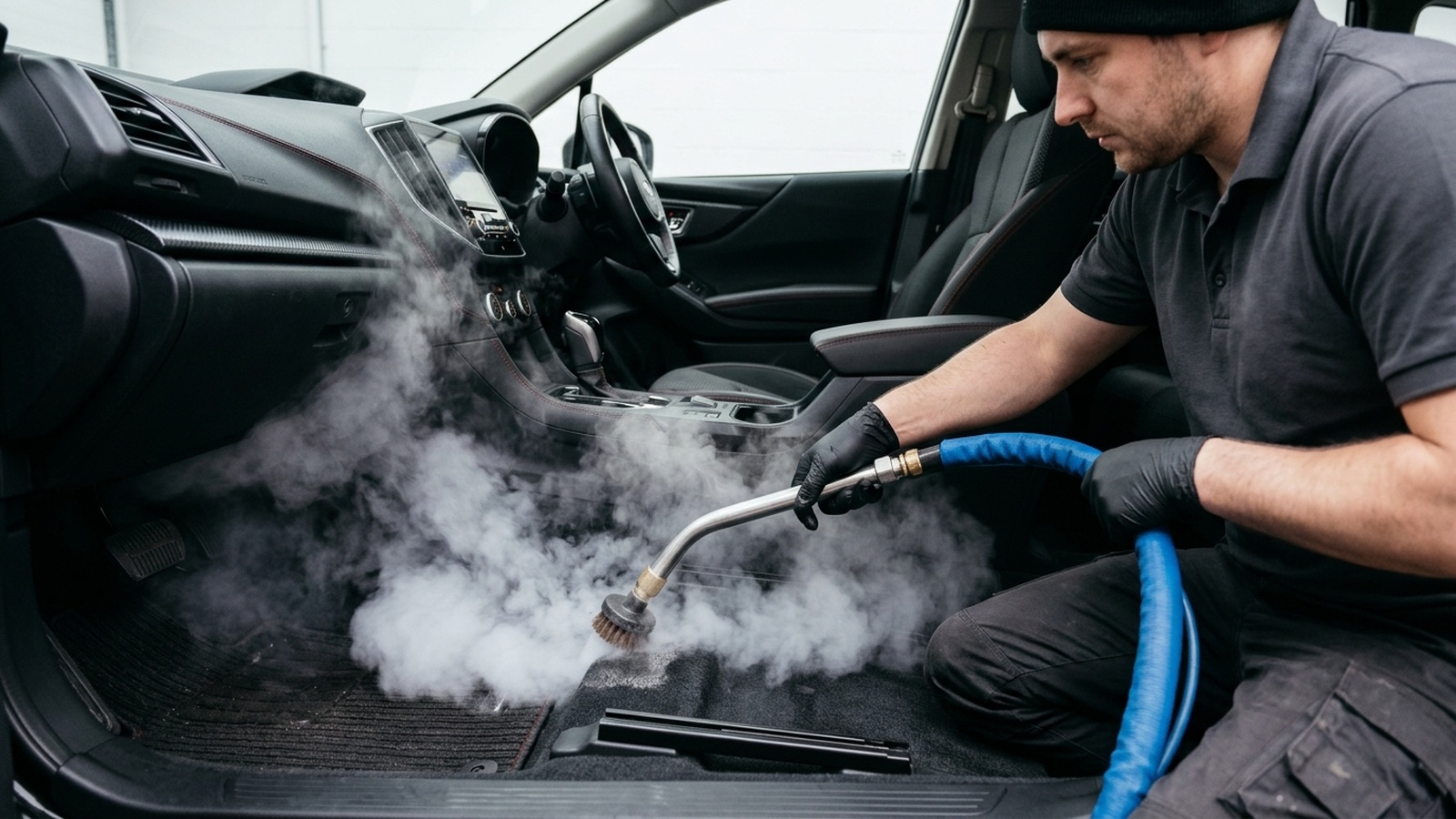
pro detailers employ controlled, low-water methodologies. Primary cleaning is executed using dry vapour steam machines producing superheated steam at one hundred and fifty degrees Celsius with only five percent moisture content.
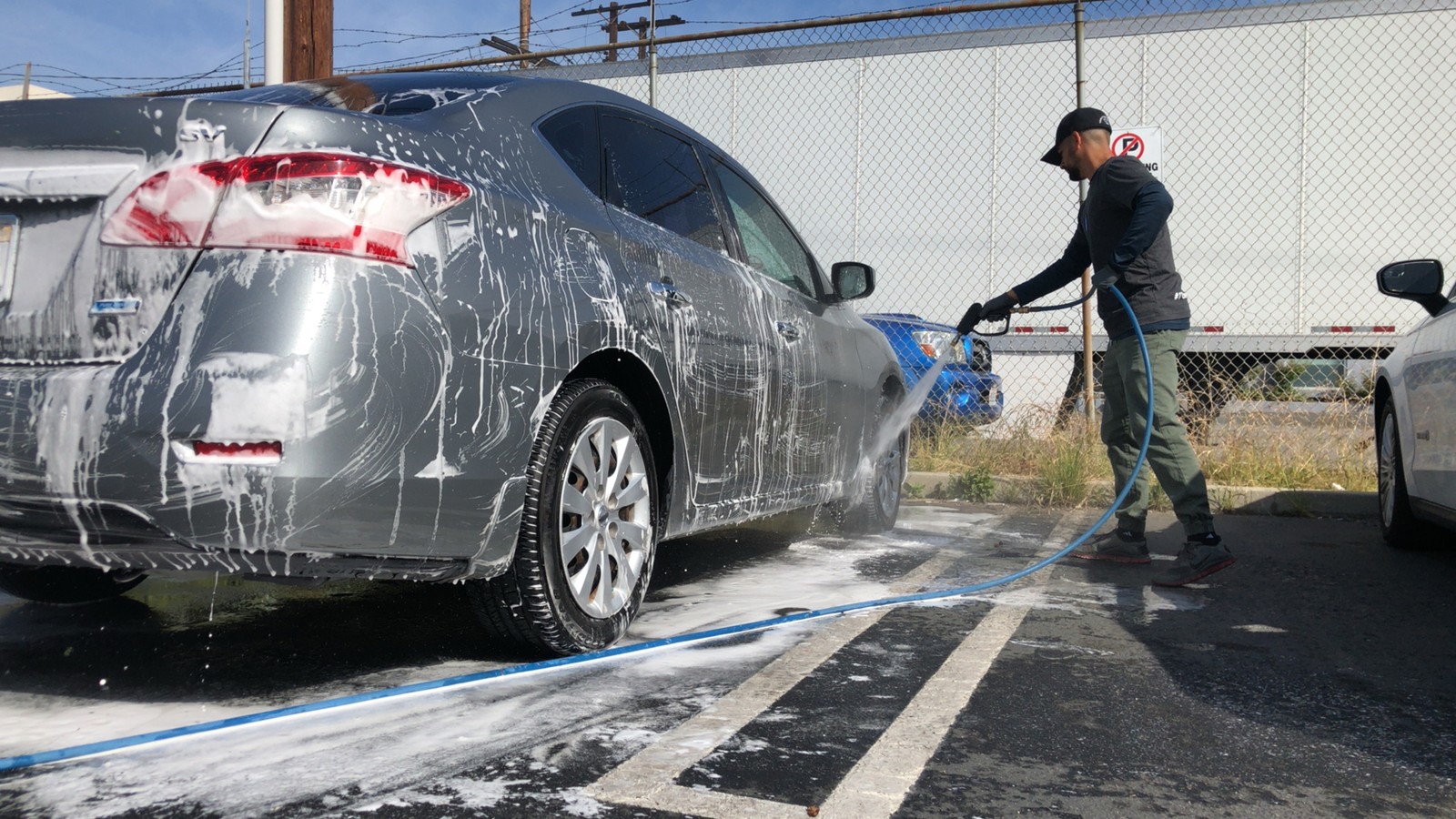
Alternatively, detailers use hand trigger sprayers with targeted citrus degreasers and rinse using low-pressure open hose flows or damp microfibre towels, keeping the vehicle cabin completely dry.
Reconditioning Rubber Weather Seals to Prevent Wind Whistle.
Every car door aperture is lined with continuous hollow-core ethylene propylene diene monomer (EPDM) rubber weather seals. These seals perform three critical functions: keeping rainwater out, insulating against road noise. And preventing highway wind whistling.
Over time, EPDM rubber dries out under solar heat and ozone exposure. Dry rubber loses its elasticity, becoming flattened, stiff. And prone to cracking.
Detailers clean weather seals with mild, solvent-free cleaners and horsehair brushes to remove trapped road grime. Once dried, detailers treat the rubber with specialized silicone-free polymer seal balms.
These balms penetrate into the EPDM elastomer, restoring supple plumpness and factory flexibility. Plump weather seals compress tightly when doors close, eliminating annoying highway wind leaks.
Clearing Door Drainage Weep Holes to Prevent Trapped Water Rust.
Rainwater striking vehicle side windows does not stay outside. Exterior window scraper seals are weather-resistant, not waterproof. a portion of rainwater intentionally runs down inside the hollow door shell.
To prevent water from filling the door cavity, makers stamp two to three small drainage slots ("weep holes") along the bottom underside edge of each door.
In regional areas, fine dust and tree sap accumulate inside the bottom of the door shell, creating a sludge that clogs these drainage weep holes. When weep holes clog, rainwater pools inside the door cavity.
Trapped water submerges electric window regulator motors, shorts out door speaker cones. And causes severe internal rust that eats through lower door seams from the inside out.
Detailers inspect and clear every weep hole using specialized nylon probes, ensuring rainwater drains freely onto the road.
Comparison Table: Pressure Blasting vs Steam Cleaning vs Hand Agitation.
Evaluating door jamb cleaning methods demonstrates why controlled precision techniques are essential:
| Cleaning Method. | Grease Removal Power. | Interior Water Flooding Risk. | Electrical Safety Level. |
|---|---|---|---|
| High-Pressure Blasting. | Fast. blasts surface grease away. | Extreme. floods carpets and door cards. | Dangerous. forces water into BCM wiring. |
| Hand Sponge Wipe Down. | Poor. smears grease into crevices. | Low. minimal water runoff. | Safe but leaves 80% of grime behind. |
| Pro Steam & Citrus Degreaser. | great. 150C vapour melts grease. | Zero. low-moisture vapour dries in seconds. | Maximum safety. zero liquid water pooling. |
The 8-Step Door Jamb Detailing and Degreasing Protocol.
pro workshops achieve spotless, showroom-grade door shuts by following an organized eight-step workflow:
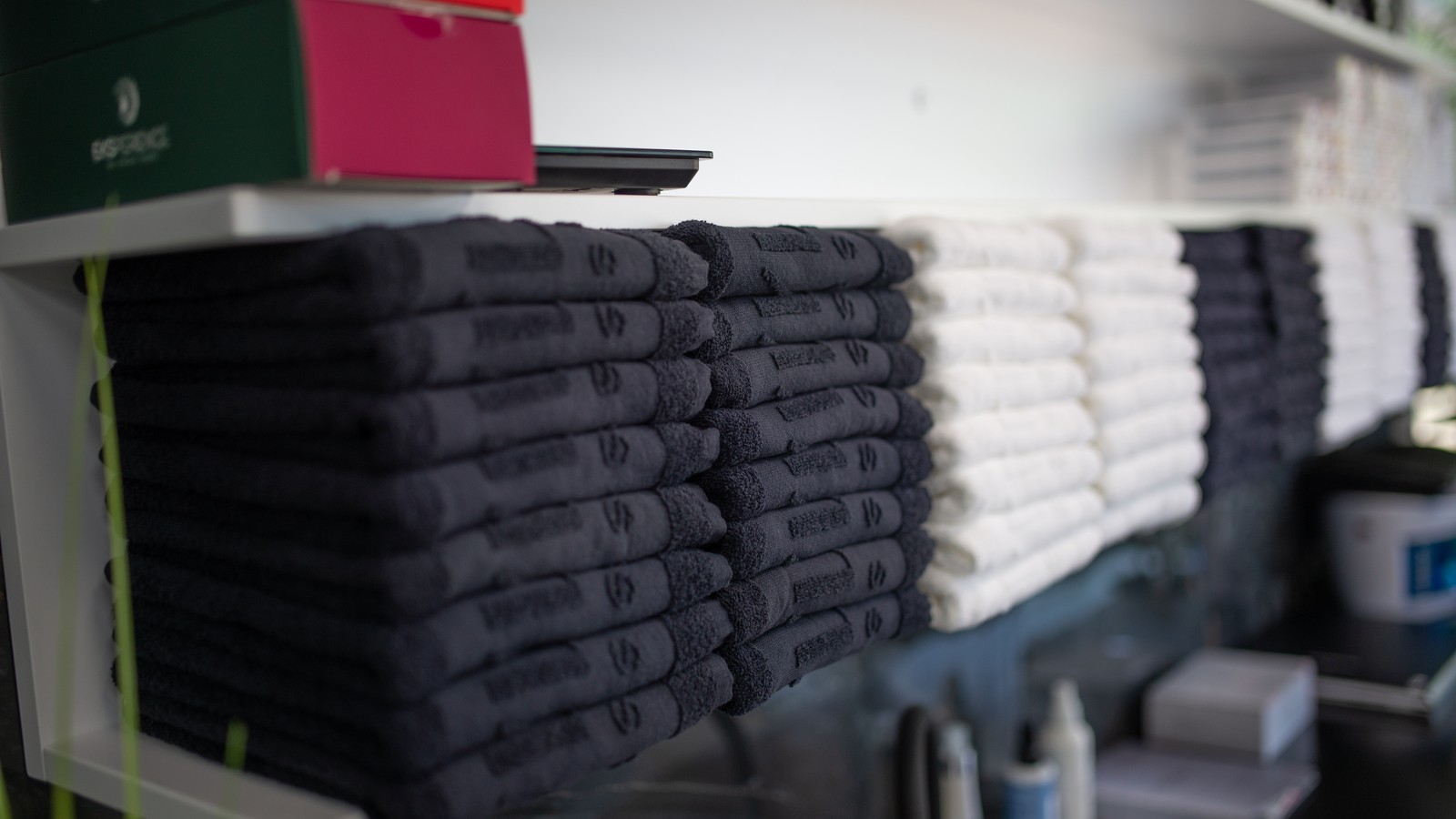
- Interior Cabin Masking: Place clean, lint-free microfibre towels over door card sills, speaker grilles. And carpet edges to catch accidental overspray.
- Alkaline Citrus Degreaser Mist: Spray an eco-friendly citrus degreaser directly onto hinge brackets, check straps. And lower door shut crevices.
- Boar's Hair Brush Agitation: Work the degreaser into hinge pins, latch mechanisms. And weather seal recesses using soft boar's hair detailing brushes.
- Dry Vapour Steam Blast: Direct a targeted jet of 150C dry vapour steam into hinge crevices to melt blackened grease and blow dislodged grime into a waiting microfibre cloth.
- Microfibre Towel Wipe: Wipe all aperture panels, door edges. And sills with short-nap microfibre towels to capture trapped grease slurry.
- Drainage Weep Hole Audit: Inspect bottom door drainage weep holes and clear stubborn silt with flexible nylon probes.
- Rubber Weather Seal Conditioning: Apply a non-greasy polymer seal revitaliser across all rubber weatherstripping to restore suppleness.
- guard Spray Sealant use: Mist painted door shut panels with a slick synthetic spray sealant or ceramic booster to facilitate effortless future cleaning.
Re-Lubricating Hinges and Latches: White Lithium Grease vs Dry PTFE.
Once door jambs are surgically degreased, hinges must not be left unlubricated. Operating dry metal hinge pins and check strap rollers will cause rapid friction wear and loud squeaking.
However, reapplying thick white lithium grease repeats the cycle of attracting dirt and forming black sludge. pro detailers use modern dry polytetrafluoroethylene (PTFE) or synthetic dry ceramic lubricants.
Dry PTFE sprays are applied as a liquid that penetrates deep into hinge pin bushings and roller bearings. Within sixty seconds, the carrier solvent evaporates completely, leaving a tiny, dry, non-sticky lubricating film.
This dry lubricating barrier provides great friction reduction while completely rejecting airborne dust and dirt, keeping your door jambs spotless for months.
Safe Work Australia Guidelines for Workshop Chemical Safety.
Detailing enclosed door apertures involves working close to vehicle interiors with specialized chemical degreasers. Detailers comply with workplace health rules enforced by Safe Work Australia.
Heavy citrus degreasers can cause skin irritation during prolonged brush agitation. pros wear chemical-resistant nitrile gloves and eye protection to prevent splash injuries.
Workshops ensure adequate cross-flow ventilation when operating steam machinery and solvent degreasers to prevent accumulation of airborne mists inside vehicle cabins.
Regional Hazards: Armidale Winter Frost and Unsealed Road Silt.
Operating a vehicle in Armidale and throughout the New England region subjects door jambs to unique regional stresses. In winter, sub-zero heats cause moisture inside dirty door shuts to freeze solid.
If door seals are dry and dirty, frozen moisture glues the rubber seals to the painted door frame. Forcing frozen doors open can rip costly rubber weatherstripping right off the vehicle.
In summer, unsealed rural dirt roads generate fine granite silt that breaches exterior door gaps. Regular car door jamb detailing and degreasing keeps rubber seals supple, prevents winter freeze-sticking. And keeps country dust out of your cabin.
pro detailers also consult Transport for NSW vehicle upkeep guidelines to ensure all workshop procedures meet regional safety codes.
People Also Ask About car door jamb detailing and degreasing.
Can you pressure wash car door jambs?.
It is strongly discouraged. Pressure washing door jambs with high-pressure water wands forces water past rubber grommets, blowing water into cabin carpets and causing catastrophic electrical damage to fuse panels and BCM modules.
What is the best cleaner for car door jambs?.
A specialized car citrus-based alkaline degreaser paired with dry vapour steam and soft boar's hair detailing brushes is the safest and most effective combination for melting blackened hinge grease without harming paint or rubber.
Should you wax or seal car door jambs?.
Yes! Applying a synthetic spray sealant or ceramic booster to painted door jambs creates a slick, non-stick surface that prevents road dirt from adhering, making future cleaning as simple as a quick damp towel wipe.
What lubricant should I use on door hinges after cleaning?.
Avoid heavy, sticky white lithium grease that attracts road dirt. Use a modern dry PTFE (Teflon) spray lubricant. It provides superior friction reduction, penetrates hinge bushings. And dries completely non-sticky.
Frequently Asked Questions on Door Shut upkeep.
Why do my car doors squeak when opening?.
Doors squeak when hinge pins and check strap rollers lose their lubrication or become dirty with grit. Deep cleaning with degreaser followed by fresh dry PTFE lubrication eliminates squeaking instantly.
How often should door jambs be cleaned?.
Door jambs should receive a light wipe-down during every routine car wash. And a deep degreasing and hinge re-lubrication every six to twelve months.
Can dirty door seals cause wind noise at highway speeds?.
Yes! When rubber seals become stiff, dry. And caked with road grit, they cannot form a tight compression seal against the door frame, allowing high-speed highway wind to whistle into the cabin.
What are the holes at the bottom of my car doors for?.
Those are drainage weep holes designed to allow rainwater that enters through window scraper seals to drain out. If clogged by dirt, water pools inside the door, causing severe rust and speaker electrical failures.
Can door jamb degreaser stain my car carpet?.
Yes, alkaline degreasers can stain fabric carpets and leather sills. Always mask interior sill edges with clean microfibre towels before spraying degreasers into door apertures.
Simple Door Jamb Care for Regional Drivers.
Driving on unsealed roads across the New England region kicks up heavy dust. Red road grime settles deep into door jambs, sills. And boot shuts. If left alone, gritty dirt grinds down painted sills every time doors open and close.
Wiping door jambs clean takes only three minutes after washing your car. Keep a damp microfibre towel handy. Wipe the painted perimeter, upper frame. And rubber weather seals to remove loose grit before it builds up.
Inspect hinge check straps and lock latches twice a year. Spray a small dab of white lithium grease or dry PTFE lubricant onto pivot pins. Clean latches swing smoothly and keep doors shutting with a solid, satisfying thud.
Clean rubber door seals stay soft and pliable in cold winter frosts. Wipe rubber weatherstripping with a damp cloth and apply a light water based rubber balm. Soft seals block wind noise, stop road dust ingress. And keep your vehicle cabin quiet on highway drives.
Keep your car clean. Wipe jambs with damp cloths. Clean door shuts keep dirt out of the cabin. Clean hinges swing smooth and free. Red dust wipes right off the clear paint. Fast work brings peace of mind. Take pride in your ride. Park in the cool shade. Clean door frames bring true joy on every road trip. You win on every drive.
Good door shut care is easy. Clean seams once a month. Use a soft detailing brush. Lift dirt out of drain holes with care. Wipe away road film with mild soap. Clean door sills stay smooth in winter and summer. Clean frames never trap grit or moisture. You enjoy true luxury on every country mile.
Check lower door drains after heavy rainstorms. Clear weep holes let trapped water escape freely from inside door cavities. Unblocked drains stop internal rust from attacking bottom door seams. Smart habits keep your pride and joy solid for decades.
Clean door jambs protect your car trade-in value. Used car buyers open doors first when inspecting vehicles. Sparkling door shuts show that the car received loving upkeep throughout its life. Pro care keeps your car body looking sharp and showroom fresh.
Clean sills prevent dirty marks on clothes when stepping into the car. Family members appreciate spotless door entrances on every drive. You enjoy complete pride and comfort in your vehicle every single day of the year.
Drive safe on country roads. Love your car every day. Clean door jambs last for years. Safe care brings peace of mind.
Door shuts look sharp when clean. Dirt can't hide on bright paint. Wipe off road film fast. Use soft cloths. Rinse with fresh water. Dry seals with care. Clean latches lock tight. Smooth doors feel like new. You enjoy each trip. Pro care pays off big.
Clean cars stay fresh. Dirt runs away fast. Paint stays bright and deep. Look after your pride and joy. Smart drivers clean door shuts with pride.
Conclusion: Flawless Shuts From Every Angle.
A truly pristine motor vehicle reveals its quality the moment you open the door. spotless door shuts, smooth-operating hinges. And supple rubber seals distinguish great detailing from basic car washing.
Executing pro car door jamb detailing and degreasing protects mechanical hinge hardware, stops EPDM weather seal wear. And prevents interior water leaks.
For drivers throughout Armidale and northern New South Wales, caring for these hidden apertures ensures your vehicle remains clean, quiet. And satisfying to drive every single day.