Maintaining a swirl-free, mirror-gloss car finish begins long before a wash mitt ever makes contact with paintwork. When car care enthusiasts evaluate safe washing techniques, executing a touchless snow foam car wash stage acts as the crucial first line of defence against wash-induced marring. In regional areas such as Armidale and throughout northern New South Wales, vehicles accumulate heavy coats of abrasive granite dust, farm road mud, crushed insects. And airborne pollen. Understanding how high-lubricity foam chemistry encapsulates sharp road grit allows motorists to clean daily drivers and luxury vehicles safely without scratching clear coats.
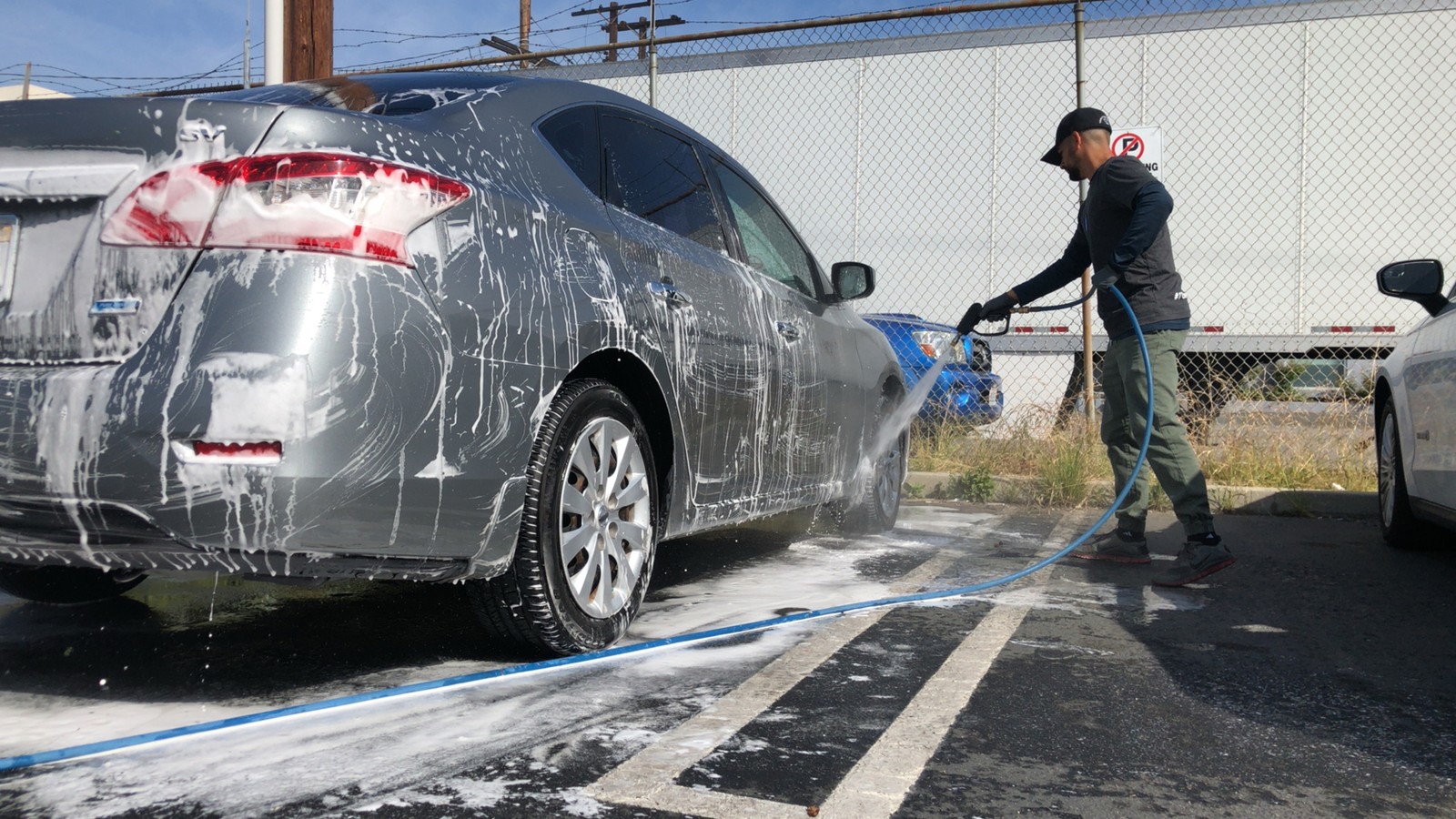
touchless snow foam car wash is a high-lubricity pre-wash process that blankets vehicle panels in thick, clinging foam using a pressure washer lance. It softens, dissolves. And encapsulates abrasive road dirt without physical contact, allowing 80–90% of surface grit to rinse away safely before contact washing.
- The Physics of Wash Marring: Why Contact Washes Scratch Paint.
- How Snow Foam Chemistry Encapsulates Road Film and Grit.
- Dilution Ratios and Foam Lance Orifice Calibration (1.1mm vs 1.25mm).
- Dwell Times: Balancing Cleaning Power and Drying Risks in the Sun.
- pH-Neutral Snow Foams vs Alkaline Strip Washes.
- Comparison Table: Direct Bucket Wash vs Standard Pre-Rinse vs Touchless Snow Foam.
- The 8-Step Touchless Snow Foam Protocol.
- Water Pressure and Flow Rate Dynamics: Pressure (PSI) vs Volume (L/min).
- Safe Work Australia Guidelines for High-Pressure Water Safety.
- Regional Hazards: Armidale Red Basalt Dust and Winter Washing.
- People Also Ask About touchless snow foam car wash.
- Frequently Asked Questions on Snow Foam Pre-Washing.
- Conclusion: The Foundation of Swirl-Free Detailing.
The Physics of Wash Marring: Why Contact Washes Scratch Paint.
More than ninety percent of all unsightly swirl marks, spider-web scratches. And surface hazing on modern vehicles are inflicted during routine washing. When a car travels down Australian roads, its exterior is bombarded by tiny quartz silica particles, road tar splatters, exhaust soot. And fine mineral dust.
Quartz mineral dust possesses a Mohs hardness rating of 7. Factory car clear coat clear coats possess an estimated Mohs hardness of only 2 to 3. In physical terms, road dust is much harder than your car's clear coat.
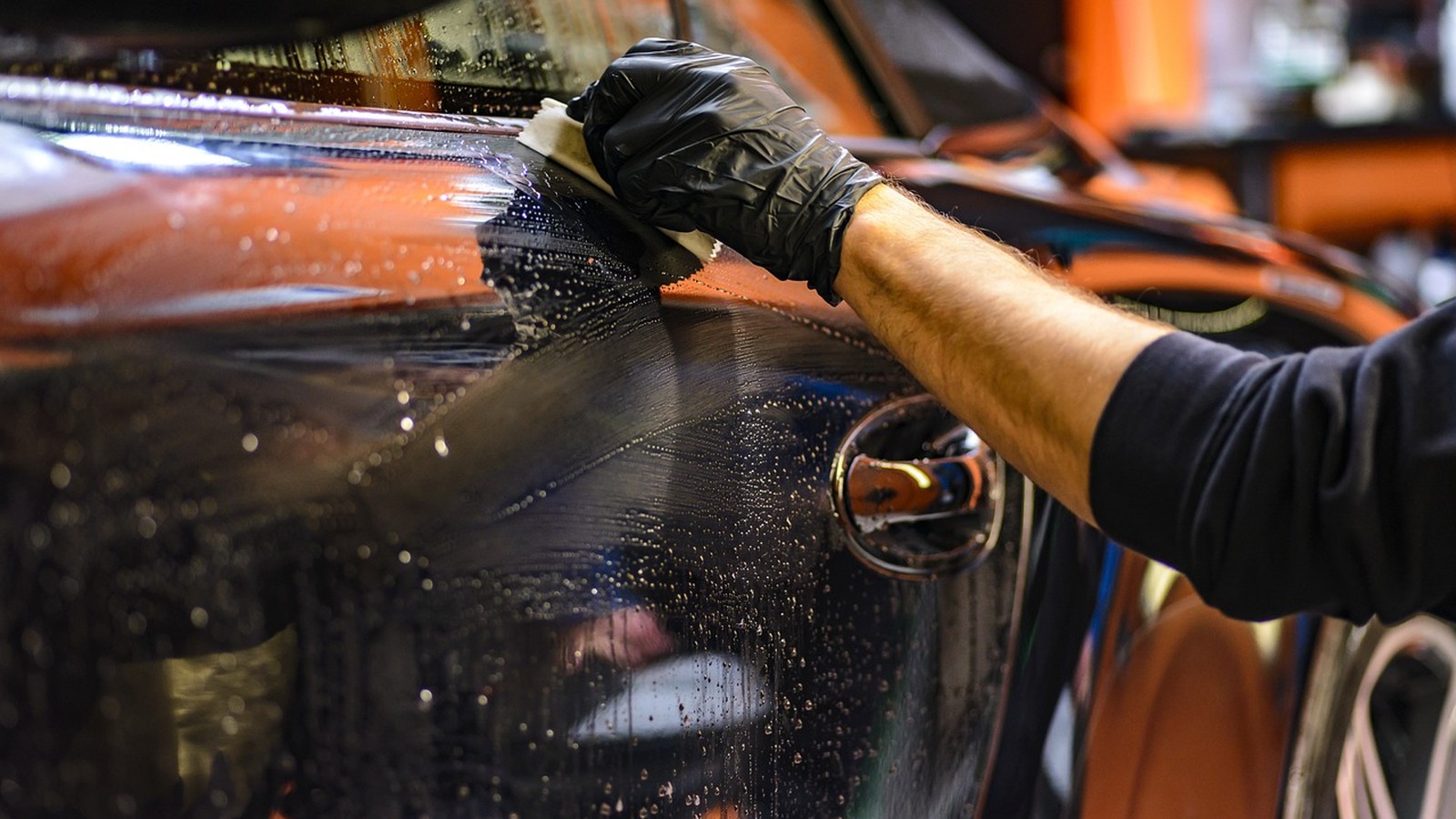
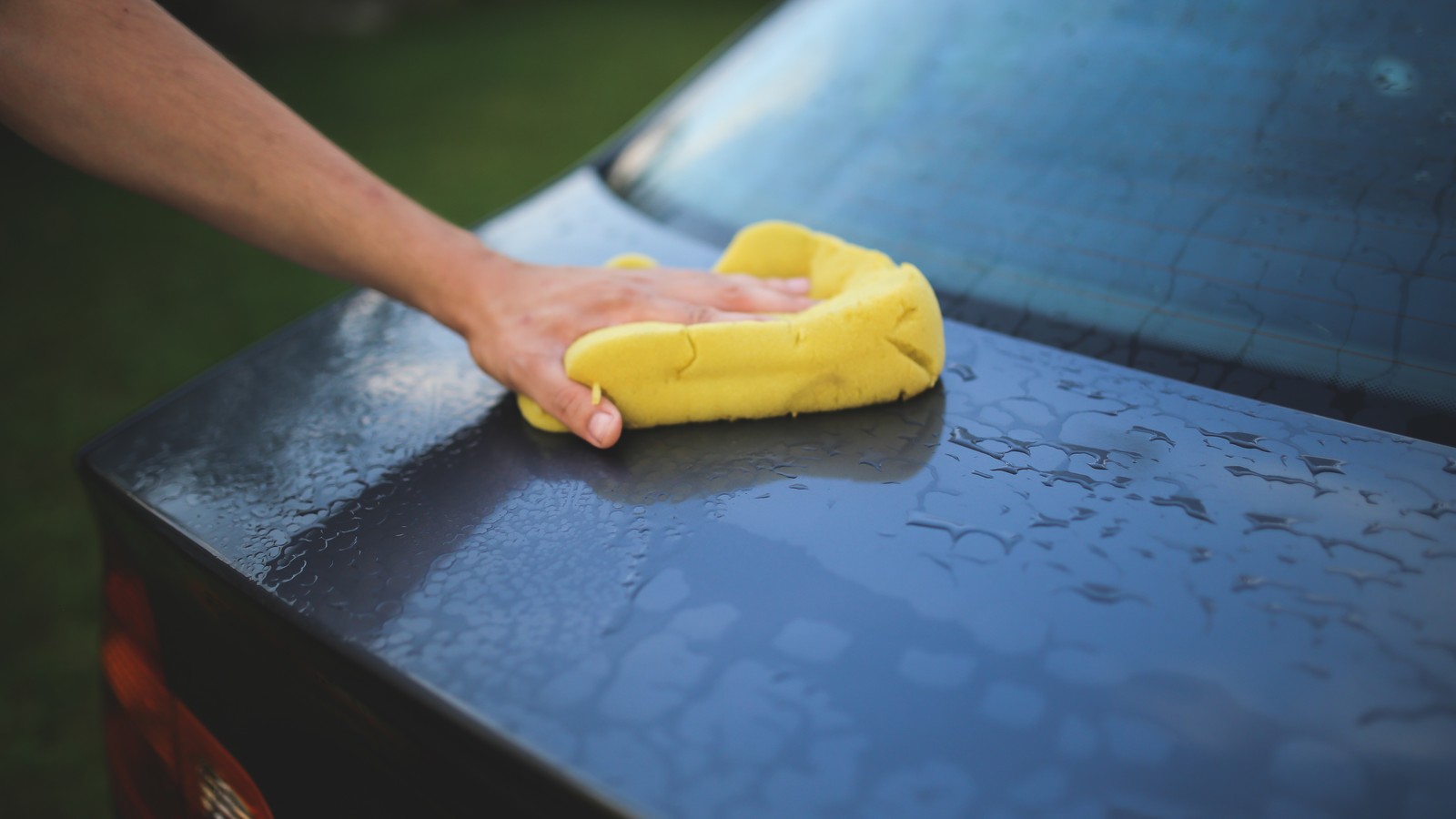
If you take a wash mitt and wipe down a dusty vehicle directly, you trap those razor-sharp quartz particles between the mitt fabric and the clear coat. Every pass of the mitt acts like ultra-fine sandpaper, grinding concentric circular scratches into the paintwork.
A touchless snow foam car wash eliminates this danger by removing the vast majority of abrasive dirt before a human hand ever touches the vehicle.
Investing in pro swirl-free exterior car wash detailing ensures your paintwork is cleaned using multi-stage touchless pre-washes that preserve optical clarity.
How Snow Foam Chemistry Encapsulates Road Film and Grit.
Snow foam is not simply standard car soap blown through a nozzle. pro snow foam concentrates are engineered with specialized surfactant packages, foaming agents. And chelating chemistry designed for dwell-time cleaning.
Surfactants consist of molecules with hydrophilic (water-attracting) heads and lipophilic (oil-attracting) tails. When applied as a thick foam, the lipophilic tails anchor into organic road traffic film, grease. And bug splatters. While the hydrophilic heads remain bound to water droplets.
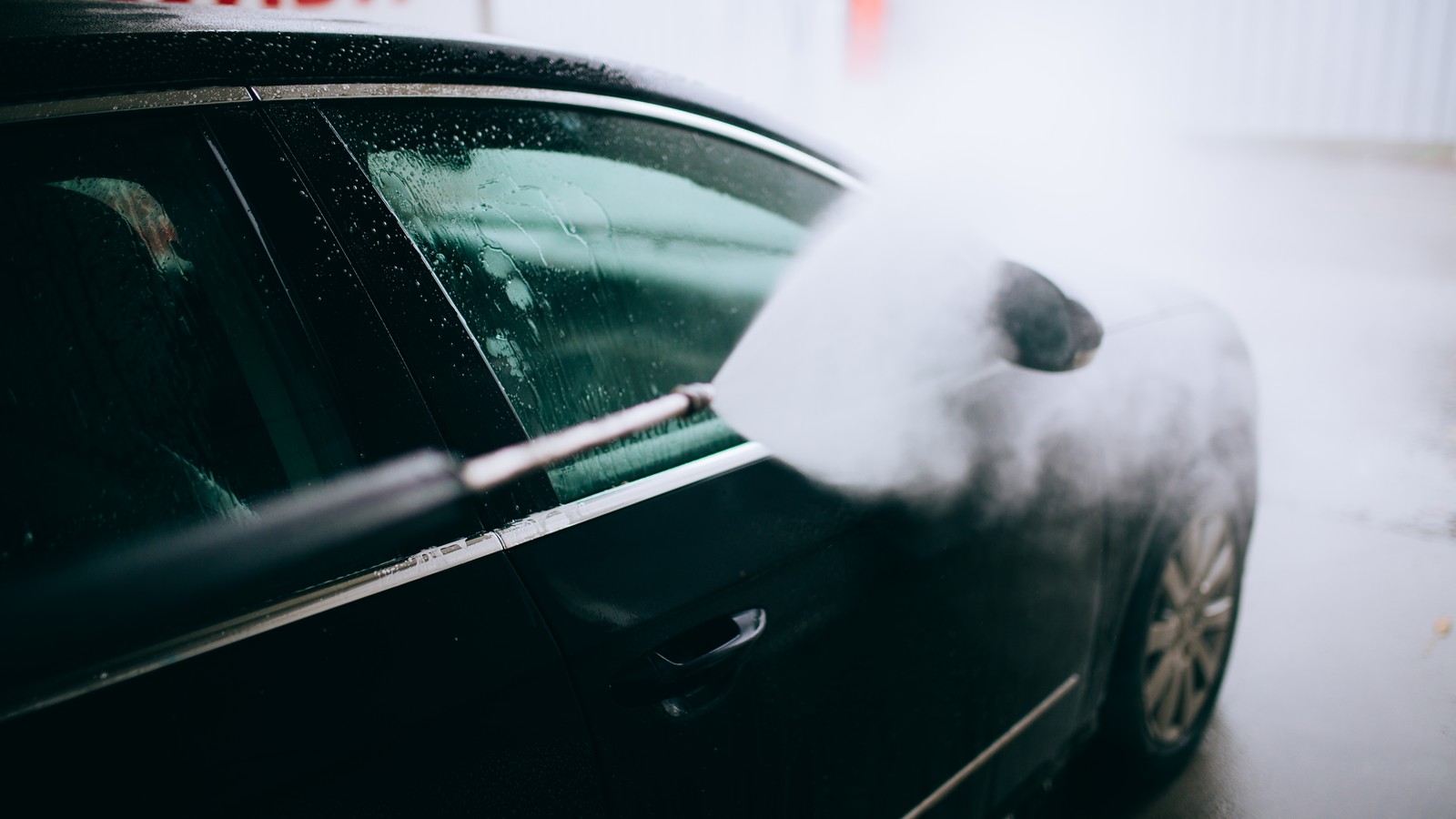
The thick, shaving-cream-like consistency allows the solution to cling to vertical panels for five to eight minutes rather than running straight down into the driveway.
As the foam slowly rolls down the panel under gravity, it creates a tiny cushion. The surfactant bubbles encapsulate sharp grit particles, lifting them out of contact with the clear coat and suspending them in liquid suspension.
When the foam is rinsed away with a high-pressure washer, eighty to ninety percent of heavy dirt washes down the drain touchlessly.
Dilution Ratios and Foam Lance Orifice Calibration (1.1mm vs 1.25mm).
Achieving dense, shaving-cream foam requires proper tools calibration. The secret to thick foam lies inside the brass body of the foam cannon lance: the internal orifice nozzle jet.
Most commercial foam cannons ship with a standard 1.25mm orifice installed. While suitable for high-output commercial pressure washers producing over ten litres of water per minute, 1.25mm orifices produce runny, watery foam on standard domestic electric pressure washers.
Detailers operating domestic pressure washers (producing seven to nine litres per minute) swap the internal nozzle for a precision 1.1mm orifice. The narrower 1.1mm jet increases fluid velocity, creating a stronger Venturi vacuum that draws soap and air together vigorously.
For dilution, detailers typically mix one hundred millilitres of high-foaming concentrate with nine hundred millilitres of warm water inside a one-litre cannon bottle (a 1:9 bottle dilution ratio).
Warm water dissolves thick foaming agents faster than cold water, producing richer, longer-clinging foam blanket coverage.
Dwell Times: Balancing Cleaning Power and Drying Risks in the Sun.
The effectiveness of a snow foam pre-wash is directly proportional to its "dwell time". the duration the foam sits on vehicle panels lifting grime.
Under ideal conditions, snow foam should dwell on panels for five to seven minutes. This duration allows surfactants to soften dried bug splatters and dissolve oily highway road film.
However, detailers must never allow snow foam to dry on vehicle panels. If soap suds dry under direct sunlight, surfactants and water minerals evaporate into strong chemical spots that can etch into hot clear coats.
Always apply snow foam in shaded conditions or during early mornings and late afternoons when panels are completely cool to the touch. In hot summer weather, rinse the foam off after three to four minutes before drying can occur.
pH-Neutral Snow Foams vs Alkaline Strip Washes.
Snow foams fall into two primary chemical categories based on their pH balance: pH-neutral upkeep foams and high-alkaline pre-wash foams.
pH-Neutral Foams (pH 6.5 to 7.5): Formulated with gentle, highly lubricated surfactants, pH-neutral foams are 100% safe for vehicles protected by carnauba waxes, polymer sealants. Or ceramic coatings. They lift everyday dust without degrading sacrificial guard layers.
High-Alkaline Pre-Wash Foams (pH 10 to 12): Formulated with citrus degreasers and alkaline salts (such as sodium metasilicate), these heavy-duty strip foams cut through caked winter road salt, diesel exhaust soot. And mud. Detailers use alkaline foams prior to machine paint correction to strip old waxes completely.
For regular bi-weekly upkeep of coated or waxed vehicles, always select a certified pH-neutral formula.
Comparison Table: Direct Bucket Wash vs Standard Pre-Rinse vs Touchless Snow Foam.
Comparing wash prep methods reveals why snow foaming is the premier swirl-prevention technique:
| Wash prep Method. | Pre-Contact Dirt Removal. | Swirl Mark Prevention. | Lubrication Factor. |
|---|---|---|---|
| Direct Bucket Wash (No Pre-Wash). | 0% (grinds dry abrasive road grit). | Extremely Poor. creates severe wash swirls. | Low. mitt drags grit across clear coat. |
| Plain Water Pressure Pre-Rinse. | 30% to 40% (removes loose top dust only). | Moderate. cannot remove oily traffic film. | None. water alone provides zero surfactant slickness. |
| Touchless Snow Foam Pre-Wash. | 80% to 90% (encapsulates grit & dissolves oils). | great. minimizes contact abrasion. | Maximum. cushions panels before wash mitt contact. |
The 8-Step Touchless Snow Foam Protocol.
Executing an effective snow foam pre-wash requires a disciplined eight-step sequence:
- Cool Panel check: Park in shaded area and verify panels, glass. And brake calipers are completely cool to the touch.
- Dry Foam Application: Spray snow foam onto dry panels from the bottom of the vehicle upward. dry panels allow foam surfactants to anchor into dirt without being diluted by surface water.
- Crevice and Badge Coverage: Ensure foam penetrates grille honeycombs, window weather seals, door handles. And fuel filler flaps.
- Five-Minute Controlled Dwell: Allow foam to dwell for five to seven minutes, monitoring edges to ensure soap does not begin drying.
- Crevice Soft-Brush Agitation (Optional): Gently agitate badges, window rubber seals. And grilles using an ultra-soft boar's hair detailing brush lubricated by the foam.
- High-Pressure Bottom-Up Rinse: Rinse off the foam starting from the bottom sills upward. bottom-up rinsing keeps the water stream striking dirty foam directly, preventing premature washout.
- Final Top-Down Rinse: Finish with a sweeping top-down rinse to flush all remaining soap residue from roof channels and gutters down the driveway.
- Transition to Two-Bucket Wash: Proceed to the contact wash phase knowing ninety percent of abrasive road grit has been safely eliminated.
Water Pressure and Flow Rate Dynamics: Pressure (PSI) vs Volume (L/min).
Many vehicle owners assume that maximum pressure (PSI) is the most critical metric for pressure washers. In car detailing, water flow volume (litres per minute) is far more important than raw pressure.
Excessive pressure (over 2500 PSI) can blast paint clear coats off plastic bumpers, peel window tint. And blow through delicate rubber door seals. Safe car detailing operates between 1000 and 1500 PSI.
Water flow rate (ideally between eight and twelve litres per minute) is what flushes dirt away. Higher water volume produces thicker foam blankets and flushes encapsulated grit out of panel seams effortlessly.
Safe Work Australia Guidelines for High-Pressure Water Safety.
Operating high-pressure water tools introduces workplace hazards governed by Safe Work Australia codes of practice.
High-velocity water jets can penetrate skin, causing severe internal injection injuries requiring emergency surgery. pros must never point pressure nozzles at skin, pets. Or electrical components.
Operators wear closed-toe safety boots with slip-resistant soles to prevent falls on wet, soapy workshop floors. Safety glasses conforming to AS/NZS 1337.1 protect eyes from flying gravel dislodged by water jets.
All pressure washer electrical cords must be plugged into residual current devices (RCDs) to prevent electrical shock in wet washing spaces.
Regional Hazards: Armidale Red Basalt Dust and Winter Washing.
Washing vehicles in regional northern New South Wales presents specific climatic hurdles. In Armidale, fine red basalt dust from agricultural lands clings tenaciously to vehicle clear coats.
Wiping red dust off with a wash mitt without pre-foaming bonds severe scratching. A touchless snow foam application encapsulates red basalt silt, allowing it to float off the clear coat effortlessly.
In winter, sub-zero heats turn wash water to ice on panels. Detailers avoid washing in freezing morning air, operating inside enclosed bays with warm water supplies to prevent ice crystals from scratching paint.
pro detailers also consult NSW space Protection Authority vehicle wash guidance to ensure all workshop procedures meet regional safety codes.
People Also Ask About touchless snow foam car wash.
Can you wash a car with just snow foam?.
While a touchless snow foam wash removes eighty to ninety percent of loose grit and mud, it will not remove the stubborn static traffic film that bonds to paint. A gentle contact wash with a microfibre mitt is still required for a 100% clean finish.
Do you put snow foam on a wet or dry car?.
Apply snow foam to a dry car! Applying foam to dry panels allows the strong surfactants to cling directly to road grime. If the car is wet, the water layer dilutes the foam, causing it to slide off prematurely.
Does snow foam strip wax or ceramic coatings?.
Certified pH-neutral snow foams will not strip waxes, sealants. Or ceramic coatings. However, high-alkaline pre-wash foams (pH 10+) will gradually degrade carnauba waxes and should only be used when preparing paint for correction.
Why is my snow foam runny and watery?.
Runny foam is typically caused by using a foam cannon with an orifice jet that is too large (1.25mm instead of 1.1mm) for your pressure washer's flow rate. Or by using cold water and inadequate soap dilution.
Frequently Asked Questions on Snow Foam Pre-Washing.
Can I use normal car shampoo in my snow foam cannon?.
Standard car wash shampoo will produce some foam. But it lacks the specialized foaming agents and clinging surfactants found in dedicated snow foam concentrates. Dedicated snow foams cling much longer.
How long should snow foam sit on the car?.
Allow snow foam to dwell for five to seven minutes in the shade. Rinse off at once if you notice the foam beginning to dry along panel edges or glass.
Can I snow foam my car with a regular garden hose?.
Garden hose foam guns run on standard household water pressure (40 to 60 PSI) and produce light, soapy suds rather than thick shaving-cream foam. Thick foam requires a pressure washer producing at least 1000 PSI.
Should I rinse snow foam from the top or bottom?.
Rinse snow foam from the bottom of the vehicle upward. This ensures the high-pressure water jet strikes the dirty foam directly. Finish with a quick top-down rinse to flush roof channels.
Can snow foam damage window rubber seals?.
pH-neutral snow foams are completely safe for rubber seals, plastic trims. And glass. High-alkaline strip washes should not be left on delicate anodised aluminium trim or bare rubber for extended periods.
Why Snow Foam is Essential for Regional Country Vehicles.
Driving on dirt roads in northern New South Wales covers cars in fine red dust. If you wipe that dry dust with a wash mitt, it scratches clear coat fast.
Snow foam blankets the panels in thick suds. The suds soften mud and lift grit off the paintwork. Most of the abrasive dirt rinses off before you touch the car.
Wash your car in the shade with cool water. Bottom up rinsing keeps the foam working hard on heavy dirt. Pre washing saves hours of paint repair down the road.
Drive safe on dirt roads. Love your car every day. Clean paint lasts for years. Strong sun won't hurt the clear coat. Heavy rain slips right off the glass. Thick mud can't stick to slick panels. Wash day is quick and fun. Rims stay bright in the sun. Black tyres look rich and clean. Safe care brings peace of mind.
Keep your car clean. Rinse dirt with fresh water. Use soft towels. Dry panels with no streaks. Fast work brings peace of mind.
Clean paint turns heads. Clear coat stays deep and bright. Safe wash steps do the job right. You save cash on paint work. You drive with pure joy every day.
A good foam lance makes wash day fast. Warm water in the bottle creates thick foam. Let the foam dwell for five minutes. High volume water flushes dirt away. Your car looks like a show car on every weekend drive.
Pre-washing is the secret of pro detailers worldwide. Thick foam encapsulates sharp sand before wash pads touch the paint. You eliminate ninety percent of swirl risks with one simple step. Your vehicle maintains deep gloss and mirror clarity year after year.
Enjoy every wash day in the country. Clean cars bring pure joy. Simple steps protect your valuable vehicle investment from harsh Australian road grime.
High lubricity soap protects ceramic coatings and sealants. Snow foam rinses off cleanly with zero spots. Your pride and joy gleams in the sunlight on every country highway.
Conclusion: The Foundation of Swirl-Free Detailing.
Achieving a flawless, swirl-free car finish is not about aggressive buffing. it is about disciplined prevention during routine washing.
Incorporating a pro touchless snow foam car wash into your detailing regimen encapsulates and eliminates abrasive road grit before it can scratch your vehicle's delicate clear coat.
For motorists across Armidale and northern New South Wales, pre-wash snow foaming represents the ultimate investment in preserving showroom gloss, ceramic coatings. And vehicle resale value.