Vehicle longevity in demanding climates relies heavily on beneath-the-surface maintenance. And regular undercarriage wash rust prevention protects structural chassis rails. spring linkages. And brake lines from catastrophic rust. Throughout Australia. four-wheel drives. utility vehicles. And family sedans encounter corrosive hazards ranging from coastal sea-spray and marine salt air to iron-rich unsealed red clay and winter chemical road treatments. When vehicle owners omit undercarriage wash rust prevention from their routine detailing schedule. road grime builds up in hidden boxed frame channels. trapping moisture and accelerating irreversible galvanic rust.
this specialised procedure is a comprehensive maintenance procedure that flushes corrosive road salts, abrasive road silt, and caked clay from the vehicle chassis. By clearing drainage weep holes, eliminating corrosive deposits, and applying sacrificial moisture-displacing lanolin or wax barriers, it prevents structural corrosion and preserves suspension safety.
Table of Contents.
- The Mechanisms of Automotive Undercarriage rust.
- Corrosive outdoor Hazards Across Australian Terrains.
- High-Pressure Washing vs Rotary Underbody Lances.
- Salt removal Chemistry and Surface Degreasing.
- Cavity Wax. Lanolin. And Sacrificial Rust Barriers.
- Step-by-Step Chassis Inspection and Cleaning Workflow.
- Underbody Protection Systems: Wax vs Lanolin vs Rubberised Coatings.
- Essential undercarriage wash rust prevention Checklist.
- Chassis care for Regional Driving in Armidale.
- People Also Ask About Undercarriage Washing.
- Frequently Asked Questions.
- Long-Term Chassis Protection and Value Summary.
The Mechanisms of Automotive Undercarriage rust.
Automotive undercarriages are subjected to an unrelenting barrage of moving and chemical abrasion. Factory chassis components feature cathodic electro-deposition (E-coat) primers. powder coatings. And zinc galvanisation. However. road gravel. gravel spray on unsealed roads. And abrasive riverbed crossings continually chip away at these tiny protective layers. Once the bare ferrous base is exposed to oxygen and atmospheric water. an electrochemical oxidation process begins. converting solid structural steel into hydrated iron oxide. commonly known as rust.
also. contemporary light commercial utilities and four-wheel drives utilise hydroformed boxed steel chassis rails. While boxed designs deliver great torsional rigidity for towing and off-road articulation. they inherently incorporate complex internal hollows and blind pockets. Road silt and fine sand enter through manufacturing tooling holes. settling in stagnant pools along the bottom of the rail. Without dedicated this specialised procedure. this trapped mud acts like an unyielding sponge. holding trapped moisture against internal weld seams for months after driving through wet terrain.
Corrosive outdoor Hazards Across Australian Terrains.
Australian operating conditions present diverse. extreme rust challenges. Coastal beach driving exposes underbodies to concentrated sodium chloride solutions that penetrate every unsealed seam. accelerating rust rates by a factor of ten compared to dry inland climates. also. fine red soil common in regional New South Wales contains high levels of iron oxide and reactive minerals. When wet clay bakes onto exhaust brackets. transmission casings. And differential housings. it traps high operating heat and initiates pitting rust on cast aluminium and raw steel.
Workplace health and equipment guidelines from Safe Work Australia highlight the critical importance of regular structural checks on commercial fleets operating in corrosive climates. as neglected chassis wear directly compromises spring mounting points and towing safety ratings. Periodic vehicle maintenance at quality car detailing facilities ensures that chassis structural members remain completely free of hazardous scale and trapped abrasive debris.
High-Pressure Washing vs Rotary Underbody Lances.
Standard garden hoses and automatic drive-through wash bays rarely deliver the volumetric flow or angled access necessary for thorough undercarriage wash rust prevention. Standard hose pressure lacks the kinetic energy required to dislodge baked-on clay. While automatic under-car water sprays merely mist the lower components for a few fleeting seconds without flushing internal chassis rails or the tops of cross-members.
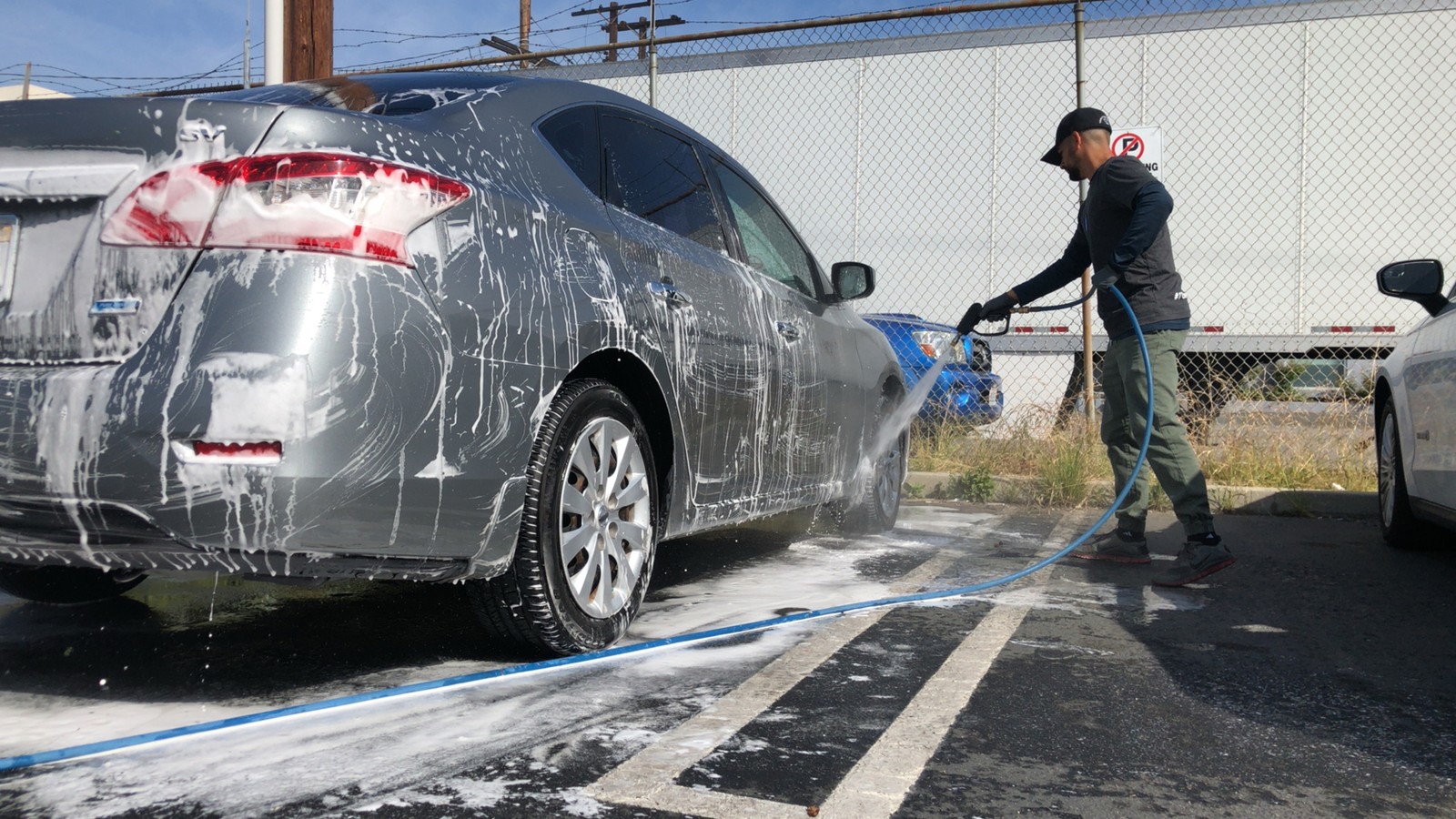
pro detailers utilise specialised multi-nozzle rotary underbody water brooms powered by high-pressure pumps generating 2,500 to 3,500 PSI. These wheeled lances ride just centimetres above the ground. delivering overlapping 40-degree flat-fan jets upward into spring pockets. transmission tunnels. And spare tyre recesses. For boxed rails and cross-members. technicians insert flexible chassis-flush nozzles with rearward-facing high-pressure jets that pull the hose through internal cavities. dislodging packed silt and flushing it out through factory weep holes.
Salt removal Chemistry and Surface Degreasing.
Rinsing with plain water is often insufficient to remove bonded salt films. Sodium chloride crystals exhibit strong ionic bonds with metallic bases. leaving an invisible corrosive residue even after visible mud has washed away. Specialist salt-neutralising chemicals feature organic chelating agents and non-ionic surfactants that break these ionic bonds. converting insoluble salt crusts into soluble complexes that rinse away effortlessly.
When dealing with oil leaks. differential weep. Or greasy road grime around transfer cases. apply an alkaline degreaser or citrus-based solvent wash prior to high-pressure flushing. outdoor protection regulations set by the NSW climate Protection Authority require detailing operations to capture and filter oily runoff through approved oil-water separator systems. This prevents hydrocarbon pollution from entering regional storm catchments.
Cavity Wax, Lanolin. And Sacrificial Rust Barriers.
Once the chassis is impeccably cleaned and thoroughly dried. applying a protective underbody coating completes the this specialised procedure protocol. Protective coatings fall into three primary mixtures: lanolin-based moisture displacers. petroleum cavity waxes. And thick rubberised bituminous sprays.
Lanolin coatings. derived from natural wool grease. provide great penetrating skills. Lanolin never fully sets. remaining active and self-healing. When gravel chips the surface. the pliable lanolin film flows back over the exposed steel. establishing an oxygen-tight barrier. Petroleum cavity waxes dry to a firm. waxy skin ideal for internal chassis rails and boxed rocker sills. Rubberised coatings. While popular in past decades. carry significant risk: if moisture or micro-cracks penetrate behind the hard rubber skin. water becomes trapped. rotting the steel chassis invisibly from the inside out.
Step-by-Step Chassis Inspection and Cleaning Workflow.
A systematic undercarriage cleaning workflow bonds that every critical structural area receives thorough flushing. inspection. And preventative treatment.
- Wheel and Splash Guard Removal: Remove road wheels and plastic inner wheel arch liners whenever possible to gain direct access to spring top hats. brake hardlines. And upper frame rails.
- Dry Silt Dislodgement: Tap boxed frame rails gently with a rubber mallet while directing compressed air into tooling holes to loosen caked. dried silt before adding water.
- High-Pressure Rotary Flushing: Sweep the rotary underbody water broom beneath the vehicle from front to rear. overlapping passes along the sills. transmission tunnel. fuel tank shield. And rear differential.
- Internal Box-Section Jetting: Feed flexible cavity wash lines into every chassis rail hole until water flowing from drainage weep holes runs perfectly crystal clear.
- Salt-Neutralising Foam Soak: Blanket the damp undercarriage in a thick foam layer of salt-neutralising wash. This allows a dwell time of 5 to 7 minutes to dissolve bonded salt deposits.
- Final High-Volume Flood Rinse: Rinse thoroughly with high-flow water to evacuate all chemical residues from linkages. electrical connectors. And exhaust mounts.
- Forced Air Dehydration: Blow out trapped water pools around spring bushes. wiring harnesses. And chassis joints using high-velocity warm air dryers.
- Sacrificial Barrier Application: Mist a self-healing lanolin or cavity wax coating evenly over structural rails. leaf spring packs. And fuel line brackets.
Underbody Protection Systems: Wax vs Lanolin vs Rubberised Coatings.
Selecting the correct protective barrier ensures robust defense without compromising future moving inspections or creating hidden moisture traps.
| Protection Feature. | Lanolin Fluid Barrier. | Petroleum Cavity Wax. | Rubberised Bituminous Spray. |
|---|---|---|---|
| Curing State. | Non-drying. self-healing viscous oil. | Firm. dry-to-the-touch waxy skin. | Rigid. rubber-like solid coating. |
| Internal Rail soak. | great: creeps into tiny seams. | High: excellent atomisation in cavities. | Poor: too thick to penetrate lap welds. |
| Water Displacing Ability. | Active: displaces moisture from damp steel. | Moderate: requires completely dry surface. | None: traps any residual water underneath. |
| Wash-off Resistance. | Moderate: requires annual top-up reapplication. | High: resists road spray for 2 to 3 years. | Extreme: permanent until chipped by stones. |
| moving Friendliness. | Clean. lubricates rubber bushes safely. | Clean. does not obscure bolt heads. | Messy. glues bolts and hides rust blooms. |
| Hidden Rust Risk. | Virtually zero: clear. visible inspection. | Very low: translucent amber film. | Very high: moisture pockets rot steel unseen. |
Essential undercarriage wash rust prevention Checklist.
Use this practical checklist to maintain optimal chassis protection before and after challenging journeys across regional Australia.
- Pre-Trip Barrier Check: Inspect the underbody prior to beach holidays or winter alpine trips. This ensures high-wear spring links have fresh lanolin coverage.
- Immediate Post-Beach Flushing: Rinse the undercarriage within 24 to 48 hours of driving on salt beaches or through coastal estuaries.
- Unsealed Road Mud Removal: Flush baked clay immediately upon returning from muddy rural tracks before it hardens onto exhaust shields.
- Chassis Weep Hole Audit: Check and probe lower door drains. rocker panel slots. And chassis weep holes to confirm unobstructed water drainage.
- Brake and Fuel Line Inspection: Inspect rigid steel hydraulic lines running along the frame rails for surface rust or chafing against wiring clips.
- Spare Wheel Lowering: Drop the under-slung rear spare tyre to clear accumulated road dirt and salt cakes trapped against the vehicle floorpan.
- Annual Lanolin Re-treatment: Book an annual pro underbody steam wash. degreasing. And lanolin re-application prior to winter.
Chassis care for Regional Driving in Armidale.
Driving throughout the New England region presents localized rust factors that catch many vehicle owners unaware. In Armidale. winter morning weather regularly plunge below freezing. While Australian roads rarely see rock salt spread in the volumes used overseas. council operations frequently treat frozen bridges. highway passes. And black-ice blackspots with chemical de-icers. liquid chalk chloride. Or abrasive grit.
When fine basalt dust from local unsealed rural roads mixes with winter de-icing chemicals and standing water. it forms an aggressive paste that packs into spring spring perches and brake backing plates. also. routine unsealed road driving sends high-velocity gravel into wheel arches. stripping factory paint from exposed frame seams. Implementing consistent. bi-annual undercarriage wash rust prevention ensures that local four-wheel drives. farm utilities. And passenger cars remain structurally sound throughout severe winter cycles and muddy rural expeditions.
People Also Ask About Undercarriage Washing.
How often should you perform an undercarriage wash for rust prevention?
For standard daily commuters. an undercarriage wash every two to three months is sufficient to prevent general road grime buildup. However. vehicles used for coastal beach driving. off-road mud exploration. Or regional winter driving should undergo complete chassis flushing immediately following every off-road trip.
Can high-pressure underbody washing damage electrical wiring?
If high-pressure nozzles are held too close to ABS wheel speed sensors. differential breather tubes. Or wiring harness plugs. high hydraulic pressure can breach weather-pack seals and force water into electrical connectors. Maintain a safe distance of at least 30 centimetres and use wide 40-degree fan nozzles.
Is lanolin better than black rubberised underbody coating?
Yes. lanolin is widely regarded by modern detailers and metallurgists as superior to rubberised bituminous coatings. Lanolin is self-healing. actively displaces moisture. And allows easy visual inspection of the steel underneath. Rubberised coatings often crack. trapping moisture and salt against the steel to cause hidden structural rot.
Does washing the undercarriage void vehicle manufacturer warranties?
No. regular undercarriage washing does not void warranties. in fact. vehicle owner handbooks explicitly recommend frequent underbody cleaning to prevent rust. Most manufacturer anti-perforation rust warranties require documented proof that the owner washed away outdoor dirt such as salt and road mud.
Frequently Asked Questions.
Can an undercarriage wash remove existing heavy rust?
A high-pressure wash removes loose flaking rust scales. road silt. And active salts. But it cannot reverse established structural steel rust. Once cleaned. existing surface rust must be treated with a chemical rust converter or moving wire-brushing before applying protective lanolin or wax barriers.
What is the best way to clean inside boxed chassis rails?
The most effective technique uses a specialized reverse-jet chassis flush hose. The rear-facing water jets pull the hose through internal holes. scouring inside rail walls with high-pressure water and flushing suspended sediment out through the bottom weep holes.
Does city driving cause undercarriage rust?
Yes. While off-road and coastal driving present higher rust risks. city driving exposes underbodies to acidic rainwater. industrial emissions. diesel exhaust particulates. And pulverised brake dust. all of which form mildly acidic deposits on steel frame members.
Should I grease chassis components before or after washing?
Always perform moving greasing of spring ball joints. tie rod ends. And universal joints immediately after the undercarriage wash. Pumping fresh grease through zerk fittings pushes out any tiny water droplets that may have entered the seals during pressure washing.
How long does a lanolin underbody treatment last?
A quality lanolin barrier typically lasts 12 months on vehicle chassis rails and internal boxed cavities. High-impact areas exposed to direct tyre water spray (such as inner wheel arches and lower trailing arms) benefit from a quick touch-up every six months.
pro detailers also consult Bureau of Meteorology weather and regional terrain data to bond high technical standards.
Chassis Maintenance Protocols for Off-Road Tours.
Exploring rugged bush tracks and coastal dunes is part of the great Australian 4WD lifestyle. However. off-road driving throws heavy mud. wet river silt. And abrasive gravel directly against the vehicle chassis. Red clay packs into boxed frame rails. While wet salt coats steering linkages.
Smart four-wheel drivers clean their undercarriage right after every big trip. According to regional terrain and weather reports from the Bureau of Meteorology. seasonal river crossings and flash mud holes carry concentrated suspended silt that penetrates deep into brake assemblies. Never let thick mud bake onto warm exhaust pipes or differential housings.
Flushing the chassis is simple when done promptly. Drive your 4WD onto a firm grass area or wash bay. Connect an underbody water broom to your pressure washer. Run the multi-nozzle spray back and forth along the frame rails until the runoff water turns clear.
Inspect shock absorber mounts and spring bushes twice a year. Spray exposed steel brackets with a light coat of lanolin protective fluid. Lanolin creeps into tiny seams and stops surface rust in its tracks. It also lubricates dry rubber bushes. eliminating squeaks on rough corrugations.
Keep your chassis clean. Flush rails with fresh water. Clean steel resists road rust. Clean frame rails stay strong and safe. Red mud washes right away. Fresh underbodies bring peace of mind on remote outback tracks. Drive safe on dirt tracks. Love your 4WD every day. Solid frames last for decades. Smart care pays off big.
Good underbody care is fast. Clear weep holes every month. Tap boxed frame rails gently. Let trapped water drain away freely. Clean chassis components stay reliable in winter and summer. Clean steel never rots or cracks. You enjoy true confidence on every off-road trail. Clean 4WDs stay tough. Mud runs away fast. Look after your pride and joy.
Clean undercarriages protect your resale value. Used 4WD buyers climb underneath first with a torch. A spotless. rust-free chassis proves the vehicle was cared for with pride. pro chassis care keeps your rig ready for every adventure.
Regional Road Salt and Red Mud Chassis Defense.
Driving on unsealed rural roads and coastal highway passes subjects vehicle underbodies to extreme wear. Red clay silt bakes onto spring links. While winter de-icing chemicals corrode exposed steel fasteners.
Protecting your vehicle chassis requires thorough seasonal flushing. Use a multi-nozzle underbody wash lance to blast clean water through boxed frame rails. Clear away heavy dirt before it hardens into rock-hard crusts.
Inspect rigid steel brake hardlines and fuel delivery lines every six months. Look for surface flaking. stone chips. Or rust around mounting clips. Touch up bare steel with a self-healing lanolin fluid barrier to seal out moisture.
Drop the rear spare tyre once a year to flush the hidden floorpan above. Dirt and moisture collect above the spare wheel. creating an unseen rust trap. Cleaning this hidden area keeps the rear body solid and rust-free.
Clean underbodies protect your moving safety. spring bolts turn freely during moving servicing. Brake calipers operate cooler without baked mud blankets. You enjoy complete peace of mind on remote outback journeys. Smart drivers keep their 4WD chassis spotless with pride.
Chassis care is fast and effective. Sweep underbody brooms under the car. Clear frame weep holes with care. Spray lanolin on raw steel parts. The frame stays tough and strong for decades. You win on every drive.
Work with care. Take your time. Clean cars look great. Pros love this work. You win on every drive. Fast work brings peace of mind. Take pride in your ride. Park in the cool shade. Clean details bring true joy on every road trip. Drive safe on dirt roads. Love your car every day. Clean surfaces last for years. Safe care brings peace of mind. Keep your car clean. Wipe panels with soft cloths. Use mild soap. Pat dry with clean towels. Fast work brings joy. You win on every trip.
Good car care is easy. Clean seams once a month. Use a soft brush. Lift dirt out of corners with care. Wipe away road film with mild soap. Clean trim stays smooth in winter and summer. Clean surfaces never trap grit or dampness. You enjoy true luxury on every country mile. Clean cars stay fresh. Dirt runs away fast. Look after your pride and joy.
Drive safe on country roads. Love your car every day. Clean cars last for years. Safe care brings peace of mind. Look after your car with pride. Good habits pay off big. Smart drivers clean cars with pride.
Long-Term Chassis Protection and Value Summary.
Prioritising routine undercarriage wash rust prevention is one of the most cost-effective maintenance habits an Australian vehicle owner can adopt. By removing aggressive sodium chloride deposits. flushing compacted clay from boxed frame rails. And sealing exposed steel with active self-healing barriers. you ensure structural safety. preserve moving components. And maximize long-term resale value across demanding Australian operating climates.