Finding white patches or green mould inside your car is dangerous. It signals trapped water. Mould spreads fast in warm cabins. After unexpected water leaks, investing in professional car mould steam cleaning is the safest choice. It sterilises fabrics and kills spores. Vehicle interiors often trap moisture from wet clothes, leaking door seals, or blocked drains. Under these damp conditions, mould spores spread quickly through carpet underlay. This issue is common across regional New South Wales. In elevated areas like Armidale, cold winter weather causes heavy cabin condensation. Regular thermal cleaning is essential to restore fresh air and protect your health.
Car mould steam cleaning is a specialised sanitisation process that uses high-temperature dry vapour steam above one hundred and twenty degrees Celsius to kill fungal colonies on contact. By penetrating deep carpet fibres and seat padding, this thermal method destroys living spores without over-saturating fabrics, permanently eliminating musty odours and respiratory risks.
- Automotive Mould Biology and Health Risks
- Common Causes of Vehicle Water Intrusion and Condensation
- Armidale Winter Humidity and Cabin Condensation Cycling
- Why Surface Sprays Fail: The Science of Thermal Steam Destruction
- Step-by-Step Mould Remediation Protocol
- Addressing Hidden Contamination in Carpet Underlay and Foam
- Air Conditioning Duct and Evaporator Core Sanitisation
- Ozone Shock Treatment for Total Air Sterilisation
- Mould Remediation Method Comparison: Spray vs Extraction vs Steam
- The 10-Point Cabin Decontamination Workshop Checklist
- Practical Steps to Prevent Mould Re-Infestation in Australia
- Digital Moisture Meter Testing and Humidity Audits
- Seatbelt Webbing Cleaning and Retractor Care
- Workplace Safety and Environmental Regulations
- People Also Ask About Car Mould Steam Cleaning
- Frequently Asked Questions on Cabin Mould Remediation
- Conclusion: Restoring a Healthy, Odour-Free Vehicle Interior
Automotive Mould Biology and Health Risks
Mould is a fungus. It spreads by releasing tiny airborne spores into the air. These spores enter vehicles through open windows, air intake plenums, and on passenger footwear. In dry air, spores stay dormant. But when cabin humidity rises above 60%, spores grow fast. They spread within 24 to 48 hours.
Common mould types found in cars include Aspergillus and Penicillium species. Growing mould releases organic gases. These gases cause a sour, musty smell. Inhaling these spores in a closed car triggers coughs and allergies. Vulnerable passengers such as infants, elderly individuals, and people with compromised immune systems face significant respiratory risks.
Wiping visible mould with wet wipes makes the problem worse. Wiping spreads spores through the air. These spores then settle onto seatbelts, headliners, and air vents. Complete eradication demands high-heat thermal destruction combined with commercial-grade antimicrobial agents.
Common Causes of Vehicle Water Intrusion and Condensation
To remove mould permanently, detailers must find and stop water leaks. If you do not fix leaks, mould returns in days.
The most frequent sources of vehicle water leaks include: 1. Blocked Sunroof Drain Tubes: Sunroof channels drain rainwater through rubber tubes. Dust and leaves block these lines. Water then spills onto the roof liner and carpets. 2. Perished Door Weatherstrips: Old rubber door seals let rainwater seep past window frames. Water then collects under floor mats. 3. Air Conditioning Evaporator Drain Clogs: Car air conditioners create water that drains outside. If dirt blocks the drain hose, water leaks onto the floor. 4. Faulty Windscreen Seals: Degraded polyurethane windscreen urethane allows water to trickle behind the dashboard unnoticed. 5. Forgotten Open Windows: Sudden afternoon storms soaking fabric seats and floor underlay.
Armidale Winter Humidity and Cabin Condensation Cycling
Mould is very common across the New England Tablelands. Armidale sits high above sea level with cold mountain weather. During cool months, cabin air holds moisture from wet shoes, damp coats, and passenger breath.
At night, Armidale temperatures often drop below freezing. Cold windows and roof panels chill the air. This turns moisture into water droplets. Water trickles down pillars into thick carpet underlay. Cars parked in shade create a damp space where mould thrives undetected.
Gravel roads coat window frames in fine dust. This dirt plugs door drains. Rainwater then pools inside doors and raises humidity.
Why Surface Sprays Fail: The Science of Thermal Steam Destruction
Many drivers try to kill car mould with bleach or air freshener sprays. Bleach contains water and harsh chemicals. It fades seat fabrics and soaks deep seat foam. Mould roots drink this extra water and return within days.
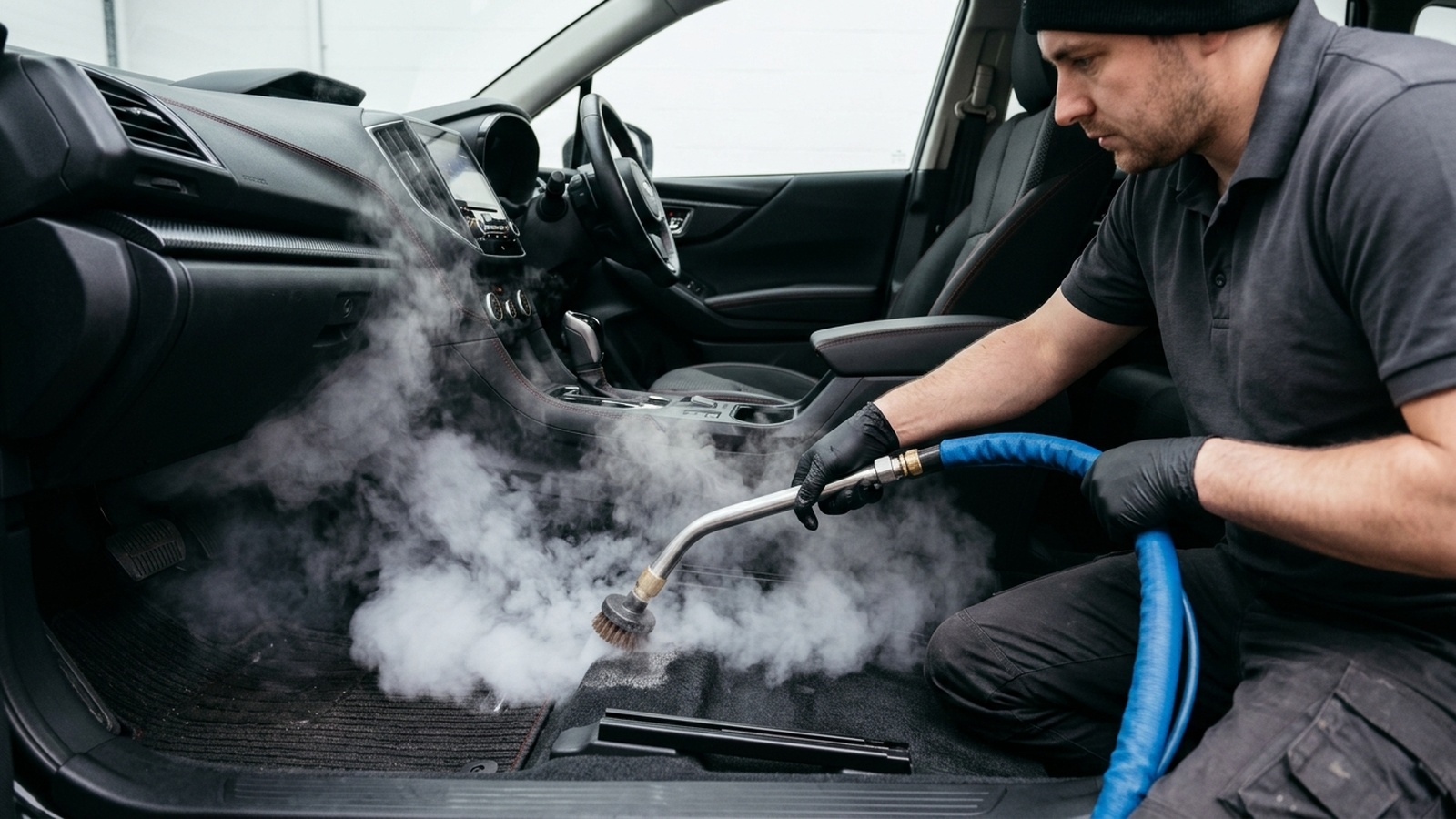
This limitation explains why professionals rely on car mould steam cleaning. Commercial steam units heat water past 150 degrees Celsius. They deliver dry steam at 120 degrees. Mould spores die when heated above 70 degrees.
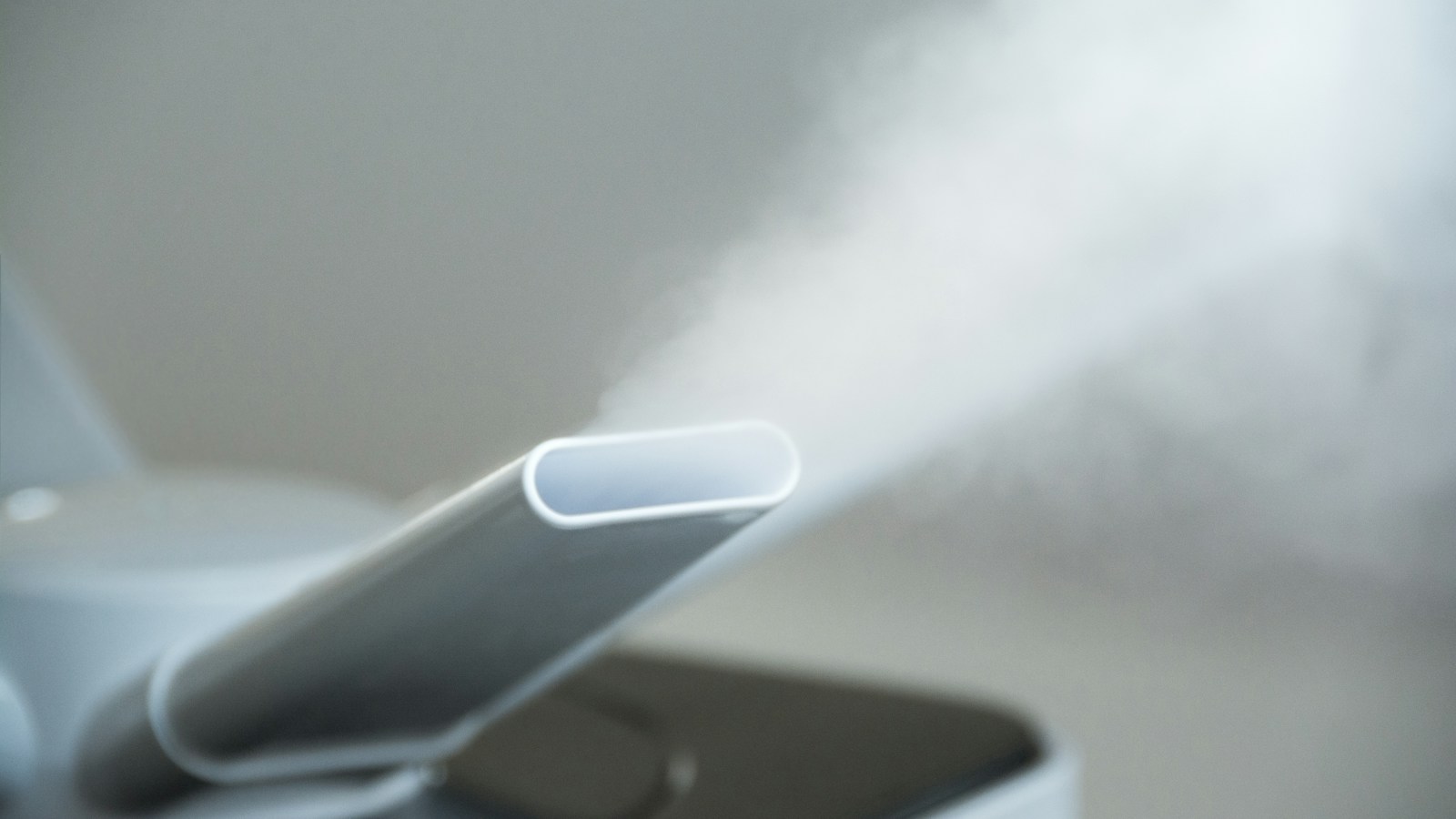
Dry vapour steam contains only 5% to 7% liquid water by volume. Hot steam goes deep into seat cushions without soaking the underlay. The heat kills mould cells instantly. It also kills bacteria and melts dirt.
Step-by-Step Mould Remediation Protocol
Safe mould removal takes careful steps. Detailers wear protective respirators and follow strict cleaning rules.
1. Safety Isolation and HEPA Vacuuming
First, technicians park the car in an airy bay. They vacuum fabrics using true HEPA extractors. Standard vacuums blow spores straight through the exhaust, spreading contamination. Certified HEPA vacuums trap 99.97% of tiny particles down to 0.3 microns.
2. Antimicrobial Pre-Treatment Application
Next, detailers spray a hospital-grade biocide across dirty fabric areas. These safe biocides break down fungal cell walls. Detailers brush the cleaner into carpet pile and cloth seats for deep cleaning.
3. High-Temperature Dry Steam Extraction
Detailers use nylon brush heads to steam all upholstery. High-pressure steam reaches deep into cushions. A microfibre wrap traps dead spores and dirt safely.
4. Low-Moisture Extraction and Heated Drying
Next, a heated extraction vacuum pulls out loosened grime. Industrial air blowers then dry the cabin for several hours. Carpets must reach low moisture levels before handover.
Addressing Hidden Contamination in Carpet Underlay and Foam
In severe leaks, mould spreads past carpet pile into the thick underlay beneath. This padding sits against the steel floor pan. This sponge-like underlay sits directly against the steel floor pan where air circulation is zero.
If liquid water has pooled in the footwells for weeks, surface cleaning is insufficient. Detailers must unbolt the seats, remove plastic door sill trims, and lift the main carpet. This allows inspection of the floor pan sound deadening. If the jute underlay is black and rotten, it must be replaced. Detailers install new closed-cell foam. The bare steel floor is scrubbed, steam cleaned, and dried before reassembly.
Air Conditioning Duct and Evaporator Core Sanitisation
Even with clean seats, mould often hides inside the air conditioning unit. The evaporator core stays cold and damp. The evaporator core runs cold and condenses moisture from outside air. In dark, wet ductwork, mould and bacterial slime accumulate over years.
When the fan runs, spores blow into the cabin. Technicians remove old cabin filters. They inject antimicrobial foam onto the evaporator fins. This foam dissolves mould mats and drains out through the hose, leaving fresh air ducts.
Ozone Shock Treatment for Total Air Sterilisation
The final step in mould removal is medical-grade ozone shock treatment. Ozone gas reaches everywhere air flows. Ozone (O3) is an active gas that reaches everywhere air flows, including headliners, door card cavities, and seat cushion internals.
An industrial ozone machine runs inside the sealed car for 45 minutes with air on recirculate. Ozone gas destroys remaining airborne spores and sour odours. Afterwards, doors are opened to air out the cabin. Ozone breaks down into oxygen, leaving clean, neutral air.
Mould Remediation Method Comparison: Spray vs Extraction vs Steam
The table below compares the effectiveness of common vehicle mould cleaning methods:
| Treatment Method | Household Chemical Spray | Cold Water Carpet Extractor | Thermal Vapour Steam Remediation |
|---|---|---|---|
| Operating Temperature | Ambient room temperature | 20°C to 40°C warm water | 120°C to 150°C dry vapour steam |
| Spore Kill Mechanism | Chemical bleaching (often incomplete) | Dilution and physical rinsing | Thermal cell denaturation and biocide kill |
| Moisture Left Behind | High surface moisture (soaks foam) | Heavy water volume (slow drying) | Very low moisture (dries in 1 to 2 hours) |
| Fabric Colour Safety | High risk of bleaching and fading | Safe on colour-fast fabrics | 100% colour-safe on fabrics and leather |
| Odour Elimination | Temporary masking with perfumes | Moderate reduction of musty smells | Permanent destruction of mVOC molecules |
| Re-Infestation Risk | Very high (mould returns in 5 days) | Moderate if dampness lingers | Extremely low when leak is repaired |
The 10-Point Cabin Decontamination Workshop Checklist
Professional workshops follow this strict ten-point remediation checklist to ensure complete spore elimination:
- Moisture Source Diagnostic: Test sunroof drains, door seals, and windscreen seals with water spray to pinpoint leaks.
- Technician Safety Setup: Equip staff with P2 respirators, eye goggles, and nitrile gloves before opening the vehicle.
- HEPA Dry Soil Extraction: Vacuum all seats, floor mats, and headliners using certified HEPA filtration equipment.
- Antimicrobial Fog Pre-Treatment: Apply natural biocidal solutions across fabrics to neutralise spore activity.
- High-Heat Steam Injection: Steam treat carpets, seat seams, and seatbelts at 120°C using low-moisture nozzles.
- Leather and Vinyl Sanitisation: Clean delicate leather bolsters and plastic trims with pH-neutral antimicrobial cleaners.
- HVAC Evaporator Flush: Spray biocidal expanding foam into air conditioning ducts and fit a fresh cabin air filter.
- Commercial Heated Dehumidification: Run commercial air blowers to bring carpet moisture levels below 12% relative humidity.
- Ozone Gas Shock Cycle: Run an industrial ozone generator for 45 minutes to eradicate lingering airborne fungal spores.
- Final Spore and Odour Check: Inspect deep seams and floor pans under UV blacklight to confirm zero mould colonies remain.
Practical Steps to Prevent Mould Re-Infestation in Australia
Once your car is clean, keeping it dry is vital. Good habits prevent mould from returning year-round.
Motorists should follow these practical habits: 1. Air Out the Cabin: On sunny weekends, open car doors for an hour to circulate fresh air and dry out interior trim. 2. Clean Sunroof Gutter Drains: Use a piece of flexible nylon line to clear dust and leaves from sunroof drain tubes every six months. 3. Replace Pollen Filters Annually: A clean cabin air filter prevents moisture and decaying leaves from accumulating inside the heater box. 4. Use Reusable Silica Desiccant Bags: Place a silica gel dehumidifier bag under the front seat to absorb excess winter condensation. 5. Dry Spills Immediately: Never leave damp gym towels, wet raincoats, or spilled coffee to sit overnight inside a closed vehicle.
Digital Moisture Meter Testing and Humidity Audits
Professional detailers do not rely on guesswork when cleaning mould. Even when carpets feel dry to the touch, deep foam padding can still hold dampness. Technicians use digital pinless moisture meters to check hidden moisture in car carpets and seat cushions.
A calibrated moisture meter sends electromagnetic signals into thick underlay without poking holes in the carpet. Normal dry automotive carpets show moisture readings below 10%. If readings exceed 15%, mould can return quickly. Technicians also use digital hygrometers to track relative humidity levels inside the vehicle cabin. Dehumidifiers run inside the car until humidity levels drop below 40%. This thorough drying step guarantees that all mould roots are starved of water before the car leaves the shop.
Seatbelt Webbing Cleaning and Retractor Care
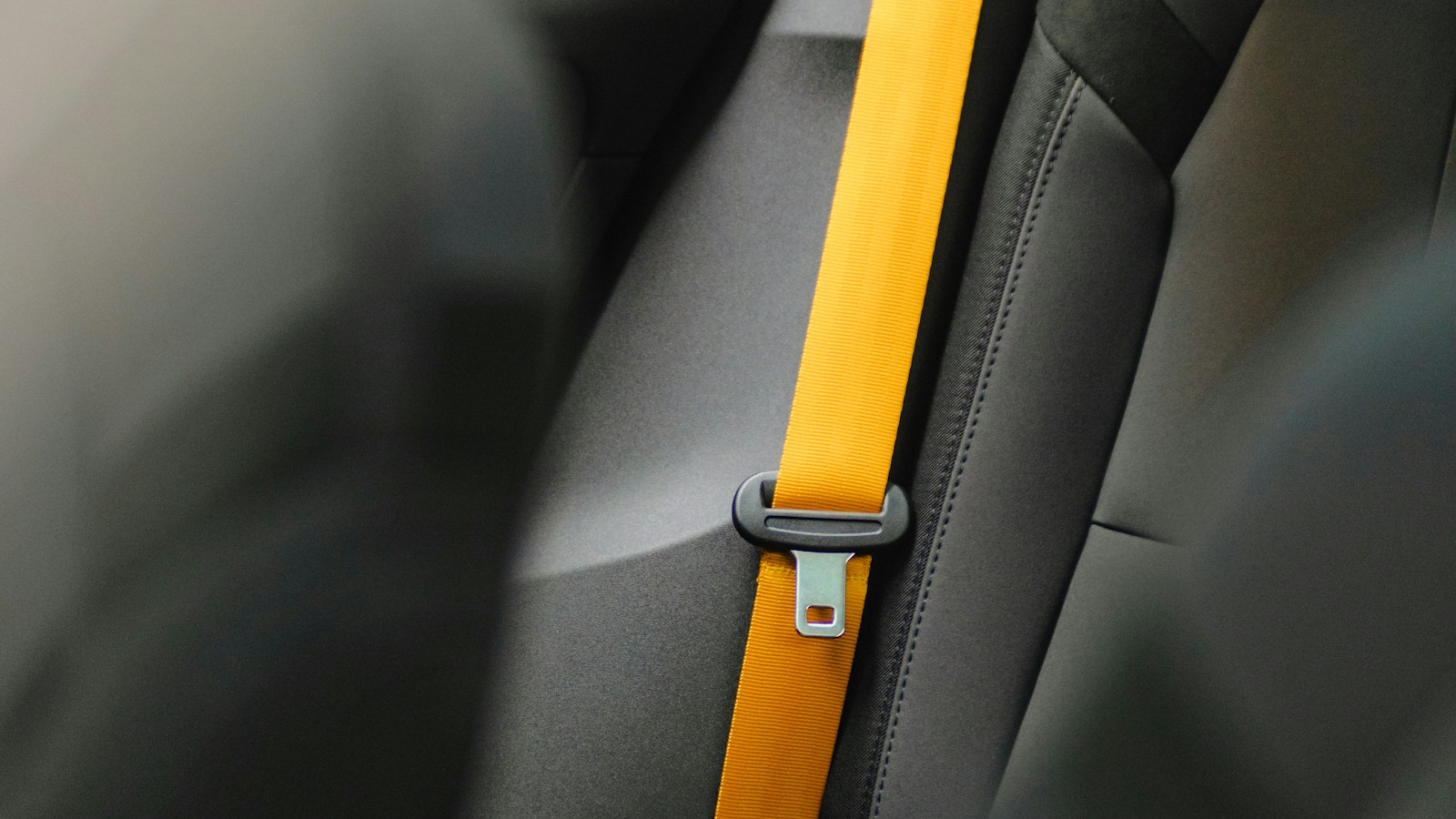
Seatbelts are another common hiding spot for cabin mould. Passengers touch seatbelt webbing with sweaty hands, transferring body oils and skin cells into the fabric weave. In damp weather, grey mould spots spread along the webbing.
Cleaning seatbelts needs care. Harsh solvents or bleach can weaken seatbelt fibres. That makes belts unsafe in a crash. Detailers pull the belt out to full length and clamp it securely. They apply warm dry vapour steam and gentle fabric soap to kill spores. The belt is wiped clean with fresh microfibre cloths and dried completely before retracting. This keeps spores from growing inside the dark retractor mechanism inside the B-pillar.
Workplace Safety and Environmental Regulations
Handling mould involves biological hazards. Workshops follow strict safety guidelines to protect staff and clients. According to directives from Safe Work Australia, workers dealing with indoor biological hazards must use adequate PPE, avoid cross-contaminating clean environments, and maintain clear chemical SDS sheets.
Public health information published by NSW Health warns that living or travelling in mouldy, damp environments worsens asthma and triggers allergic reactions. Thorough eradication using high-heat thermal methods rather than harsh chemical bleaches is the recommended approach for enclosed transport vehicles.
Consumer standards are also overseen by the Australian Competition and Consumer Commission, ensuring service providers accurately represent the sanitisation efficacy and limits of vehicle cleaning services.
If you detect musty odours or visible mould growth in your car, choosing professional automotive steam cleaning in Armidale ensures certified detailers safely eradicate spores and restore fresh, clean air to your vehicle.
People Also Ask About Car Mould Steam Cleaning
Can steam cleaning kill mould spores inside car seats?
Yes. Commercial dry steam reaches temperatures over 120°C at the nozzle tip. Fungal mould spores and root structures die when exposed to temperatures above 70°C, making high-heat steam one of the most effective non-toxic mould killers available.
How long does car mould steam cleaning take to dry?
Professional dry vapour steam machines release very low moisture (less than 7% liquid water). When paired with heated air blowers, vehicle carpets and seats typically dry completely within 1 to 3 hours, preventing new mould growth.
Is it safe to drive a car with mould inside?
No, driving a mould-infested vehicle is hazardous to health. An active colony releases thousands of airborne spores and mVOC toxins into the cabin, causing headaches, respiratory distress, and fatigue while driving.
Why shouldn't I use household bleach to remove car mould?
Household bleach contains sodium hypochlorite and water. It permanently discolours automotive fabrics, corrodes seat brackets, and soaks foam padding with water that actually feeds deep mould roots, causing spores to return faster.
Frequently Asked Questions on Cabin Mould Remediation
How do I know if mould has penetrated beneath my car carpet?
If your floor carpet feels squishy or damp when pressed, or if strong musty odours linger after surface cleaning, water has soaked the thick jute underlay beneath. This requires lifting the carpet to dry the steel floor pan.
Will car mould steam cleaning damage leather upholstery?
No, when performed by trained professionals. Detailers use low-pressure steam with soft microfibre wraps and gentle leather cleaners. This sanitises the leather grain safely without stripping natural moisture or protective topcoats.
Does steam cleaning eliminate the sour musty smell of mould?
Yes. Thermal steam destroys the living fungi and breaks down volatile organic compounds. When followed by ozone shock treatment, sour musty odours are eliminated at a molecular level rather than simply masked.
What happens if the vehicle's original water leak is not fixed?
Cleaning kills existing mould, but if a leaking door seal or blocked sunroof drain continues to let rainwater inside, new airborne spores will germinate within days. Fixing leaks is vital for permanent results.
Can car mould steam cleaning remove mould from the vehicle headliner?
Yes, but technicians must use gentle dry steam without heavy vacuum suction. Excessive heat or aggressive extraction can dissolve the delicate glue holding headliner fabric to the foam backing, causing it to sag.
Conclusion: Restoring a Healthy, Odour-Free Vehicle Interior
Dealing with car mould is stressful. Ignoring it brings health risks and interior damage. Spores hide in deep cushions. Spores thrive in dark, damp spaces, and basic surface wiping cannot reach the roots buried deep within seat cushions and carpet fibres.
Investing in professional car mould steam cleaning provides the thermal power and antimicrobial protection needed to eradicate spores permanently. By diagnosing moisture leaks, sanitising fabrics with 120°C dry vapour steam, and purifying cabin air with ozone, vehicle owners regain a fresh, healthy driving environment. Protect your passengers, restore your interior, and enjoy clean air on every journey.