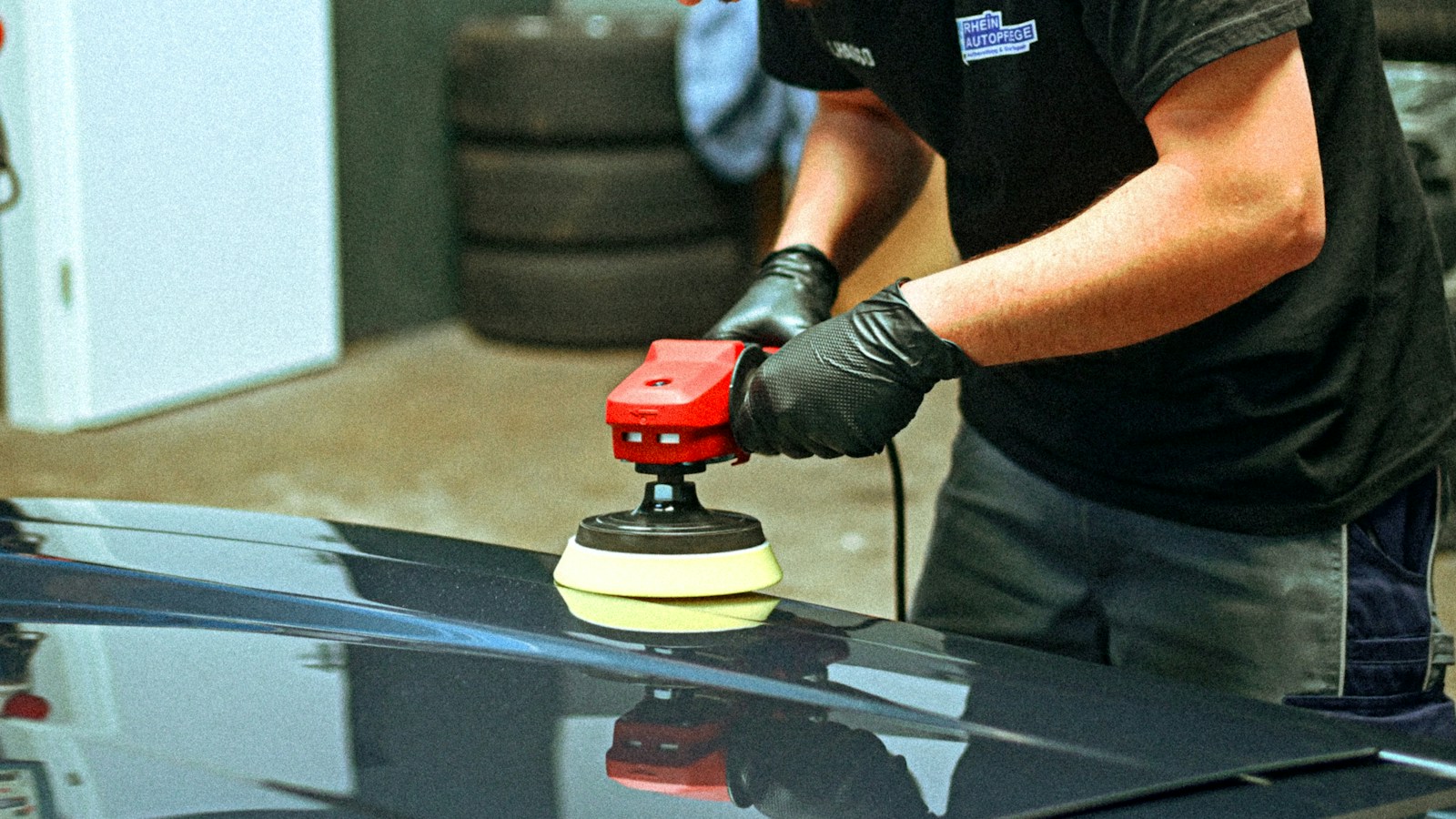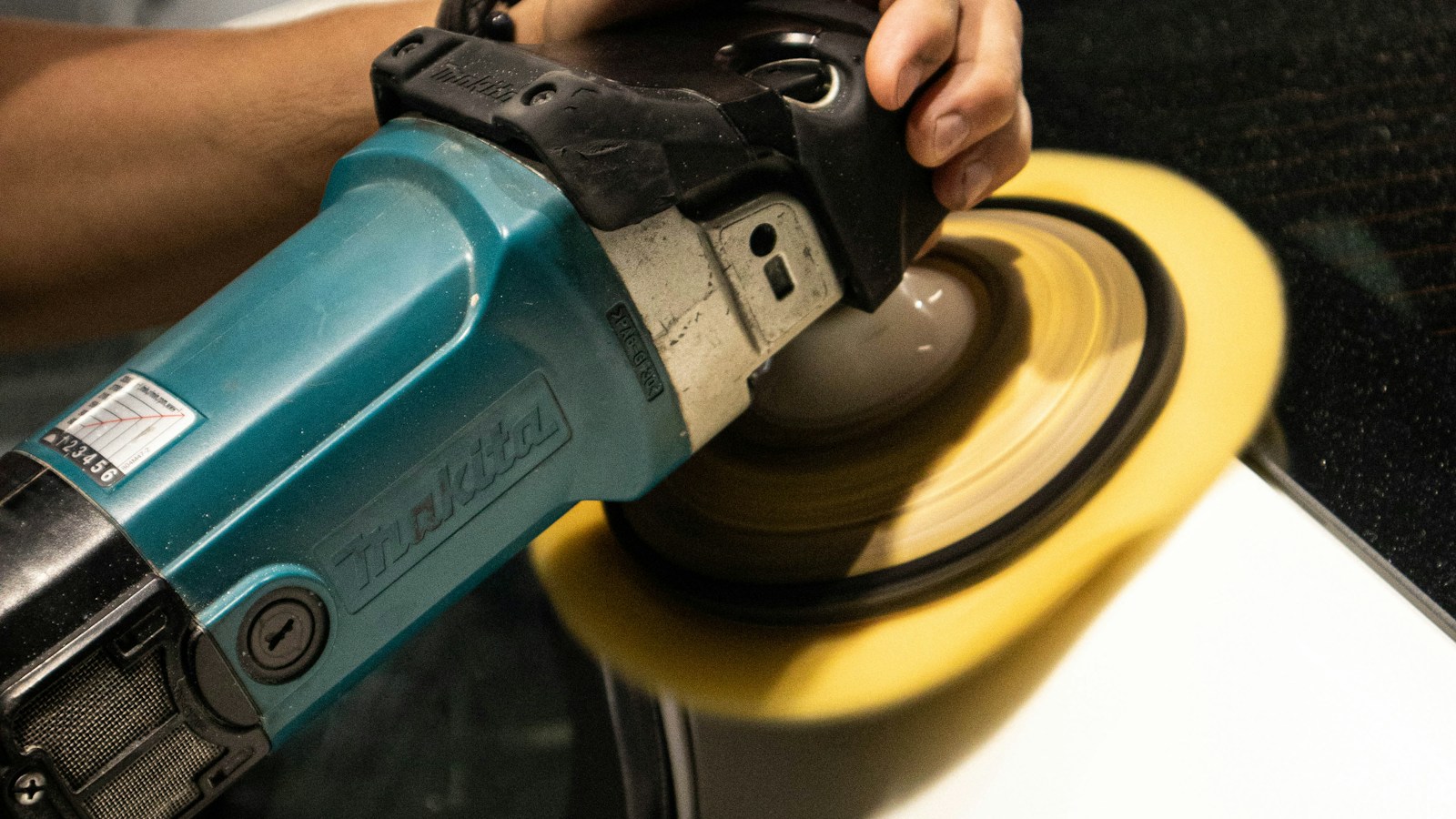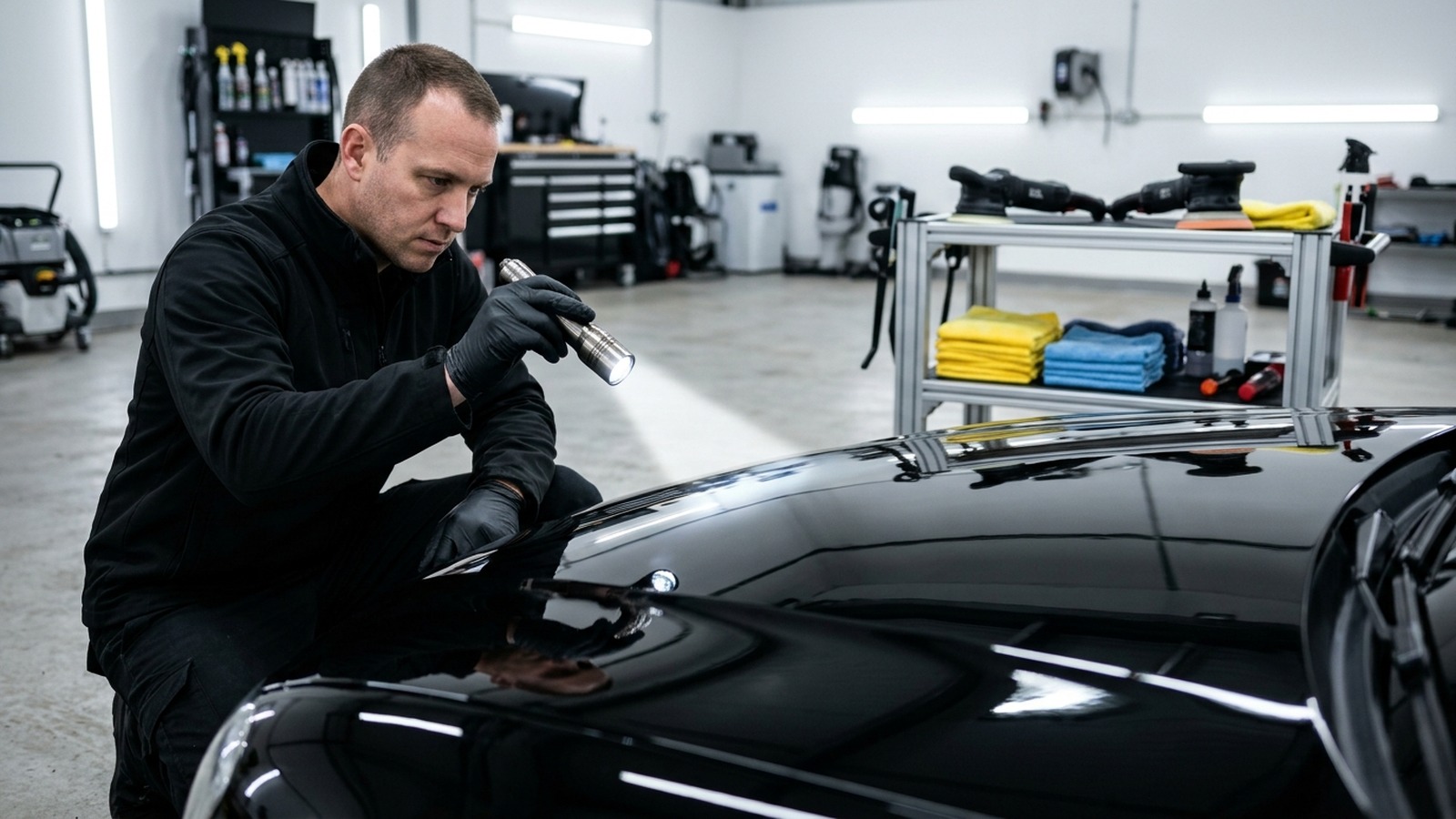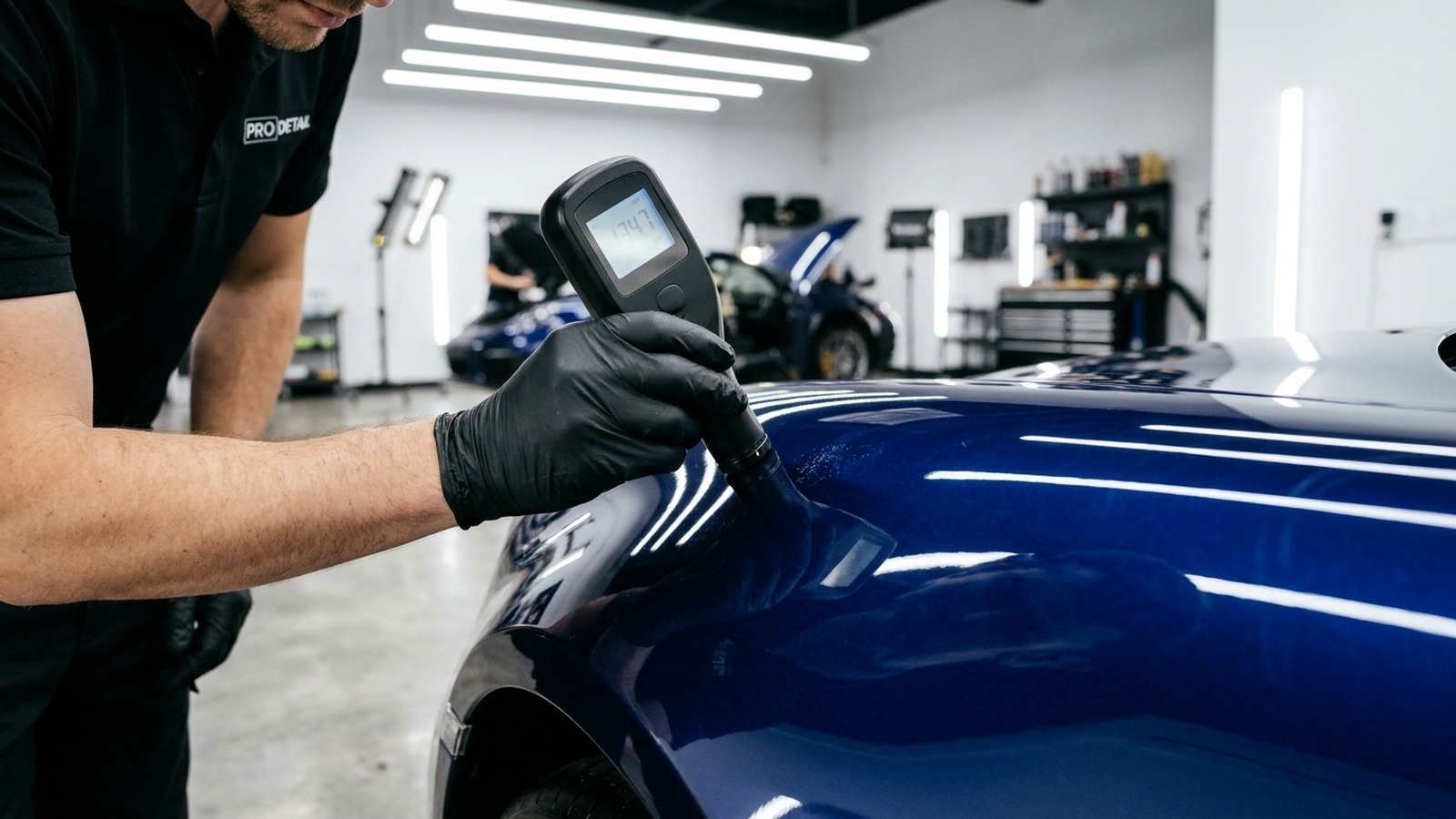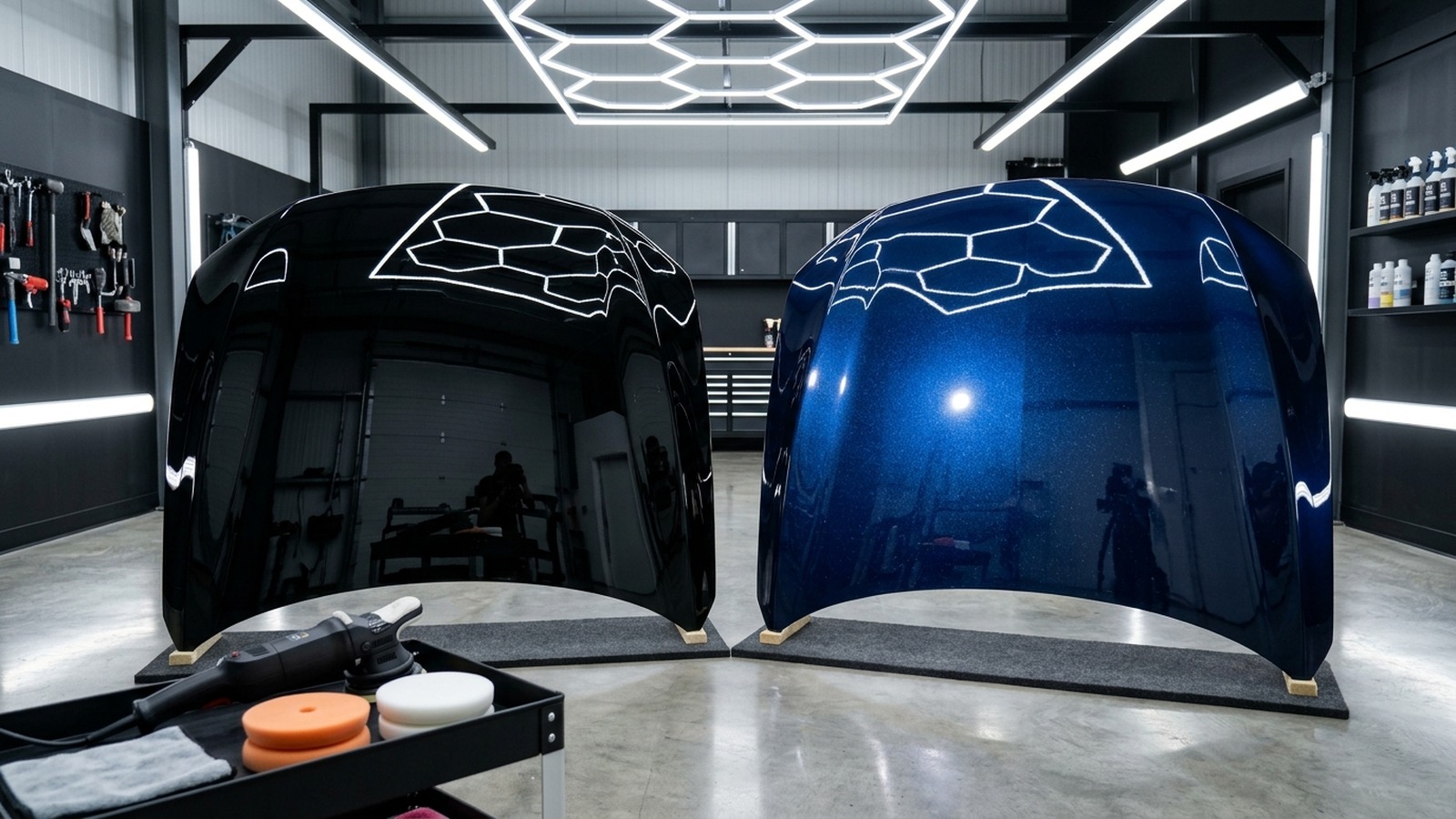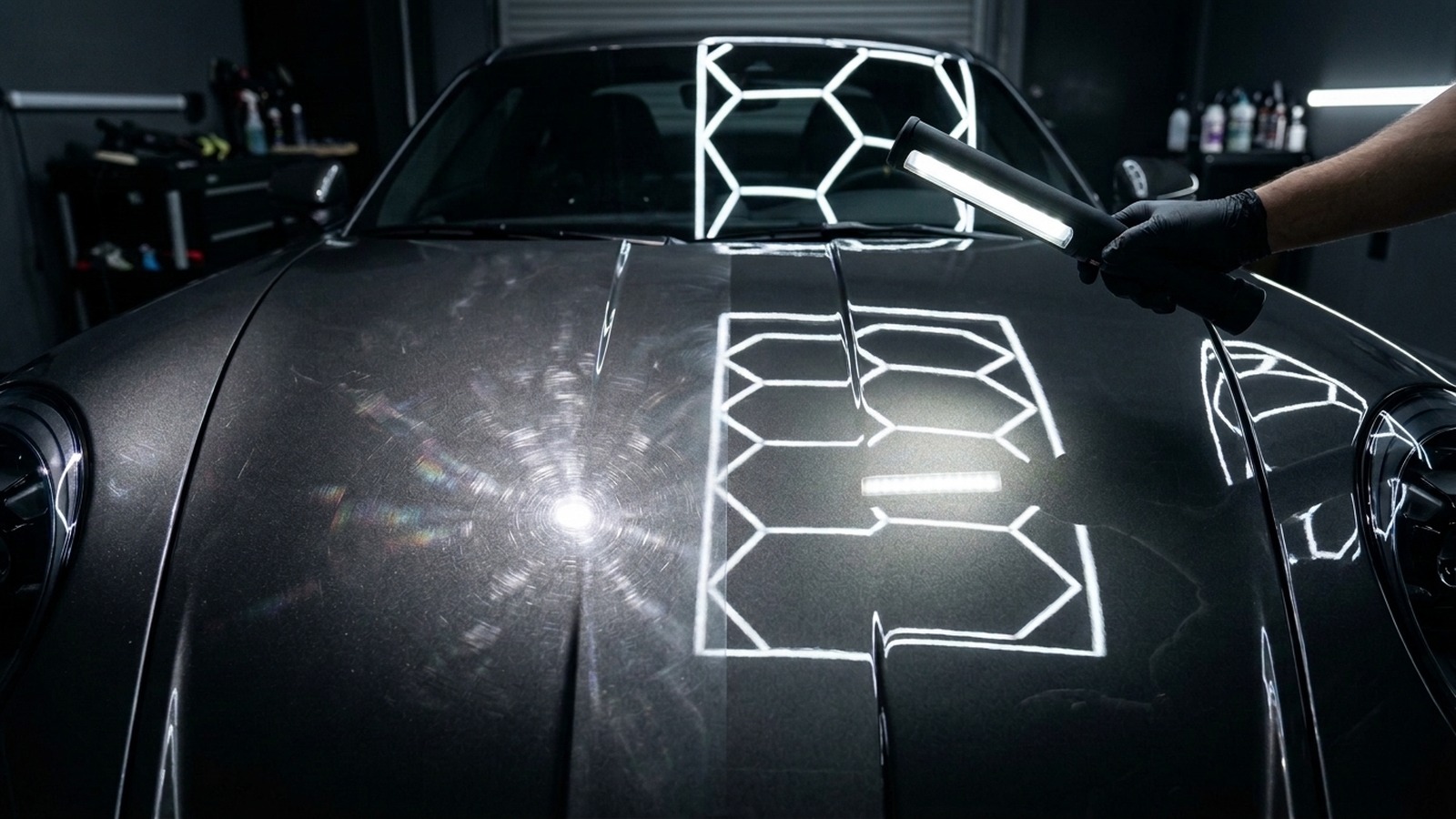
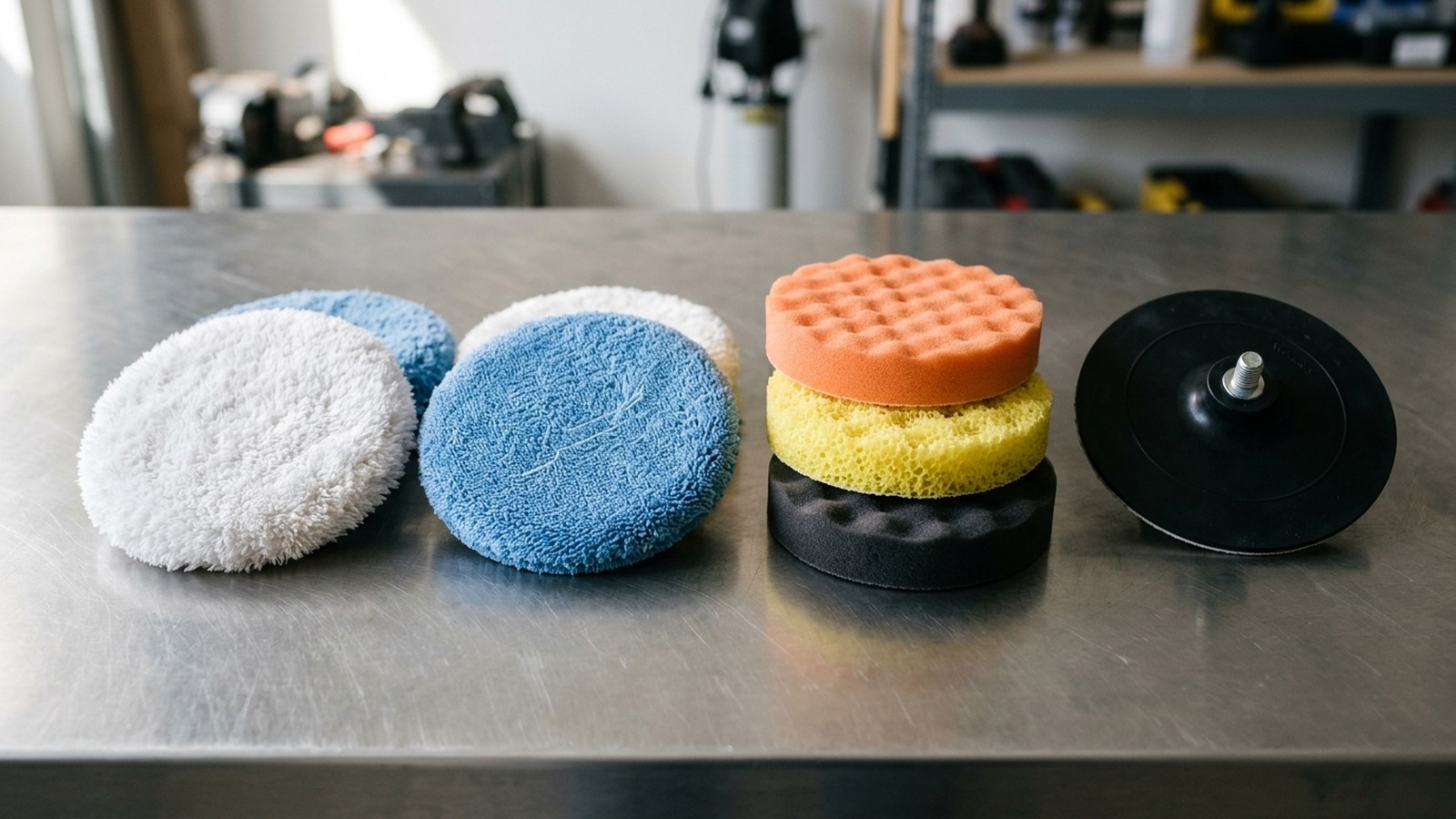
Choosing the right pad attached to your machine polisher is the single most key gear decision in paint restoration.In modern car detailing, comparing microfibre vs foam polishing pads reveals distinct differences in cutting speed, heat management, pad compression. Also, final optical gloss.For vehicle owners and detailing professionals across Australia. Including regional centres like Armidale and the New England Tablelands. Knowing how pad materials interact with thin factory clear coat ensures safe defect removal without burning paint edges. Learning the tool strengths of synthetic microfibres and open-cell foam structures helps you select the perfect tool for every vehicle panel.
microfibre vs foam polishing pads compares two distinct machine pad constructions. Microfibre pads feature millions of vertical strands providing high abrasive contact density for rapid defect cutting on hard paint. Foam pads use flexible polyurethane open or closed cells to cushion pressure and finish paint to mirror gloss without micro-marring.
- The Physics of Polishing Pads. Fibres vs Polyurethane Foam.
- Microfibre Pad Capabilities. High Cutting Density and Fast Leveling.
- Foam Pad Versatility.Cutting, Polishing. Also, Jeweling Grades.
- Heat Dissipation and Backing Plate peeling Risks.
- Navigating Body Contours, Swage Lines. Also, Edges.
- Pad Cleaning Protocols. Compressed Air vs Pad Brushes.
- Armidale Regional Vehicle Stress. Basalt Dust and Sun Heat.
- Comparison Table. Microfibre Pads vs Foam Pads vs Wool Pads.
- The 10-Point Machine Polishing Pad Selection Checklist.
- The Ultimate Workflow. Combining Microfibre Cut with Foam Finish.
- Workplace Health, Safety. Also, Environmental Workshop Standards.
- People Also Ask About microfibre vs foam polishing pads.
- often Asked Questions on Polishing Pads.
- Conclusion. Equipping Your Polisher for Flawless Reflections.
The Physics of Polishing Pads: Fibres vs Polyurethane Foam
To understand why different pads behave differently. You must examine how each construction transfers motor energy to clear coat.
Microfibre pads consist of a dense layer of vertical synthetic fibres bonded to an intermediate foam interface. Each square centimetre contains thousands of single microfibres.
When the machine rotates and oscillates. Compound abrasives lodge between these millions of fibres.The fibres hold abrasives flat against the clear coat. Creating an ultra-dense cutting footprint that levels deep scratches rapidly.
Foam pads, in contrast, are manufactured from expanded polyurethane foam. They feature an interconnected lattice of open cells.Abrasives enter these open cells. This the foam cell walls push the compound gently across the clear coat.
Because foam compresses under pressure. It conforms effortlessly over curved body lines. Spreading downward force evenly and preventing focused heat points.
Microfibre Pad Capabilities: High Cutting Density and Fast Leveling
Microfibre pads revolutionized dual-action machine repair by providing rotary-level cutting speeds on safe orbital machines.
When tasked with removing 2000-grit wet sanding scratches, severe wash swirls, or hard water spot etchings on tough European clear coats, microfibre cutting pads excel. They cut paint defects much faster than older foam cutting pads.
Because the fibres stand upright. They maintain maximum surface contact even with minimal downward pressure.This allows technicians to let the machine do the work. Reducing physical fatigue during full-vehicle corrections.
However, microfibre pads have a trade-off. On soft clear coats, the sheer density of synthetic fibres can leave a faint micro-marring haze. This hazing requires a mandatory second refining pass with a soft foam finishing pad.
Modern detailers treat microfibre pads as the ultimate heavy-defect removal weapon for dual-action polishers. Followed immediately by foam refinement.
Foam Pad Versatility: Cutting, Polishing, and Jeweling Grades
Foam pads remain the most versatile tool in car detailing due to the wide range of available densities and cell structures.
makers produce foam pads in precise density ratings. 1. Firm, coarse open-cell foam pads provide balanced defect cutting with high internal airflow. 2. Medium-density foam pads deliver excellent one-step swirl removal and gloss enhancement on daily drivers. 3.Ultra-soft closed-cell finishing foam pads provide zero tool cut. Serving exclusively to jewel paint to optical mirror perfection.
Foam pads finish out cleaner than microfibre pads on all paint types.On soft Japanese clears, a soft foam pad paired with a fine jewel polish produces a crystal-clear. Haze-free reflection under direct sunlight.
Foam pads also offer superior tactile feedback.Technicians can feel the panel contours through the machine. Making foam ideal for intricate bumper fascias, door pillars. Also, curved boot lids.
Heat Dissipation and Backing Plate Delamination Risks
Managing heat buildup is crucial for pad longevity and paint safety. Machine polishers generate big heat heat during long compounding sessions.
Microfibre pads tend to trap heat between the dense fibres and the foam interface.If an user runs high machine speeds with heavy pressure for extended periods. Heat transfers directly into the backing plate.
Excessive heat can melt the hook-and-loop velcro backing, causing pad peeling. In worst-case scenarios, the pad can fly off the backing plate during work, potentially scratching the vehicle.
Open-cell foam pads dissipate heat much more effectively.The interconnected cell structure allows air to circulate through the pad face as it oscillates. Keeping panel heat levels well within safe thresholds.
Professional workshops rotate four to six pads per vehicle. Allowing warm pads to cool down while fresh pads maintain continuous cutting efficiency.
Navigating Body Contours, Swage Lines, and Edges
Modern vehicle styling features complex swage lines, flared wheel arches. Also, intricate aerodynamic splitters. Pad selection dictates how safely these contours can be polished.
Microfibre pads have less lateral compression than thick foam pads.Along sharp panel edges, the stiff microfibre backing can exert focused pressure. Increasing the risk of burning through thin edge clear coat.
Thick, tapered foam pads compress gently over ridges.The foam absorbs excess downward force. Wrapping softly around panel contours without scouring the sharp ridge peak.
For narrow pillars and door jambs. Switching to small 75mm or 50mm foam pads allows surgical precision. Small foam pads navigate tight gaps without snagging adjacent rubber window trims or plastic badges.
Detailers also mask high-risk swage lines with low-tack blue shielding tape before running aggressive microfibre pads nearby.
Pad Cleaning Protocols: Compressed Air vs Pad Brushes
A dirty pad cannot cut or finish effectively. As a pad works, spent clear coat residue and dried compound build up on the pad face.
On microfibre pads, fibres become matted down with caked residue after just one section pass. Matted fibres cannot cut defects and generate excessive heat heat.
Technicians clean microfibre pads after every single pass using compressed air from a blow gun. Or a stiff nylon pad conditioning brush. Blowing air fluffs the microfibres back upright and ejects spent compound dust.
Foam pads require regular cleaning with a foam spur tool or damp microfibre towel pressed against the spinning pad. Washing pads thoroughly in warm water with dedicated pad cleaner dissolves caked carrier oils.
Proper cleaning extends pad lifespan to over thirty vehicles. Maintaining peak cutting efficiency across every detailing project.
Armidale Regional Vehicle Stress: Basalt Dust and Sun Heat
Vehicles driven throughout Armidale and the New England Tablelands face harsh environmental conditions that affect paint restoration.
Regional country roads carry abrasive basalt gravel and fine granite silt. When vehicles are washed improperly, these sharp mineral particles create deep, widespread spiderweb marring.
In addition, Armidale's high altitude delivers intense solar UV radiation. Causing factory clear coat to become dry and brittle. Restoring these weathered panels requires a carefully calculated pad strategy.
Using a microfibre cutting pad safely levels deep country wash scratches without excessive machine heat.Following up with a soft foam finishing pad restores deep colour saturation. Ensuring vehicles look immaculate despite regional driving challenges.
Comparison Table: Microfibre Pads vs Foam Pads vs Wool Pads
The table below summarizes the operational traits, cutting power. Also, finishing traits of common polishing pad types.
| Pad Feature. | Microfibre Cutting Pad. | Open-Cell Foam Pad. | Twisted Wool Pad. |
|---|---|---|---|
| Cutting Power. | Very high (rapid defect removal). | Moderate to high (density-dependent). | very high (heavy compounding). |
| Finishing Clarity. | Good (often leaves light haze). | Outstanding (flawless mirror gloss). | Poor (leaves buffer trails). |
| Recommended Machine. | Dual-action random orbital. | Dual-action and rotary. | Rotary polisher only. |
| Heat Dissipation. | Moderate (requires pad rotation). | High (airflow through cells). | Very high (long natural fibres). |
| Best Vehicle Paint. | Hard European ceramic clears. | Soft Japanese & all paint types. | Old single-stage & gelcoat. |
The 10-Point Machine Polishing Pad Selection Checklist
Follow this 10-point checklist to select and maintain polishing pads for peak power.
- Vehicle Paint Hardness Audit. Identify whether clear coat is soft, medium, or ceramic-hard.
- Backing Plate Size Match. Ensure pad diameter matches backing plate exactly with no overhang.
- Pad Centering Discipline. Align pad dead-centre on backing plate to prevent machine shake wobble.
- Pre-Use Pad Priming. Spread compound evenly across the entire pad surface before contacting paint.
- Least Aggressive Test Spot. Test a medium foam pad first before stepping up to microfibre.
- Frequent Pass Cleaning. Blow out microfibre pads or spur foam pads after every single 40cm section.
- Pad heat Monitoring. Check pad backing warmth and swap pads before heat causes velcro peeling.
- Edge Masking Safety. Apply shielding tape over sharp swage lines before running microfibre pads.
- Post-repair Chemical Wash. Soak pads in dedicated citrus pad cleaner to dissolve caked polishing oils.
- Air-Dry Storage. Dry pads face-down on wire drying racks away from direct sun and dust contamination.
The Ultimate Workflow: Combining Microfibre Cut with Foam Finish
The highest level of car gloss is rarely achieved with a single pad material. Modern multi-stage paint repair combines the distinct strengths of both technologies.
Technicians use a dense microfibre cutting pad paired with heavy abrasive compound for stage one.This quickly levels 85% to 95% of deep wash swirls, scratches. Also, etching craters without overheating panels.
For stage two, technicians switch to a soft closed-cell foam finishing pad paired with ultra-fine jewel polish.This refining pass cleans up compounding haze. Restoring absolute optical clarity and mirror depth.
This hybrid workflow delivers the best of both worlds. rapid heavy-defect removal combined with flawless, concourse-level mirror gloss.
Workplace Health, Safety, and Environmental Workshop Standards
Operating machine polishers and maintaining chemical pads requires strict workplace safety compliance. Under rules overseen by Safe Work Australia, detailing workshops must manage tool shake, ensure proper electrical testing. Also, provide user hearing shield.
Environmental standards are enforced by the NSW Environment shield Authority. Pad washing wash water containing compound abrasives and petroleum distillates must be captured and processed through approved trade waste filtration systems.
Road safety visibility standards are administered by Transport for NSW. Ensuring vehicle glass surfaces remain free of distorted glare promotes road safety during regional night journeys.
To clear scratches safely and achieve breathtaking gloss with properly selected pads and compounds, booking expert machine paint repair in Armidale guarantees that your car's paintwork receives master-level care.
People Also Ask About microfibre vs foam polishing pads
Do microfibre pads cut faster than foam pads?
Yes.Microfibre pads feature thousands of synthetic fibres per square centimetre that hold abrasives flat against paint. Cutting defects up to 50% faster than older foam cutting pads.
Can you finish paint with a microfibre pad?
While microfibre finishing pads exist. Soft foam pads finish out much better on soft and dark paint. Foam provides superior optical clarity with zero micro-marring.
How many pads are needed to polish a whole car?
Professional detailers use between 4 and 6 cutting pads and 4 finishing pads per car. Rotating clean pads prevents heat buildup and ensures consistent defect removal.
Can you use microfibre pads on a rotary polisher?
Microfibre pads are designed primarily for dual-action orbital polishers.On a direct-drive rotary polisher. Microfibre generates intense heat heat that can scorch clear coat or melt pad backing.
Frequently Asked Questions on Polishing Pads
How do I clean polishing pads during machine use?
Blow out microfibre pads using compressed air from a blow gun. Or use a stiff nylon pad brush. For foam pads, gently spur the pad face or press a damp towel against the spinning machine.
How long do machine polishing pads last?
With proper cleaning and heat management. Quality microfibre and foam pads last between 20 and 40 vehicle corrections before foam cell breakdown or velcro peeling occurs.
Why do my polishing pads fall apart at the velcro?
Velcro peeling is caused by excessive heat heat and over-saturation with compound. Running high machine speeds or pressing too hard melts the glue holding velcro to foam.
What is the difference between open-cell and closed-cell foam?
Open-cell foam has interconnected pores that allow cooling airflow and compound circulation. Closed-cell foam has sealed pores that provide firm structural support and higher cutting density.
Can I wash polishing pads in a washing machine?
Yes, on a gentle cycle using warm water and liquid pad detergent with zero fabric softeners.Never use hot water, bleach, or high-heat tumble dryers. As heat degrades foam glue.
Pad Washing Chemistry: Dedicated Cleaners vs Dishwashing Liquid
Proper pad cleaning after machine compounding is vital to extend pad lifespan and maintain cutting efficiency. Using the wrong soap can ruin expensive polishing pads permanently.
Many amateur detailers wash pads with household dishwashing liquid.Dishwashing soaps contain heavy degreasers, salts. And artificial fragrances that degrade foam cell walls. The harsh surfactants harden foam pores and dissolve the glue holding hook-and-loop velcro backing.
Professional detailers use dedicated citrus-based pad cleaning solutions.These specialized cleaners emulsify petroleum distillates, synthetic polymers. And caked compound abrasives without damaging foam or microfibre glue.
Technicians spray the cleaner directly onto the pad face, massage the fibres gently with their thumbs. And rinse under warm running water until the rinse water runs crystal-clear.
Pads are then spun dry on a machine polisher inside a clean bucket to sling out excess moisture. Followed by air drying face-down on wire racks.Proper care keeps pads soft, balanced. And ready for dozens of flawless paint corrections.
Twisted Wool vs Microfibre Cutting Physics
Before microfibre pads existed, twisted wool pads were the undisputed cutting tool of choice. knowing the mechanical differences helps detailers choose the right heavy cutting weapon.
Twisted wool pads feature long. Coarse sheepskin fibres that generate massive mechanical bite on direct-drive rotary polishers. They chew through deep sanding scratches faster than any other pad material.
However, natural wool fibres shed compound dust and leave heavy rotary buffer trails that require extensive refining. Microfibre pads, by contrast, offer comparable cutting speed on modern dual-action polishers while finishing out with dramatically higher optical clarity.
For modern clear coats, microfibre pads have replaced wool in professional studios. Providing powerful cutting with an exceptional safety margin.
Safe Air-Drying and Storage Protocols for Detailing Pads
After washing pads clean of compound residue, proper drying is vital. Never wring out foam pads like sponges; twisting tears the delicate cell structure.
Instead, press pads flat between two clean dry towels to squeeze out excess water. Place the pads face-down on a wire drying rack in a clean, dust-free indoor area.
Drying face-down prevents moisture from pooling against the velcro backing glue. Once completely dry, store pads in sealed plastic containers or zip-lock bags to shield them from airborne dust and workshop overspray.
Conclusion: Equipping Your Polisher for Flawless Reflections
Mastering car paint restoration requires matching the right pad to the task at hand. Both microfibre and foam pads are key tools in any serious detailing studio.
knowing the strengths of microfibre vs foam polishing pads allows technicians to cut heavy defects quickly and refine paint to liquid perfection.Supported by proper cleaning and heat control. The right pad setup guarantees breathtaking mirror reflections on every vehicle.