Encountering grabby. soft clear coats is one of the most frustrating obstacles in automotive detailing. And understanding sticky paint polishing techniques is critical to avoid buffer hop. compound gumming. And severe micro-marring. In modern vehicle manufacturing and aftermarket respray repair shops. outdoor paint regulations have led to softer clear coats with high resin sensitivity. When detailers attempt machine correction without specialized sticky paint polishing techniques. the machine pad grabs violently against the panels. tearing out compound emulsions and rolling tiny paint particles into heavy. stubborn pigtail scratches.
sticky paint polishing techniques are specialized corrective strategies engineered to eliminate pad hop and chemical gumming on soft, reactive clear coats. By utilizing slow machine speeds, minimal downward pressure, specialized closed-cell foam pads, and solvent-rich lubricating emulsions, detailers prevent pad grabbing and achieve clean optical clarity.
Table of Contents.
- The Polymer Chemistry Behind Sticky Clear Coats.
- Thermal Friction and Pad Hop Mechanics.
- greasing Strategies: Flash Times and Emulsion Dynamics.
- Pad and Machine Calibration for Sensitive Resprays.
- Step-by-Step Sticky Paint Correction Protocol.
- Sticky Paint Troubleshooting: Symptoms. Causes. And Detailing Solutions.
- Essential Sticky Paint Management Checklist.
- Managing Ambient Humidity and Temperature in Armidale.
- People Also Ask About Sticky Paint Polishing.
- Frequently Asked Questions.
- Abrasive Control and Optical Finish Summary.
The Polymer Chemistry Behind Sticky Clear Coats.
Sticky paint is fundamentally a manifestation of under-cured. low-crosslink. Or heat-sensitive resin structures within automotive clear coats. Certain vehicle manufacturers. most notably Japanese marques such as Subaru. Mazda. And Honda. as well as European vehicles finished in solid non-metallic blacks. use clear coat mixtures with relatively low glass transition weather (Tg). When a polishing machine introduces moving friction. the surface temperature of the clear coat rises rapidly toward this transition threshold.
As the clear coat softens under friction. it behaves more like a viscous fluid than an elastic solid. Instead of the abrasive grains cleanly shearing off tiny clear coat peaks. the softened clear coat melts and sticks to the face of the polishing pad. This liquefied resin bonds with the abrasive particles in the compound. forming hard little balls called "resin roll-ups." Engaging expert vehicle restoration and paint correction ensures that sensitive clear coats are calibrated with thermal management controls that prevent catastrophic surface tearing.
Thermal Friction and Pad Hop Mechanics.
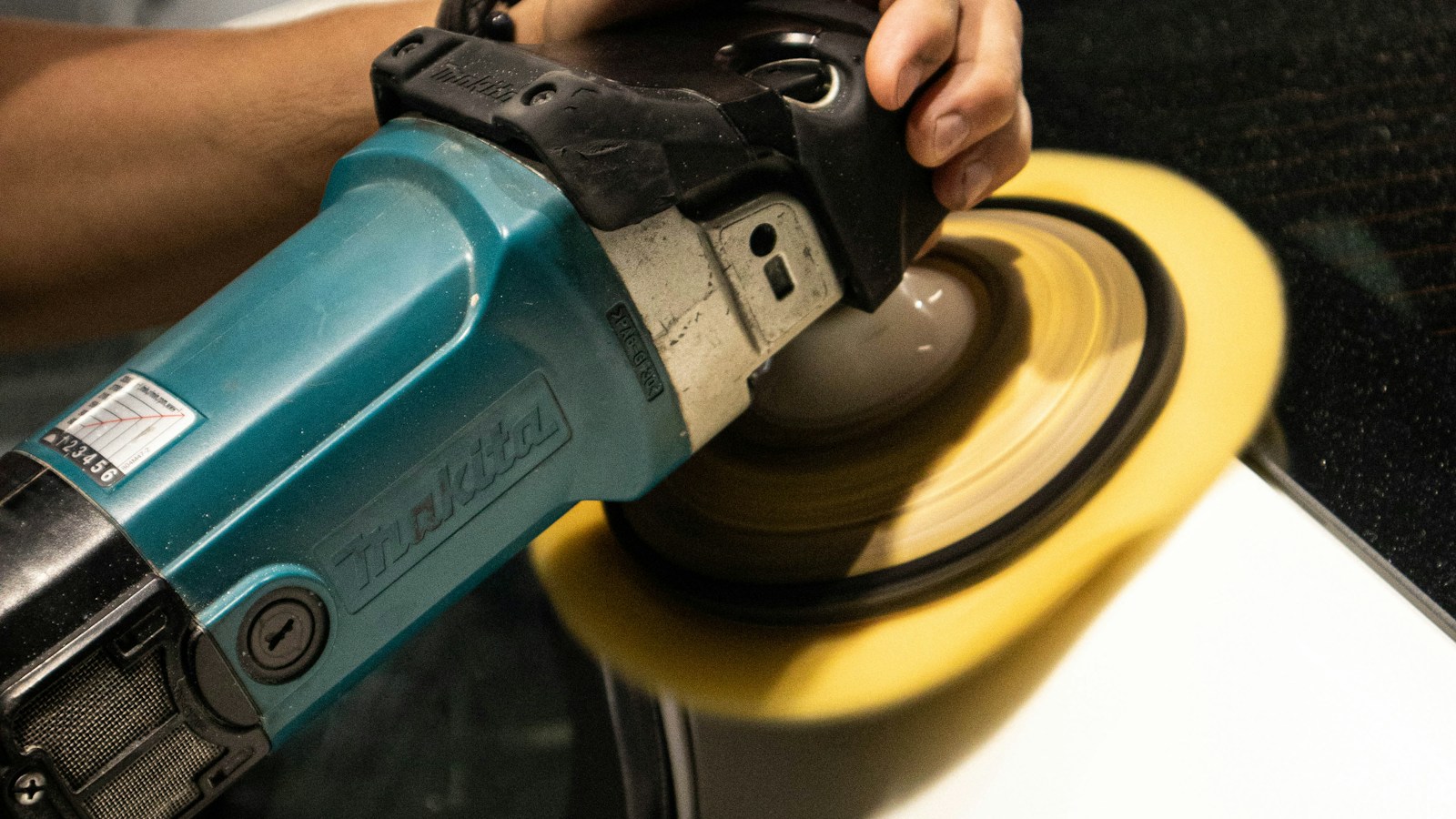
The immediate physical symptom of sticky paint is violent pad grabbing. colloquially known as "pad hop" or "machine chattering." When the rotational and orbital momentum of a dual-action polisher meets high friction from softened clear coat. the pad momentarily seizes against the paintwork before breaking free. This erratic cycle repeats dozens of times per second. transmitting intense vibration through the operator's hands and making smooth machine tracking impossible.
Safety regulations and ergonomic guidelines from Safe Work Australia warn that sustained exposure to excessive hand-arm vibration from vibrating power tools causes long-term neurological and vascular fatigue. Beyond operator strain. pad hop causes severe damage to the vehicle. Every time the seized pad breaks free under orbital torque. it drives agglomerated abrasive grains sideways across the soft paint. engraving deep arc-shaped pigtail scratches and aggressive micro-marring that can take hours of wet sanding to repair.
greasing Strategies: Flash Times and Emulsion Dynamics.
Standard cutting compounds formulated for hard. durable German factory finishes often fail completely on sticky paint. These compounds rely on rapid-flashing water-based carriers designed to dry out cleanly for effortless wiping. However. on sticky clear coats. a rapid-flashing compound leaves abrasive particles dry and unlubricated. instantly initiating chemical gumming.
To overcome this. pro detailers turn to compounds with heavy mineral oil. synthetic oil. Or water-in-oil emulsion bases that exhibit extended working cycles. Alternatively. detailers use the "drop trick," adding a single drop of an ultra-fine. oil-rich finishing polish or an approved water-based paint balm alongside two drops of cutting compound. The added lubricants act as a thermal buffer. lowering interfacial friction and keeping the abrasive grains moving freely across the delicate surface without tearing into the resin.
Pad and Machine Calibration for Sensitive Resprays.
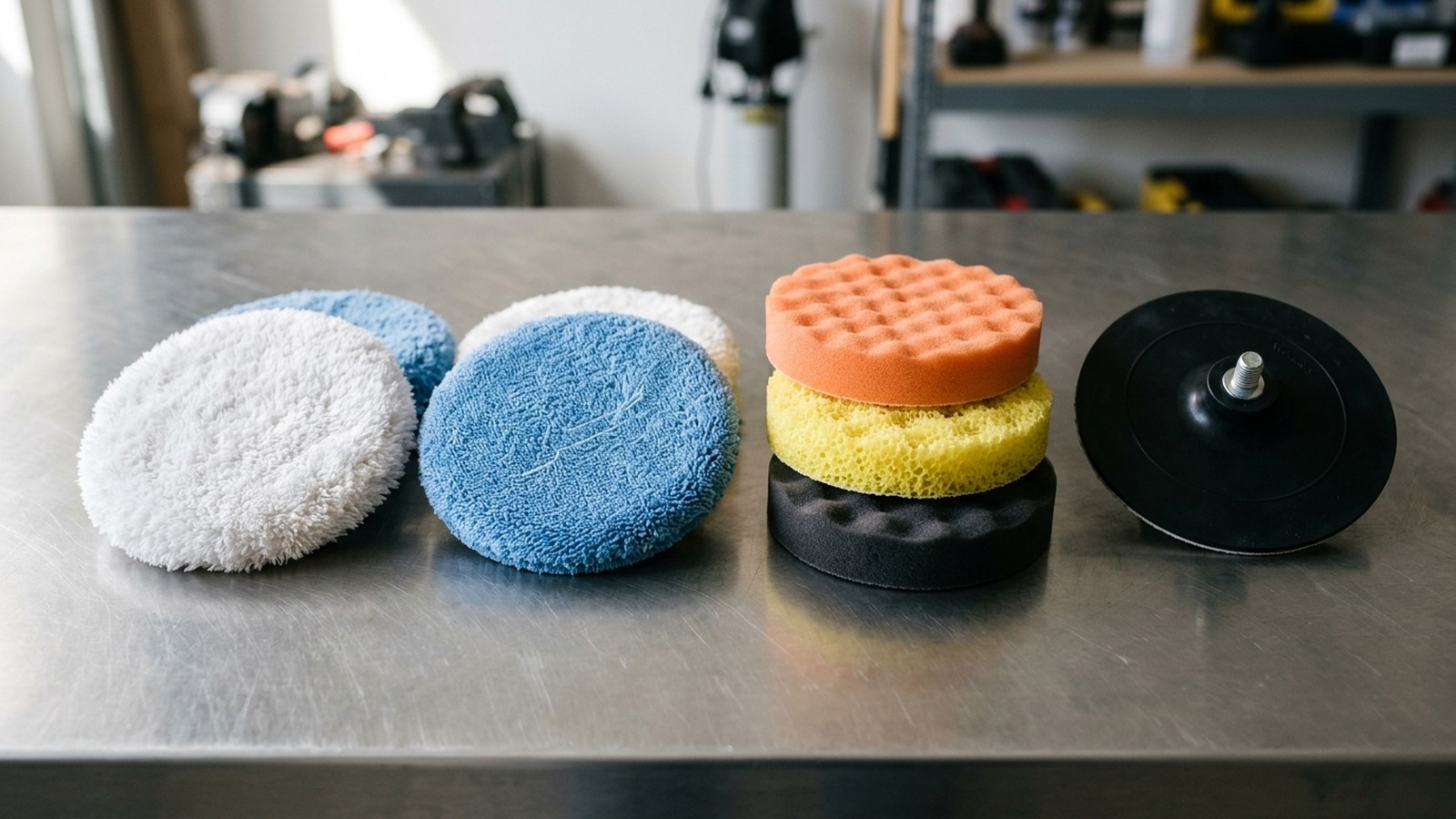
Selecting the appropriate pad interface is just as critical as chemical selection when managing sticky paint. Open-cell foam pads and long-pile microfiber cutting pads tend to trap heat and absorb moisture rapidly. leading to rapid caking and pad loading. Once a pad face becomes loaded with dried compound and softened clear coat. it must be discarded or washed immediately.
For sticky paint. dense. firm closed-cell foam pads or thin. low-profile microfiber pads with porous backing foam provide superior heat dissipation. Low-profile pads flex less under orbital movement. reducing internal friction and pad heat generation. also. switching from a large-throw 21mm dual-action polisher down to a more controlled 12mm or 15mm machine throw greatly reduces the lateral velocity of the pad edge. mitigating the friction spikes that trigger resin softening.
Step-by-Step Sticky Paint Correction Protocol.
Executing paint correction on sensitive. grabby clear coats demands meticulous thermal discipline and relentless pad hygiene.
- Panel Surface cleaning: Perform a thorough chemical cleaning. followed by light moving claying with an ultra-fine clay bar and generous lubricant to avoid inducing deep scratches prior to machine buffing.
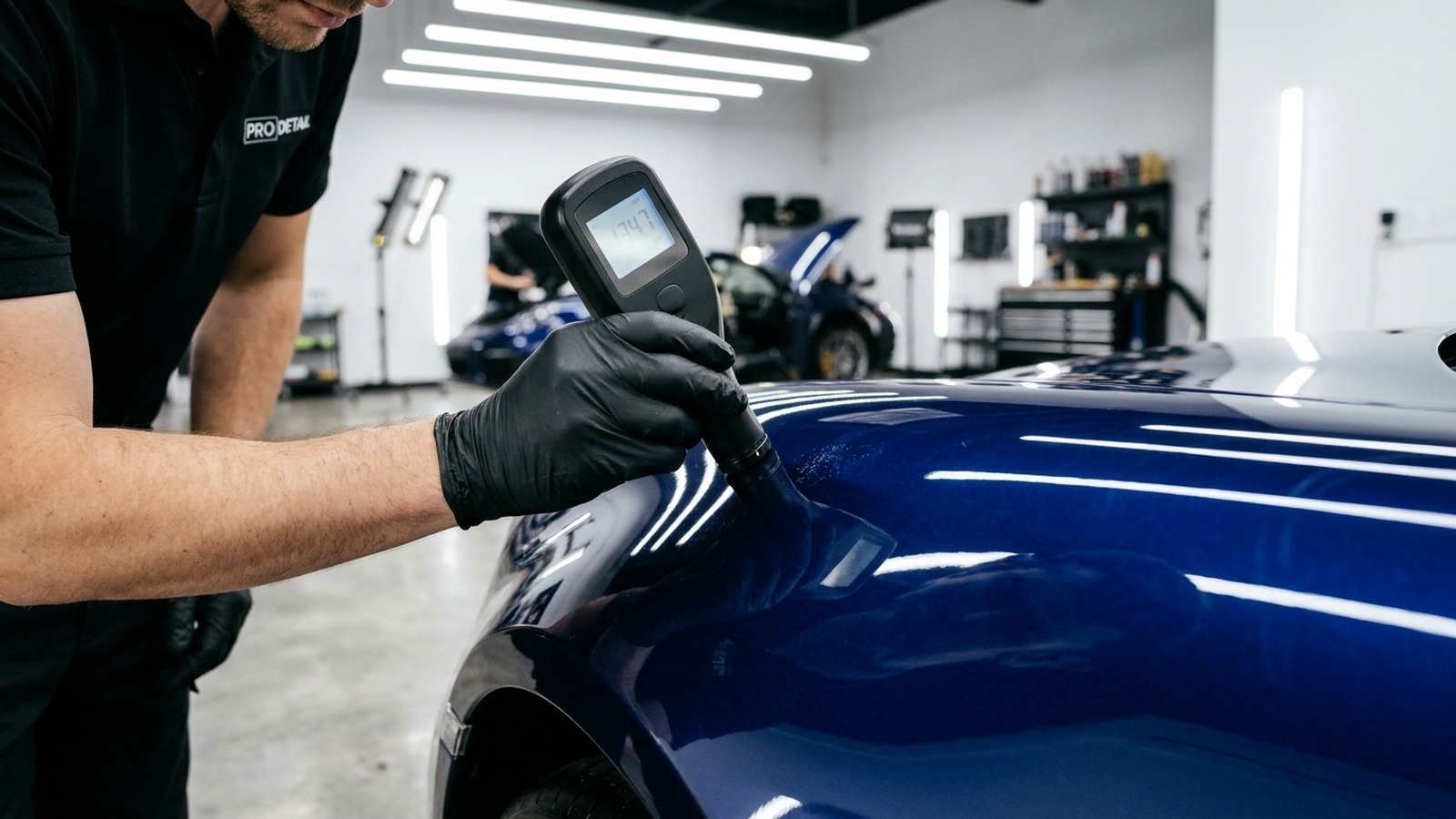
- Initial Paint Temperature Check: Ensure panels are completely cool to the touch. Never work in ambient weather exceeding 25°C or in direct sunlight. Use an infrared surface thermometer to verify panel temperature below 22°C.
- Micro-Sized Work Sections: Reduce the working section size from the typical 50x50 centimetre square down to a compact 30x30 centimetre area. This limits pad dwell time and prevents localized heat buildup.
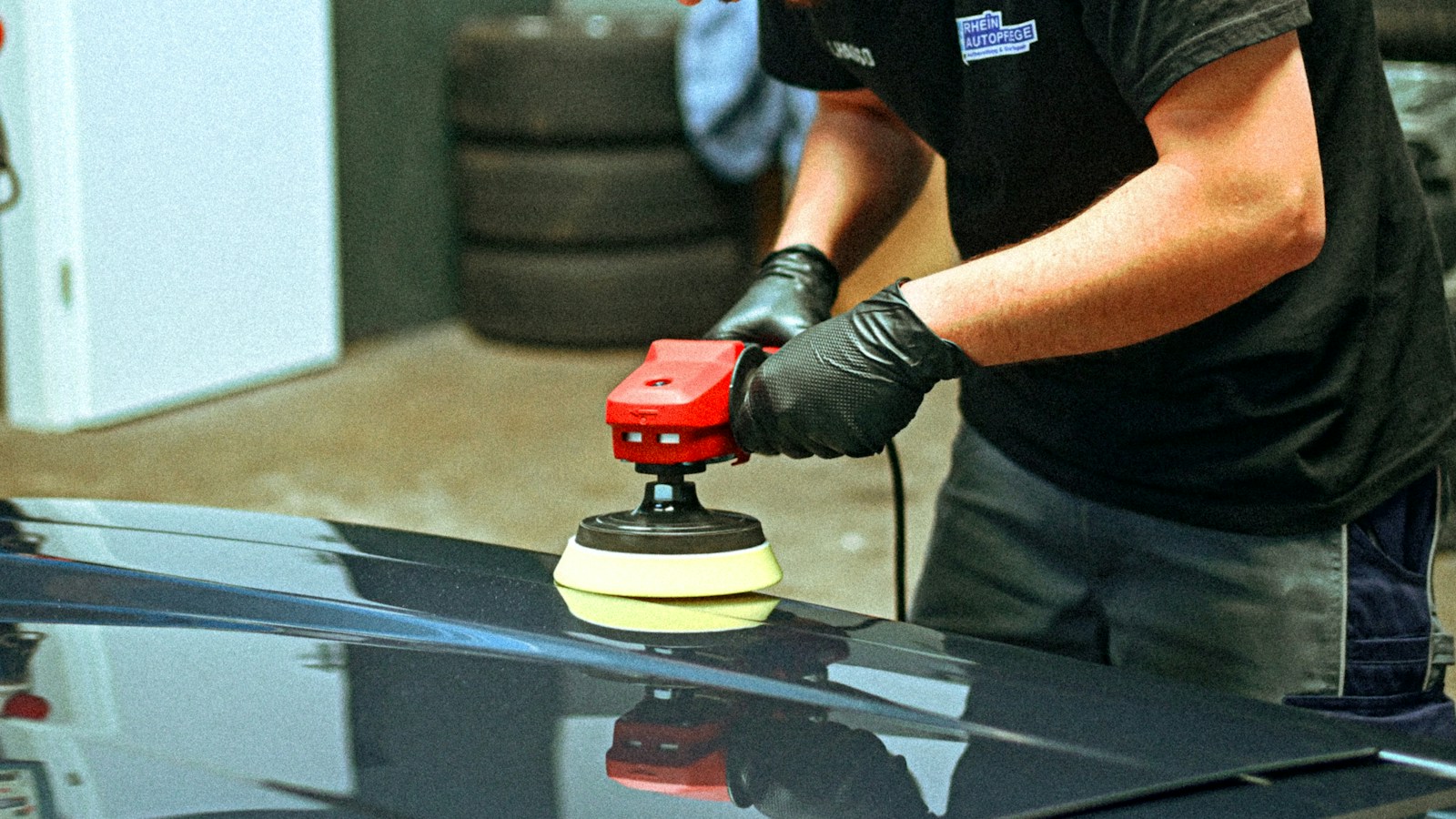
- Light Machine Arm Speed: Prime the pad face completely with product. then operate the dual action machine on speed 3 to 4 rather than max speed. Move the machine across the section with zero downward pressure. This allows the weight of the tool alone to dictate contact.
- Short Cycle Management: Limit buffing cycles to 3 or 4 overlapping passes. Once the compound begins to change clarity. immediately stop the machine. do not attempt to buff to complete dryness.
- Lubricated Panel Wipe Down: Removing residue from sticky paint can easily scratch the surface. Mist the panel with a diluted. slick detail spray or warm distilled water before gently wiping away compound residue with a plush. borderless 500 GSM microfiber towel.
- Relentless Pad Blow-Out: Clean the polishing pad face thoroughly with high-pressure compressed air after every single pass to evacuate softened clear coat particles before they can agglomerate into destructive roll-ups.
Sticky Paint Troubleshooting: Symptoms, Causes. And Detailing Solutions.
Use this diagnostic matrix to rapidly identify and rectify the underlying causes of pad hop and chemical gumming on sensitive paintwork.
| Observed Symptom. | Underlying Physical Cause. | Immediate Corrective Detailing Action. |
|---|---|---|
| Violent Buffer Hopping. | Excessive downward pressure and soft clear coat overheating. | Reduce machine speed to Speed 3. use zero downward pressure. |
| Compound Gumming on Paint. | Compound flashing too fast. water-based carrier evaporated. | Add one drop of oily finishing polish to the pad to extend cycle. |
| Resin Roll-ups / Pigtails. | Melted clear coat agglomerating with abrasive grains. | Blow out pad with compressed air. switch to a fresh clean pad. |
| Towel Scratches during Wipe. | Clear coat is ultra-soft and susceptible to dry friction. | Mist surface with slick detail spray before gentle microfiber wipe. |
| Stubborn Compound Smearing. | Static charge holding carrier oils to the surface. | Use warm water mist or dedicated panel prep with slow flash rate. |
| Cloudy Micro-Marring Haze. | Abrasive particle size too large for soft resin matrix. | Step down to a milder finishing polish on a soft European foam pad. |
Essential Sticky Paint Management Checklist.
Following this disciplined operational checklist bonds consistent correction quality on the softest clear coats without incurring costly damage.
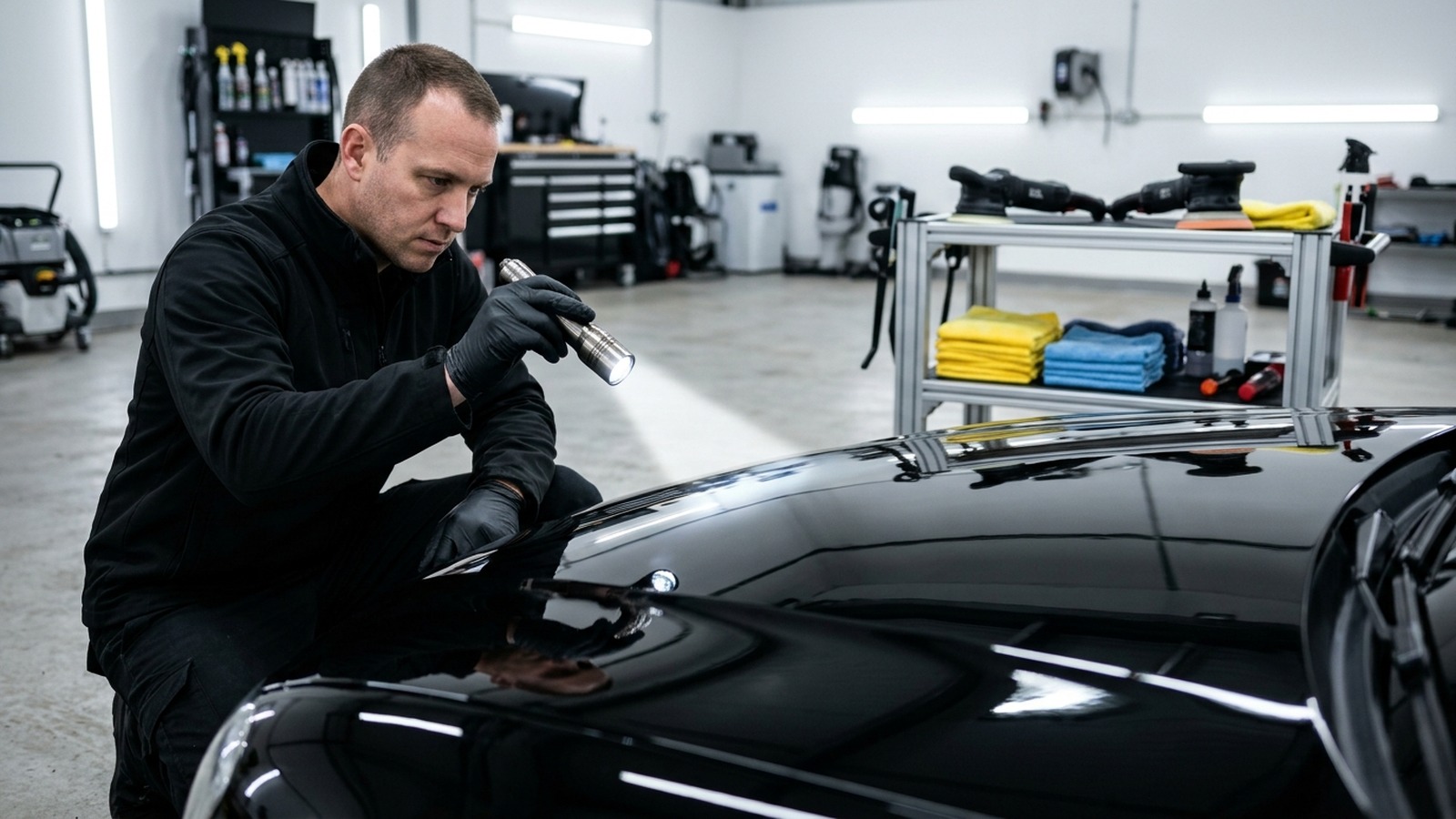
- Test Spot Mandatory: Always perform a 30x30 cm test section on the most conspicuous panel (such as the lower front fender) to confirm pad and chemical compatibility.
- Maintain Cool Panel weather: Use climate-controlled detailing bays or position portable shop fans blowing directly over worked panels to dissipate friction heat.
- Have Abundant Pads on Hand: Prepare at least 6 to 8 clean polishing pads per vehicle. change to a fresh pad the instant a pad begins retaining internal core heat.
- Compressor Air Blow-Outs: Never skip blowing out the pad face between sections. removing spent clear coat dust is the single most effective defense against resin roll-ups.
- Use Slow Arm Speed: Move the machine smoothly across panels at approximately 2 to 3 centimetres per second. avoiding rapid sweeping motions.
- Ditch Aggressive Wool: Never use heavy twisted wool or coarse open-cell foam on sticky clear coats unless performing aggressive heavy-damage wet-sanding correction.
- Lock with Ceramic Protection: Apply a high-solids ceramic quartz coating immediately following final jewelling to harden the soft clear coat surface and prevent future wash marring.
Managing Ambient Humidity and Temperature in Armidale.
outdoor conditions across the Northern Tablelands introduce distinct paint correction variables. In Armidale. rapid atmospheric transitions from crisp. frosty mornings to dry. high-UV afternoons drastically alter chemical behavior. In cold morning conditions. soft paintwork can feel deceptively firm. only to turn aggressively sticky as shop weather rise and the vehicle absorbs ambient warmth.
also. low relative humidity common during regional dry spells speeds up the drying rate of water-based compounding carriers. When working in arid tablelands air. detailers must deliberately supplement polishing emulsions with lubricating balms to prevent premature chemical dry-out. Keeping vehicle panels sheltered inside insulated workshop facilities and regulating ambient conditions prevents thermal shock and ensures predictable paint correction performance.
People Also Ask About Sticky Paint Polishing.
Why does my car polisher bounce and grab the paint?
Your car polisher bounces and grabs because the clear coat is soft and heat-sensitive. As the machine runs. frictional heat softens the resin. causing the pad to stick momentarily before breaking free. Reducing machine speed. using zero downward pressure. And adding lubricating polishing oils stops pad bounce.
Which car brands are most notorious for sticky paint?
Japanese manufacturers. particularly Subaru. Mazda. Honda. And Mitsubishi. are globally known for having soft. sticky clear coats. also. freshly resprayed vehicles from body repair shops that have not undergone full infrared bake-curing frequently exhibit extreme stickiness.
Can you use water misting to fix sticky paint?
Yes. misting a very light spray of distilled water onto the work area can extend the working cycle of water-based compounds and cool the panel surface. However. too much water dilutes the abrasive spring. reducing cutting efficiency. A drop of oily finishing polish is often more effective.
Does ceramic coating fix soft, sticky paint?
Yes. While ceramic coating does not change the molecular structure of the underlying clear coat. applying a pro 9H quartz or silicon carbide coating creates a dense. hard sacrificial glass layer over the soft paint. dramatically reducing its weakness to future wash swirls and outdoor scratching.
Frequently Asked Questions.
What is the best pad for sticky paint correction?
Thin. low-profile closed-cell foam pads or high-density thin microfibre pads are ideal. They dissipate heat rapidly. flex minimally under orbital movement. And prevent softened clear coat resin from embedding deeply into the pad core.
How can I wipe off compound residue without scratching sticky paint?
Never wipe dry compound residue off sticky paint. Mist the panel with an ultra-slick quick detailer or warm distilled water. fold a plush 500+ GSM edgeless microfiber towel into quarters. And wipe gently in one direction with zero downward pressure.
Can sticky paint be corrected with a rotary buffer?
While skilled master detailers can use rotary polishers on sticky paint using very low RPMs (600–900 RPM) and fine jewelling polishes. dual-action random orbital polishers are greatly safer because their oscillating motion distributes heat more evenly across the panel surface.
Why does compound turn into white powder on sticky paint?
Compound dusting occurs when the carrier liquids flash too quickly due to friction heat and dry air. leaving dry abrasive powder behind. On sticky paint. this dry powder binds with melted resin to cause severe scouring unless lubricated.
Does paint stickiness disappear over time?
On freshly resprayed vehicles. paint stickiness gradually diminishes over several months as residual solvents outgas and full chemical cross-linking completes. However. on factory-soft clear coats (such as Japanese solid blacks). the paint remains permanently soft and requires careful lifetime maintenance.
pro detailers also consult Standards Australia paint finishing standards to bond high technical standards.
Troubleshooting Respray Grab on Body Shop Panels.
Encountering grabby. sticky clear coats is common when working on freshly resprayed body panels. Modern aftermarket body shops use fast-drying clear coats to speed up turnaround times. However. if panels are not fully bake-cured. residual solvents remain trapped inside the resin matrix for weeks.
When polishing newly painted panels. friction heat softens the uncured resin. Industrial safety codes from Safe Work Australia and manufacturing quality standards from Standards Australia emphasize that controlling surface heat prevents toxic VOC outgassing and thermal base distortion. Never apply heavy downward machine pressure to soft resprayed panels.
If your polishing pad begins chattering or grabbing. stop immediately. Adding extra downward pressure only increases friction heat and worsens pad hop. Instead. reduce machine orbital speed to a gentle setting and switch to a thin. low-profile closed-cell foam pad.
Add a single drop of an oil-rich finishing glaze to the face of the pad alongside your compound. The extra lubricating oils act as a thermal buffer. keeping the abrasive grains gliding smoothly across the soft paint without digging into the delicate clear coat.
Keep your buffer smooth. Glide pads with light hand pressure. Extra lubricant stops pad grab fast. Clean pads run cool and true. Buffer hop won't scratch your fresh respray. Smooth panels shine bright on sunny days. Drive safe on country roads. Love your car every day. Soft paint stays smooth for years. Safe care brings peace of mind.
Good paint correction is patient. Work small 30 centimetre squares. Wipe residue with slick detail spray. Fold soft microfibre cloths with care. Clean panels stay flat in winter and summer. Clean clear coat never clouds or gums. You enjoy flawless mirror gloss on every country mile. Clean cars stay fresh. Pigtails run away fast. Look after your pride and joy.
Proper correction techniques protect soft paint investments. Flawless resprayed panels blend seamlessly with original factory bodywork. A swirl-free. chatter-free finish proves master machine control and technical artistry. Pro care keeps your custom paint looking world class.
Thermal Management on Sensitive Paint Resprays.
Soft. reactive clear coats present unique challenges during machine paint correction. When a polishing pad spins against soft paint. friction heat softens the resin. causing the pad to grab and chatter violently.
Controlling surface temperature is the golden rule when working on sticky paint. Keep machine speeds on gentle settings and move the polisher continuously across panels to dissipate heat buildup.
Use thin. low-profile closed-cell foam pads that flex minimally under orbital movement. Low-profile pads transfer less heat into the clear coat and prevent softened paint resin from loading into the pad core.
Add a drop of oil-rich finishing glaze to the face of your cutting pad alongside your compound. The extra lubricating oils act as a thermal barrier. This prevents pad hop and stopping compound from gumming on the paint.
Smooth polishing brings complete peace of mind. Pads glide effortlessly across delicate panels. Swirls and scratches vanish without buffer marks. The paint emerges deep. rich. And flawless. You enjoy true craftsmanship on every finished panel. Smart detailers manage heat with pride.
Sticky paint care requires patience. Work small thirty-centimetre sections. Blow out pads with compressed air between passes. Wipe panels with slick detailer spray. The finish stays crystal clear for years. You win on every drive.
Work with care. Take your time. Clean cars look great. Pros love this work. You win on every drive. Fast work brings peace of mind. Take pride in your ride. Park in the cool shade. Clean details bring true joy on every road trip. Drive safe on dirt roads. Love your car every day. Clean surfaces last for years. Safe care brings peace of mind. Keep your car clean. Wipe panels with soft cloths. Use mild soap. Pat dry with clean towels. Fast work brings joy. You win on every trip.
Good car care is easy. Clean seams once a month. Use a soft brush. Lift dirt out of corners with care. Wipe away road film with mild soap. Clean trim stays smooth in winter and summer. Clean surfaces never trap grit or dampness. You enjoy true luxury on every country mile. Clean cars stay fresh. Dirt runs away fast. Look after your pride and joy.
Drive safe on country roads. Love your car every day. Clean cars last for years. Safe care brings peace of mind. Look after your car with pride. Good habits pay off big. Smart drivers clean cars with pride.
Abrasive Control and Optical Finish Summary.
Navigating sticky clear coats separates novice detailers from skilled paint correction technicians. By mastering sticky paint polishing techniques. including thermal moderation. low-profile closed-cell pad interfaces. micro-sized work sections. And extended chemical greasing. detailers eliminate frustrating pad hop and transform reactive. delicate clear coats into flawless. mirror-like showpiece finishes.