Deciding how to restore faded, scratched vehicle paintwork often brings car enthusiasts to a crucial crossroad.When booking paint repair, evaluating single stage vs two stage paint correction helps owners choose the ideal balance between budget, time, defect removal rate. Also, long-term clear coat preservation.In regional Australia, including Armidale and across the New England Tablelands, cars face intense UV radiation, bush gravel rash. Also, sub-zero winter frosts. knowing the mechanical differences between a single refining machine pass and a heavy compound-and-polish multistage workflow ensures you select the perfect treatment for your vehicle.
single stage vs two stage paint correction compares two distinct levels of machine polishing. Single stage uses an all-in-one pad and polish to remove 50% to 70% of light swirls in one pass. Two stage uses a heavy cutting compound pass followed by a dedicated finishing polish pass, eliminating 85% to 95% of deep defects.
- Core Differences: Mechanical Passes and gritty Chemistries.
- What is Single Stage Paint Correction?
- What is Two Stage Paint Correction?
- Clear Coat Thickness and Preservation Science.
- Armidale Environmental Stressors and Paint damage.
- Defect Removal Rates: Swirls, Scratches. Also, Water Etching.
- Time Investment and Financial Considerations.
- Vehicle Age and Paint Condition Decision Matrix.
- Comparison Table: Single Stage vs Two Stage vs Three Stage.
- The 10-Point Paint Correction Evaluation Checklist.
- Post-Correction shield: Ceramic Coatings and Sealants.
- Safety, Environmental. Also, Consumer Standards in Australia.
- People Also Ask About Paint Correction Stages.
- Frequently Asked Questions on Paint Correction.
- Conclusion: Choosing the Perfect Correction for Your Car.
Core Differences: Mechanical Passes and gritty Chemistries
The basic difference between single stage and two stage correction lies in the number of machine steps and the gritty grades used. Every stage represents a full machine pass around the entire vehicle exterior.
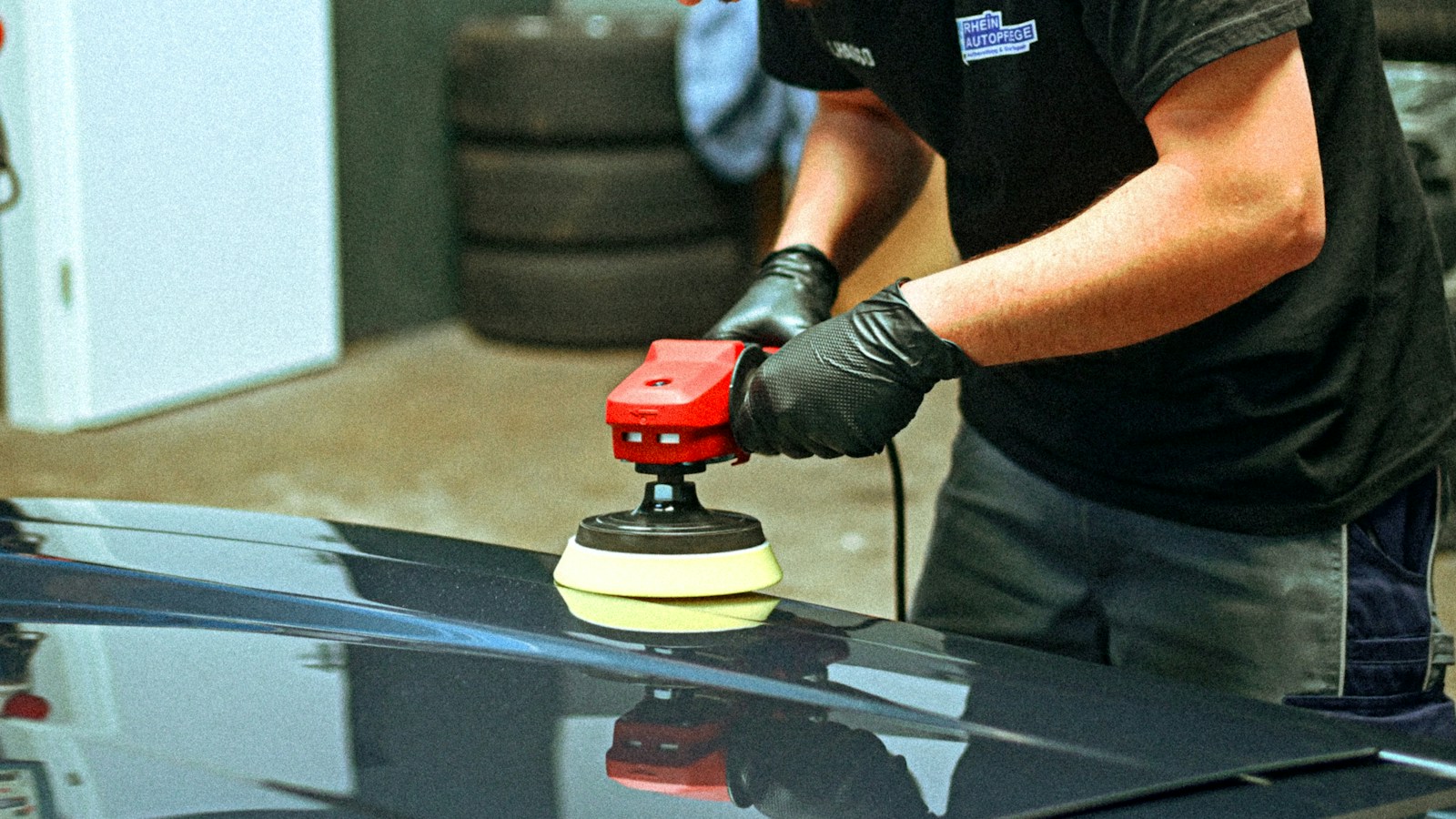
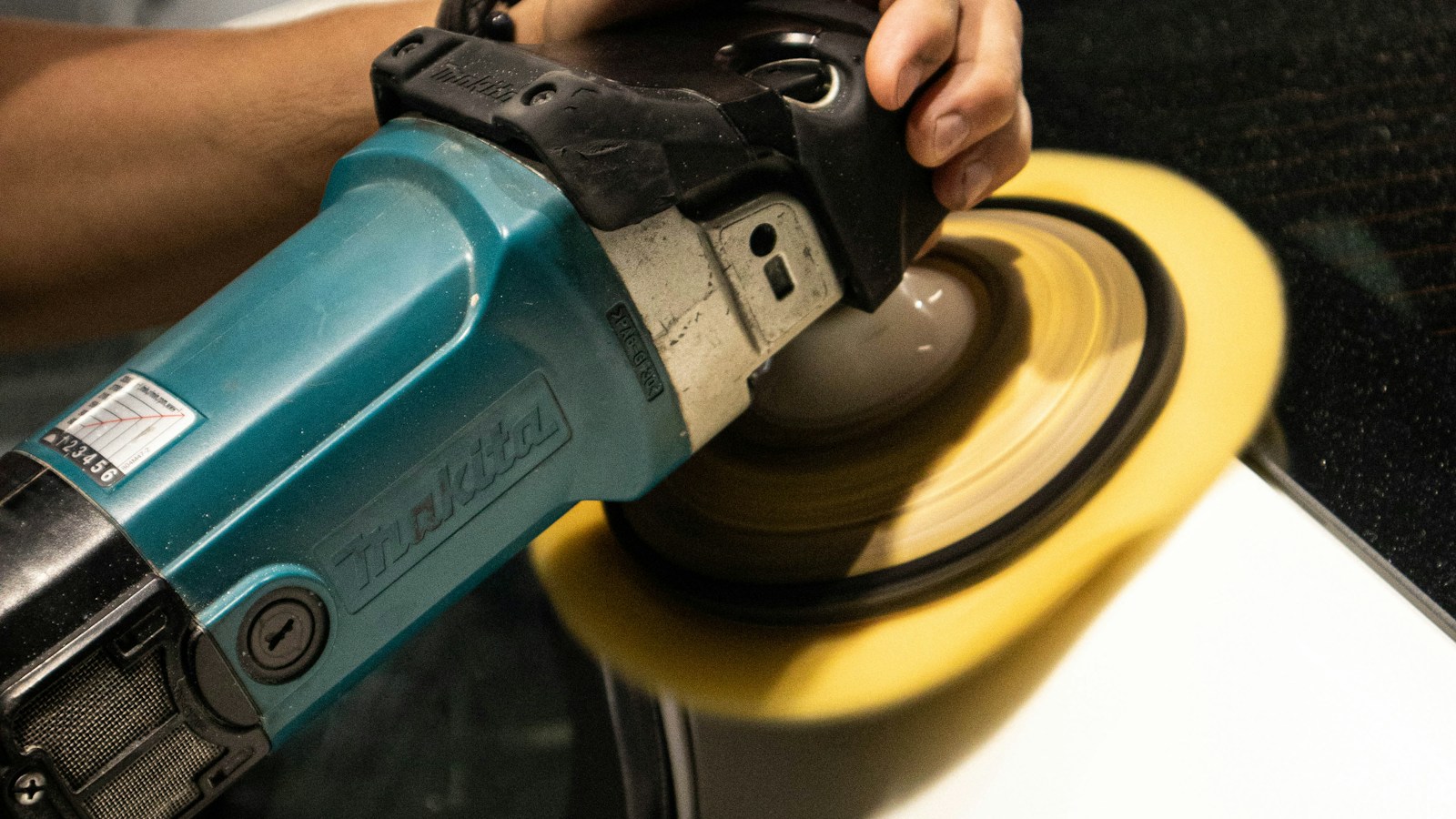
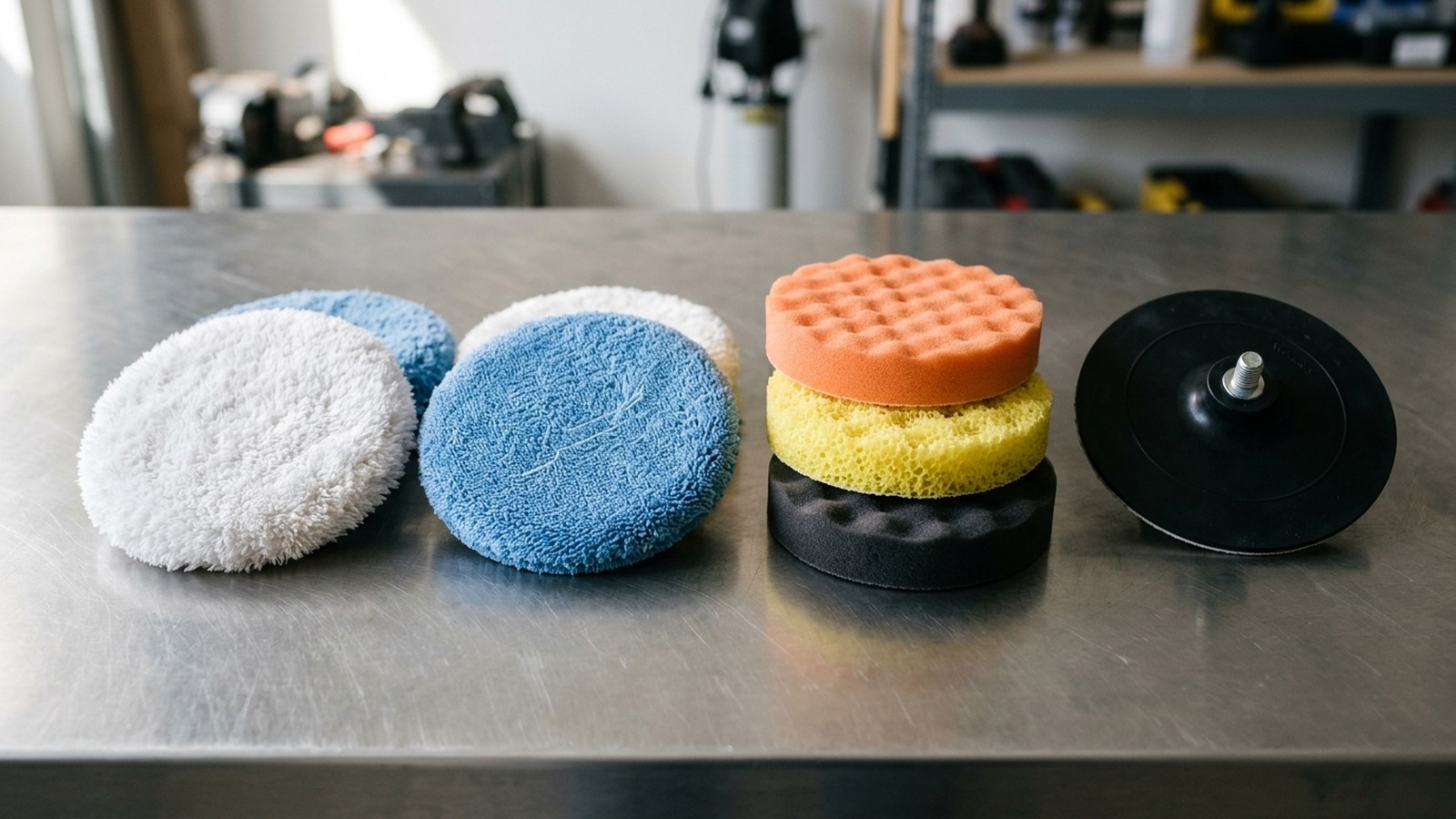
Single stage correction is a medium-grade enhancement process. A detailer pairs a versatile medium-cut foam pad with a breaking gritty polish. As the machine works, the polish cuts away light wash swirls before breaking down into a fine jewelling agent.
Two stage correction, by contrast, separates heavy defect removal from optical finishing. The first stage uses a firm microfibre or wool cutting pad paired with a heavy compounding paste. This aggressive step levels deep scratches, water spots, and oxidation.
However, heavy compounding leaves behind a faint micro-marring haze. The second stage uses a soft foam pad and an ultra-fine finishing polish to remove compounding haze and elevate optical gloss to absolute mirror perfection.
knowing single stage vs two stage paint correction ensures vehicle owners set realistic expectations.Single stage delivers a dramatic gloss enhancement. However, two stage achieves flawless concourse-grade perfection.
What is Single Stage Paint Correction?
Single stage correction is often referred to in the detailing industry as an enhancement detail or gloss boost. It is designed to deliver maximum visual improvement in a single efficient machine pass.
During a single stage service, the detailer uses a dual-action orbital machine to treat the paint. The goal is to eliminate 50% to 70% of minor clear coat imperfections without removing significant paint depth.
This process removes light grey wash marring, minor towel scratches. Also, surface road film oxidation. It immediately restores rich colour depth, making silver paint look brighter and black paint appear deeply reflective.
However, single stage polishing will not remove deep fingernail scratches, heavy water spot etchings, or severe wash swirls. Those deeper defects remain visible under direct sunlight, although their sharp edges are smoothed out.
Single stage correction is ideal for daily driven vehicles, leased cars requiring return prep, or budget-conscious owners who want great gloss without paying for exhaustive multistage paint correction.
What is Two Stage Paint Correction?
Two stage paint correction is a thorough repair service aimed at eliminating 85% to 95% of all paint defects.It is the premier option for enthusiasts, luxury vehicles. Also, dark metallic colours.
The first stage is the heavy cut pass. The detailer uses a dual-action or rotary polisher equipped with a high-density microfibre pad and heavy gritty compound. This step levels the clear coat down to the base of most swirl marks and scratches.
Because the heavy cutting pass shears away paint defects aggressively, it leaves behind tiny buffer trails and compound hazing. Under bright LED inspection lights, the paint may look free of swirls but slightly cloudy.
The second stage is the refining jewel pass. The detailer switches to a soft finishing foam pad and a finishing glaze polish containing sub-micron grits. This pass polishes away the haze, restoring crisp optical clarity and deep liquid reflections.
Two stage correction requires patience and extreme precision. A full two stage service on a medium-sized SUV can easily require 12 to 18 hours of meticulous machine polishing across every contour and panel edge.
Clear Coat Thickness and Preservation Science
One of the most critical factors when weighing correction options is paint thickness. Modern vehicle makers apply remarkably thin paint systems to meet environmental and cost targets.
Total paint thickness on modern Japanese, European. Also, American cars typically measures between 100 and 140 microns. The clear coat represents only 35 to 50 microns of that total. less than the thickness of a plastic shopping bag.
A single stage machine polish removes only 0.5 to 1.2 microns of clear coat. This minimal removal leaves virtually the entire factory UV barrier intact, making single stage very safe for older vehicles with thinner paint.
A two stage machine correction removes between 2.0 and 3.5 microns of clear coat to level out deep defects. While this is entirely safe on healthy factory paint, it reduces the total number of aggressive corrections that car can receive over its lifetime.
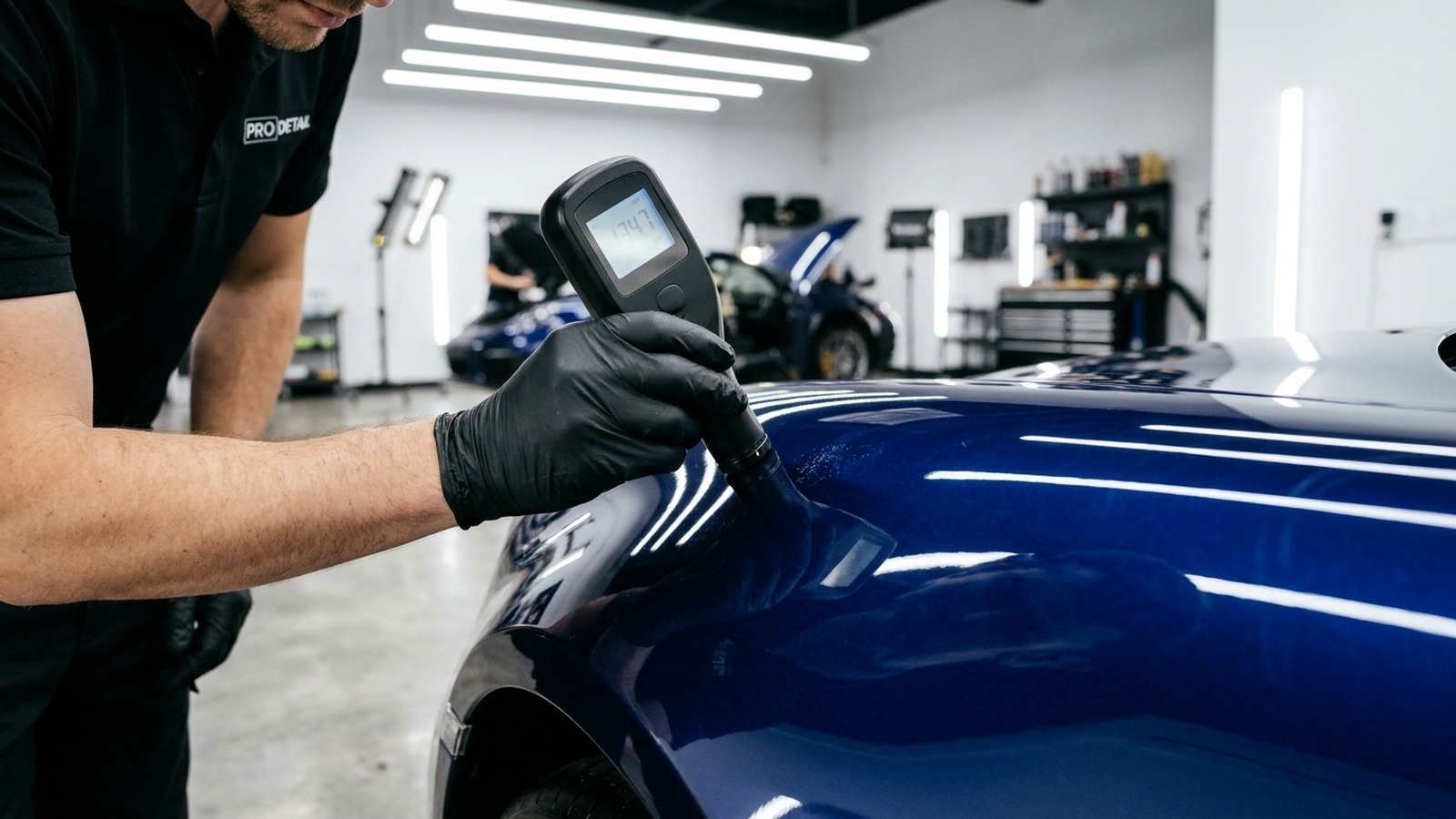
pro detailers measure every panel with a digital paint depth gauge before choosing between single and two stage correction. If readings reveal prior resprays or dangerously thin clear coat under 80 microns total, a single stage polish is the only responsible recommendation.
Armidale Environmental Stressors and Paint damage
Vehicles driven in Armidale and across the New England High Country endure severe environmental punishment. Located at an altitude of about 1,000 metres above sea level, Armidale experiences intense solar UV exposure.
High UV levels speed up clear coat oxidation and clear coat drying. In unshielded vehicles, the upper clear coat becomes brittle, making it much more susceptible to wash scratching and micro-cracking.
Regional driving also involves frequent exposure to unsealed rural roads, coarse basalt gravel. Also, agricultural dust. Basalt dust contains sharp crystalline minerals that scour vehicle panels when cars are washed improperly.
Winter in Armidale brings sub-zero heat levels and heavy frosts.Cold morning conditions harden clear coat. However, road salt and de-icing chemicals used on regional mountain highways introduce corrosive chemical fallout.
These harsh local conditions make preserving clear coat thickness essential. Choosing the right correction stage ensures you eliminate existing defects while leaving enough shielding paint to withstand years of Tablelands weather.
Defect Removal Rates: Swirls, Scratches, and Water Etching
knowing defect elimination percentages helps vehicle owners set realistic expectations.No non-destructive detailing process removes 100% of paint defects. Because some scratches penetrate through to primer.
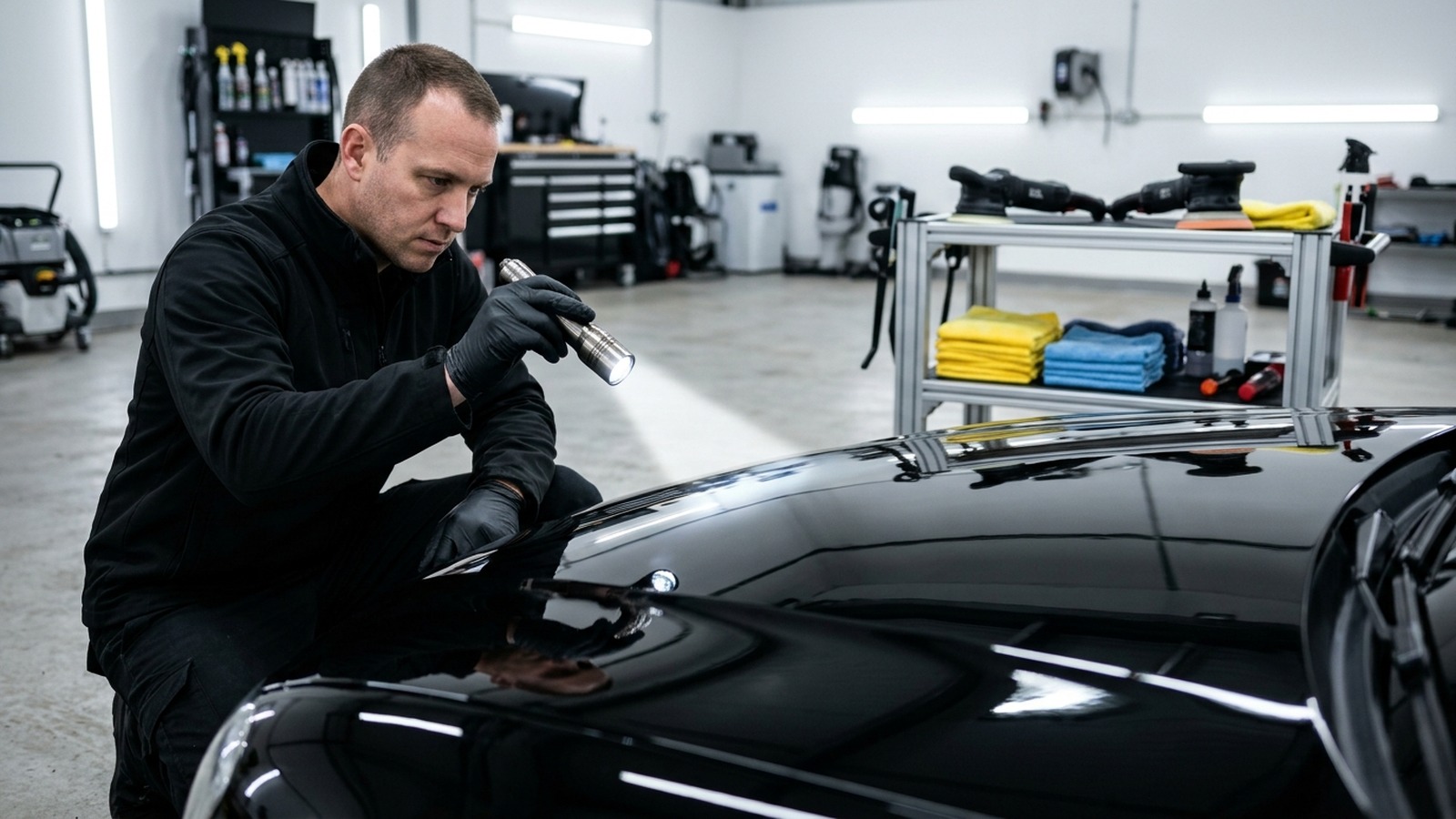
In a single stage correction, expected defect removal typically lands between 55% and 70%.The vehicle looks greatly glossier from two metres away. However, close inspection under an LED torch will still reveal isolated deeper scratches.
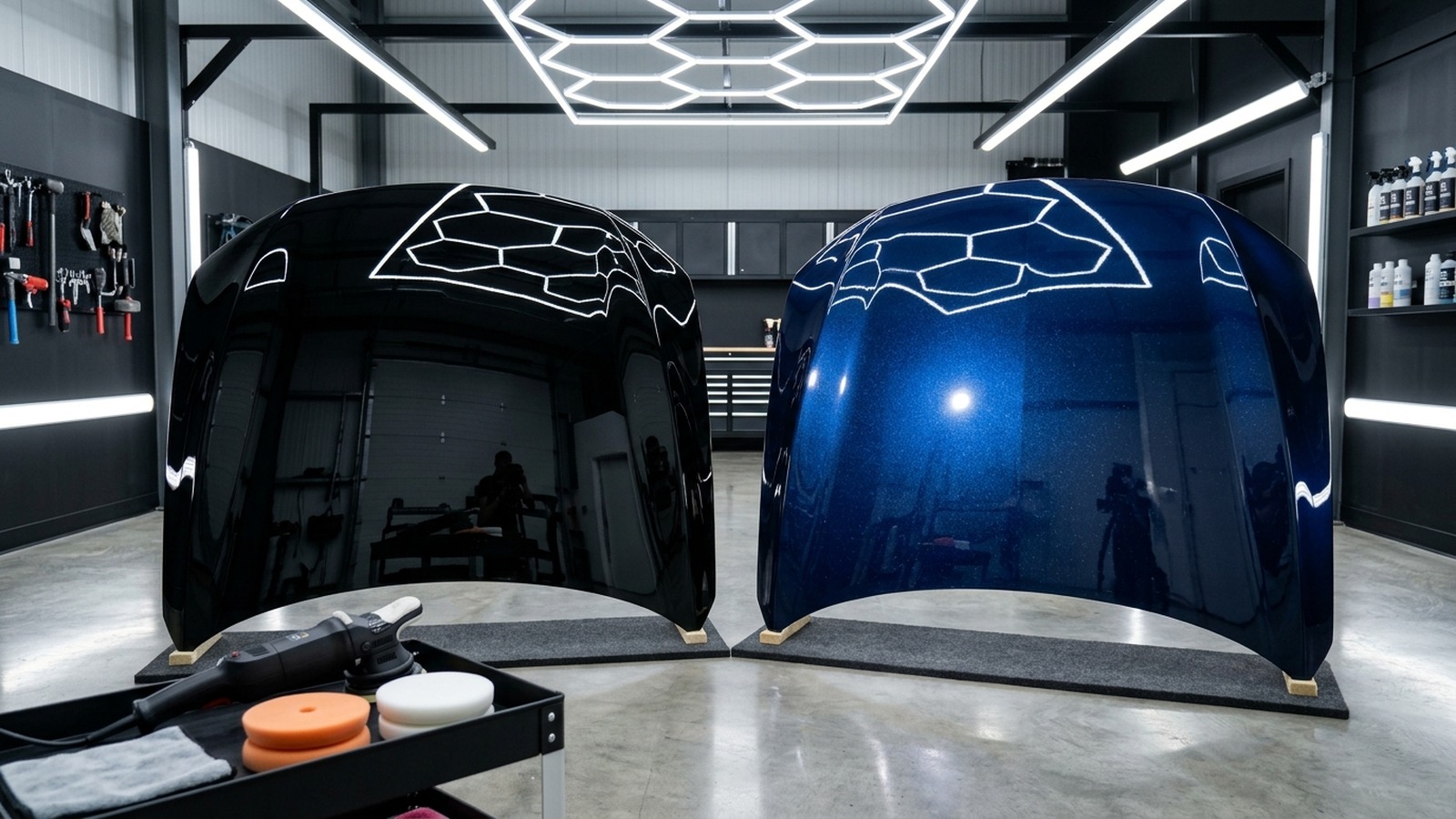
In a two stage correction, expected defect removal reaches 85% to 95%. Under direct sunlight or high-CRI inspection lights, the paint presents a flawless, liquid-smooth appearance with almost no visible wash marring.
Water spot etchings from hard tap water or acid rain require special attention.Shallow mineral deposits can be polished out with a single stage service. However, sub-surface acid etchings require the heavy compounding of a two stage correction.
Deep stone chips, bird dropping clear coat fractures. Also, key scratches that reveal primer cannot be resolved by polishing alone in either stage. Those defects require specialised colour touch-up and wet-sanding.
Time Investment and Financial Considerations
The time required to complete single stage versus two stage correction directly influences the financial investment. Time translates directly into specialised detailer labour.
A single stage paint correction typically requires 5 to 8 hours of total workshop time, including thorough wash cleaning, clay bar treatment, machine polishing, panel wipe inspection. Also, sealant use.
A two stage paint correction requires 10 to 18 hours of dedicated machine time. Because every panel must be completely compounded and then completely polished a second time, labour is more than doubled.
For daily driven vehicles parked outside, a single stage correction combined with a ceramic coating offers exceptional value. It restores deep gloss and adds durable shield at an accessible price point.
For high-output cars, weekend show vehicles, or owners who demand absolute visual perfection, the higher investment of a two stage correction delivers unrivaled mirror reflections and optical depth.
Vehicle Age and Paint Condition Decision Matrix
How do you decide which correction option suits your vehicle? Detailers consider three primary factors:vehicle use, paint condition. Also, future maintenance plans.
A single stage correction is ideal if: 1. Your vehicle is a daily driver exposed to public carparks and regular commuting. 2. The paint has light to moderate swirl marks and wash marring without deep scratches. 3. Total paint depth readings show thin factory clear coat under 90 microns. 4. You want a dramatic gloss boost and surface slickness on a sensible budget.
A two stage correction is recommended if: 1. Your vehicle has dark, solid, or metallic paint that shows every tiny defect. 2. The vehicle has suffered through years of automated brush car washes and poor hand washing. 3. You are preparing a luxury car, classic vehicle, or collector car for display. 4. You intend to lock in the paint with a multi-year ceramic coating and want a flawless canvas beneath.
Comparison Table: Single Stage vs Two Stage vs Three Stage
The table below outlines key technical, financial. Also, output metrics across different paint correction tiers:
| Correction Metric. | Single Stage Correction. | Two Stage Correction. | Three Stage / Wet Sanding. |
|---|---|---|---|
| Defect Removal Rate. | 50% to 70% light swirls. | 85% to 95% swirls & scratches. | 95% to 99% orange peel & defects. |
| Clear Coat Removal. | 0.5 to 1.2 microns. | 2.0 to 3.5 microns. | 4.0 to 8.0 microns. |
| Machine Steps. | 1 pass (medium pad & polish). | 2 passes (cut + jewel finish). | 3+ passes (wet sand + cut + polish). |
| Workshop Labour. | 5 to 8 hours. | 10 to 18 hours. | 25 to 40+ hours. |
| Ideal Vehicle Profile. | Daily drivers, leased cars. | Luxury cars, dark colours. | Show cars, custom paintwork. |
The 10-Point Paint Correction Evaluation Checklist
pro detailers use this checklist to assess a vehicle and recommend the correct polishing stage:
- Client Expectation Interview: Discuss desired defect elimination percentage, timeline. Also, vehicle use.
- Full Exterior Wash and cleaning:Strip road grime, iron deposits. Also, tree sap before inspection.
- Electronic Paint Depth Mapping: Log paint thickness across high, medium. Also, low panel sections.
- High-CRI Lighting Audit:Identify swirl depth, scratch severity. Also, buffer trails across each body panel.
- Edge and Swage Line Inspection: Check panel transitions for thin factory paint or prior burn-through.
- Paint Hardness depth test: Test sample buffing passes to determine whether clear coat is soft, medium, or hard.
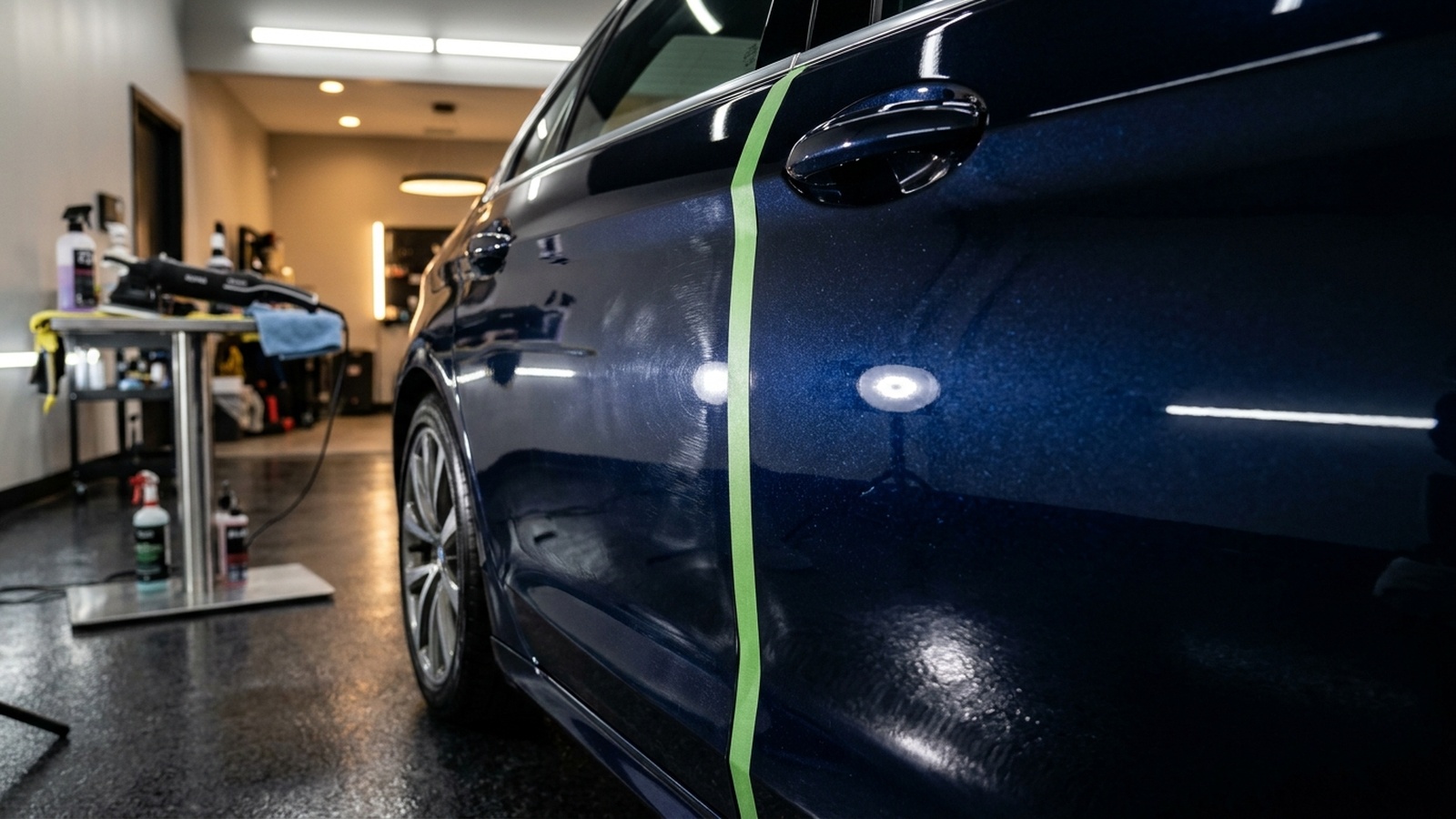
- Dedicated 40cm Test Spot: Perform a single stage test spot alongside a two stage test spot to compare results.
- Solvent Panel Wipedown: Inspect test spots free of polishing oils under direct sunlight or inspection LEDs.
- Transparent Customer Recommendation: Present clear options based on measured paint safety margins.
- shielding Coating use: Seal the corrected clear coat with pro ceramic coating or synthetic sealant.
Post-Correction Protection: Ceramic Coatings and Sealants
Regardless of whether you choose single stage or two stage correction, locking in the restored finish with durable shield is mandatory. Polishing leaves clear coat pores bare and vulnerable to contamination.
Modern ceramic coatings form a semi-permanent chemical bond with car clear coat. By curing into an ultra-dense silicon dioxide (SiO2) quartz shell, ceramic coatings provide robust chemical resistance against bird lime and tree sap.
Ceramic shield also provides water-shedding water beading. Water sheets off panels rapidly, carrying away loose dirt and dust before it can cause scratch marring during maintenance washing.
Applying a high-grade ceramic coating after a two stage correction preserves that concourse-level mirror finish for years. It ensures your investment in paint correction continues to pay dividends every time you wash your car.
Safety, Environmental, and Consumer Standards in Australia
pro car paint correction requires adherence to thorough Australian industry and workplace safety standards. Under guidelines from Safe Work Australia, workshops manage machine vibration, electrical equipment tagging. Also, user personal shielding gear.
Environmental responsibility is overseen by the NSW Environment shield Authority.pro detailers prevent polishing dust, petroleum distillates. Also, wash water from entering local drainage systems through compliant trade waste management.
also, consumer shield laws enforced by the Australian Competition and Consumer Commission require transparent representations regarding paint correction outcomes and warranty coverage.
If you want to enhance your car's gloss or achieve showroom-level clarity, booking pro single and two stage paint correction in Armidaleguarantees honest advice, paint depth safety. Also, stunning visual results.
People Also Ask About Paint Correction Stages
Is two stage paint correction worth the extra cost?
Yes, for dark colours, luxury cars, or heavily swirled paint. Two stage correction removes up to 95% of defects and eliminates compounding haze, producing noticeably deeper, crisper mirror reflections than a single stage polish.
Will single stage paint correction remove deep scratches?
No.Single stage correction focuses on light wash swirls, towel marks. Also, surface dullness. Deeper scratches that catch your fingernail require the aggressive compounding and wet sanding of multistage correction.
How much clear coat is removed in a two stage correction?
A typical two stage correction removes between 2.0 and 3.5 microns of clear coat out of 35 to 50 microns total. This preserves over 90% of your factory clear coat while eliminating deep surface flaws.
Can you do two stage correction on thin clear coat?
Detailers avoid two stage correction if total paint depth readings are below 80 microns. Aggressive compounding on thin paint risks burning through clear coat down to the base colour layer.
Frequently Asked Questions on Paint Correction
How long does a paint correction service take to complete?
A single stage correction typically takes 5 to 8 hours. However, a two stage correction takes 10 to 18 hours. Adding a ceramic coating requires additional curing time of 12 to 24 hours in a controlled indoor workshop.
Does paint correction fix rock chips on the front bumper?
No. Rock chips have physically chipped away the clear coat, colour base, and primer. Polishing cannot fill paint voids. Stone chips require colour-matched touch-up paint before any mechanical levelling.
How do I maintain my car after paint correction?
Wash using the two-bucket method with grit guards, a plush microfibre mitt. Also, a pH-neutral car wash.Never visit automated brush car washes. Also, dry panels with a dedicated plush microfibre drying towel.
Can brand new cars benefit from paint correction?
Yes. Many brand-new vehicles arrive from dealerships with transport scratches, iron contamination. Also, wash marring from delivery prep. A single stage polish perfects the paint before applying shielding coatings.
Can paint correction remove orange peel texture?
Standard single and two stage machine correction will not remove orange peel texture. Levelling factory orange peel requires wet sanding with ultra-fine grits or denim levelling pads, known as three-stage correction.
Conclusion: Choosing the Perfect Correction for Your Car
Both single stage and two stage paint correction play vital roles in restoring vehicle beauty and protecting long-term value.Deciding between them depends on your budget, paint condition. Also, personal standards.
knowing the balance of single stage vs two stage paint correction allows you to invest smartly in your vehicle. Whether you want a glossy daily driver enhancement or concourse-grade perfection, pro machine correction turns back the clock on worn paintwork, delivering reflections that turn heads wherever you drive.